Table of Contents
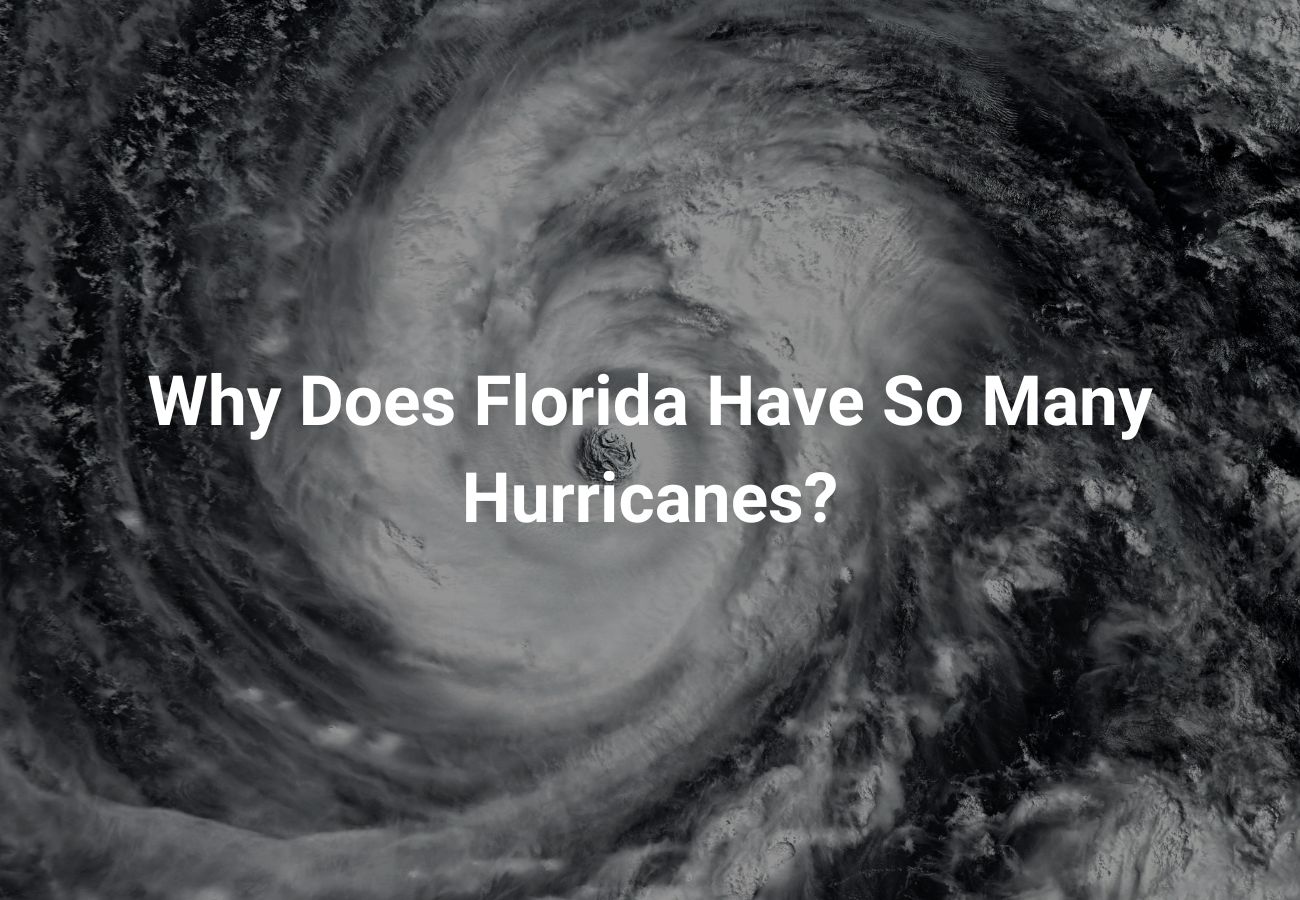
Why does Florida have so many hurricanes? You might ask yourself this question every time hurricane season ramps up and the Sunshine State takes center stage in news reports. Florida’s unique position between the Atlantic Ocean and the Gulf of Mexico often leaves it exposed to tropical storms and hurricanes year after year. As you delve deeper into Florida’s history, you see just how frequently major hurricanes have impacted local communities and shaped how Floridians build, insure, and protect their homes.
In this blog post, you will discover the key reasons Florida faces more hurricanes than most other coastal regions. You will explore natural factors like ocean currents and warm sea temperatures as well as atmospheric conditions that steer these storms right into Florida’s path. By the end, you will have a clearer grasp on the science behind Florida’s hurricane legacy—and the practical steps you can take to stay safe during the stormy season.
Florida’s Coastal Geography Shapes Your Risks
When you picture Florida on the map, you likely see a thin, peninsular shape jutting out between the Gulf of Mexico and the Atlantic. This geography plays a significant role in why hurricanes happen so frequently there. You are surrounded by water on three sides, meaning that tropical systems moving in almost any direction across the warm Atlantic or the Gulf can easily funnel toward the Florida coastline.
And while plenty of coastal states face storms, Florida’s long stretch of coastline—over 1,300 miles—provides a wide target area for hurricane landfalls. Beaches from the Panhandle down to the Florida Keys are vulnerable to storm surge, making it crucial for you to understand which flood zone you live in or plan to visit. The more you understand these geographic factors, the better prepared you’ll be to safeguard your property and family.
The Atlantic and Gulf Collaboration
Florida’s position at the meeting point of the Atlantic Ocean and the Gulf of Mexico acts like a grand stage for storms that often begin as tropical waves off the coast of Africa. After traveling across the Atlantic, these systems can strengthen if conditions are right—warm waters, low wind shear, and humid air—then spin up into hurricanes.
At the same time, the Gulf of Mexico offers a kind of “warm water fueling station” that can intensify these storms even further. Once a hurricane enters the Gulf, its warm temperatures can promote explosive growth, leading to stronger and more destructive storms. From the Panhandle’s endless beaches to South Florida’s bustling coasts, you find yourself facing storms that develop either from the Atlantic or the Gulf, doubling Florida’s vulnerability.
Warm Waters Breed Big Storms
Warm sea surface temperatures are like gasoline to hurricanes. The warmer the water, the easier it is for these tropical systems to feed off the heat and moisture, growing in size and intensity. Florida’s surrounding waters often stay above 80°F (27°C) for much of hurricane season, offering prime conditions for cyclones to develop.
That warmth isn’t just in the top layer of the ocean. When heat penetrates deeper into the water column, storms have a larger “fuel tank” to draw from. This phenomenon sometimes leads to rapid intensification, where a tropical storm can become a major hurricane in less than 24 hours. As a result, you may see a storm that looks mild at the start of the week suddenly transform into a Category 4 or 5 hurricane approaching the Florida coast. Recognizing how these warm waters supercharge storms can prompt you to track updates closely and make early preparations.
How Climate Patterns Steer Hurricanes Your Way
Beyond the warm ocean temperatures, atmospheric and climate patterns play a part in directing hurricanes toward Florida. For example, the Bermuda High—a sprawling high-pressure system that forms over the Atlantic—acts like a wind-driven highway for hurricanes. When this high-pressure dome is strong, it can nudge storms westward in a path that often crosses right over Florida.
Additionally, oceanic phenomena like El Niño and La Niña affect how wind shear develops. High wind shear can tear a growing storm apart, while low wind shear creates a calm environment that nurtures a hurricane’s growth. In La Niña years, you generally see less wind shear in the Atlantic, which makes it easier for hurricanes to thrive and potentially set their sights on Florida. Understanding these climate patterns can empower you to follow seasonal predictions more closely, so you can prepare your emergency kits and evacuation plans accordingly.
Lessons from Florida’s Hurricane History
If you think about the extensive history of powerful hurricanes in Florida—from the Great Miami Hurricane of 1926 to the more recent storms that battered the Gulf and the Atlantic coasts—you start to grasp the state’s resilience in the face of repeated landfalls. Over time, building codes have strengthened to reduce wind damage and flood-resistant construction has become the norm in many coastal communities.
Still, each new storm reveals ways you can improve your preparedness. Whether it’s equipping your home with hurricane shutters or planning an evacuation route that avoids crowded roads, learning from Florida’s past hurricanes helps you better manage the risks. Historical storms also offer insights into landfall patterns, storm surge heights, and the critical role of rapid communication during emergencies.
Gauging Insights from Competitors’ Perspectives
Comparing various sources can broaden your understanding of why Florida sees so many hurricanes. For instance, one competitor blog underscores the fact that Florida’s peninsula acts as a magnet for tropical storms, pointing to how the state’s elongated shape practically extends into prime hurricane territory. Another competitor post highlights the importance of staying updated on hurricane tracks and preparing for rapidly shifting storm intensities, given Florida’s year-round warm water temperatures.
Both competitor perspectives stress that Florida’s distinctive geography, coupled with shifting atmospheric patterns, underpins its storm frequency. When you combine their observations with everything you’ve learned here—geography, warm waters, and climate patterns—you gain a thorough overview that reinforces how essential it is to remain vigilant from June to November.
How You Can Prepare for Florida’s Hurricane Season
Now that you understand the primary reasons behind Florida’s frequent hurricanes, it’s time to apply that knowledge to real-world preparedness. Hurricanes affect every aspect of your life, from the structural integrity of your home to the availability of fresh food and water. Here are some practical steps:
- Create an Emergency Plan
Identify safe places to evacuate if necessary—friends or relatives outside flood-prone areas or state-designated shelters. Make sure everyone in your household knows the plan, including phone numbers and meeting points. - Assemble a Hurricane Kit
Stock up on essentials such as bottled water, non-perishable food, prescription medications, flashlights, batteries, and a battery-operated radio. Keep copies of your important documents and store them in waterproof containers. - Fortify Your Home
If you haven’t done so already, install storm shutters or impact-resistant windows to shield against high winds. Trim tree branches that could pose a threat to your property. Check for roof leaks or weaknesses that might worsen during torrential rain. - Stay Informed
Monitor reputable weather channels or local authorities for updates on storm intensity and projected paths. Technology has made real-time forecasting widely accessible, so you can track storms more accurately. Make sure you sign up for local emergency alerts on your phone. - Prepare for Potential Power Outages
Hurricanes often knock out electricity, sometimes for days. Consider investing in a generator or solar-powered chargers. Keep your devices fully charged in the days leading up to a storm, and have a plan for any family members who rely on powered medical devices. - Double-Check Your Insurance
Confirm that your homeowners or renters insurance covers wind and flood damage. In Florida, standard policies sometimes don’t include flood coverage, so you may need separate flood insurance. Review your policy to avoid financial surprises later.
By focusing on these steps, you’ll be more equipped to face the realities of hurricane season in Florida. Preparedness is your best defense against the unpredictability of tropical cyclones, and knowing why these storms target Florida can help you anticipate how to react when a hurricane forms.
Final Thoughts: Embracing the Hurricane Reality
Florida’s reputation for having so many hurricanes may sound intimidating, but your awareness and preparation can ease the stress. Hurricanes are part of life in this coastal paradise, shaped by warm waters, atmospheric steering factors, and a geography that nearly invites storms to make landfall. As you’ve learned from both the science and competitor insights, the key is knowing how to adapt.
You don’t have to live in a state of worry or uncertainty. Instead, by staying informed about weather patterns, reinforcing your home, and planning for emergencies, you can navigate the storm season with more confidence. Hurricanes, while daunting, also bring communities together. Neighbors share resources, look out for one another, and rebuild stronger than before. Understanding “why does Florida have so many hurricanes?” sets the stage for practical readiness, ensuring you stay resilient no matter how many storms blow through.