




Property damage and insurance help in Clearwater
A roof leak, fire or hurricane loss can leave you managing repairs while trying to understand an insurer’s decision. Krapf Legal helps Florida property owners evaluate denied, delayed and underpaid claims from its Clearwater base. A useful review identifies the policy, cause of loss, supported repair scope and payment calculation.
Start with our property damage attorney page for the overall process. If you know the kind of damage, the individual service pages explain the relevant evidence and common coverage disputes. The same event may involve several categories, such as roof damage, interior water intrusion and damaged belongings.
| What you are dealing with | Where to start |
|---|---|
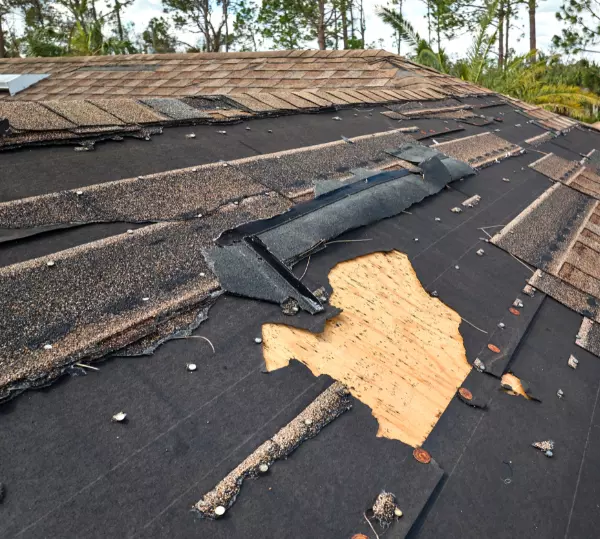
| Roof or hail damage | Review repairability, impact evidence, matching, code-related work and the insurer’s estimate on our roof and hail pages. |
| Leaks, water or mold | Identify the water source, mitigation record and policy limitations with our water damage and mold insurance services. |
| Fire and smoke | Separate structural repairs, cleaning, contents and displacement using our fire damage service. |
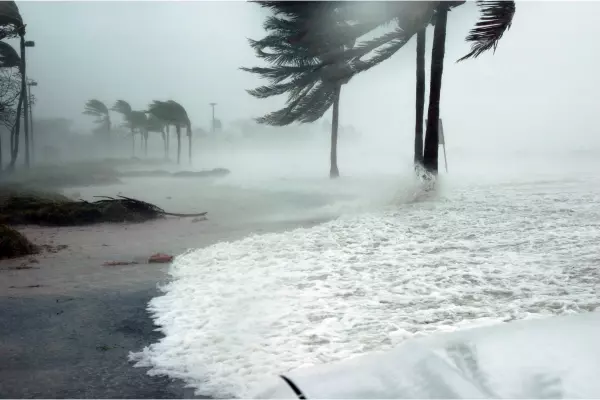
| Hurricane damage | Review wind, rain and flood distinctions, deductibles and multiple-loss evidence on our Clearwater hurricane page. |
| Concerns about insurer conduct | Understand the difference between policy benefits and an additional remedy on our bad-faith page. |
Match your next step to the claim’s status
If a claim was denied, obtain the reason and cited policy language. If it was paid below the repair cost, request the itemized estimate and calculation. If communications have stalled, organize the requests, responses and delivery records. These situations call for different evidence; repeatedly asking for a larger payment may not address the central issue.
A payment gap may involve omitted repairs, a deductible, depreciation or a coverage limit. A coverage dispute may turn on flood, wear and tear, repeated seepage or the connection to a particular storm. Preserve photographs, reports and repair records that explain the specific disagreement. A contractor’s estimate is useful, but it does not replace review of the policy and legal issues.
You can ask for legal advice before a final denial, especially if an insurer requests a sworn statement, a release is proposed or a deadline is approaching. Whether representation makes practical sense depends on the evidence, amount in dispute, costs and options available.
Resources for an unresolved hurricane claim
Use our hurricane damage claims page for coverage, legal options and organizing the chronology, inventory and payments. Flood and wind may involve separate policies and procedures, even when the same storm caused the damage.
For an older named-storm file, such as one from Ian, Idalia, Debby or Helene, review the original reporting date first. An existing timely reported dispute is different from a new report or supplement, and prior releases or proceedings may affect the available options. Do not assume the age of a storm page means a deadline remains open.
Help after an injury in Clearwater
If another person or business may have caused an injury, our Clearwater personal injury page explains the initial steps, evidence, compensation questions and insurance process. The analysis concerns responsibility, the connection to the injury and documented losses, rather than only a property repair estimate.
Seek appropriate medical attention and preserve incident reports, photographs, witness information and insurance communications. Different rules may apply to vehicle accidents, falls, products, medical-treatment concerns and other incidents. Our Florida personal injury overview provides additional detail about comparative fault, deadlines, fees and net recovery.
HOA and condominium owner concerns
A disputed fine, records request, maintenance issue or assessment can require review of the association’s governing documents and applicable law. Our HOA page focuses on Florida homeowners, while the condominium page addresses unit-owner concerns under the condominium framework.
An association dispute can overlap with a property loss without being the same as an insurance dispute. A common-area leak may raise repair duties, board conduct, unit-policy coverage and master-policy questions. Bring the relevant correspondence and documents so the different responsibilities can be evaluated together.
What the first conversation should accomplish
- Identify the problem and the decision or action you want reviewed.
- Establish the important dates, including any pending response or filing deadline.
- Understand which policy, agreement or governing documents are relevant.
- Identify records already available and evidence still needed.
- Discuss whether the firm can assist and what a proposed next step would involve.
- Explain proposed fees, case expenses and communication before representation is agreed.
For an insurance matter, the policy, claim number, decision, estimate and photographs are useful. For an association matter, start with the governing documents and correspondence. For an injury, provide the incident details, treatment history and insurance information. Missing a record does not prevent an initial conversation, but an urgent deadline should be identified immediately.
Contact Krapf Legal in Clearwater
Our firm is based in Clearwater and assists clients with the Florida services described here. Learn about the team and use the contact page for current location and consultation information. Call 727-777-7450 to request a free case evaluation. If travel or an injury makes an office visit difficult, ask about available consultation arrangements.
Keep sensitive identification and financial details out of a general contact form and ask how to provide documents securely. Contacting the firm does not by itself establish an attorney-client relationship. If representation is offered, review the written terms and ask who will handle the matter and how you will receive updates.
The objective of the first review is a clearer next step, including any material uncertainty. A particular settlement, insurance payment, court result or completion date cannot be guaranteed from the information on a service page.
Our Clearwater office is at 2790 Sunset Point Road, Clearwater, FL 33759. Call 727-777-7450; published office hours are Monday–Friday, 8:00 a.m.–5:00 p.m. See the contact page for directions and consultation arrangements.
Questions and answers
Does Krapf Legal handle Clearwater property insurance disputes?
The firm is based in Clearwater and helps Florida property owners evaluate denied, delayed and underpaid insurance claims. The policy, cause, claim history and evidence determine the options for a particular matter.
Which page should I read for an underpaid roof claim?
Start with the roof damage service, which explains repair scope, replacement questions, matching, code issues, depreciation and deductibles. If hail or a hurricane caused the loss, those pages provide additional cause-specific guidance.
What if my claim involves both wind and flood?
Review each potential cause and policy separately, with evidence linking damaged areas to the event. Standard homeowners coverage generally excludes flood, and separate flood coverage may have different procedures.
Can I ask for help before the insurer makes a final decision?
Yes. Early advice may be useful when evidence is disputed, formal documents are requested or a deadline or settlement is approaching. Whether to retain counsel depends on the facts and proposed terms.
Does an underpayment mean the insurer acted in bad faith?
Not necessarily. The policy-benefits dispute and a separate bad-faith remedy have different requirements. The payment calculation and claim handling must be reviewed in context.
Do you also help with personal injury cases?
The personal injury service addresses potential claims after harm caused by another party. Describe the incident and injuries so the team can assess the applicable requirements and whether representation is available.
Can you review a dispute with my HOA or condominium association?
The association pages address owner concerns such as maintenance, records, enforcement and assessments. Identify the community type and provide the governing documents and relevant correspondence.
What if I cannot come to the Clearwater office?
Call the team to explain your location, injury or travel limitation and discuss available consultation arrangements. Do not assume an office visit is required before an initial conversation.
What should I bring to a free case evaluation?
Bring the key decision or demand, important dates, relevant policy or agreement and supporting records. For insurance, include the claim number and estimates; for injury, include incident and treatment information.
Are attorney fees the same for every service?
No single arrangement should be assumed. If representation is proposed, review the written fee and expense terms for that matter and ask how they affect any recovery or ongoing costs.
Can you guarantee a settlement or tell me exactly how long it will take?
No. Evidence, legal requirements, coverage, other parties and any court process affect the result and timing. A review can identify the next step and the information needed to assess it.
How do I get started?
Call 727-777-7450 or request a free case evaluation through the contact page. Explain the issue briefly and identify any deadline; ask how to send sensitive documents securely.
How quickly must a property insurer respond?
Current Florida law generally uses a 60-day pay-or-deny framework for certain property claims, with exceptions, tolling and applicability requirements. A response deadline differs from a guaranteed settlement date. Bring the claim and communication dates for a specific review.
What is a first-party property insurance dispute?
It is a disagreement over benefits under your own property policy, such as a denial or an incomplete payment. A claim that another person caused the damage is a different liability question. Our property damage service explains the policyholder process.
Do I have to accept the insurer’s settlement offer?
No offer should be accepted without understanding the supported loss, payment calculation and release terms. Ask whether it is an undisputed payment or a final settlement and review any rights being resolved. The property damage service explains those distinctions.
Can I seek more benefits after a claim was closed?
Possibly, but a closure letter, signed release, appraisal award and judgment have different consequences. Review the policy, original reporting, prior agreements and deadlines before assuming a new estimate permits another payment.
What should I tell an attorney about problems with my claim?
Provide a complete, accurate account, including prior damage, earlier statements, missing documents, signed agreements and unfavorable evidence. Do not hide or delete relevant material. That information helps assess the claim and avoid preventable surprises.
How is the amount of a property insurance claim determined?
The supported covered loss is evaluated under the policy’s valuation terms, limits, deductible and prior payments. A repair quote or policy limit alone does not establish the payable amount. Ask for an itemized calculation and supporting scope.
Can I handle a straightforward property claim myself?
Some owners handle small, undisputed claims without counsel. Legal review may be useful when coverage, scope, deadlines, formal statements or a release are disputed. Compare the issue, amount, evidence and costs before deciding.
What should I do after a theft, burglary or vandalism loss?
Protect people, report the incident to the appropriate authorities and insurer, and preserve photographs, an inventory and supporting records. Coverage and proof requirements vary. The property damage service page explains how to organize a policy review.
Can lightning, a power surge or a fallen tree be covered?
Possibly, depending on the policy, cause and damaged property. Preserve professional findings and itemized repair records. A tree-removal expense, equipment failure and liability for a neighbor’s damage may involve different provisions.
What if another person caused the damage?
A liability claim against that person may be distinct from a claim under your own policy. Identify the conduct, property interest and available insurance; do not assume your insurer’s decision resolves the other party’s responsibility.
Is vehicle damage part of a homeowners property claim?
Vehicle damage generally requires review of applicable auto coverage or a liability claim, rather than treating it as damage to the insured building. Explain the property involved so the issue is directed appropriately.
How long do I have to report or sue over property damage?
Reporting duties, supplemental-claim deadlines and lawsuit limitations are different. The policy, loss date, claim history and legal theory matter. The detailed property and named-storm pages explain what dates and documents to bring for a review.
Can an insurer close a claim or refuse renewal after I file?
Claim closure and policy renewal are different decisions with different rules. A release or settlement may also affect rights. Obtain the relevant letter and stated reason for a specific review.
What is insurance appraisal?
Appraisal is a policy procedure generally used to determine the amount of loss, with its own conditions and costs. It does not automatically resolve every coverage dispute. The property damage page explains appraisal, eligible mediation and litigation as distinct options.