Hurricane Insurance Claims: What You Need to Know
Hurricane season in Florida often brings about a palpable level of concern for property owners. When these natural disasters strike, the aftermath can be overwhelming both emotionally and financially. Understanding the intricacies of filing hurricane damage claims is crucial; navigating the various policies and deductibles is essential for a timely and fair settlement.
Your homeowners insurance is designed to mitigate the financial loss after a hurricane, but the process can be complex. Knowledge of Florida’s Hurricane Deductible is imperative, as is awareness of the timeline and documentation required to file a claim effectively. While claims can be difficult to manage, being prepared with the right information can streamline the process.
In the event of a hurricane, initiating insurance claims promptly and accurately, gives the best chance for a positive outcome. Resources such as the guidance provided by the Florida Department of Financial Services can be invaluable. These tools will help you recover losses, assess the damage appropriately, and communicate your needs to your insurance provider. It’s important to handle this process with care, ensuring your claim is heard and addressed.
Understanding Hurricane Damage Claims
When a hurricane hits Florida, dealing with the aftermath involves a structured approach to filing an insurance claim. This section helps homeowners understand the steps and considerations involved in navigating the claims process after sustaining hurricane damage.
Initiating the Claim Process
To begin, contact your insurance company immediately after the storm to file a claim. Florida law stipulates that insurers must acknowledge receipt of a claim within 14 days, so prompt action is critical. Gather your insurance policy documents and review your coverages and obligations. Keep a record of all correspondence with your insurer.
Assessment and Documentation of Damage
Document the damage thoroughly by taking pictures and videos of affected areas of your home, such as the roof, windows, trees, and any other structures. Make a comprehensive list of lost or damaged property. An insurance adjuster will assess the damage, but having your evidence is beneficial for supporting your claim.
Navigating Insurance Policies and Coverage
Understand what your insurance policy covers and its limitations. Common types of insurance policies include homeowners insurance and flood insurance, which may have different exclusions. Be aware that flood damage typically requires a separate policy from hurricane damage.
Filing and Settling Claims
After the assessment, you’ll need to submit repair estimates to the insurance company. This estimate helps in determining the settlement amount. Public adjusters can assist in ensuring fair valuation if needed. The insurer is required to make a claim decision within 90 days after you provide all necessary information.
Dealing with Challenges and Disputes
If the settlement offer feels underpaid or if disputes arise, it’s not uncommon to seek the assistance of lawyers who specialize in insurance claims. Sometimes, policyholders may need to file a lawsuit to resolve their claim satisfactorily. Remember, the aim is to receive a fair settlement to restore your home to its pre-hurricane condition.

Recovery and Prevention Post-Hurricane
Recovery after a hurricane involves not just immediate repairs but also implementing strategies to prevent future damage. It is crucial for you to understand the resources available and the necessary steps to rebuild and reinforce your home against such disasters.
Repair and Rebuilding Efforts
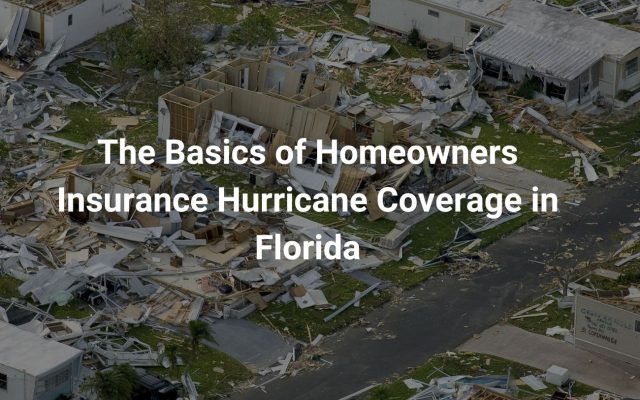
After a hurricane in Florida, repairing and rebuilding your home becomes a top priority. Contact your insurance company promptly to assess storm damage. When filing claims, document all damages with photographs and keep detailed records. Hiring reputable contractors is essential for restoring your home effectively. To ensure quality repairs, seek out professionals experienced with roof and window damage caused by high winds and flooding.
- Contact Insurance: Report damages to your insurance company immediately.
- Documentation: Take photos and videos to substantiate your claim.
- Professional Contractors: Hire experienced contractors for repairs in damaged areas.
- Materials: Use hurricane-resistant materials to strengthen your home.
Protecting Your Home Against Future Hurricanes
To prevent further damage from future hurricanes, consider retrofitting your home with impact-resistant windows and reinforced roofing materials. Securing loose outdoor items and trimming trees can minimize potential projectiles. Increased insurance coverage for flooding and wind damage may also be advisable to protect your financial interest in the property.
- Install impact-resistant windows and doors.
- Reinforce roofs and garage doors.
- Maintain landscaping to reduce debris.
- Review and update your insurance coverage.
Financial Considerations and Assistance
Understanding your insurance policy is vital for recovering compensation after a storm. Florida homeowners should be aware that policies may have specific requirements and deadlines for claims; for instance, you usually have one year to file an insurance claim after a hurricane makes landfall. Explore financial assistance options through the Federal Emergency Management Agency for additional support. Be proactive in communicating with your insurer and the Florida Insurance Commissioner office if you need help.
- Know your policy’s deadlines and requirements.
- Consider additional financial assistance through federal programs.
- Keep lines of communication open with your insurer and regulatory entities.
- Be cognizant of the possibility of payout delays and the need for interim solutions.
Work With Experts For the Best Results
Filing a hurricane damage claim can be a difficult process, but working with the right professionals can help make it much simpler and prepare you for the future. With the tips gained from this blog, you can ensure that your hurricane damage claim is handled efficiently and effectively. For further guidance, and to begin working with experienced professionals, contact Krapf Legal today!