Table of Contents
What You Need to Know About Property Damage Claims
Property damage claims in Florida present unique challenges due to the state’s vulnerability to hurricanes, floods, and other natural disasters. Understanding property damage claims is essential for every Florida homeowner or business owner to protect their investments. When your property sustains damage, knowing how to navigate the claims process can make the difference between a fair settlement and a denied claim.
In Florida, property damage claims can arise from various situations, including natural disasters, accidents, vandalism, or even construction defects. The process might seem overwhelming, but with the right knowledge, you can effectively manage your claim and receive appropriate compensation for your damages.
Types of Property Damage Claims in Florida
Hurricane and Storm Damage
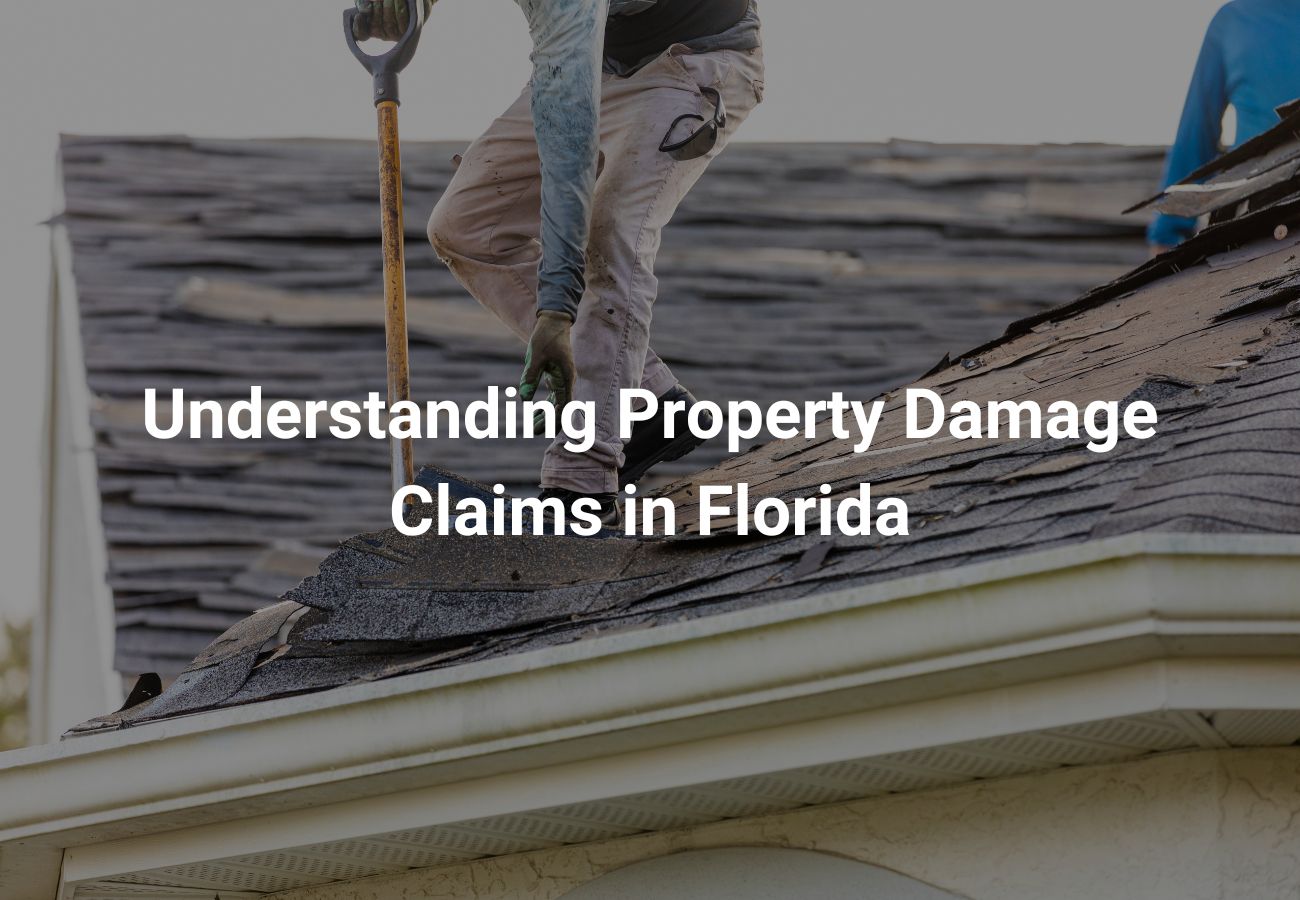
Florida’s geographical location makes it particularly susceptible to hurricanes and tropical storms. These weather events can cause extensive damage to your property through:
- Wind damage to roofs and structures
- Water intrusion and flooding
- Falling trees and debris impact
- Storm surge destruction
When filing property damage claims related to hurricanes, you should document all damage thoroughly and report it to your insurance company promptly.
Water Damage Claims
Water damage is among the most common property damage claims in Florida. Sources include:
- Burst pipes or plumbing failures
- Roof leaks
- Flooding from heavy rainfall
- Appliance malfunctions
- Sewer backups
Insurance coverage for water damage can vary significantly depending on the source of water and your specific policy. For example, standard homeowners insurance typically covers sudden and accidental water damage but excludes flood damage, which requires separate flood insurance.
Fire Damage
Fire can devastate your property in minutes. Common causes of residential fires include:
- Electrical malfunctions
- Kitchen accidents
- Lightning strikes
- Candles and heating equipment
Property damage claims for fire typically cover not only the direct fire damage but also smoke and water damage from firefighting efforts.
Mold Damage
Florida’s humid climate creates perfect conditions for mold growth. Mold damage claims often arise from:
- Untreated water leaks
- Poor ventilation
- Flood aftermath
- Air conditioning issues
Many insurance policies limit or exclude mold coverage, making these property damage claims particularly challenging to navigate.
The Property Damage Claim Process in Florida
Reporting the Damage
When your property sustains damage, you should:
- Ensure your safety first
- Document all damage with photos and videos
- Make temporary repairs to prevent further damage
- Report the claim to your insurance company immediately
Under Florida law, insurance companies must acknowledge your claim within 14 days of filing. Learn more about your legal rights during the claims process on our website.
The Insurance Adjuster’s Inspection
After filing your property damage claim, your insurance company will send an adjuster to assess the damage. During this inspection:
- Be present if possible
- Point out all areas of damage
- Provide your documentation
- Take notes of the adjuster’s comments
- Ask questions about next steps
Remember that the insurance adjuster works for the insurance company, not for you. Their assessment may not always capture the full extent of your damages.
Receiving and Reviewing the Estimate
After the inspection, you’ll receive an estimate detailing what the insurance company is willing to pay for repairs. Review this document carefully as it forms the basis of your settlement. If you disagree with the estimate, you can:
- Request a detailed explanation
- Get independent contractor estimates
- Hire a public adjuster for a second opinion
- Consider legal representation if necessary
Common Challenges with Property Damage Claims
Claim Denials
Insurance companies may deny property damage claims for various reasons:
- Policy exclusions
- Missed deadlines
- Insufficient documentation
- Pre-existing damage assertions
- Failure to mitigate further damage
If your claim is denied, carefully review the denial letter and your policy to understand the basis for denial.
Lowball Settlements
Often, insurance companies offer settlements that don’t fully cover the cost of repairs. This is a common tactic to reduce their payout. If you receive an offer that seems too low:
- Get independent repair estimates
- Document why the offer is insufficient
- Consider hiring professionals to help negotiate
Delayed Claims
Property damage claims should be processed in a timely manner. Under Florida law, insurance companies must pay or deny claims within 90 days of filing. However, delays are common, especially after widespread disasters when claim volumes are high.
How to Maximize Your Property Damage Claim
Document Everything
Proper documentation is crucial for successful property damage claims:
- Take photos and videos of all damage
- Keep a detailed inventory of damaged items
- Save all receipts for emergency repairs
- Maintain a log of all communications with your insurance company
- Keep copies of all claim-related documents
Understand Your Policy
Your insurance policy is a contract that outlines your rights and the company’s obligations. Take time to understand:
- Coverage limits
- Deductibles
- Exclusions
- Replacement cost vs. actual cash value provisions
- Special requirements for certain types of claims
Consider Professional Help
For significant property damage claims, professional assistance can make a substantial difference in your settlement amount:
- Public adjusters can help document and value your loss
- Contractors can provide accurate repair estimates
- Attorneys specializing in property damage claims can protect your rights
When to Hire a Property Damage Attorney
Complex Claims
Consider legal representation for your property damage claim when:
- Your claim involves significant damage
- You’ve received a denial you believe is unjustified
- The settlement offer is substantially lower than your actual damages
- Your insurance company is acting in bad faith
- The claims process has dragged on for an unreasonable time
Benefits of Legal Representation
A property damage attorney can:
- Evaluate your policy coverage
- Gather expert evidence to support your claim
- Handle all communications with the insurance company
- Negotiate for maximum compensation
- Represent you in litigation if necessary
Protecting Your Florida Property Investment
Understanding property damage claims in Florida is essential for protecting your investment. When disaster strikes, knowing your rights and the proper procedures can significantly impact your recovery process. By documenting damage thoroughly, understanding your policy, and seeking professional help when needed, you can navigate the claims process successfully.
Remember that insurance companies are businesses focused on profitability. While many handle claims fairly, having knowledge and appropriate representation ensures you receive the compensation you deserve for your property damage claim.
If you’re currently dealing with a property damage claim or want to ensure you’re adequately prepared for future incidents, consider consulting with professionals who specialize in Florida property damage claims. Their expertise can provide peace of mind and financial protection when you need it most.