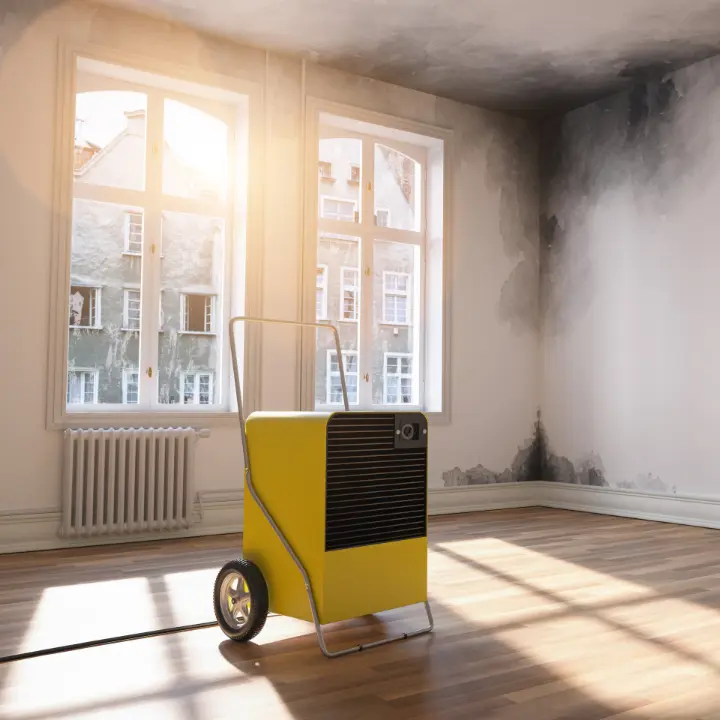
Mold can be a problematic and persistent issue in your home, especially when it comes to determining whether your homeowners insurance policy covers the costs of remediation. Typically, your homeowners insurance may cover mold damage if it is a result of a covered peril. A covered peril usually includes sudden and accidental incidents, like a burst pipe or an overflow from a malfunctioning air conditioning unit, which cause water damage that leads to mold growth.
Understanding the specifics of your policy is paramount, as coverage for mold damage is often subject to certain limitations and conditions. While policies generally do not cover mold that arises from negligence or flood damage, they may cover mold remediation up to a certain amount if it is caused by a specified covered issue. It’s important to review your insurance policy or speak with your insurance agent to confirm the extent of coverage provided for mold damage.
In some instances, additional mold coverage can be added to your insurance policy through a rider or endorsement. This could increase the limits of coverage for mold remediation, offering more protection than a standard policy. However, it’s crucial to consider the additional cost of this coverage against the likelihood and potential severity of mold problems in your home.
Understanding Your Insurance Policy
When assessing whether mold damage is covered by your insurance policy, it’s crucial to examine the specific terms regarding coverage, exclusions, and limits. By thoroughly understanding these components, you can ascertain the extent of protection against mold damages that your insurance offers.
Coverage and Exclusions
Coverage: Generally, your homeowner’s insurance covers mold damage if it’s the result of a covered peril—an incident included in your policy such as a burst pipe or other accidental water intrusion. Home insurance typically does not cover mold that results from preventable issues like persistent humidity or unnoticed leaks.
- Covered Perils might include:
- Accidental pipe bursts
- Water heater rupture
- HVAC system overflow
Exclusions: Mold that arises from scenarios like floods is not covered under standard home insurance plans. You need a separate flood insurance policy for these instances. Other common exclusions are long-term leakages and poor maintenance.
- Common Exclusions encompass:
- Flooding or natural water accumulation
- Continuous leaks from plumbing or appliances
- Deficient maintenance or neglect
Types of Insurance for Mold Damage
Your standard home insurance may have limitations on mold coverage, prompting the need for specialized insurance or endorsements to bolster your protection. Additional mold coverage can be attained through riders or endorsements, optimizing coverage and adapting to individual risk assessments.
Insurance Types to consider for added mold coverage:
- Riders/Endorsements: Tailored additions to cover specific risks like mold, beyond the basic policy
- Flood Insurance: Covers mold damage as a result of flooding, which is typically excluded in home insurance policies
Policy Limits and Descriptions
Policy Limits: The amount an insurance company will pay for mold damage can be capped. It’s imperative to understand these limits as they can significantly influence the efficacy of your coverage in the event of substantial mold remediation requirements.
- Potential Limits might include:
- Maximum payouts (e.g., $10,000 for mold remediation)
- Detached structure limitations
Descriptions: Be mindful to read the section that describes what constitutes a covered peril, what is deemed preventable (hence an exclusion), and the exact details regarding riders or additional coverage options. Increased coverage could impact your premium, but it adds a layer of protection and peace of mind.
Tip: To confirm your understanding, discuss your policy’s specifics directly with your insurer, especially concerning exclusions, limits, and coverage options.
Filing a Claim and Remediation
When you discover mold in your home, understanding the process of filing an insurance claim for mold damage and the subsequent remediation is crucial.
Steps to Filing a Mold Insurance Claim
Your first action should be to carefully review your insurance policy to confirm mold coverage. Filing a claim typically involves the following steps:
- Document the Damage: Take clear photos and videos of all mold damage.
- Notify Your Insurance Company: Contact your carrier as soon as possible to report the claim.
- Mitigation: Take reasonable steps to prevent mold growth from spreading, while avoiding any removal or repairs before an adjuster assesses the damage.
Repair and Removal Process
After the claim is filed and assessed, the mold removal and repair processes will begin:
- Seek out licensed mold removal companies who can provide professional remediation services.
- Make sure the company of choice conducts thorough containment and removal to eliminate the mold and prevent further growth.
Dealing with Insurance Companies
Navigating interactions with your insurance company can define your remediation experience:
- Be Organized: Keep detailed records of all communications, reports, and claims documentation.
- Understand Your Policy: Be aware of the coverage limits as some policies may cap mold-related damages, often between $1,000 to $10,000.
- Advocacy: If necessary, consider hiring a public adjuster or attorney to help advocate on your behalf in complex mold claim situations.
Speak With an Attorney
In conclusion, while homeowners insurance policies typically offer some level of mold damage coverage, understanding the nuances of your policy is essential for ensuring you’re adequately protected. Coverage limits, exclusions, and the specific terms of your policy can all affect your ability to claim for mold remediation. If you find the insurance landscape challenging to navigate, or if you’re facing difficulties with a mold damage claim, professional legal assistance can make all the difference.
For guidance and advocacy in dealing with your insurance company, consider reaching out to Krapf Legal. Their team specializes in wrongfully denied or underpaid mold damage claims and can help you understand your rights and the potential for additional coverage. Don’t let the complexities of insurance claims prevent you from getting the coverage you deserve. Contact Krapf Legal for a consultation to take the first step towards protecting your home and health from mold damage.