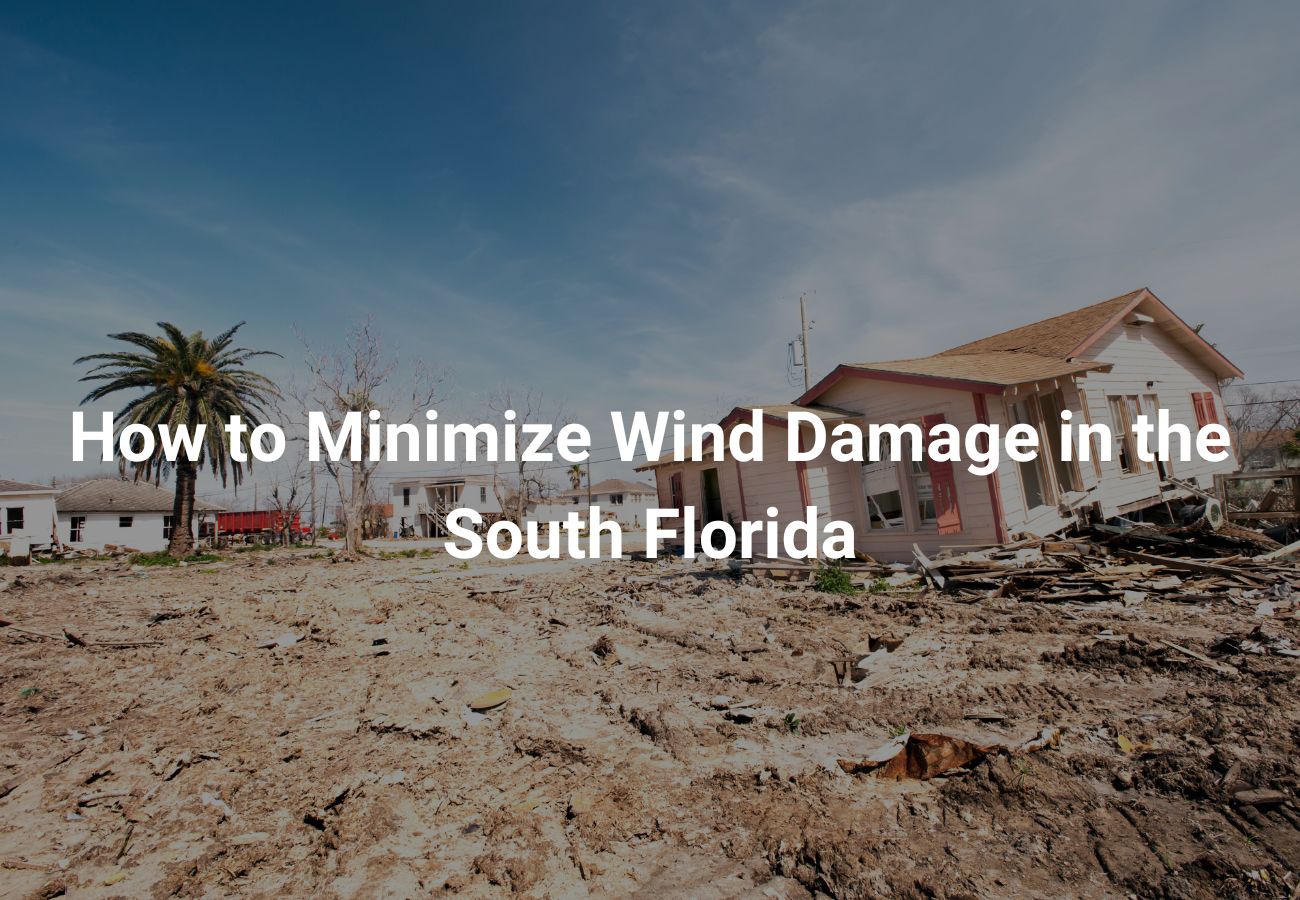
How to Minimize Wind Damage in South Florida starts with a clear plan: you anticipate fierce tropical winds, you fortify every weak point, and you keep your landscape and structures storm-ready all year. In the following guide you’ll learn exactly what steps to take—before, during, and after hurricane season—to shield your home, garden, and family from costly destruction.
1. Know Your Local Wind Threats
You live in a region where Category 1–3 hurricane winds are common, and gusts above 74 mph can turn everyday objects into projectiles. That pressure difference rips roofs, shatters windows, and topples poorly rooted trees. Recognizing these forces helps you prioritize the upgrades that matter most.
2. Design a Wind-Resistant Landscape
Choose Survivor Species
Selecting the right trees is your first defense. Wind-resistant options—such as live oak (Quercus virginiana), geiger tree (Cordia sebestena), mango, and most palm species—develop flexible trunks and deep anchoring roots that sway without snapping. In contrast, brittle varieties like eucalyptus or African tulip tree shed large limbs under stress and should be placed far from structures.
Space and Site Trees Strategically
Plant small to medium trees a safe distance from your roofline and all overhead lines. Groupings of multiple trunks can create a natural windbreak, but single giants standing alone near the house pose a higher risk. Keep root zones clear of compacted soil so anchorage can develop fully.
Build Healthy Roots
Dig planting holes only as wide as the root ball; backfill with no more than one-third organic matter mixed into native soil so roots are encouraged to grow outward, not circle in soft fill. Mulch three inches deep, leaving a bare collar around the trunk to prevent rot. Water consistently during the first dry season.
Prune for Wind Flow
A wind-smart canopy is open enough for air to pass through yet balanced around a strong central leader. Remove narrow V-crotches (<40°), crossing limbs, water-sprouts, and any dead or diseased wood. Begin these cuts while trees are young to avoid drastic “hurricane cuts” later.
3. Storm-Hardening Your Home
Reinforce the Roof
- Inspect sheathing for loose nails; re-fasten with ring-shank nails or screws.
- Upgrade to metal straps that connect rafters to wall plates.
- Install self-adhering underlayment beneath shingles for a secondary moisture barrier.
Secure Openings
- Impact-rated windows or shutters prevent internal pressurization—a major cause of roof lift-off.
- Garage-door bracing kits add steel posts that transfer wind loads into the foundation.
Anchor Outdoor Features
Tighten lag bolts on patio covers, pergolas, and fencing. Use hurricane-rated clips for carports and solar panels. Store furniture and grills in a locked shed when a watch is issued.
4. Seasonal Maintenance Checklist
Task | Frequency | Why It Matters |
Trim tree canopies to 25–30 % density | Late winter | Allows regrowth before summer storms |
Inspect roof fasteners from attic | Twice a year | Finds loosened nails before water can enter |
Clean gutters and downspouts | Quarterly | Prevents uplift caused by trapped water |
Test shutter hardware | May & August | Guarantees smooth, quick deployment |
Photograph property | June 1 & Nov 30 | Eases insurance claims after a loss |
5. 72-Hour Pre-Storm Action Plan
- Walk your perimeter. Pick up décor, toys, and loose pots.
- Lower pool water 6 inches to accommodate rainfall but do not drain completely.
- Fast-dry prune any last-minute dead limbs—dispose of debris immediately so it can’t become airborne.
- Deploy shutters or close impact glass; reinforce garage door bars.
- Charge power tools and have a chainsaw with fresh chain oil ready for post-storm cleanup.
6. Riding Out the Wind Safely
- Stay in an interior, windowless room—preferably a first-floor closet beneath stairs.
- Keep patio doors latched even if covered by shutters to avoid rattling damage.
- After the eye passes, resist heading outside; winds often shift direction sharply.
7. Post-Storm Assessment & Recovery
- Check for downed lines before setting foot outside.
- Photograph every loss—shingles, siding, tree damage—for insurance evidence.
- Conduct a tree triage. Trees leaning <15° can often be staked and saved; those uprooted or with split trunks require professional removal.
- Avoid “topping” shock. Instead, make clean reduction cuts that guide regrowth; topping produces weak, fast-growing shoots that snap in future storms
- Sanitize pruning tools with isopropyl alcohol between cuts to prevent disease spread.
Stay Ready, Stay Safe
Wind events may be unavoidable, but severe losses are not. By choosing resilient plants, shaping sturdy canopies, upgrading structural weak points, and following a disciplined maintenance routine, you give yourself the best odds against South Florida’s next gale. Act on this checklist today, and you’ll face hurricane season with confidence instead of anxiety—knowing you did everything possible to minimize wind damage in the South Florida