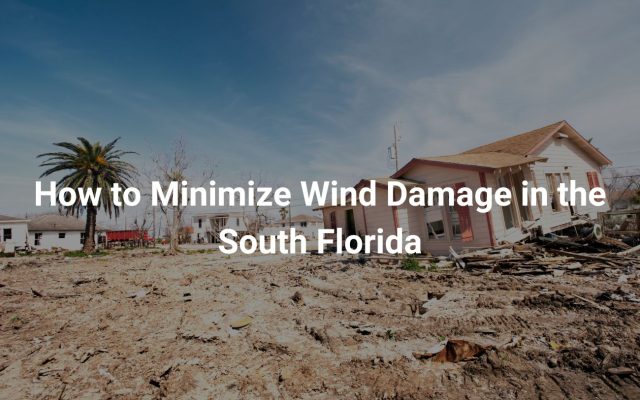
In Florida, where hurricanes are a seasonal threat, hurricane insurance is an essential coverage for homeowners. This type of insurance is designed to protect your property from the unique damages caused by hurricanes, which can include high winds and flying debris. The specific coverage that hurricane insurance provides can vary, but generally, it covers the structural integrity of your home and other buildings on the property against hurricane-related damages.
Your policy will often come with a hurricane deductible, which is commonly a percentage of the dwelling coverage rather than a flat dollar amount. This deductible is what you would pay out of pocket before your insurance coverage kicks in. The state law ensures that insurers offer you choices for your hurricane deductible, commonly at $500, 2%, 5%, or 10% of the policy’s dwelling coverage amount. Hence, it’s important to understand how this would apply in the event of a hurricane and how it affects your potential out-of-pocket costs.
Given the high average cost of home insurance in the state, Florida law mandates insurance companies to provide various deductible options in an effort to make hurricane insurance more accessible. Remember, flood damage, which is common during hurricanes, generally requires a separate policy from the National Flood Insurance Program or a private insurer. Therefore, it is crucial for you to consider both types of policies to ensure comprehensive protection for your home in the hurricane-prone climate of Florida.
Coverage Details and Limitations
When reviewing your hurricane insurance options in Florida, it’s crucial to understand what is and isn’t covered. Specifics can vary by policy, so always verify with your insurer.
Dwelling and Structural Coverage
Your insurance policy generally covers damage to your dwelling—the main house—and other structures such as garages and fences. If a hurricane damages the physical structure of your home, your policy should cover repairs or rebuilding efforts up to your policy’s limits.
Personal Property and Additional Living Expenses
Personal belongings like furniture and electronics are typically covered if they suffer hurricane damage. If you need to relocate temporarily due to uninhabitable conditions, your insurance may include Additional Living Expenses (ALE), providing funds for necessities such as lodging and food.
Policy Deductibles and Hurricanes
Hurricane insurance often has a specific hurricane deductible, which is usually a percentage of your dwelling coverage. Unlike a standard deductible, this might be 2%, 5%, or even 10% of your home’s insured value—potentially leading to significant out-of-pocket costs in the event of a hurricane.
Flood Insurance Distinctions
Remember, a standard hurricane policy typically does not cover flood damage. You’ll likely need a separate flood insurance policy, which can be purchased through the National Flood Insurance Program (NFIP) or a private insurer. This policy is crucial to protect your home and belongings from storm surge and water damage.
Insurance Costs, Claims, and Processes
In Florida, understanding the costs associated with hurricane insurance, the claims process, and adequate preparation for hurricane season are essential for protecting your home and finances.
Understanding Insurance Premiums and Deductibles
Insurance Premiums: In Florida, your average home insurance policy might cost around $4,218 annually, with typical coverage parameters including a $300,000 dwelling coverage, $1,000 regular deductible, 2% hurricane deductible, and $300,000 in liability coverage. Keep in mind, flood insurance averages an additional $544 per year through the National Flood Insurance Program (NFIP).
Hurricane Deductibles: Be aware that hurricane deductibles in Florida are usually percentage-based, ranging from 1% to 5% of your home’s insured value. For example, with a 5% deductible on a $500,000 dwelling, you’d be responsible for paying $25,000 out-of-pocket before your insurance steps in after hurricane damage.
Filing and Navigating Hurricane Insurance Claims
You need to file claims promptly after hurricane damage. Here’s what to consider:
- Documentation: Take photos and document all damages. This helps substantiate your claim.
- Public Adjusters: Hiring one might expedite your claim but they typically charge 3% to 30% of your settlement. Consider the cost-benefit situation.
- Insurance Company Notification: Notify your insurer as soon as possible to initiate the claims process.
The process may vary between insurance companies, but typically includes an assessment by an adjuster, followed by claim approval and eventual payout, provided all terms are met.
Assessing Risks and Preparing for Hurricane Season
To prepare adequately for hurricane season, which the National Hurricane Center monitors, evaluate your home’s risk and ensure your insurance covers the essentials.
- Review Your Policy: Annually, before hurricane season starts on June 1st, review your policy details, focusing on coverage limits and deductibles.
- Risk Assessment: Consult with your insurance company to assess your home’s specific risk profile and any recommended protection measures.
Being well-prepared means having sufficient coverage that matches the value of your property and an understanding of how to file a claim efficiently and effectively should the need arise.