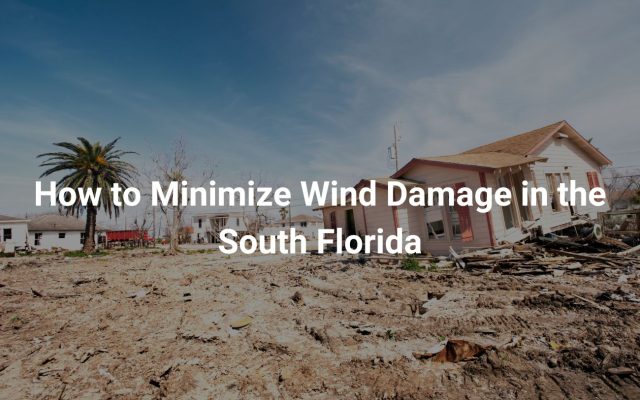
Living in Florida offers beautiful beaches and warm weather, but it also comes with the challenge of frequent hurricanes. As you consider relocating or traveling to the Sunshine State, identifying the safest regions against these storms becomes a priority.
Some areas within Florida have lower risks of hurricane impact, offering you peace of mind. Whether you are near the University of Florida or exploring other cities, knowing where these safer locations are can make all the difference in your decision-making process.
Cities in Florida with the Least Hurricane Risk (Brief Overview)
Florida is often in the path of hurricanes, yet some cities are generally less vulnerable due to their inland locations. Orlando stands out as one of the safest large cities from hurricanes, thanks to its landlocked position which weakens storms before they arrive. Most hurricanes impacting Orlando have not surpassed Category-2 intensity.
Palatka, located in Northeast Florida, is another city with a relatively low hurricane risk. Situated away from the coast, Palatka is less frequently affected by severe hurricane activity. Further north, Gainesville is shielded by its inland geography, reducing the likelihood of experiencing hurricane damage.
Leesburg is noteworthy for its exceptionally low hurricane and flood scores, making it one of the safer choices. In North Central Florida, Ocala and The Villages also offer protection from hurricanes due to their distance from the coast. These cities, along with others like Kissimmee and Sanford, benefit from being in regions that historically record lower hurricane landfalls.
Though safety levels can vary, the key to safety in Florida is preparation. Always remain alert, as unpredictability is a common feature of these powerful storms.
Count of Hurricanes in Florida
Florida has experienced a significant number of hurricanes over the years, with 173 storms reaching hurricane strength since 1887. This includes various categories from 1 to 5. The state’s position makes it vulnerable to these intense weather systems. Notable hurricanes like Hurricane Ian and Hurricane Charley have left their mark. While many parts face the frequent threat of hurricanes, there are areas with relatively fewer impacts. Cities such as Orlando, Tampa, and Jacksonville are noted for having records of fewer hurricane strikes. Your choice of residence can greatly influence your hurricane experiences in Florida.
How Frequently Do Category 5 Hurricanes Impact Florida?
Category 5 hurricanes represent the most intense storms, characterized by winds exceeding 157 mph, capable of causing extensive destruction. These storms can obliterate buildings, lead to massive coastal flooding, and inflict overwhelming property damage and loss of life. Over the years, a total of 27 hurricanes of this intensity have neared Florida since the late 19th century. Despite this high approach rate, only three Category 5 hurricanes have reached Florida’s shores.
The table below highlights significant hurricanes, including their landfall status:
Hurricane Name | Year | Landfall as Cat 5 | Landfall Location |
Michael | 2018 | Yes | Florida Panhandle |
Andrew | 1992 | Yes | Miami-Dade County |
Labor Day | 1935 | Yes | Florida Keys |
Category 5 hurricane occurrences in Florida are infrequent. Some storms have held such intensity but weakened before hitting the state.
Number of notable Category 5 hurricanes by decade near Florida:
- 1890s: None
- 1900s: One
- 1910s: One
- 1920s: Two
- 1930s: One
- 1940s: None
- 1950s: One
- 1960s: One
- 1970s: None
- 1980s: One
- 1990s: Two
- 2000s: Two
- 2010s: Three
- 2020s: One
Which Locations in Florida Face the Greatest Threat from Category 5 Hurricanes?
Cities such as Miami and regions from Fort Myers to the Everglades in Southeastern Florida are particularly vulnerable to these devastating storms. These areas have not only experienced landfalling Category 5 hurricanes but have also been impacted by storms originally classified as such, later weakening upon landfall.
Are Category 4 Storms a Concern in Florida?
What is the Count of Category 4 Hurricanes Hitting Florida?
Over the years, Florida has been in the path of several Category 4 hurricanes. While numerous powerful storms have approached the state, only three made landfall as Category 4 hurricanes.
- Hurricane Charley in 2004: This storm made a significant impact on Florida, arriving near Cayo Costa on August 13, 2004. It brought with it winds reaching 150 mph, causing extensive damage.
- Hurricane Donna in 1960: This hurricane initially struck the Florida Keys and proceeded to make another landfall near Naples, maintaining its Category 4 status through its path over the state.
- Hurricane Ian in 2022: Making landfall in Punta Gorda, Florida on September 28, 2022, Hurricane Ian wrought destruction across the region with its intense winds of 155 mph and extensive flooding.
These storms highlight the severe threat Category 4 hurricanes can pose to Florida.
Which Florida Cities Are Susceptible to Category 4 Hurricanes?
Certain areas in Florida face greater vulnerability to Category 4 hurricanes due to their geographical location. The southern regions of Florida, particularly the southeastern coastlines below Sarasota, are most at risk.
- Southern Florida: This includes cities in the southern tip such as Miami and the Florida Keys. These areas often encounter storms coming from the Atlantic Ocean.
- Southeast Coast: Areas below Sarasota, such as Fort Myers and Naples, are prone to storms that cross over from the Gulf of Mexico. These regions have seen significant impacts from past hurricanes.
Your vigilance and preparation in these high-risk areas are crucial. The experience of past hurricanes underscores the importance of readiness and awareness to mitigate the potential impacts of such powerful storms.
Should You Be Concerned About Category 3 Hurricanes in Florida?
Category 3 hurricanes are certainly noteworthy due to their capacity for serious harm, despite not being at the highest end of the hurricane scale. They pose real threats that necessitate preparedness to protect both lives and property effectively.
Count of Category 3 Hurricanes That Have Struck Florida
A total of four Category 3 storms have directly impacted Florida. Consider the following table which summarizes the impact of each storm by year, point of landfall, financial damage, and fatalities:
Hurricane | Year | Landfall Date | Landfall City | Estimated Damages (USD) | Estimated Death Toll |
Hurricane Irma | 2017 | Sep 10, 2017 | Cudjoe Key | $50 billion | 92 |
Hurricane Jeanne | 2004 | Sep 26, 2004 | Stuart | $8.1 billion | 3 |
Hurricane Dennis | 2005 | Jul 10, 2005 | Navarre | $4.7 billion | 88 |
Hurricane Donna | 1960 | Sep 10, 1960 | Naples | $387.5 million | 50 |
Locations in Florida Most Susceptible to Category 3 Hurricanes
The paths of past storms reveal varying impacts across different regions in Florida. Hurricane Jeanne was a significant event for the state’s southeast, while Hurricane Irma made landfall in the keys. The Panhandle felt the brunt of Hurricane Dennis, and Hurricane Donna impacted the southwestern region. Notably, areas such as Central Florida and the Northeast have thus far avoided hits from Category 3 hurricanes.
Should You Be Concerned About Category 2 Hurricanes in Florida?
Category 2 hurricanes, with winds exceeding 100 mph, carry a significant potential for damage, despite often being underestimated. It is crucial to remain vigilant when such storms approach Florida. These hurricanes, although less powerful than Category 3 or higher, are dangerous due to strong winds, storm surges, heavy rains, and flooding.
Which Cities Are Most Vulnerable to Category 2 Hurricanes in Florida?
Areas in the southeast, such as Port Saint Lucie and the Florida Bend area between the Apalachicola and Suwannee Rivers, often face Category 2 storms. While Category 4 or 5 hurricanes might lose strength over land, turning into Category 2, this does not make them any less concerning. The 2004 Hurricane Frances landed near Sewall’s Point, while Hurricane Wilma in 2005 made landfall near Cape Romano, highlighting the unpredictable routes such storms can take.
Which Cities Face the Greatest Risk of Category 1 Hurricanes in Florida?
Across Florida, you should assume that nearly every city is susceptible to Category 1 hurricanes. Being a peninsular state bordered by oceans, Florida’s geographic position heightens the exposure of all cities, regardless of location, to these weaker but still potentially damaging storms. Implementing safety measures and staying informed about weather updates are vital steps in reducing risk during hurricane seasons.
What About Category 1 Hurricanes in Florida?
Category 1 hurricanes are common in Florida, surpassing Category 2 hurricanes in frequency over the last 130 years. These storms bring wind speeds between 74 and 95 mph. While they have the weakest winds compared to higher categories, their potential impacts should not be underestimated.
The most significant threats include heavy rain, storm surges, and intense winds. These factors can lead to flooding, coastal flooding, structural damage, power outages, and occasionally, tornadoes. It’s important for you to take these storms seriously. Prepare by assembling a hurricane kit and following updates from local authorities to keep you and your loved ones safe. Stay alert and proactive during hurricane season.
If You Could Choose a Florida City to Minimize Hurricane Risk, Which Would It Be?
When considering a move to Florida with safety from hurricanes in mind, Orlando emerges as a prime candidate. Thanks to its inland position, Orlando is less exposed to storm surges and intense wind impacts compared to coastal regions. This geographical advantage means that hurricanes tend to weaken by the time they reach the heart of Central Florida.
For those seeking a balance between reduced hurricane risk and accessibility, Orlando offers convenient routes to both coasts, should evacuation become necessary. The region boasts not only natural advantages but also robust city amenities and infrastructure capable of handling challenging weather conditions. In particular, areas in West Orlando, including cities like Clermont, provide further protection with natural elevation reaching 300 feet, offering additional flood defense.
Choosing Orlando allows you to enjoy the perks of a city lifestyle while benefitting from a diminished hurricane threat. Although no area can guarantee complete safety, the combination of location and resources makes Orlando an intelligent choice for those prioritizing hurricane safety.
Preparing for a Hurricane
Taking proactive steps when a hurricane is approaching can minimize risks and enhance safety. Stay Informed by keeping an eye on weather alerts from trusted organizations like the National Hurricane Center. Listen to local warnings and watch for updates to stay ahead of potential threats.
Create a Hurricane Kit to ensure you have vital supplies. This should include non-perishable food, water, flashlight, batteries, a first aid kit, essential medications, cash, and important documents. Aim to have enough provisions to sustain your household for several days.
Secure Your Home by trimming trees and bushes to mitigate the risk of debris. Reinforce windows and doors, securing outdoor items that might be projectiles in high winds. This shields against damage from the storm.
For those in high-risk areas, have a Clear Evacuation Plan. Identify local routes and know the locations of shelters. This ensures you can leave safely if authorities advise evacuation.
Safeguard Important Documents by storing them in a waterproof container. Make digital backups of critical items like insurance policies and IDs to ensure you can access them after the storm.
Prepare for Power Outages with a battery-operated radio to hear news updates. Keep phones charged and have a portable power bank. This helps maintain communication during potential outages.
Consider personal safety: Plan for Pets by preparing necessary supplies. Identify pet-friendly shelters, ensuring your pets’ well-being if evacuation becomes necessary.
During the storm, Stay Indoors, away from windows and doors. Only venture outside when authorities declare it safe.
After the storm, conduct a careful Assessment for any damage to property and surroundings, being aware of hazards like downed power lines and standing water. This cautious approach aids in protecting against post-storm hazards.
Final Thoughts
Florida is an appealing option for residency due to its beauty, but like many places in the US, it deals with natural events such as hurricanes. Central Florida, including the city of Orlando, is a notable area because its inland position helps reduce the strength of these storms. Its location offers the advantage of easy access to both coasts in case evacuation becomes necessary.
In cities like Tampa, Melbourne, and Jacksonville, which are located along the coast, hurricane effects are relatively minimal compared to other parts of the Gulf Coast. These areas have demonstrated resilience despite being coastal locations. Although life on the coast brings its own challenges, these cities are often considered sturdier options.
While hurricanes remain a concern, Orlando blends city amenities with a protective inland location. For anyone living in Florida, readiness and awareness during the hurricane season are crucial measures. Adopting preventative steps can substantially enhance safety within this diverse state.
Commonly Asked Questions
When does the storm season start in Florida?
The period from June 1st to November 30th marks the primary months for storms in Florida. During these months, the likelihood of hurricanes is higher, although specific climate conditions can change annually.
Storm Season
Begins | Ends |
June 1 | November 30 |
Which month sees the most storm activity?
Typically, September is recognized as the peak month for storm occurrences in the Atlantic. A high number of hurricanes and significant storms are recorded during this time, although August and October also experience notable activity.
What is a tax-free event for storm prep?
Florida offers tax-free periods to help residents purchase essential hurricane preparedness supplies without sales tax. The state government schedules these events ahead of the storm season to promote readiness for potential impacts.
How are storm wind speeds measured?
The Saffir-Simpson scale is the standard for measuring storm intensity, categorizing hurricanes by sustained wind speeds.
Classification | Wind Speed (mph) | Wind Speed (km/h) | Damage Level |
1 | 74-95 | 119-153 | Minimal |
2 | 96-110 | 154-177 | Moderate |
3 | 111-129 | 178-208 | Extensive |
4 | 130-156 | 209-251 | Severe |
5 | 157+ | 252+ | Catastrophic |
Frequently Asked Questions
Which Areas in Florida are Seen as Having the Lowest Hurricane Risk?
When considering areas in Florida with reduced hurricane hazards, several locations stand out. Notably, cities positioned in Central Florida and the northeastern regions of the state often experience less impact from hurricanes due to their inland positions, which help to reduce the strength of approaching storms.
Is There a Florida Town Known to be Resistant to Hurricanes?
While no place in Florida is entirely immune to hurricanes, some towns have historically shown more resilience. These locations often benefit from geographical features or infrastructure that mitigate the effects of hurricanes, but complete immunity is not possible given Florida’s climate.
Where Are Some Affordable Florida Areas with Reduced Hurricane Threats to Live?
If you seek affordable living without frequent hurricane disruptions, Central Florida cities often offer a balance of cost and safety. Places like Orlando can provide more cost-effective housing compared to coastal cities, while still offering relative safety during hurricane season.
Can You Mention Top Florida Cities Considered Safe from Hurricanes?
Several cities are often recommended as safer options in Florida, partly due to their inland locations. Orlando, Gainesville, and Ocala are frequently mentioned for having a lower risk of hurricane damage, thanks to their distance from the coast and reinforcing factors that diminish storm strength.
How Do Florida’s Coastal Areas Rate Concerning Hurricane Safety?
Florida’s coastal areas typically face higher hurricane risk due to their proximity to the ocean. While scenic, these regions are often impacted more significantly by hurricanes, leading to potential evacuations and damage. Coastal safety varies greatly depending on specific locations.
Which Florida Regions Have Historically Suffered Least from Hurricanes?
Historically, the central and northeastern parts of Florida have been less affected by hurricanes. These areas tend to suffer fewer direct hits and experience lower overall hurricane intensity, which many residents find reassuring during storm season.