Homeowner insurance claims are an essential aspect of property ownership in Florida, a state known for its unique weather patterns and natural events. Your awareness of the most common claims can help you understand potential risks and ensure that your coverage meets your needs. In Florida, certain types of homeowners insurance claims occur more frequently due to the local climate, which is characterized by tropical storms, hurricanes, and frequent thunderstorms.
As you prepare to protect your home, it’s important to note that wind and hail damage lead the list of common insurance claims in the region. These elements are part and parcel of Florida’s weather, resulting in a higher likelihood of property damage for insured homes. Another notable claim type pertains to property damage, which encompasses a broad range of incidents from minor repairs to major restorations. Fire and lightning damage, while less frequent, represent some of the most costly claims, often due to the extensive repairs or rebuilding required after such events.
By staying informed about the types of homeowner insurance claims in Florida, you can better assess your policy to ensure it covers these prevalent risks. Proper insurance coverage is not just about satisfying a mortgage requirement—it’s about peace of mind and financial protection against the unforeseen incidents that can affect your home.
Common Homeowner Insurance Claim Types in Florida
Florida’s unique climate contributes to a range of insurance claims. Understanding the types most commonly encountered can help you better prepare for and potentially mitigate the risks to your home.
Wind and Hail Damage
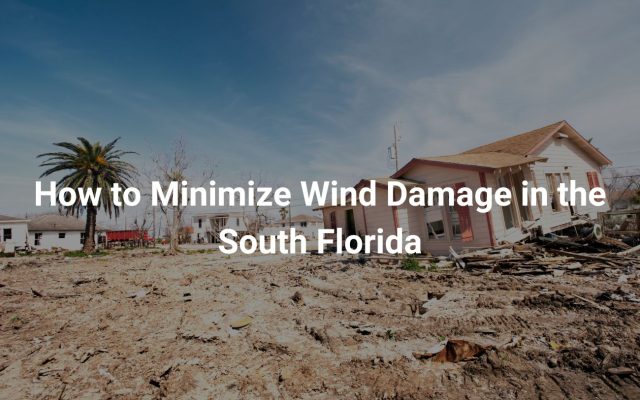
Your property in Florida is susceptible to wind and hail damage due to the state’s frequent thunderstorms and occasional violent tropical weather systems. Wind damage is prevalent, often affecting roofs, windows, and structures. Hail, though less common, can also lead to significant damage, especially to roofing materials.
Hurricane and Storm-related Claims
Hurricanes and storms are a significant concern in Florida, bringing with them a host of challenges for homeowners. When these natural disasters strike, they can cause extensive property damage. It is crucial to have hurricane coverage as part of your policy, as this can be a lifeline in the wake of destructive storms that may include flooding and wind damage.
Water Damage and Freezing
Despite Florida’s warm climate, water damage claims are relatively common and can result from issues such as plumbing leaks or appliances. While freezing is less of a concern, the potential for freezing pipes still exists, especially during rare cold snaps. Timely maintenance and proper insulation for your home can reduce the chances of these water-related damages.
Financial Aspects of Insurance Claims
When considering homeowner insurance claims in Florida, it’s important to understand the financial aspects, including the cost of claims and how these affect insurance premiums and rates.
Average Cost and Coverage
Average Cost:
- Fire and Lightning: $78,838
- Bodily injury and property damage: $31,663
- Theft: $4,646
Insurance coverage is directly proportional to the cost of claims. Higher costs often necessitate higher coverage limits. Make sure your policy’s coverage limits are sufficient to handle the common claims in Florida.
Coverage Limits:
- Think about: Structural damage, personal property, liability.
- Assess: Risk factors like location and property value.
- Review: Your policy’s coverage annually to ensure it’s adequate.
Insurance Rates and Premiums
Homeowners Insurance Premiums:
- Average National Increase: 21%
- Florida Specific Increase: 35%
Your homeowners insurance premiums can vary based on several factors:
- Claims History: More claims could equal higher premiums.
- Property Details: Includes age and construction materials.
- Discounts: Security systems and bundling insurance policies may offer savings.
Insurance Providers:
- Shop around for competitive rates.
- Consult with your mortgage lender regarding necessary coverage.
Home Insurance Rates:
- Are influenced by both the frequency and cost of claims in your region.
- Working with your insurance provider to understand your policy can offer peace of mind and financial preparedness.
Keep in mind that rates fluctuate, and insurance providers periodically reassess premiums based on current statistics and risk evaluations. It’s always wise to review your policy details to ensure you have the best coverage at the most competitive rate.
Legal and Liability Issues
When considering homeowner insurance in Florida, it’s crucial to understand your potential liabilities. Legal claims and medical payments may arise from a variety of circumstances, including backyard accidents and dog bites.
Liability Claims
Your homeowners insurance policy in Florida typically includes liability coverage, which protects you if someone is injured on your property. For instance, if a guest trips and falls in your backyard, or if your dog bites someone, your policy may cover the associated medical expenses and legal costs. It’s important to review your policy’s liability limits to ensure adequate coverage; Florida’s litigious climate can lead to substantial legal claims.
Lawsuits and Medical Payments
If an injury on your property leads to a lawsuit, your homeowners insurance can offer a defense and may cover settlement payments up to your policy limits. Medical payments coverage can provide for smaller claims without the need for legal action, covering necessary medical expenses for guests injured on your property. It’s important to note that the frequency of lawsuits in Florida, particularly concerning property claims, is relatively high, and this impacts insurance premiums in the state.
Homeowner Insurance Policies
When you acquire a homeowner insurance policy in Florida, you’re entering into a contract with an insurance company that provides financial protection against various risks to your residence, personal property, and liability. Insurance companies in the state offer a variety of policies, each with different levels of coverage.
Coverage typically includes the structure of your home, personal belongings, liability protection, and additional living expenses if you’re temporarily unable to live in your home due to an insured disaster. Specific to Florida, insurers must also offer coverage for catastrophic ground cover collapse.
Property Damage Claim: In the case of damage due to events such as fire, theft, or storms, you will file a property damage claim with your insurer to seek reimbursement as per your policy’s terms.
Credit and Insurers: Your credit score may influence your insurance premiums. A higher credit score can lead to lower premiums due to perceived lower risk.
Quadrant Information Services: Sometimes, companies like this are used to gather data for insurers, assisting in rate determination based on claims history and other factors.
It’s crucial to note that standard homeowners insurance policies do not cover flood damage. In Florida, you would need to purchase flood insurance separately through the National Flood Insurance Program or a private insurer, especially given the state’s susceptibility to hurricanes and flooding.
Given the rising costs associated with building materials and labor, coupled with inflation, policy limits and coverage should be reviewed regularly to ensure adequate protection that keeps pace with current market values.
Always review your policy details to confirm what is covered and under what circumstances, as policies and protections offered by insurance companies can differ significantly.