Florida residents are no strangers to hurricanes, with the Sunshine State enduring an average of six tropical storms and hurricanes each year. As a homeowner, you may wonder: is hurricane insurance required in Florida? While state laws don’t mandate hurricane insurance, understanding your coverage options can save you from significant financial loss. Let’s explore what you need to know about hurricane insurance and why it might be crucial for your peace of mind.
What Is Hurricane Insurance?
Hurricane insurance isn’t a standalone policy but rather a combination of different types of coverage designed to protect your property from hurricane-related damages. Typically, this includes:
- Homeowners Insurance: Covers damage caused by windstorms, which are often a major component of hurricanes.
- Flood Insurance: Protects against flooding, which is not covered by standard homeowners policies.
- Windstorm Insurance: In some areas, separate policies specifically cover wind-related damage.
In Florida, most homeowners’ insurance policies include coverage for wind damage but exclude flooding, requiring an additional policy for comprehensive protection.
Is Hurricane Insurance Legally Required in Florida?
Florida does not legally require homeowners to carry hurricane insurance. However, if you have a mortgage, your lender likely mandates specific coverage:
- Windstorm Coverage: Often required in hurricane-prone areas.
- Flood Insurance: Mandated if your home is located in a high-risk flood zone as designated by FEMA.
If you own your home outright, the choice to purchase hurricane insurance is up to you, though it’s highly recommended.
Why Hurricane Insurance Matters
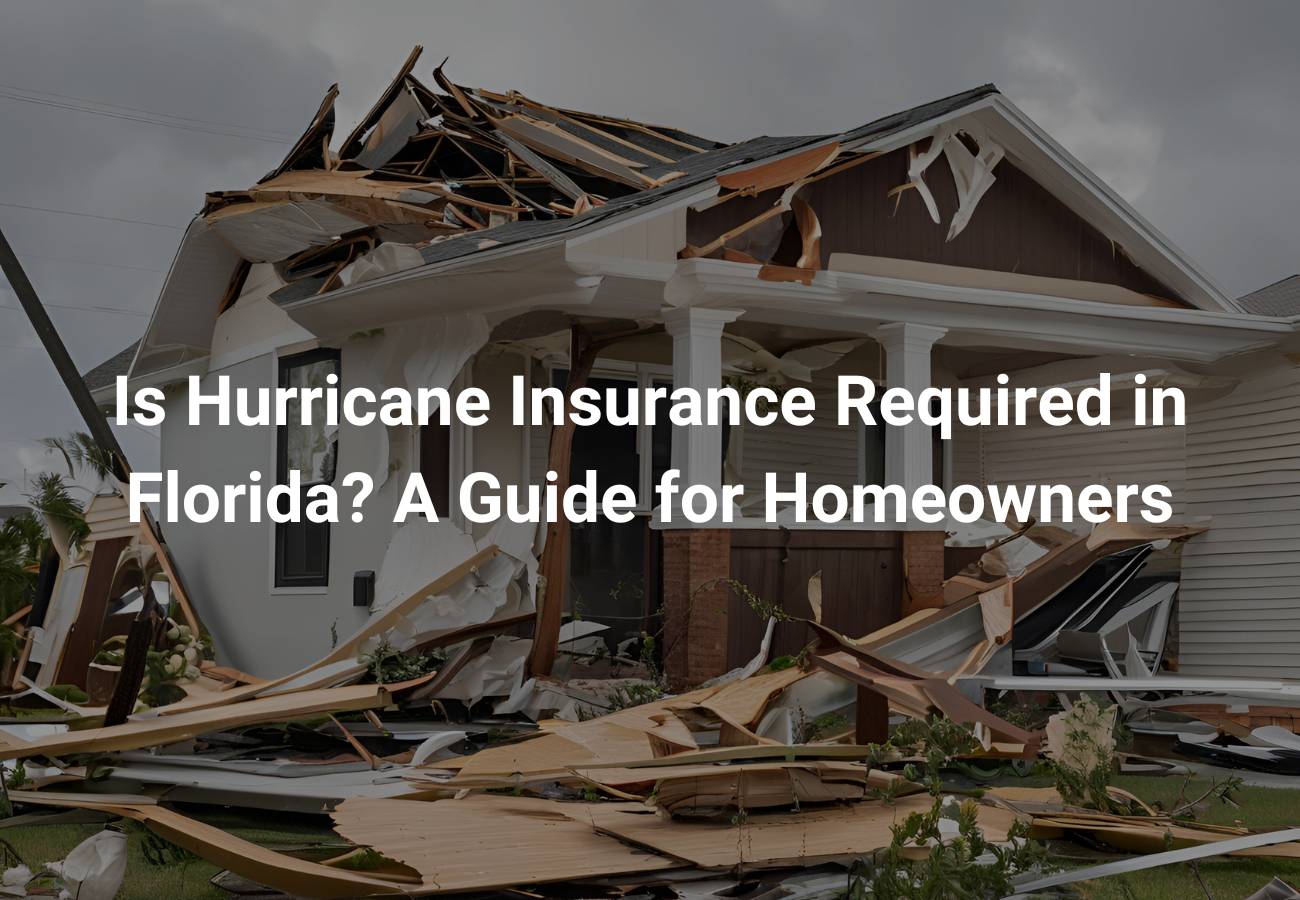
Hurricane-related damages can be devastating. In 2022 alone, Hurricane Ian caused over $113 billion in damages across Florida. Without proper insurance, homeowners faced massive out-of-pocket expenses. Here’s why hurricane insurance matters:
- Financial Protection: Covers repairs to your home and belongings after a storm.
- Peace of Mind: Knowing you’re covered allows you to focus on safety during a hurricane.
- Compliance with Mortgage Requirements: Ensures you meet lender mandates.
Key Components of Hurricane Insurance Coverage
When considering hurricane insurance, it’s essential to understand its primary components:
Wind Damage
Most standard homeowners’ policies in Florida cover wind damage caused by hurricanes. However, policies often have a separate hurricane deductible, which is higher than the standard deductible.
Flooding
Flood damage is typically excluded from homeowners’ policies. A separate flood insurance policy, available through the National Flood Insurance Program (NFIP) or private insurers, is crucial for full coverage.
Additional Living Expenses (ALE)
If a hurricane forces you to leave your home, ALE coverage can help cover temporary housing, meals, and other living costs until repairs are completed.
Factors Affecting Hurricane Insurance Costs in Florida
Hurricane insurance premiums vary based on several factors:
- Location: Coastal properties face higher premiums due to increased risk.
- Home Value: Higher-value homes require more coverage, leading to higher premiums.
- Deductible: Choosing a higher hurricane deductible can lower premiums but increases your out-of-pocket cost in the event of a claim.
- Mitigation Efforts: Installing storm shutters, impact-resistant windows, or a reinforced roof may reduce premiums.
How to Choose the Right Coverage
Selecting the right hurricane insurance policy involves assessing your risks and needs:
- Evaluate Your Risk: Use FEMA’s Flood Map Service to determine your flood zone.
- Understand Your Policy: Review your homeowners’ insurance policy to identify coverage gaps.
- Shop Around: Compare quotes from multiple insurers for comprehensive coverage at a competitive rate.
- Bundle Policies: Some insurers offer discounts when you bundle homeowners and flood insurance.
Common Misconceptions About Hurricane Insurance
“Standard Homeowners Insurance Covers Everything”
Many homeowners mistakenly believe their standard policy covers flooding. In reality, flood insurance is a separate policy.
“Flood Insurance Isn’t Necessary if I’m Not in a High-Risk Zone”
Over 20% of flood claims come from properties outside high-risk zones. Consider flood insurance even if your property isn’t in a FEMA-designated flood area.
“I Can’t Afford Hurricane Insurance”
While premiums can be costly, the financial impact of not having coverage after a hurricane often far outweighs the expense of insurance.
Preparing for Hurricane Season in Florida
Even with insurance, preparation is key. Follow these steps to safeguard your home:
- Conduct a Home Inspection: Identify and address vulnerabilities like weak roof shingles or loose gutters.
- Secure Outdoor Items: Prevent wind damage by securing furniture and other outdoor objects.
- Create an Emergency Kit: Include essentials like water, non-perishable food, flashlights, and medications.
- Develop an Evacuation Plan: Know your evacuation route and have a plan for pets.
Final Thoughts: Protecting Your Florida Home
While hurricane insurance isn’t legally required in Florida, it’s an essential safeguard for your home and financial well-being. Understanding your coverage options and preparing for hurricane season can help you weather any storm with confidence. Assess your risks, review your policies, and ensure you’re adequately protected before the next hurricane hits.