Experiencing a hurricane can be overwhelming, especially when it comes to managing the damage left in its wake. Roof damage, caused by extreme winds tearing off shingles or entire sections, is often the most common problem homeowners face after a hurricane. By understanding the types of property damage hurricanes can inflict, you can better prepare your home and minimize the impact.
Apart from roof issues, hurricanes can lead to severe interior damage due to flooding and water intrusion. This not only harms your floors and walls, but also creates a suitable environment for mold growth, posing both health risks and further property complications. Proper hurricane preparedness can be vital in preventing such damage.
Utilities and equipment, like electrical systems and heating units, are also at risk. Power surges common in hurricanes can affect these systems, leading to costly repairs. Knowing what to expect and taking proactive measures can save you time, money, and stress in the aftermath of a storm.
Identifying Common Types of Property Damage Caused by Hurricanes
Hurricanes pose significant risks to properties, causing both structural and interior damages. From roof damage to water intrusion, understanding these common issues can help you protect and restore your home effectively.
Structural and Exterior Damage
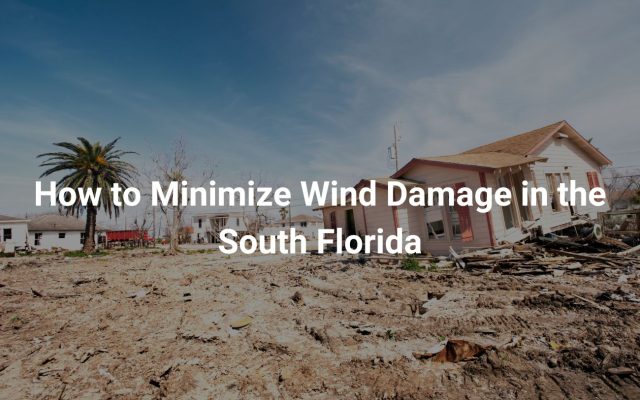
Hurricanes often inflict severe structural damage on buildings. Roof damage is a prevalent issue, with high winds capable of tearing off shingles and even entire sections of the roof. Broken windows and doors are also common, as flying debris and projectiles propelled by strong gusts can easily penetrate glass and weak points.
Exterior walls often suffer damage, particularly in older buildings that may not meet local building codes for storm resistance. Fallen trees and branches can crash into structures, compounding the damage from wind and rain. You may also observe signs of soil erosion near the foundation, compromising the stability of the building. Ensuring that your exterior is reinforced and protected against such elements is crucial.
Interior Damage and Complications
Once the exterior is breached, hurricanes typically lead to significant water damage inside homes. Water intrusion from storm surges or heavy rains can wreak havoc on floors and walls. This creates an environment ripe for mold and mildew growth, which poses health risks and further damages the interior.
Electrical damage is another concern when water reaches electrical systems and equipment, such as air conditioning units or computer equipment. With increased moisture, mold growth becomes a serious issue, requiring immediate attention to prevent potential health hazards and costly repairs. Keeping an eye on these internal complications is key to maintaining a safe and livable home environment after a hurricane.
Navigating Insurance and Professional Recovery After a Hurricane
Post-hurricane recovery involves navigating insurance claims and engaging professional services to address damages. Understanding your coverage and knowing when to seek expert assistance are essential for efficient and effective recovery.
Understanding Insurance Coverage
Start by reviewing your insurance policy to identify what is covered. Most standard homeowners insurance policies cover wind damage but may not include flood insurance. For flood-related damages, you’ll need a separate flood insurance policy.
Document the damage meticulously—take photos and note any structural issues or water damage. This evidence helps substantiate your insurance claim. Communicate clearly with your insurance adjuster, clarifying what is covered and understanding the claims process timeline.
Promptly report your claim to ensure a swift response. Keep a detailed record of all communications with your insurer and adjuster for reference. Knowing your options and rights within your coverage aids in navigating potential disputes over the cause and extent of damage.
Seeking Professional Help for Remediation and Repair
Engaging professional help is crucial for certain types of damage. Mold and mildew can quickly develop in damp areas, requiring specialized remediation services. Look for licensed professionals experienced in hurricane recovery and remediation to ensure proper handling.
For structural repairs, seek contractors with expertise in hurricane damage repairs. Verify their credentials and get multiple estimates to ensure fair pricing. Professionals can also assist in completing necessary documentation for your claims.
Acting quickly to address these issues helps prevent further damage and ensures your home is safe. By combining expert assistance with insurance recovery practices, you can restore your property efficiently during hurricane season.