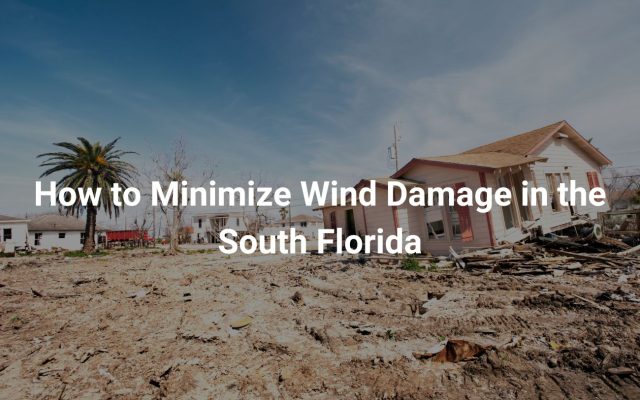
Dealing with storm damage can be overwhelming, but understanding your insurance options can significantly ease the process. One of the first steps you should take after experiencing storm damage is to thoroughly assess and document the condition of your property. This is crucial for filing an insurance claim effectively and efficiently.
Understanding the details of your homeowners insurance policy can make a significant difference in how smoothly your claim process goes. Look for specific coverage such as wind or hail damage, which may have separate deductibles. Having a clear picture of your policy’s coverage will help ensure you know what to expect financially from your insurer.
Contacting your insurance provider promptly after a storm is important. They can guide you in the claims process and inform you of the documentation needed. By staying informed and proactive, you can streamline the journey from damage assessment to compensation, making recovery a more manageable endeavor.
Understanding Storm Damage and Coverage
Storm damage can encompass various types, including hail damage, roof damage, and the effects of lightning strikes. Assessing your insurance policy is crucial to determine what damages are covered and any limitations. Different aspects of your home, from dwelling to personal property, could be affected.
Determining Insurance Coverage for Different Types of Storm Damage
When reviewing your policy, examine dwelling coverage for damage to the structure itself, such as roof damage from hail or wind. Personal property coverage typically addresses damage to your belongings. For example, water damage from leaks caused by storms might be covered. It’s also important to know if your policy includes loss of use coverage for temporary living expenses if your home becomes uninhabitable.
Ensure that your insurance covers power surges or damage from lightning strikes. Many policies exclude certain water-related claims, so consider purchasing separate flood insurance if applicable, particularly in flood-prone areas. Keep an inventory of your insured items to streamline claims if storm damage occurs.
The Role of Homeowners Insurance in Storm Damage
Homeowners insurance is the primary resource for covering storm-related damage. This typically includes wind and hail damage to your home’s exterior, along with damage to personal belongings caused by these events. To start the claims process, document the damage with photos and contact your insurance provider immediately.
Your policy should specify the extent of coverage for specific storm-related incidents like roof damage, ensuring repairs are handled efficiently. Know the process for invoking loss of use coverage, which helps with accommodation costs if your house becomes unliveable. Understanding these elements can prevent unexpected expenses during trying times.
Limitations and Exclusions in Storm Damage Claims
It’s crucial to understand the limitations within your policy. High-risk areas might see exclusions for certain types of water damage, including flooding, necessitating additional flood insurance. Policies might set sub-limits for other storm-related damage, affecting the amount you can claim for specific losses.
Another common exclusion is damage caused by neglect, such as not maintaining the roof, which could affect claims for hail damage. Be aware of deductibles for different types of storm damage claims. Reviewing these limitations in advance can help you prepare and ensure comprehensive protection against diverse storm threats.
The Insurance Claims Process
Filing a storm damage insurance claim involves several clear steps that ensure you receive the appropriate compensation from your provider. Understanding and effectively managing these steps can ease the process and enhance your chances of a successful claim.
Steps to File a Storm Damage Insurance Claim
Start by contacting your insurance company through their claims hotline. This initiates the process and allows you to receive guidance on securing your property and beginning the necessary documentation. Checking your policy for coverage details is crucial. Make a list of damaged property along with photos or videos as evidence. Keep receipts and notes of temporary repairs or expenses, which might be reimbursed as part of your claim.
Working with Insurance Adjusters
An adjuster is pivotal in assessing the extent of the damage to determine compensation. You’ll coordinate appointments for their inspection and discuss the damage’s impact. Consider hiring a public adjuster if dealing with complex claims, especially if there’s disagreement about compensation. They can provide a second opinion and negotiate on your behalf. Maintain communication with your adjuster and be prepared with all supporting documentation during their visit.
Understanding the Role of Documentation in Claims Approval
Accurate documentation is essential to a successful storm damage claim. Photographs, videos, and receipts serve as evidence of your losses and help verify your claim. Organize all documents properly to make the process smoother. Detailed records of all interactions with your insurance company and adjusters are important to track the progress and address any disputes. Ensuring every aspect of the damage is documented thoroughly can expedite approval and payment.
Managing Repairs and Reimbursements
After your home experiences storm damage, managing repairs and understanding your reimbursement options become crucial steps. You need to carefully assess the damage, select reliable repair services, and navigate through the compensation process with your insurance provider.
Assessing the Damage and Selecting Repair Services
Begin by inspecting your property for structural damage or other issues that need immediate attention. Structural damage can compromise the safety of your home, so prioritizing this is essential. Conduct thorough checks to identify both visible damage and any hidden structural issues.
List all the damaged property and take photographs to document the extent of the damage. This documentation is vital for filing a storm damage insurance claim. Obtain repair estimates from reputable contractors, focusing on detailed evaluations to ensure all damage is noted. Selecting a qualified contractor is crucial; look for those with experience in storm-related repairs to avoid substandard work. Consider temporary repairs to prevent further damage while waiting for permanent solutions, but keep your insurer informed about these costs.
Receiving Compensation and Understanding Reimbursement Options
When it comes to compensation, you need to understand the difference between replacement cost and actual cash value. Replacement cost covers the expense of repairing or replacing damaged property without depreciation, while actual cash value takes depreciation into account, potentially affecting the payout you receive.
Carefully review your insurance policy to know what is covered. This includes assessing your deductible and understanding any limitations or exclusions in your policy related to storm damage. Document all communication with your insurer, and keep records of repair-related expenses.
For the reimbursement process, consistently checking in with your insurance provider and ensuring all necessary paperwork is submitted promptly can facilitate a smoother claims experience. Being informed about the storm damage insurance claim process and knowing your options for home repairs and temporary solutions helps you manage this stressful time effectively.
Additional Considerations During a Storm Damage Claim
When managing a storm damage claim, several elements are important to address, including additional living expenses and understanding deductibles. These considerations are essential to ensure you effectively navigate the claims process.
Handling Additional Living Expenses and Temporary Housing
If your home has been rendered uninhabitable, your insurance policy may cover additional living expenses. This coverage helps with costs incurred while living away from your home, such as hotel bills or rent for temporary housing.
Document all related expenses thoroughly. Keep receipts for meals, fuel, and housing to support your claim. Check if your insurance will offer compensation for costs like boarding your pets or storing belongings during repairs.
Be aware of limits set on temporary housing coverage. Some policies cap the amount and duration, so confirm these details with your insurer early in the process.
Dealing with Deductibles and Policy Limits
Understanding your policy’s deductibles and limits is key to managing your financial responsibilities. A hurricane deductible, often higher than standard ones, might apply in case of severe storms.
Be prepared to cover costs out of pocket until the deductible is met. Know your policy limits, as they dictate the maximum compensation for property damage, including damage from fallen trees.
Insure your dwelling and other structures adequately, considering the area prone to storm-related incidents. Immediate repairs might be necessary for safety, but consult with your insurer on allowable expenses before proceeding.