Table of Contents
When you think about the worst hurricane in Florida, you might immediately picture swirling winds, towering storm surges, and entire communities fighting to stay safe. Florida’s hurricane history is indeed rich with fierce storms, some of which have carved their names into the annals of natural disasters. In your quest to understand these monumental tempests, you’ll not only discover their staggering impact but also learn valuable lessons for staying prepared and resilient.
These entries are just a handful of the many hurricanes Florida has faced over the past century. Each storm teaches you new lessons about preparedness, from how well your home can stand up to hurricane-force winds to how you and your community handle large-scale evacuations.
Why Hurricanes Matter to You
Hurricanes aren’t just about headlines and statistics—they can disrupt your daily life in ways you may never have imagined. Power outages, flooded neighborhoods, and long-term property damage can affect you and your loved ones for years. By understanding the hurricanes that have shaped Florida’s past, you equip yourself with the knowledge to respond effectively in the future. Preparedness starts with awareness, and there is no better teacher than history.A Look Back: How Florida Became Hurricane Central
Florida’s position between the Gulf of Mexico and the Atlantic Ocean makes it a magnet for intense storms. Warm ocean waters fuel tropical systems, turning them into life-threatening hurricanes that can grow rapidly and sweep across the peninsula. Over time, Florida has witnessed hurricanes that defined entire generations. From the early 20th century until now, each massive storm has taught you—whether you live in the state or not—just how powerful nature can be.Hurricane Andrew: The Worst Hurricane in Florida’s History
The Storm That Changed Everything
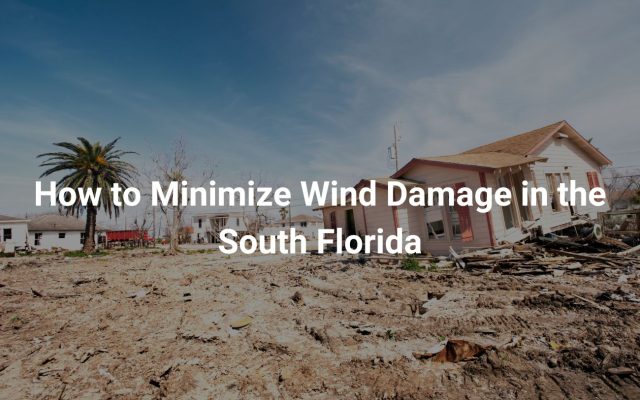
Many would argue that Hurricane Andrew was the worst hurricane in Florida’s history. Striking in August 1992, Andrew formed quickly in the Atlantic before barreling into South Florida’s Homestead area. You likely know it as one of the most destructive storms in the United States, causing tens of billions of dollars in damage at the time and leaving scars that remain visible today.Andrew’s Profound Impact
Your life, whether directly or indirectly, has been touched by the legacy of Hurricane Andrew. The storm prompted massive changes in building codes, especially across South Florida counties. Stronger roofing regulations, reinforced windows, and stricter inspection processes all sprang from Andrew’s catastrophe. If you’ve bought or rented a home in a hurricane-prone area since 1992, there’s a good chance it was built or retrofitted according to guidelines shaped by Andrew’s aftermath.A Lesson in Resilience
When Hurricane Andrew landed, entire neighborhoods were flattened. However, Floridians rallied, showing that while natural disasters can be devastating, communities can also come together in powerful ways. Volunteers, rescue crews, and international organizations poured into the region, teaching you the importance of unity and cooperation in the face of adversity. Over the years, Andrew’s story has become an example of what Floridians—and people everywhere—can accomplish when they stand together against nature’s fury.Other Notable Storms: From Past to Present
While Hurricane Andrew stands out as the most destructive in many respects, it’s far from the only notorious hurricane to ravage Florida. The Sunshine State’s geography has put it at the center of countless storms over the years. In order to help you gain a well-rounded understanding of the state’s hurricane history, here is a list of additional destructive hurricanes, along with key details to keep in mind.The Great Miami Hurricane (1926)
Long before modern technology, the Great Miami Hurricane of 1926 slammed into South Florida. With fewer ways to forecast storms, residents were caught unprepared. The hurricane destroyed properties and caused widespread flooding, particularly in coastal areas. You can look to this storm as a reminder of how critical advanced warning systems and preparedness plans are today.Labor Day Hurricane (1935)
You might have heard of the Category 5 Labor Day Hurricane, which remains one of the most intense hurricanes on record in the Atlantic Basin. It smashed into the Florida Keys, taking hundreds of lives and obliterating infrastructure. This hurricane reminds you that, although Florida is used to big storms, the intensity can still catch you by surprise.Hurricane Charley (2004)
In 2004, Florida was hit by multiple hurricanes, and Charley was among the most destructive. Moving quickly through the southwestern coast, it took only hours to devastate Punta Gorda and its surroundings. You might recall seeing images of collapsed roofs, shattered windows, and overturned boats. Charley’s swift path demonstrated how a hurricane’s speed can magnify its element of surprise.Hurricane Irma (2017)
More recently, Hurricane Irma tore across the Florida Keys before moving up the peninsula. For days, you watched forecasts showing Irma’s ever-shifting path, which underscored how unpredictable these storms can be. In the end, massive evacuations, widespread power outages, and flooding illustrated that even with advanced forecasting tools, nature can still create unimaginable chaos.Quick Reference Table: Major Florida Hurricanes
To give you a succinct overview, here is a table listing some of Florida’s most notable hurricanes, including the date of impact, year, category, primary location affected, and maximum sustained wind speeds. Reviewing these details can help you see patterns and realize that proactive steps can make a big difference in storm preparedness.| Hurricane Name | Date of Impact | Year | Category | Location | Wind Speeds |
| The Great Miami Hurricane | September 17 | 1926 | 4 | Southeastern Florida (Miami) | ~150 mph |
| Labor Day Hurricane | September 2–4 | 1935 | 5 | Florida Keys | ~185 mph |
| Hurricane Andrew | August 24 | 1992 | 5 | South Florida (Homestead) | ~165 mph |
| Hurricane Charley | August 13 | 2004 | 4 | Southwest Florida (Punta Gorda) | ~150 mph |
| Hurricane Wilma | October 24 | 2005 | 3 | South & Southwest Florida | ~120 mph |
| Hurricane Irma | September 10 | 2017 | 4 | Florida Keys, Statewide | ~130 mph |
Understanding the Aftermath: What Happens Post-Storm
Economic Ramifications
When a hurricane strikes, it doesn’t just disrupt tourism; it can break supply chains, ruin agricultural fields, and require billions of dollars in disaster relief. You might notice fluctuations in housing costs, insurance premiums, and even grocery prices, especially if you live in Florida or nearby regions. Recognizing these patterns can help you adapt and plan financially.Psychological and Community Effects
Hurricanes can take a toll on your mental health and the social fabric of your community. Prolonged anxiety leading up to the storm and the stress of rebuilding afterward can weigh heavily on everyone. Still, communities often find renewed solidarity—people come together to organize fundraisers, share resources, and assist neighbors who lost homes or possessions. You can use these stories as inspiration for how to remain emotionally resilient.Environmental Impact
Storm surges can introduce saltwater into freshwater ecosystems, and floods may uproot vegetation. Animal habitats are also jeopardized, with many species forced to relocate or perish. You might notice these changes in your area when wetlands shift, invasive species spread, and beaches erode. Understanding the hurricane’s environmental footprint can encourage you to support local conservation efforts and be more mindful of how you treat the environment.Protecting Yourself and Your Home
Prepare Well in Advance
Your readiness plan should start weeks—if not months—before hurricane season. Stock up on non-perishable foods, water, flashlights, batteries, and necessary medications. Keep vital documents in watertight containers. Even if you only experience a brush with the storm, having these items on hand will offer you peace of mind.Secure Your Property
Stronger doors, storm shutters, and reinforced roofs are crucial if you live in a hurricane-prone zone. Trimming trees around your house can reduce the risk of branches damaging your property. Research local building codes and follow recommendations to make your home more resistant to high winds.Have a Clear Evacuation Plan
Knowing when and where to evacuate can save your life. Map out several routes and keep a bag of essentials prepared so you can leave quickly if evacuation orders come through. Don’t forget to include plans for pets and family members with special needs. Communication is key—make sure you have a contact plan so you can reconnect with loved ones if you get separated.Stay Informed
Radio and smartphone alerts are essential for receiving up-to-the-minute bulletins. Weather patterns can shift rapidly, and what was once a safe zone may suddenly find itself under a storm warning. Rely on trusted local authorities for guidance on evacuations, curfews, and post-storm cleanup efforts.Learning From the Worst Hurricane in Florida
Yes, Hurricane Andrew stands as a stark reminder of how formidable nature can be. Its staggering impact on infrastructure and policy has shaped how Florida prepares for hurricanes today. That legacy can guide you. Every storm is a test of resilience, and every recovery is a masterclass in adaptation. By remembering the past and acting now, you place yourself in a better position to face future challenges.Your Final Word on Florida’s Fiercest Storms
Reflecting on the worst hurricane in Florida does more than satisfy a historical curiosity—it equips you with the insights to stay safe and prepared. Each storm, from the catastrophic might of Andrew to the record-breaking intensity of the Labor Day Hurricane, highlights a different aspect of how you can protect your family, your home, and your community. By studying these events, you become more resilient, adaptable, and ready to come together with fellow residents whenever nature decides to test Florida’s shores again.
0