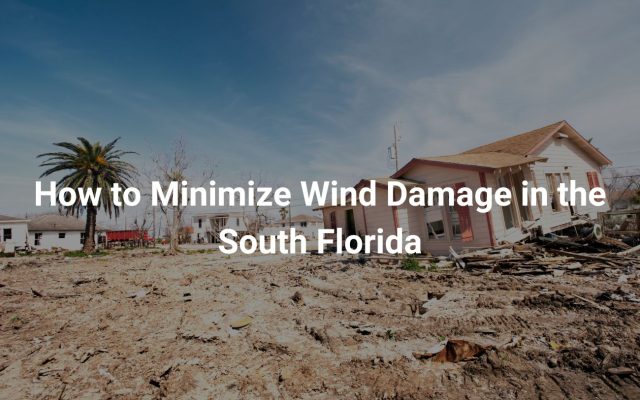
Wind can be a powerful force of nature, causing significant damage to homes and property. As a homeowner, you might wonder if your insurance policy has your back when it comes to wind-related destruction. Most standard homeowners insurance policies do cover wind damage to your home, including damage to your roof, siding, and windows.
Understanding the extent of your coverage is crucial. Your policy’s dwelling coverage typically helps pay for repairs or replacement of structural damage caused by wind events. Additionally, personal property coverage may assist in replacing items inside your home that are damaged or destroyed by wind.
It’s important to review your specific policy details, as coverage limits and exclusions can vary. Some policies in high-risk areas might have separate deductibles for wind damage or may exclude certain types of wind-related incidents. You should also be aware that flood damage, even if caused by a windstorm, is generally not covered by standard homeowners insurance and may require a separate policy.
Understanding Wind Damage Insurance Coverage
Wind damage can significantly impact homes, making insurance coverage crucial for homeowners. Policies vary in their approach to wind-related risks, with some offering comprehensive protection while others may have limitations.
Nature of Wind Damage and Home Insurance
Wind damage occurs from various weather events like hurricanes, tornadoes, and thunderstorms. Standard homeowners policies often cover wind damage, but coverage can differ based on your location and insurer. High-risk areas may require separate windstorm insurance or face higher deductibles for wind-related claims.
Windstorm policies specifically protect against damage from high winds, hail, and wind-driven rain. These may be necessary in coastal regions or areas prone to severe storms. Some insurers offer wind mitigation discounts for homes with features that resist wind damage, such as reinforced roofs or impact-resistant windows.
Policy Inclusions and Exclusions
Most homeowners policies cover wind damage to your dwelling, other structures on your property, and personal belongings. This typically includes roof damage, broken windows, and damage from falling trees. Your policy’s dwelling coverage usually protects the house itself, while other structures coverage applies to detached garages or fences.
However, policies may exclude certain types of wind damage or have specific limits. For example:
- Flood damage from storm surge is typically not covered
- Some policies exclude damage from named storms
- There may be separate, higher deductibles for wind/hail claims
Review your policy carefully to understand your coverage limits and any exclusions. Consider additional endorsements or separate policies if you need more protection against wind risks in your area.
Factors Impacting Wind Damage Insurance
Wind damage insurance coverage can vary based on several key factors. These include the specific costs and deductibles associated with your policy, as well as special considerations for homes in high-risk areas.
Insurance Costs and Deductibles
Insurance costs for wind damage coverage depend on your location and property type. Premiums tend to be higher in areas prone to severe storms. Deductibles play a crucial role in your out-of-pocket expenses for wind damage claims.
Many policies have a flat deductible for wind damage. However, some insurers use percentage-based deductibles for named storms or hurricanes. These can range from 1% to 5% of your home’s insured value.
For example, if your home is insured for $300,000 with a 2% hurricane deductible, you’d be responsible for $6,000 before insurance kicks in. It’s important to review your policy’s deductible structure carefully.
Coverage Options for High-Risk Areas
If you live in a high-risk area for windstorms, you may need additional coverage options. Some states offer specialized windstorm insurance programs.
The Texas Windstorm Insurance Association, for instance, provides coverage for coastal properties that may be excluded from standard policies. In other high-risk regions, you might need to purchase separate windstorm insurance.
Consider these options:
- Replacement cost coverage for your home and belongings
- Additional living expenses coverage if wind damage makes your home uninhabitable
- Flood insurance, as standard policies don’t cover flood damage from storms
Remember to review your policy annually and adjust your coverage as needed to ensure adequate protection against wind damage.