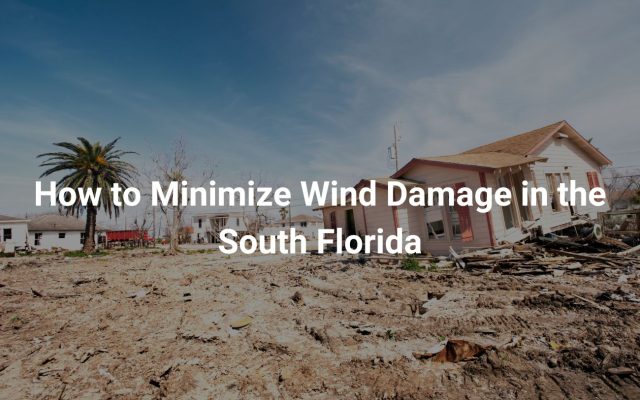
Wind damage to roof shingles is a common yet often overlooked issue that can lead to significant problems if not addressed promptly. High winds from storms, hurricanes, or straight-line winds can lift and remove shingles, causing leaks and reduced protection for your home. It’s essential to recognize the signs of wind damage, such as loose, curling, or missing shingles, to take swift action.
Regular roof maintenance is crucial in preventing costly repairs down the line. Make visual inspections part of your post-storm routine; look for creased tabs, granule loss, and damaged soffit or fascia. Identifying and repairing wind damage early can save you from more extensive damage and hefty repair bills.
Understanding your insurance policy can further aid in managing roof repairs. Many insurance claims stem from wind damage, and knowing what your policy covers can ease the financial burden. Ensure your roof is in good condition, as maintenance can impact claim approvals. Keep your roof well-maintained, and you’re more likely to secure insurance support when needed.
Understanding Wind Damage to Roof Shingles
Wind damage to roof shingles can result from various weather events, including hurricanes and tornadoes. Knowing how different wind speeds affect your roofing system and the signs of damage like missing or curling shingles is essential.
Types and Effects of Wind on Roofs
Strong winds can lift, curl, or tear shingles from your roof. Wind speeds of 40-50 mph may already cause issues, particularly on older or poorly maintained roofs. During hurricanes or tornadoes, winds can exceed 75 mph, causing significant damage.
Uplift occurs when wind pressure forces shingles to rise. This weakens their attachment to the roof deck, making them more likely to detach completely. Additionally, sections with previously weakened shingles become more vulnerable. Effects include water infiltration and insulation damage, leading to costly repairs.
Identifying Signs of Wind Damage
You may notice missing shingles after a strong wind event. Inspect your yard for fallen shingles, which indicates that sections of your roof are now exposed. Curling shingles are also a common sign; they may bend at the edges, exposing the underlayers.
Look for tears or cracks that can develop when wind places stress on the shingle material. Water stains or leaks inside your home can signal that wind-damaged shingles are allowing moisture in. Regular inspections help you catch these signs early, preventing more extensive damage.
Assessing and Managing Roof Damage
When a storm hits, it’s crucial to assess and manage any roof damage promptly to protect your home. Key steps involve inspecting the roof for damage and knowing when to call in professional help.
How to Conduct a Roof Inspection After a Storm
Start by visually inspecting your roof from the ground. Look for obvious issues like missing shingles, displaced shingles, and debris. Binoculars can be useful for a closer look without climbing onto the roof.
Next, check for signs of water damage inside your home. Inspect ceilings and attic spaces for leaks or stains. Water stains can indicate more serious damage that needs immediate attention.
If it’s safe, consider conducting a closer inspection by going up to the roof. Wear appropriate safety gear and focus on identifying problems such as punctures, tears, or loose shingles. Pay special attention to areas around chimneys, skylights, and vents where damage is commonly found.
Temporary Fixes and When to Call a Professional
If you identify damage, you can perform some temporary fixes to prevent further issues. Use roofing tape or tarps to cover any leaks or exposed areas. Make sure to secure these materials well to withstand additional weather conditions.
However, for significant damage, it’s essential to consult a professional roofer or contractor. Look for licensed and insured professionals to ensure quality repairs. Professional assessment might reveal underlying problems that aren’t immediately visible during a DIY inspection.
Contact your insurance company to verify coverage and initiate a claim if the storm damage is substantial. Document all the damage with photographs and keep receipts for any temporary repairs to streamline the insurance process. Knowing when professional help is needed can save you from further complications and maintain the integrity of your roof.
Enhancing Roof Durability Against Wind
Strengthening your roof against wind damage involves selecting the right materials and optimizing the design to withstand high wind speeds.
Selecting Wind-Resistant Roofing Materials
Using wind-resistant roofing materials is crucial for durability. Metal roofs are highly recommended because they offer excellent resistance to high winds, often exceeding 120 mph. Asphalt shingles labeled as wind-resistant are also a reliable and cost-effective choice. They can endure wind speeds of 110-130 mph, depending on their rating.
Impact-resistant shingles go a step further by reducing the likelihood of damage from debris carried by strong winds. Tile shingles provide durability but come with higher installation costs. Prioritize quality over cost to ensure longevity and protection for your roof.
Improving Roof Design for Better Wind Resistance
Proper roof design significantly improves wind resistance. Hip roofs are an excellent design choice as they perform better against high winds compared to gable roofs. This is due to their aerodynamic shape, which reduces wind uplift forces. Incorporate a continuous load path in the roof structure to ensure all elements work together to resist wind forces.
Overhangs should be minimized as they are prone to uplifting forces. Ensure proper installation techniques are followed, including the use of roof sheathing with adequate thickness and nailing patterns recommended by standards. Wind braces and reinforced connections add additional stability, further enhancing protection against wind damage.
Financial and Insurance Considerations
When dealing with wind damage to roof shingles, understanding your insurance coverage and the potential costs associated with repairs and replacements is essential. Navigating insurance claims and managing repair expenses can alleviate significant financial burdens.
Understanding Insurance Coverage for Wind Damage
Homeowners’ insurance policies generally cover wind damage, including shingles that are blown off the roof. Wind damage is typically included under dwelling coverage. It is important to read your policy carefully to know the specifics.
After a wind event, contact your insurance company immediately. An adjuster will likely inspect the damage. This inspection determines the extent of the damage and the amount covered by your policy. Some policies might offer the opportunity to upgrade roofing materials, offering more durability and potentially lowering future premiums.
Costs Associated With Repair and Replacement
The costs of repairing or replacing wind-damaged shingles vary based on several factors. These include the extent of the damage, the type of shingles used, labor costs, and geographic location. On average, minor repairs might cost a few hundred dollars, while a full roof replacement can run into the thousands.
Warranties from the shingle manufacturer may cover some repair costs if the shingles are relatively new. However, warranties typically do not cover wind damage if the shingles have been improperly installed or maintained.
Keep all receipts and documentation of the repairs for your insurance claim. This documentation helps ensure you receive the appropriate compensation for covered repairs. Researching local roofing contractors and obtaining multiple quotes can also help manage costs.