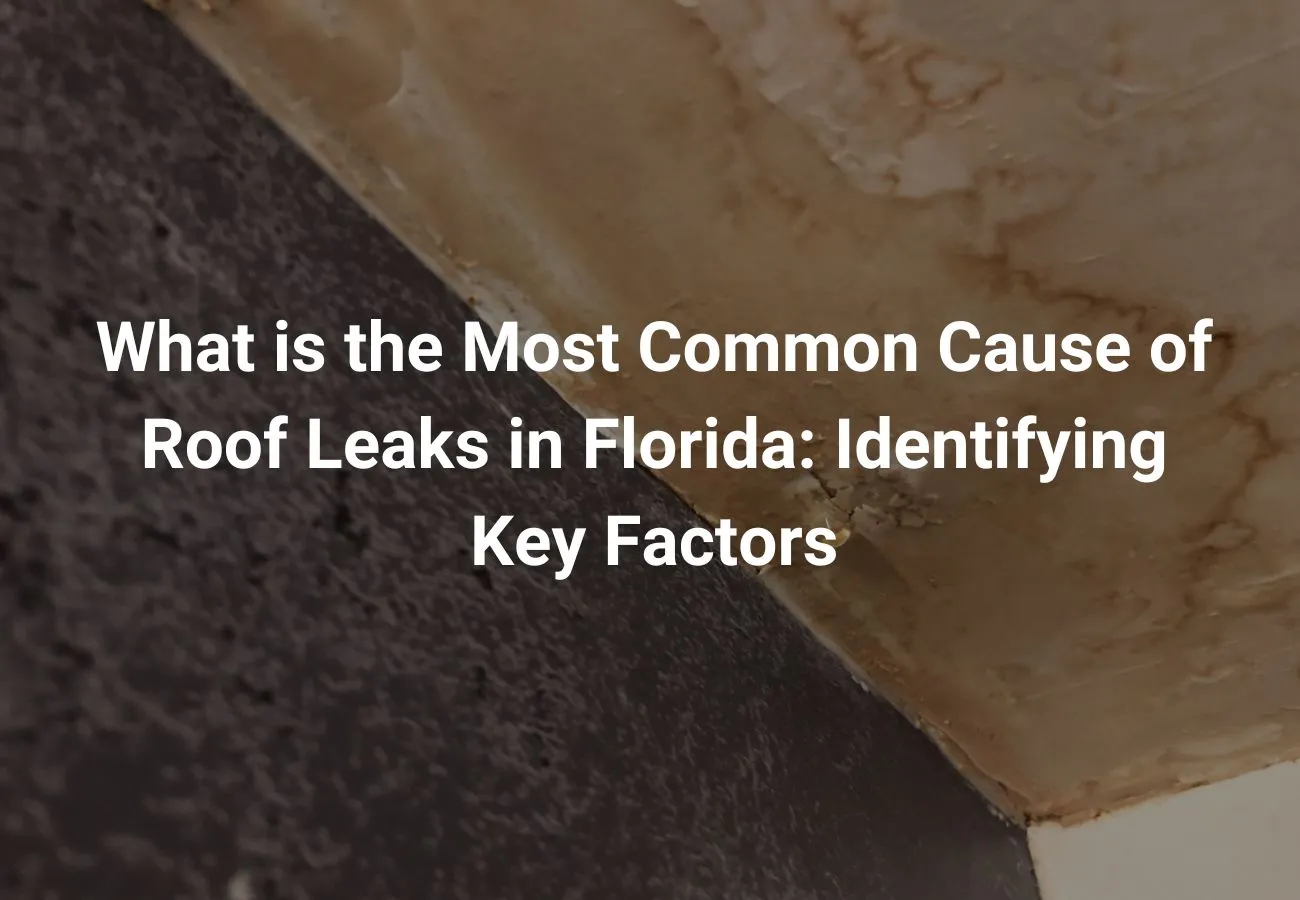
In Florida, your roof faces a unique set of challenges that can lead to leaks, an issue that is both common and potentially damaging to homes. The most prevalent cause of roof leaks in Florida is weather-related damage. Due to the state’s susceptibility to heavy rains, high winds, and even hurricanes, your roof can take a significant beating. Over time, this can lead to wear and deterioration, increasing the likelihood of a leak.
Understanding the common causes of your roof leaks is critical to maintaining the integrity of your home. Apart from weather-induced damage, poorly installed or aged roofing materials can also contribute to leaks. Regular maintenance and timely repairs are your best defense against the damage a leak can cause to your home’s interior. Identifying a leak early often means a simpler, more cost-effective repair, preventing more extensive damage that can occur if leaks are left unaddressed.
Common Causes of Roof Leaks in Florida
In Florida, your roof can be compromised due to several common issues ranging from severe weather to wear over time. This section will guide you through the typical causes, helping you understand and identify potential vulnerabilities on your roof.
Shingle Damage
Shingles are your roof’s first line of defense, but they can be damaged by intense sun or harsh weather. If you notice damaged shingles – which could range from cracks, blistering, to complete detachment – it’s crucial to address these issues promptly as they can lead to leaks.
Flashing and Sealant Issues
Flashing plays a pivotal role in ensuring the structural integrity of junctions on your roof such as edges and valleys. Damaged flashing or a breakdown of roofing sealant, often from poor installation or age, can create entry points for water. Regular inspection can prevent major leak issues arising from these failures.
Gutter and Downspout Blockages
Your gutter and downspouts ensure water is channeled away from your roof. Blockages from debris or inadequate gutter guards can cause water to pool and seep through vulnerabilities, compromising the waterproof membrane. Keep them clear to prevent water from pooling around sensitive areas.
Skylight, Chimney, and Vent Leakage
Areas around skylights, chimneys, and ventilation shafts are common leak sites. Aging seals, cracks in the mortar, or damage from animals and storm damage can allow water ingress. Regular checks are necessary, especially after severe weather, to ensure the integrity of these features.
Impact of Environmental Factors
In Florida, your roof faces unique challenges due to the local climate and weather patterns. The most prevalent environmental factors contributing to roof leaks are storms with strong winds and the cumulative effects of the sun over time on roofing materials.
Storms and Wind Damage
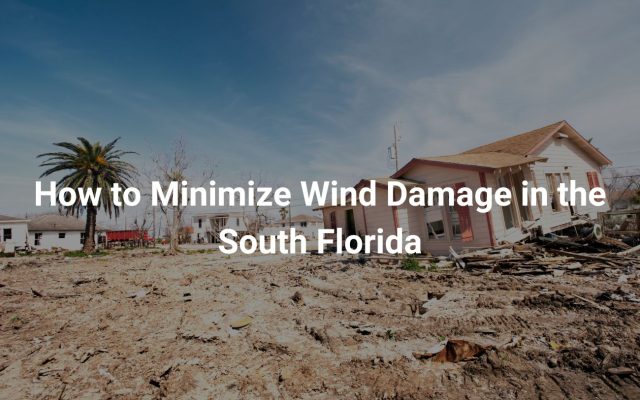
When a major storm hits, the sheer force of wind can be devastating for the integrity of your roof. High-speed winds can tear shingles from your roof, creating immediate access points for water. Strong winds can also cause flying debris which can puncture or damage roofing materials, leading to leaky roofs. After hurricanes, a common sight in Florida, roof damage is often widespread, stressing the importance of hurricane-resistant building practices for homeowners.
- Common signs of wind damage:
- Missing or damaged shingles.
- Debris impact points.
- Water infiltration post-storm.
Aging and Wear under Florida’s Sun
Continual exposure to Florida’s intense UV rays can degrade your roof’s materials over time, a common cause of roof leaks. Aging roofs lose their resilience and can become brittle, leading to cracks through which water can easily penetrate. Since most roofing materials have a finite lifespan, homeowners in Florida must remain vigilant about the condition of their roofs, as an older roof is more susceptible to leaks, particularly after a major storm.
- Consequences of UV exposure:
- Deterioration of roofing materials.
- Increased likelihood of leaks with age.
- Need for more frequent inspections and maintenance.
Addressing and Preventing Roof Leaks
To safeguard your home from the significant threat of water damage that roof leaks pose, meticulous attention to maintenance and prompt repairs are paramount. Roof leaks are common in Florida due to factors like harsh weather and aging materials, but with the right steps, you can protect your home effectively.
Regular Inspections and Maintenance
Regular inspections are vital to extending the life of your roof and preventing leaks. At least twice a year, you should conduct thorough inspections, especially after severe weather events, to identify any potential issues. Maintenance measures to implement include:
- Clear Debris: Remove leaves, branches, and dirt that can obstruct water flow and cause pooling.
- Check Ventilation: Ensure proper attic ventilation to reduce heat and moisture that can weaken your roof.
- Inspect Flashing and Seals: Look for signs of wear around vents, chimneys, and skylights. Replace or reseal as needed.
- Gutter Maintenance: Keep gutters and downspouts clear to prevent water overflow, which can create leaks.
Professional Roof Leak Repairs
When faced with a leak, turning to experienced professionals for roof repair is crucial:
- Identify the Source: A certified roofing contractor can accurately determine the cause of a leak.
- Quality Repairs: Utilize a reputable roofing company to guarantee high-standard repairs, using the right materials and techniques.
- Insurance: Verify that your chosen professional is insured, ensuring that repairs are covered in case of accidental damage.
- Long-term Solutions: Experienced professionals in the roofing industry can provide solutions that not only fix current leaks but also protect your home against future issues.
By adhering to these practices, you will significantly reduce the likelihood of leaks and extend the life of your roof, while ensuring that your home remains safe and sound.