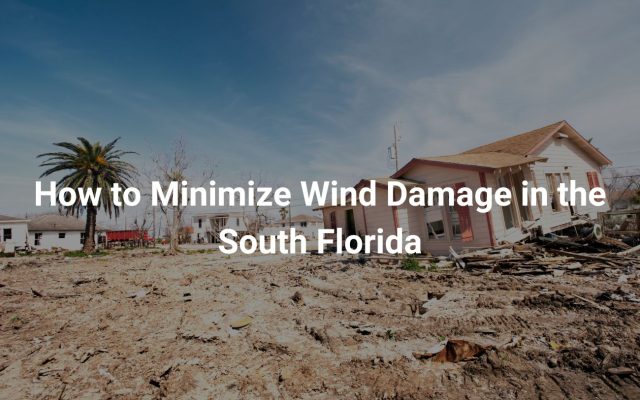
When living in Florida, understanding what roof damage your homeowners insurance policy covers is essential. Given the state’s susceptibility to severe weather, such as hurricanes and tropical storms, your roof can be particularly vulnerable. Insurance coverage for roof damage generally includes events like windstorms, hail, and falling objects, all of which are not uncommon in Florida.
The extent of the roof damage covered and the conditions under which you can file a claim might vary with your policy. For instance, most standard policies will cover damage caused by hurricanes and other weather-related events, while typically excluding wear and tear. Florida legislation has provided additional protections for homeowners, such as allowing for repairs instead of full replacements if a roof complies with state building codes set after 2007, and it is more than 25% damaged.
It’s crucial to familiarize yourself with the specific details of your policy. Roof damage claims can be complex, and insurers may require an inspection to confirm the remaining useful life of a roof, especially if it’s older than 15 years. Make sure to maintain proper documentation, such as invoices and receipts, which can provide support during the claims process and help ensure coverage for the damages incurred.
Insurance Coverage for Roof Damage in Florida
In Florida, understanding your insurance policy’s specifics for roof damage is vital, especially given the state’s susceptibility to hurricanes and other severe weather conditions.
Understanding Policy Details and Coverage Limits
Your homeowners’ insurance policy details, including coverage limits and the deductible, are pivotal in knowing how much protection you have for roof damage. Dwelling coverage typically constitutes part of a standard policy, specifying the maximum amount an insurance company will pay for repairs.
Types of Roof Damage Covered
Insurance policies generally cover roof damage from:
- Windstorms and hurricanes
- Hail damage
- Damage from falling objects
- Fire and lightning strikes
- Vandalism
It’s essential to note limitations and covered perils in your policy, as these determine your coverage’s extent.
Filing an Insurance Claim for Roof Damage
To file a claim:
- Contact your insurance company promptly.
- An adjuster will conduct a roof inspection.
- Submit required documentation.
- Once approved, compensation for the repair or replacement is processed.
Keep in mind, the insurance claims process involves a review by a claims adjuster, so thorough documentation of the damage is crucial.
Roof Damage Exclusions and Homeowners’ Responsibilities
Common exclusions include:
- Normal wear and tear
- Lack of maintenance
As a homeowner, you are responsible for regular maintenance. Roof damage claims might be denied if these responsibilities are not met.
Legal Aspects and Claims Disputes
Following new legislation in May 2022, Florida homeowners face stricter roof requirements for insurance. In case of disputes, seek expert advice or legal counsel. Know your rights, and consider that court cases may yield attorney fees.
If a claim is initially denied, homeowners have the right to appeal or file a lawsuit. Contact a lawyer or insurance provider to guide you through the potential need for public adjusters or reputable contractors.
Preventative Measures and Maintenance
Implementing regular maintenance and adhering to building codes are essential in mitigating roof damage, especially considering Florida’s volatile weather. Take proactive steps to extend the longevity of your roof and ensure compliance with insurance policy standards for coverage.
Enhancing Roof Durability Against Florida’s Climate
Florida’s climate can be harsh on roofing materials due to frequent storms, intense sun, and occasional hail. Choose materials like asphalt shingles or metal roofing known for wind resistance and ability to withstand hail impact. Your roof’s shape and the construction quality of the roof deck and overhang also play pivotal roles in defense against Florida’s elements. Following the 2007 building code will ensure that your roofing system is equipped to handle typical weather-related stress.
Regular Inspection and Maintenance Tips
- Schedule regular inspections: At least twice a year or after severe weather incidents. Look for signs of leaks or structural damage.
- Perform maintenance tasks, such as clearing debris from gutters and downspouts, to prevent unnecessary strain on your roof’s structure.
- Keep documentation of your maintenance efforts as insurers may require proof of routine care to honor a claim for roof damage coverage.
Upgrade and Replacement Considerations
- Assess the useful life of your existing roofing against the current reimbursement schedule of your insurance policy. If you are nearing the end of a depreciated value period, it could be central to consider an upgrade.
- Upgrade to newer materials that better resist wind and hail, keeping in mind that a roof upgrade can often lower your insurance deductible and premiums.
When roof replacement is necessary, installing roofing materials that meet or exceed the 2007 building code can be integral, as it may help in being replaced rather than repaired even when over 25% damaged, streamlining insurance processes.