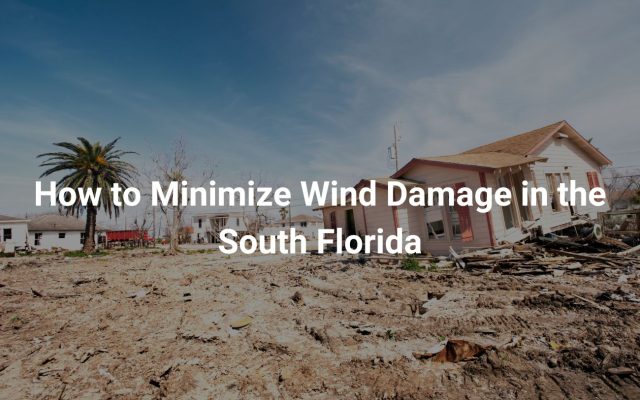
Hurricane Helene has left a trail of destruction, and if you’re among those affected, documenting the damage is crucial for a successful insurance claim. Taking clear photos and videos of all property damage is essential for maximizing your insurance payout. This evidence will support your claim and help ensure you receive fair compensation for your losses.
Start by creating a detailed inventory of damaged items. Note the make, model, and approximate value of each item. Don’t forget to document damage to your home’s structure, including roofs, walls, and windows. Keep any receipts for emergency repairs or temporary lodging, as these may be reimbursable expenses.
Contact your insurance company promptly to initiate the claims process. They will likely send an adjuster to assess the damage in person. Having your own documentation ready will help you discuss the extent of the damage with the adjuster and potentially expedite your claim. Remember, thorough documentation is your best tool for navigating the insurance claim process after Hurricane Helene.
Preparing to Document Damage
Thorough documentation of hurricane damage is crucial for a successful insurance claim. Taking immediate action and gathering essential information will strengthen your case.
Immediate Steps After the Storm
Once it’s safe to return home, assess the damage carefully. Take photos and videos of all affected areas, including exteriors, interiors, and personal belongings. Make temporary repairs to prevent further damage, but save receipts for materials and labor.
Create a detailed inventory of damaged items, noting their condition and estimated value. Don’t discard anything without documenting it first. If you’ve evacuated, keep records of your expenses.
Notify your insurance company promptly to start the claims process. Review your policy to understand coverage limits and deductibles. For flood damage, contact your flood insurance provider separately.
Gathering Essential Documentation
Collect all relevant paperwork to support your claim. This includes your insurance policy, recent home inventory, and any pre-storm photos of your property. Locate receipts, warranties, and appraisals for valuable items.
Keep a log of all communications with your insurance company, including dates, names, and summaries of conversations. Save emails and letters related to your claim.
If you’ve experienced power outages, document food spoilage with photos and itemized lists. For major structural damage, consider getting independent repair estimates from licensed contractors.
Filing Your Insurance Claim
Contact your insurance company promptly after Hurricane Helene to begin the claims process. Document all damage thoroughly and keep records of your expenses.
Understanding Your Policy
Review your insurance policy carefully. Check coverage limits for wind damage, flooding, and additional living expenses. Note your deductible amount. Most standard homeowners policies cover wind damage but exclude flood damage. If you have separate flood insurance, review that policy too.
Familiarize yourself with covered perils and exclusions. Some policies may have special hurricane deductibles or coverage limits. If you’re unsure about any terms, ask your insurance agent for clarification.
Navigating the Claims Process
File your claim as soon as possible. Many insurers have online portals or mobile apps for quick submission. Provide a detailed inventory of damaged items, including:
- Photos and videos of damage
- Description of items
- Date of purchase
- Estimated value
Keep all receipts for temporary repairs and living expenses. Your policy may cover these costs.
An insurance adjuster will inspect the damage. Be present during this inspection if possible. Point out all areas of concern. Don’t discard damaged items until the adjuster has seen them.
Seeking Additional Help
If you’re having trouble with your claim, consider hiring a public adjuster. These professionals work on your behalf to negotiate with the insurance company.
For flood damage not covered by your policy, apply for federal disaster assistance through FEMA or low-interest disaster loans from the U.S. Small Business Administration.
If you feel your claim was unfairly denied or the settlement is too low, consult a hurricane claim lawyer. They can help you understand your rights and options for appealing the decision.