Roof leaks can be a major headache for homeowners, often leading to costly repairs and potential water damage. You might wonder if your homeowners insurance policy will cover these issues when they arise. Generally, homeowners insurance covers roof leaks caused by sudden, accidental events like storms or fallen trees, but not those resulting from normal wear and tear or lack of maintenance.
Understanding the specifics of your coverage is crucial for protecting your home and finances. Insurance policies typically include dwelling coverage, which may pay for repairs or replacement of your leaking roof if the damage stems from a covered peril. Your personal property coverage might also help replace items damaged by the leak, such as furniture or electronics.
It’s important to note that not all roof leaks are treated equally by insurance companies. While damage from natural disasters or emergencies is often covered, issues arising from age or neglect usually aren’t. To ensure you’re adequately protected, it’s wise to regularly inspect and maintain your roof, and consider additional coverage options if needed.
Understanding Homeowners Insurance Coverage
Homeowners insurance provides protection for your dwelling and personal property. Coverage specifics vary between policies, especially when it comes to roof leaks.
What Is Covered by Homeowners Insurance?
Homeowners insurance typically covers your home’s structure, personal belongings, liability protection, and additional living expenses. Dwelling coverage protects the physical structure of your house, including the roof. Personal property coverage safeguards your belongings inside the home.
Liability protection covers legal expenses if someone is injured on your property. Additional living expenses coverage helps with costs if you need to temporarily relocate due to covered damage.
Specifics of Roof Leak Coverage
Roof leak coverage depends on the cause of the leak. Most policies cover sudden, accidental damage from perils like storms, fallen trees, or fire. Water damage from a covered roof leak is often included.
You’ll need to pay your deductible before coverage kicks in. The average roof leak repair costs $360 to $1,550. If your deductible is higher, you might pay out of pocket for smaller repairs.
Age and maintenance of your roof can affect coverage. Insurers may deny claims for older roofs or those showing signs of neglect.
The Role of Policy Types in Roof Repairs
HO-3 policies are the most common type of homeowners insurance. They offer open peril coverage for your dwelling, meaning your roof is protected against all risks except those specifically excluded.
Some policies may offer actual cash value coverage for roofs over a certain age. This factors in depreciation, potentially leaving you with higher out-of-pocket costs for repairs.
Premium policies might offer more comprehensive roof coverage, including protection against general wear and tear.
Identifying Covered Perils
Covered perils typically include:
- Wind and hail damage
- Fire and smoke
- Lightning strikes
- Falling objects
- Weight of ice, snow, or sleet
Natural disasters like hurricanes may be covered, but flood damage usually requires separate insurance.
It’s crucial to review your policy to understand which perils are included and excluded.
Limitations and Exclusions
Most policies don’t cover damage from:
- Normal wear and tear
- Lack of maintenance
- Mold or fungus (unless resulting from a covered peril)
- Pest infestations
Gradual leaks occurring over time are often excluded. If you notice a leak, address it promptly to prevent claim denials due to neglect.
Coverage limits apply to roof repairs. Your policy’s dwelling coverage limit is the maximum amount your insurer will pay for structural repairs, including your roof.
Always check your policy details or consult your insurance agent for specific coverage information.
Managing and Filing a Roof Leak Claim
Filing a roof leak claim requires careful documentation and understanding of your insurance policy. Proper management of the claim process can help ensure fair compensation for repairs or replacement.
The Process of Filing a Claim
Contact your insurance company immediately after discovering a roof leak. Explain the situation and ask about next steps. Your insurer will likely assign an adjuster to assess the damage.
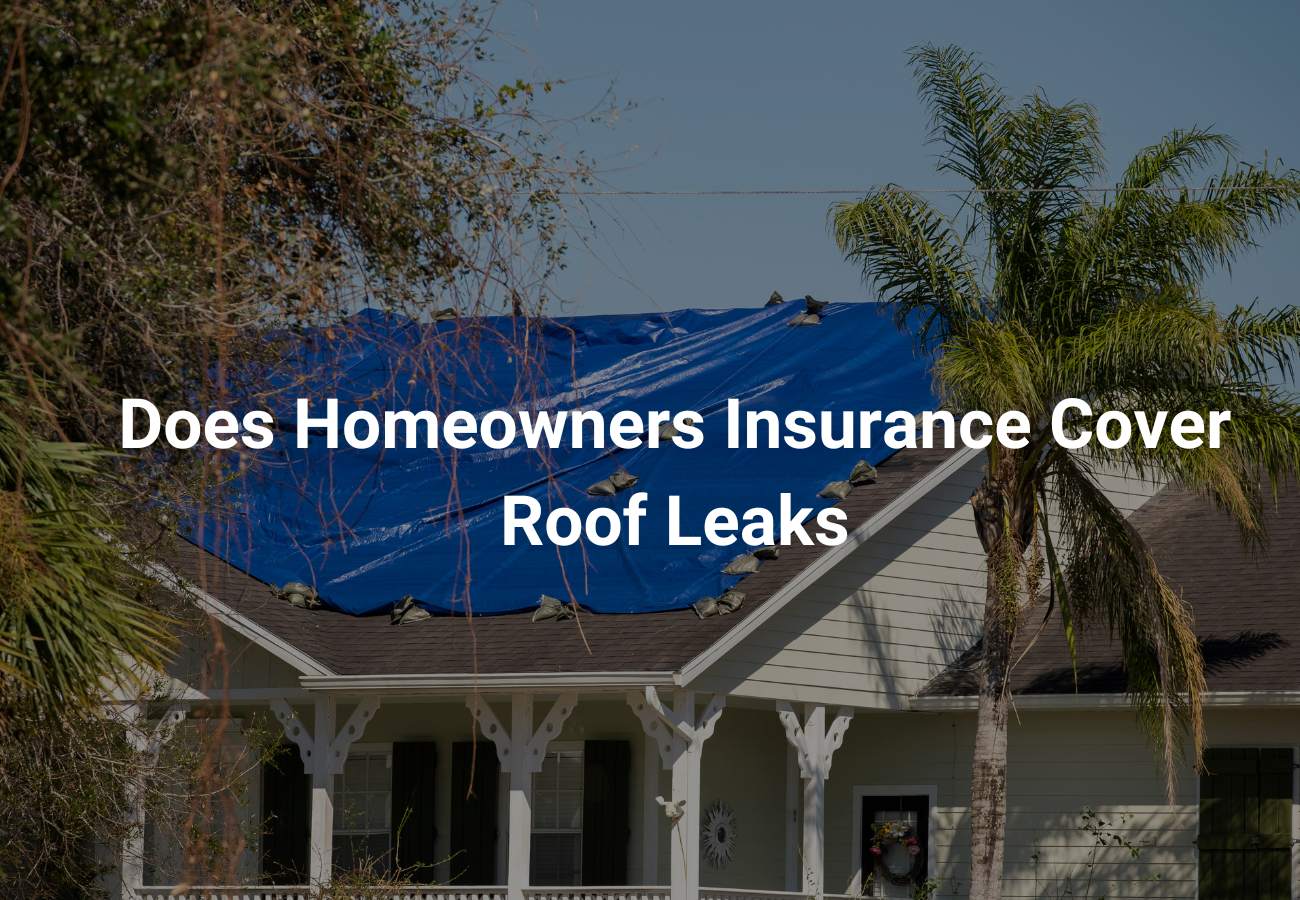
Take steps to prevent further damage, such as placing buckets under leaks or covering the affected area with a tarp. Document these temporary fixes, as your policy may cover these costs.
Schedule an inspection with a professional roofing contractor. Their assessment can provide valuable information for your claim.
Be prepared to provide your policy number, a description of the damage, and the date you noticed the leak. Keep records of all communication with your insurance company.
Documentation and Evidence for Roof Leak Claims
Thorough documentation strengthens your claim. Take clear, dated photos of the damage, including:
- The leak’s point of entry
- Water stains on walls or ceilings
- Damaged personal property
Maintain a detailed list of damaged items, including their approximate value and purchase date. Save receipts for any emergency repairs or temporary accommodations if the leak made your home uninhabitable.
Gather maintenance records to show you’ve properly cared for your roof. This can help demonstrate the leak was due to a covered peril rather than neglect.
Repair and Replacement Considerations
Your policy may cover roof repair or full replacement, depending on the extent of the damage. Insurers typically use one of two methods to calculate payouts:
- Replacement Cost Value (RCV): Covers the full cost to repair or replace the roof.
- Actual Cash Value (ACV): Factors in depreciation, potentially leading to a lower payout.
Get multiple repair estimates from licensed contractors. This helps ensure fair compensation and can be useful if you disagree with the insurer’s assessment.
Consider upgrading to more durable roofing materials if replacing the entire roof. Some insurers offer discounts for impact-resistant shingles.
Dealing with Claim Disputes
If you disagree with your insurer’s decision, you have options. First, request a detailed explanation of their assessment in writing.
Present additional evidence or documentation to support your case. This might include a second professional opinion or more detailed repair estimates.
If the dispute persists, consider hiring a public adjuster. These professionals work on your behalf to negotiate with the insurance company.
As a last resort, you can file a complaint with your state’s insurance department or seek legal advice. However, try to resolve the issue directly with your insurer first.
Related legal help
Roof damage insurance claim attorneys
Explore legal help for Florida homeowners facing a denied or underpaid roof damage insurance claim.