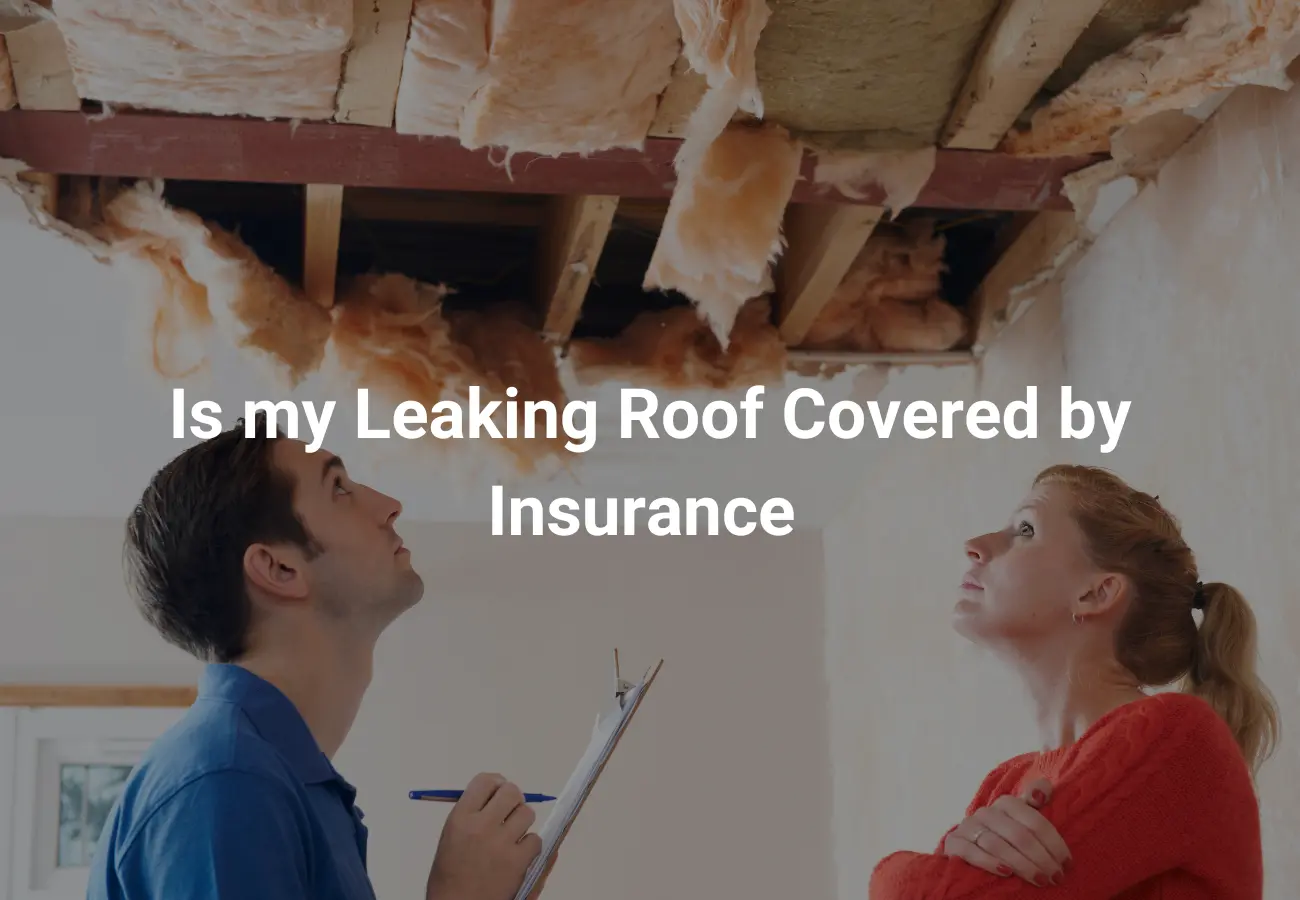
Dealing with a roof leak can be overwhelming, and you might wonder if your homeowners insurance will cover the damage. The coverage for roof leaks depends heavily on the cause behind the leak.
To determine if you should file a claim, consider the specific circumstances that led to the problem. By understanding these factors, you can better navigate the insurance process and protect your home effectively.
Does homeowners insurance cover roof leaks?
Homeowners insurance generally covers roof leaks if they result from a sudden and accidental event. Common causes include storms, fallen trees, and other unforeseen incidents. For example, if a blizzard knocks a tree onto your roof, or hailstones puncture shingles, coverage typically applies.
Commonly Covered Scenarios:
- Fire Damage: An electrical short causing a fire in your attic that damages the roof.
- Storms and Blizzards: Snowstorms or blizzards that lead to fallen trees and cause roof damage.
- Hailstorms: Large hailstones creating holes in your shingles.
- Strong Winds: High winds blowing shingles off the roof. For those in coastal areas, additional wind coverage might be necessary.
Exclusions in Coverage:
Homeowners insurance often excludes certain instances:
- Normal Wear and Tear: Gradual deterioration of roofing materials over time is not covered.
- Poor Maintenance: Damage due to neglect or lack of proper upkeep.
- Animal Damage: Damage caused by birds, rodents, or insects.
- Fungus and Mold: Issues like mildew resulting from long-term moisture.
- Earthquakes and Landslides: Separate policies are often needed for these events.
Deductibles and Limits:
When filing a claim, you’ll need to pay a deductible—the portion you cover before insurance kicks in. For instance, if repairs cost $2,000 and your deductible is $500, your insurer pays $1,500. Always double-check your deductible amount as it impacts your out-of-pocket expenses.
Roof damage falls under your dwelling coverage, which protects your home’s structure. This is often on an “open perils” basis, meaning it’s covered for any peril not specifically excluded. This could include incidents like vandalism or falling objects.
Additional Damages:
Besides the roof itself, your insurance may cover damage to other parts of your home. For example, if a roof leak ruins an upstairs mattress and floor, repairs or replacements for those items are typically included.
Always review your policy and consult with your insurance agent to ensure you have adequate coverage for unforeseen events.
Does Homeowners Insurance Cover a Roof Replacement?
Actual Cash Value vs. Replacement Cost Value
When dealing with homeowners insurance and roof replacement, the type of coverage you have is crucial. Replacement cost value (RCV) coverage is one option, where your insurance would pay the full cost of a new roof if it’s needed after a covered incident. With RCV, depreciation doesn’t reduce your payout, meaning you get the total amount required to replace your roof, minus your deductible.
Another type of coverage is actual cash value (ACV). Here, the payout considers the depreciation of your existing roof. For example, if your roof was expected to last 20 years but needs replacement after 10 years, the insurer would reduce the payout by half since the roof is halfway through its lifespan. After accounting for depreciation and deductibles, the final amount you receive will be less, potentially far less, than the cost of a new roof.
Many homeowners opt for ACV coverage to lower their premiums. However, some insurance companies automatically provide ACV coverage once your roof surpasses a certain age, regardless of your preference. Understanding these coverage types helps you make informed decisions about your policy and finances.
Keep in mind that filing a claim might affect your future premiums. Assess the type of coverage that best fits your needs and balances cost and protection.
Should you file a claim for roof damage?
Deciding whether to file a claim for roof damage requires careful consideration. Begin by checking your deductible, which often ranges between $500 and $2,000. If the cost of repairing your roof damage falls within this range, you might end up receiving little from your insurer after the deductible is deducted. Typical roof repairs average from $360 to $1,550.
Next, consider how filing a claim may affect your insurance premiums. A claim could lead to increased premiums for several years, and this potential rise in costs should be weighed against the immediate payout.
Obtaining quotes from multiple roofers can also be helpful. Compare the repair costs from different professionals to see if filing a claim makes financial sense.
Ultimately, a thorough assessment of your deductible and repair costs, along with potential premium increases, will guide you in making an informed decision.
How to File a Claim for Roof Damage
File Promptly: Start the claim process as soon as you can, whether by phone, on the insurer’s website, or through their app. This is especially crucial after widespread natural disasters when many homeowners might be filing claims, potentially delaying the settlement process.
Document the Damage: While it’s best to leave roof inspections to professionals, you can still take photos of any interior damage, like water stains on ceilings or damaged furniture. These photos can help support your claim.
Contact Your Insurer: Inform your insurance company about the damage immediately. They will likely send an insurance adjuster to inspect the roof and assess the damage.
Hire a Reputable Contractor: Choose a licensed contractor with good reviews and references. Avoid contractors who go door-to-door offering low rates or promising free replacements through insurance. These offers could be scams.
| Steps | Actions |
|---|---|
| File Promptly | Use phone, website, or app to start the claim. |
| Document Damage | Take photos of interior damage. |
| Contact Insurer | Notify your insurance company. |
| Hire Contractor | Choose a licensed and reputable contractor. |
Taking these steps will help streamline your roof damage claim process and avoid potential pitfalls.
How to Prevent Roof Leaks
Regular roof inspections can help catch minor issues before they escalate. Ensure that your gutters and downspouts are free from obstructions. It’s also wise to trim tree branches and large bushes near your roof to reduce debris accumulation and prevent moss growth in shaded, damp areas. Don’t forget to inspect your attic for signs like mold, blocked ventilation, algae, or rust that can indicate potential problems.