Last checked against the Florida Statutes and official sources on October 25, 2026. This is general information, not legal advice.
A property damage assessment records what was damaged, what evidence shows the cause, and what repair or replacement may cost. For an insurance claim, document conditions safely, organize an inventory and estimates, and compare the findings with your actual policy. A detailed assessment supports review but does not guarantee coverage or payment.
9 tips for assessing property damage for an insurance claim
1. Know your policy and report the loss promptly
Find the policy in force when the damage occurred, including its declarations and endorsements. Check dwelling, other-structures, contents, and additional-living-expense coverage, along with deductibles, exclusions, and settlement conditions. Keep separate homeowners, wind, and flood policies together so you can identify which insurers may need notice.
Report the loss without waiting for a finished estimate. Under section 627.70132, current Florida property-claim notice limits generally are one year from loss for initial and reopened claims and 18 months from loss for supplemental claims, with qualifying combat-zone or combat-support deployment tolling when it materially affects a named insured servicemember's ability to file, and a separate condominium loss-assessment notice rule. Older policies or losses require an applicability check. For weather losses, the statute uses hurricane landfall or the NOAA-verified weather event as the loss date. These limits differ from proof-of-loss and lawsuit deadlines; NFIP flood coverage follows federal requirements, including prompt written loss notice.
2. Prioritize safety and prevent further damage
Follow emergency officials' directions before returning to damaged property. Stay out of unstable rooms and avoid damaged electrical equipment, exposed wiring, or unsafe roof access. Obtain qualified help when an inspection would require entering an unsafe area. Photographs are useful evidence, but they are not a reason to risk injury.
Make reasonable temporary repairs to protect the property and retain the invoices. Photograph conditions first if it is safe, then document the protective work. Review your insurer's instructions and emergency repair insurance considerations before authorizing extensive work. Distinguish urgent protection from permanent restoration in your records.
3. Document damage with photographs, video, and an inventory
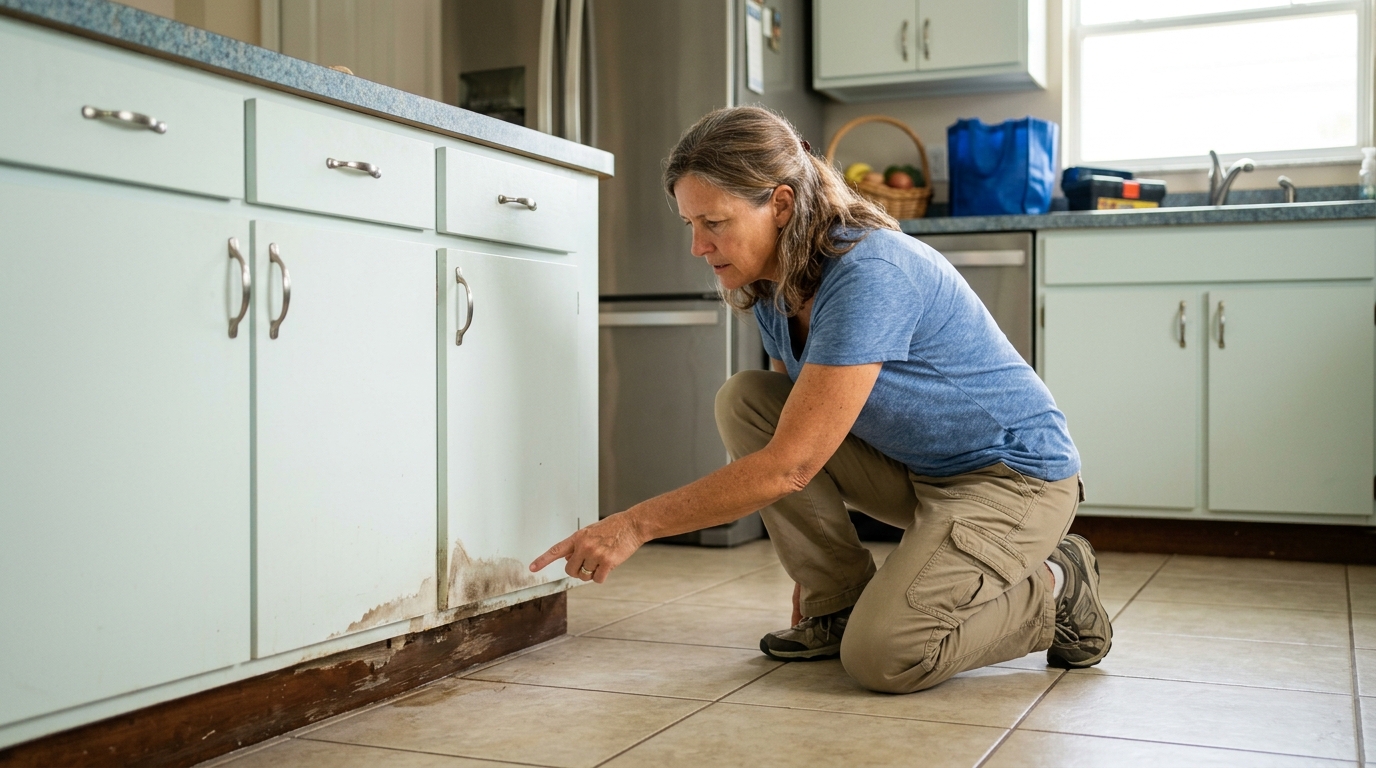
Work room by room. Take wide photographs showing the room and close-ups showing the damaged item, material, or affected area. Photograph model and serial numbers on damaged appliances and electronics where safely accessible. Save original files and organize copies by room and date; pair each estimate item with the corresponding photographs.
List each damaged possession separately with its description, quantity, approximate purchase date, brand, model, original price, and supporting receipts where available. Use earlier photographs or records to distinguish pre-existing conditions from new damage. Describe missing information honestly instead of presenting a guess as a measured fact.
4. Categorize the loss and separate observations from causes
Create separate lists for building damage, other structures, personal belongings, emergency work, and possible additional living expenses. Identify the room, surface, material, and observable condition. For example, record a stained ceiling and its location rather than claiming the stain proves a storm-created roof opening.
Note when damage was first observed and the event you believe caused it, explaining any uncertainty. Keep separate entries where fire, firefighting water, rain, wind, or flood may have contributed. FEMA distinguishes wind-driven rain from floodwater, and OIR emphasizes proper documentation when wind and water causes overlap.
5. Obtain professional assessments and itemized repair estimates
Ask an appropriately licensed contractor or other qualified professional for a written inspection and repair estimate. Request the observed conditions, inspection date, photographs, measurements, proposed work, quantities, unit prices, materials, labor, and any permit or code-related items. Separate repair recommendations from optional upgrades.
For HVAC or other equipment concerns, request a qualified technician's report identifying the equipment, observed condition, diagnostic findings, and repair or replacement recommendation. Provide maintenance and service records where available. Do not assume that a system stopping after a storm establishes that the storm caused a covered failure.
Ask each professional to identify inaccessible areas and the limits of the inspection. If estimates differ, compare the same quantities and work rather than only the bottom-line totals. An engineering assessment may address causation or structural questions, while a contractor's estimate addresses proposed repair work; neither replaces the insurer's coverage analysis.
6. Keep a communication log and a clear claims accounting record
Record each call, inspection, document request, response, and payment with its date and the person's name. Save emails, letters, submitted forms, and proof of delivery. Maintain a separate ledger for temporary repairs, permanent repairs, damaged contents, and any additional expenses claimed under the policy.
For each expense, record the supplier, purpose, amount, payment date, and receipt. Track estimates separately from amounts actually spent, and insurer payments separately from the total loss claimed. This organization helps explain a disputed balance without double-counting a repair invoice in several categories.
Read every service agreement before signing. Section 627.7152(13), enacted by SB 2-A in December 2022, makes attempted assignments of post-loss benefits under residential or commercial property policies issued on or after January 1, 2023 void and unenforceable. Subsection (11) excepts transfers to subsequent purchasers with an insurable interest, specified powers of attorney, and liability coverage. Check any proposed transfer of claim rights separately from permission to perform repairs.
7. Prepare for the adjuster's inspection
Give the insurer your current contact details and arrange safe access to affected areas. Prepare a room-by-room damage list and copies of photographs, inventories, estimates, and receipts. Point out damage the inspection might otherwise miss and disclose earlier damage or repairs rather than treating every condition as new.
Company and independent adjusters generally work for the insurer; a public adjuster is hired by the policyholder for a fee. Understand the distinction between public and independent insurance adjusters, verify credentials, and keep the inspector's contact details. Ask what further information is needed and how to submit it.
8. Understand depreciation and the payment calculation
Actual cash value generally reflects replacement cost less depreciation. Replacement cost coverage has different terms, and settlement can involve conditions before further payment. For a homeowners dwelling insured on a replacement-cost basis, section 627.7011 requires at least ACV less the applicable deductible initially, then additional necessary amounts as repairs proceed and expenses are incurred. A total dwelling loss requires replacement-cost coverage without depreciation holdback under section 627.702. Section 627.7011 excludes mobile-home and non-homeowners policies.
Compare the insurer's repair scope, prices, depreciation, deductible, and payments separately. Ask which depreciation amounts may be recovered and what records are required; contents payment terms can differ from dwelling terms. The ACV versus replacement cost guide explains the distinction without treating an initial payment as the final valuation.
9. Request reconsideration with specific supporting evidence
If an assessment omits a room, repair, or damaged item, identify the omission in writing and attach the relevant evidence. Ask for a revised estimate or inspection, not simply a larger total. A contractor's measured quantity, dated photograph, receipt, or documented diagnostic result helps make the disputed issue concrete.
For residential claims, section 627.70131 generally requires acknowledgment within seven calendar days after a claim communication and payment or denial of a claim or portion within 60 days after the insurer receives notice. Exceptions include payment within the acknowledgment period, specified factors beyond the insurer's control, and limited acknowledgment duties for represented claimants; qualifying information requests and mediation or contractual dispute resolution can toll the rules. The insurer must give a reasonable written explanation of its payment, denial, or partial denial. Check applicable law for older claims and do not assume an internal review suspends your deadlines.
Depending on the dispute and policy, options may include eligible nonbinding DFS mediation, appraisal, or litigation. Preserve the written decision and ask which policy provision the insurer relies on.
How do you assess wind-driven rain damage?
Document the visible route and timing of water entry without declaring an unverified cause. Photograph affected ceilings, walls, windows, doors, and contents, along with any safely visible exterior damage. Ask the inspecting professional to connect the observed conditions with the proposed repair scope and to identify what could not be inspected.
FEMA explains that wind-propelled rain differs from flooding, including storm surge or surface water entering from below. Homeowners and flood policies address different perils, and policy conditions control. If several causes may be involved, notify the relevant insurers and preserve separate evidence rather than labeling every water loss as flood damage.
Keep the inspection findings, water-entry observations, and policy analysis together; the Florida wind-driven rain guide covers that distinction in more detail.
What should a smoke damage assessment include?
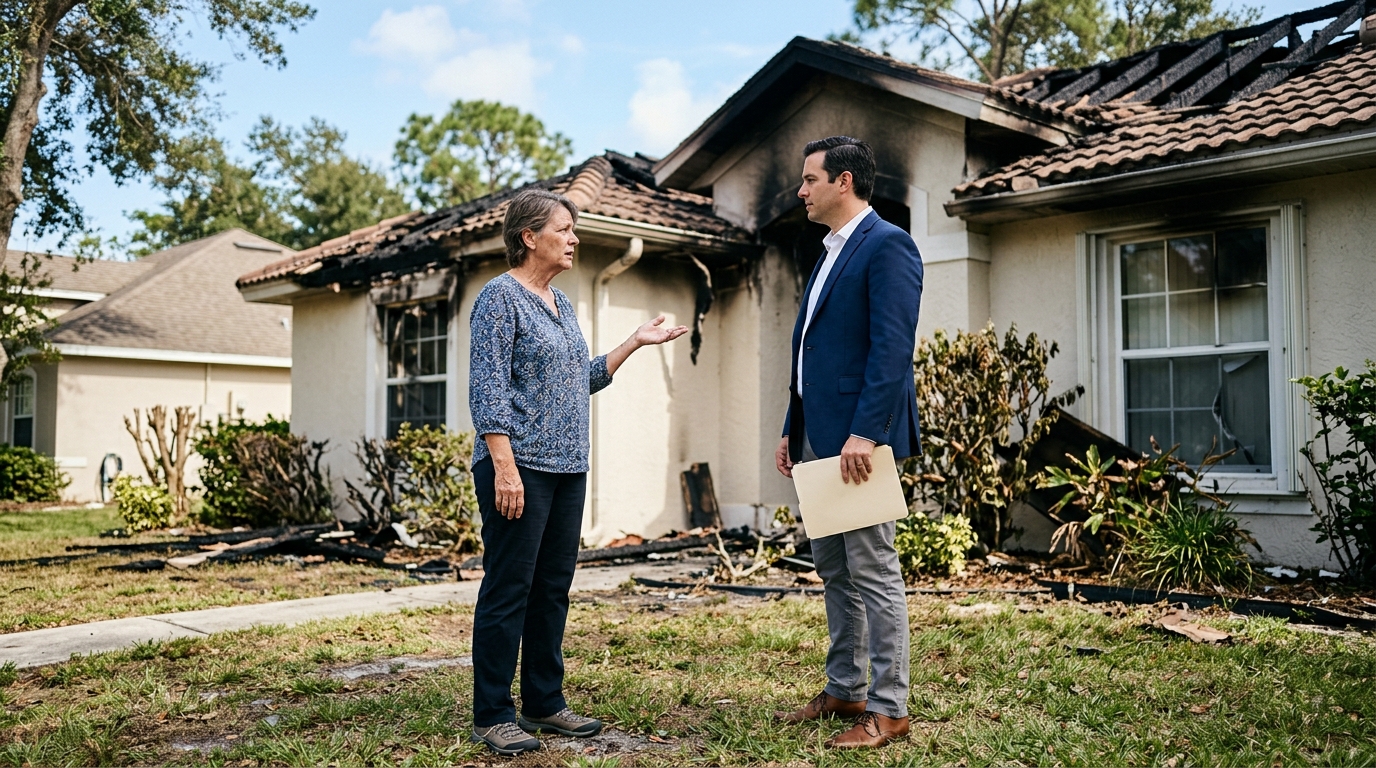
The U.S. Fire Administration explains that flames, heat, smoke, and firefighting water can damage different parts of a home, including possessions that were not burned. Wait for clearance to enter and obtain help with unsafe conditions. Do not assume that an item without visible burning is undamaged or that a photograph alone captures every concern.
List affected rooms and possessions, describe visible soot and noticed odors, and ask a qualified restoration professional for a written assessment and estimate. Request separate explanations for cleaning, restoration, and replacement recommendations. Coordinate with the insurer about inspection and proposed services before committing to extensive cleaning costs.
Preserve safe evidence before cleanup; for hazardous or perishable material, photograph it and follow official disposal guidance rather than retaining a health risk. Keep cleanup invoices and the professional's findings with the contents inventory. These records describe the claimed damage without promising that every recommended treatment is insured.
Property damage claim inspection checklist
- Policy, endorsements, claim number, event date, and current contact information.
- Room-by-room damage list, wide photographs, close-ups, and earlier condition records.
- Contents inventory with quantities, descriptions, values, and available receipts.
- Inspection reports and itemized estimates, with inaccessible areas identified.
- Emergency-work records, service agreements, repair invoices, and expense ledger.
- Insurer correspondence, payment breakdowns, unresolved questions, and document-submission dates.
Keep a copy of the package you provide and update it when further damage or repair costs become known. Ask how additional evidence should be submitted, while checking the applicable supplemental or reopened-claim deadline. The goal is a clear, traceable record linking each claimed repair or possession to evidence and the relevant policy coverage.
A property-insurance lawyer can review a specific Florida property damage claim.
Sources
- Florida Statutes § 627.70132: notice deadlines
- Florida Statutes § 627.70131: claim handling and explanations
- Florida Statutes § 627.7011: replacement-cost payments
- Florida Statutes § 627.7152: assignment restrictions
- DFS: homeowners insurance overview
- DFS: disaster insurance FAQs
- DFS: homeowners toolkit, inventories, adjusters, and records
- DFS: mediation and neutral evaluation
- NFIP: documenting flood damage
- FEMA: wind damage versus floodwater damage
- U.S. Fire Administration: After the Fire
- OIR: documenting overlapping wind and water causes
- Citizens: report suspected damage before completing the assessment
Related legal help
Property insurance claim attorneys
If your property insurance claim has been denied, delayed or underpaid, learn how our Clearwater team helps Florida policyholders.