Florida’s picturesque landscape is often overshadowed by its vulnerability to extreme weather events, including hurricanes and powerful windstorms. When such events strike, property owners rely on insurance to provide financial protection against damage. However, one of the significant challenges faced by policyholders is insurance companies underpaying property damage claims. In this blog post, we’ll unravel the factors behind underpayment and explore how you can safeguard your rights when dealing with wind damage property claims in Florida.
Wind Damage Claims in Florida
Wind damage claims in Florida can be intricate and sometimes frustrating. Understanding the contributing factors to underpayment is the first step in protecting your interests.
1. Ambiguous Policy Language
Insurance policies are notorious for their complex and often ambiguous language. These policies are drafted by legal professionals to favor the insurance company’s interests, making it challenging for policyholders to interpret the terms and conditions. The vagueness in policy language can be exploited by insurance companies to deny or underpay claims, leaving policyholders at a disadvantage.
2. Appraisals and Assessments
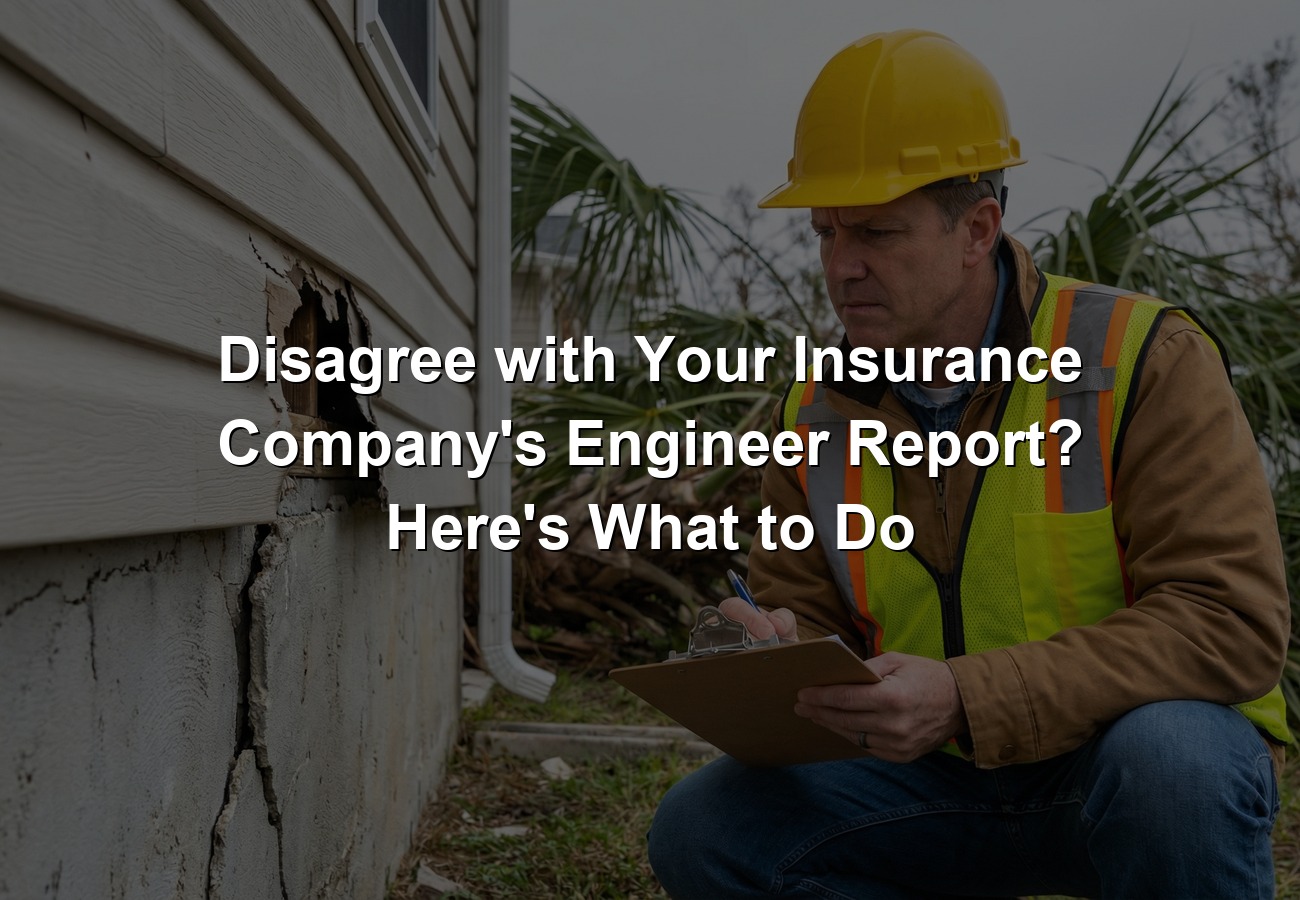
Insurance companies typically send their own adjusters to assess the damage. These adjusters may have incentives to minimize payouts, which can result in underestimation of the actual damage. It’s essential for policyholders to get their own appraisals to provide a more accurate assessment of the damage.
3. Depreciation and Actual Cash Value (ACV)
Many insurance policies offer ACV coverage, which takes into account the depreciation of property over time. The calculation of ACV can lead to underpayment, especially if the property owner is not aware of how it’s determined.
4. Low Deductibles
Policy deductibles can be a significant factor in underpayment. Low deductibles may seem attractive, but they can lead to higher premiums and lower payouts when a claim is made. Policyholders should carefully weigh the deductible options in their policy to avoid potential underpayment.
5. Delayed Claims Processing
Insurance companies may intentionally delay claims processing to put pressure on policyholders or hope that they’ll settle for less out of desperation. Delayed payments can lead to financial strain, forcing policyholders to accept reduced settlements.
6. Misclassifications and Exclusions
Insurance companies may misclassify damage as excluded under the policy, causing policyholders to receive less compensation than they deserve. Knowing the specific details of your policy and challenging misclassifications is crucial.
7. Claim Denials
In some cases, insurance companies may outright deny legitimate claims, putting the burden of proof on the policyholder. Dealing with claim denials can be a protracted and challenging process, often requiring legal intervention.
The Role of Legal Experts
To protect your rights and maximize your wind damage property claim, it’s essential to consider involving legal experts. Here’s how they can help:
- Policy Review: Attorneys can thoroughly review your insurance policy to ensure that you understand the coverage and any potential pitfalls that could lead to underpayment.
- Documentation: Legal experts can guide you on proper documentation, which is critical for a successful claim.
- Claim Submission: Attorneys can help you submit your claim in a way that maximizes the chances of approval and a fair payout.
- Negotiation: Experienced attorneys can negotiate with the insurance company to secure a fair settlement. They can also assist with filing appeals in the event of disputes.
- Legal Action: If negotiations fail and the insurance company continues to underpay or deny your claim unjustly, attorneys can take legal action to protect your rights.
Contact Us Today
Dealing with insurance companies after wind damage to your property can be challenging, especially when underpayment is a concern. By understanding the factors that lead to underpayment and seeking expert legal assistance, you can protect your rights and ensure that you receive the compensation you deserve. At Krapf Legal, we specialize in helping policyholders navigate the complex world of wind damage property claims in Florida. Don’t let underpayment become an obstacle on your path to recovery. Contact us today to ensure that your property damage claim is handled with the expertise and dedication it deserves.