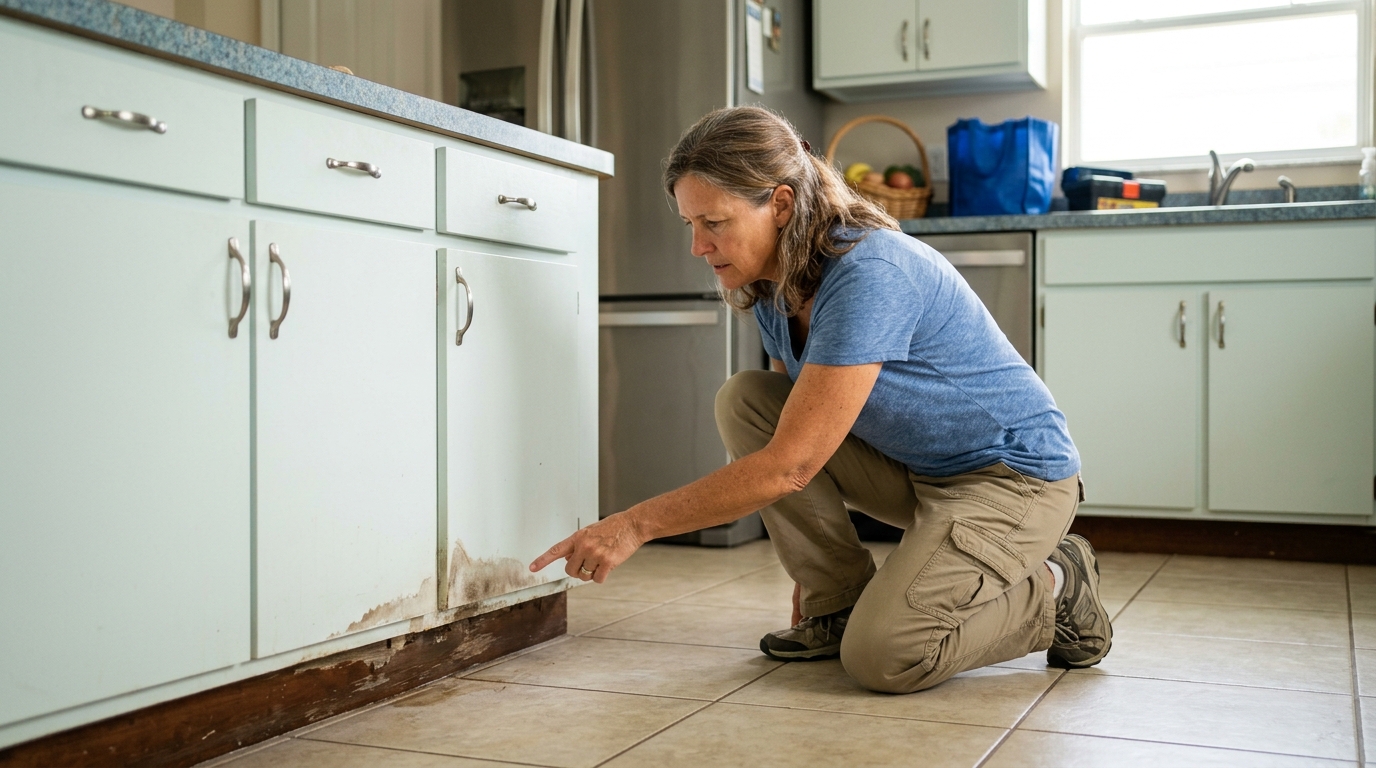
Cracks are spreading across your walls. Maybe a door won’t close right anymore. And now you’re staring down a foundation repair bill that could run into the tens of thousands. Before you pay out of pocket, or take a denial letter at face value, you need a straight answer to the question every Florida homeowner asks: does home insurance cover foundation repair? The answer depends on what caused the damage, how your policy is worded, and whether your insurer is playing fair under Florida law. This guide breaks down what you need to know before your next move in 2026.
Does Home Insurance Cover Foundation Repair? The Short Answer
What Most Policies Actually Promise
Standard Florida homeowner policies promise protection against sudden, named perils. Fire, hail, windstorms, a burst pipe that floods a slab overnight. These events happen fast and without warning. That’s exactly what insurers agree to cover when you sign a policy.
What most policies don’t promise is coverage for slow, gradual problems. Foundation cracks that widen over years. Soil that shifts season after season. Settling that happens quietly beneath the slab. These usually fall outside standard protection. Insurers call them maintenance issues, not insurable losses, even when the repair bill hits tens of thousands of dollars.
Why This Question Trips Up So Many Homeowners
Coverage depends heavily on the cause of the problem, not just the damage itself. A crack from a hurricane’s wind-driven rain may be covered. The same crack, caused by years of poor drainage, likely won’t be. That distinction confuses homeowners who assume all foundation damage gets treated the same way.
Florida makes this even trickier. Sandy soil, high humidity, and constant storm exposure mean foundations shift often. Many homeowners also worry about related issues like moisture intrusion; questions such as does my insurance policy cover mold damage understanding… often come up alongside foundation disputes.
Because cause and effect overlap so easily, insurers dispute these claims often. Resources like mold insurance claims what you need to know show how related damage claims face the same kind of scrutiny statewide.
How a House Foundation Works and Why It Fails
Common Foundation Types in Florida Homes
Most Florida homes sit on one of three foundation types. A slab foundation is a flat concrete pad poured directly on graded soil, carrying the whole house from below. It’s the most common choice here because it resists moisture and termites better than wood framed close to the ground.
Crawlspace foundations raise the home a few feet, leaving room underneath for plumbing and utility access. Pier foundations use vertical concrete or wood columns to lift the structure, often seen in older coastal homes or flood-prone spots. Each design handles ground contact differently, which changes how it reacts to water and shifting soil.
Knowing which type your home has matters once damage shows up. A crack in a slab behaves nothing like a sagging beam in a crawlspace, and insurers evaluate each cause separately, including claims tied to hurricane damage attorney cases involving wind-driven water intrusion.
How Soil and Water Table Affect Stability
Florida’s sandy soil and high water table put constant pressure on foundations. Soil expands when it’s soaked and shrinks in dry spells, causing slow, uneven movement underneath the home. Over years, that cycle stresses concrete and framing until you get cracks, settling, or sagging floors.
Heavy rain and storm surge speed this up. Homeowners can check florida hurricane claims understanding coverage limitatio… to see how wind and flood policies treat water-driven soil erosion differently than plain gradual settling.
Understanding this mechanism helps homeowners frame a claim correctly. Insurers often deny claims tied to “gradual” soil movement, so evidence linking the damage to a sudden storm event, like the one detailed in floridas hurricane ian recovery six months later, can strengthen your case a lot.
What Causes Foundation Damage
Water-Related Causes
Florida’s climate puts constant pressure on the ground under a home. Water is the most common trigger of foundation trouble, and it shows up in several forms. A slow leak under a bathroom can go unnoticed for months, which is why understanding shower pan leaks causes detection solutions matters if you want to catch problems early.
- Expansive or eroding soil beneath the home swells and shrinks with moisture changes, cracking slabs over time.
- Plumbing leaks hidden under floors slowly saturate soil, weakening its ability to support the structure.
- Poor drainage around the perimeter lets rainwater pool near the foundation instead of flowing away.
- Storm surge, flooding, and hurricane-driven water intrusion push large volumes of water against and under the slab.
Structural and Construction-Related Causes
Not every problem starts with water. Some foundations fail because of decisions made before the first wall went up. Poor original construction or inadequate compaction of soil leaves gaps that settle unevenly under the weight of the home. Builders working on a tight schedule sometimes skip proper soil testing, and years later that shortcut shows up as cracks or sloping floors. Resources like Does Homeowners Insurance Cover Foundation Issues? explain how these origins affect coverage decisions.
Covered vs. Excluded Causes: A Side-by-Side Comparison
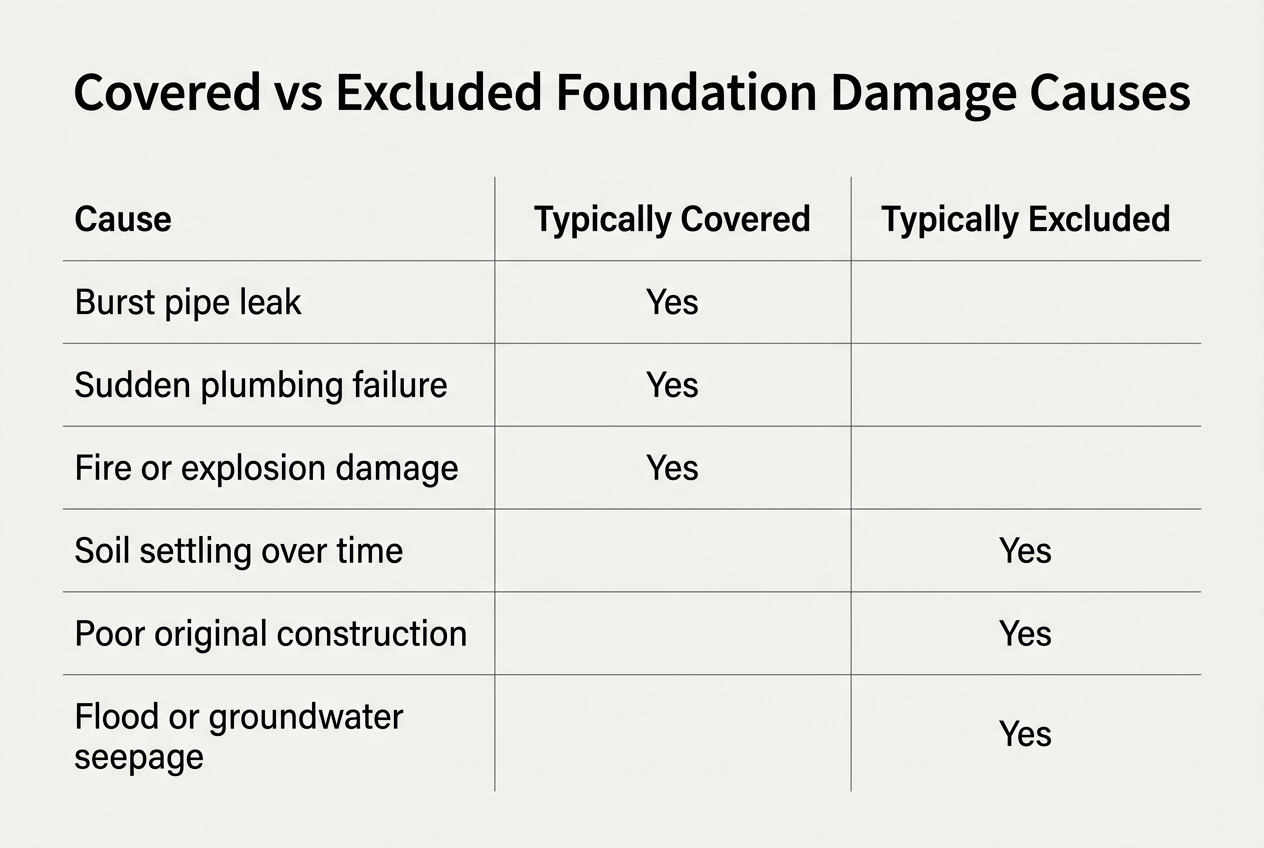
Florida homeowners often ask Does Home Insurance Cover Foundation Repairs? The honest answer depends on the cause. Insurers draw a hard line between sudden, accidental damage and damage that built up over time. The table below shows how similar-looking problems get treated very differently.
| Scenario A | Scenario B | Typical Outcome |
|---|---|---|
| Sudden pipe burst floods foundation area | Slow, hidden leak over months | Burst pipe: often covered. Slow leak: usually denied as maintenance neglect |
| Fire or explosion cracks the slab | Normal settling over years | Fire damage: typically covered. Settling: excluded as gradual wear |
| Windstorm topples a tree onto foundation | Flood-driven soil shift undermines footing | Wind: covered under standard policy. Flood: requires separate flood policy |
| Plumbing failure from a covered peril | Poor original construction | Plumbing failure: covered. Construction defect: excluded, may need a claim against the builder |
Notice the pattern: sudden and accidental events get coverage, while gradual or preventable damage doesn’t. This mirrors the importance of fire insurance claims and hiring an att… in other property disputes, where cause of loss decides everything.
Typically Covered Scenarios
Sudden pipe bursts, fires, explosions, and windstorm impacts usually qualify. These events happen fast, without warning. Adjusters can point to a clear date and a clear trigger.
Typically Excluded Scenarios
Slow leaks, normal settling, and flood-driven soil movement rarely qualify. Insurers label these gradual damage, or a separate peril requiring flood coverage.
Gray-Area Scenarios Insurers Dispute
Some claims mix causes. A windstorm might worsen a foundation that was already settling. Insurers often argue settling caused most of the damage, not the storm, and that’s where disputes over percentages and payout amounts start.
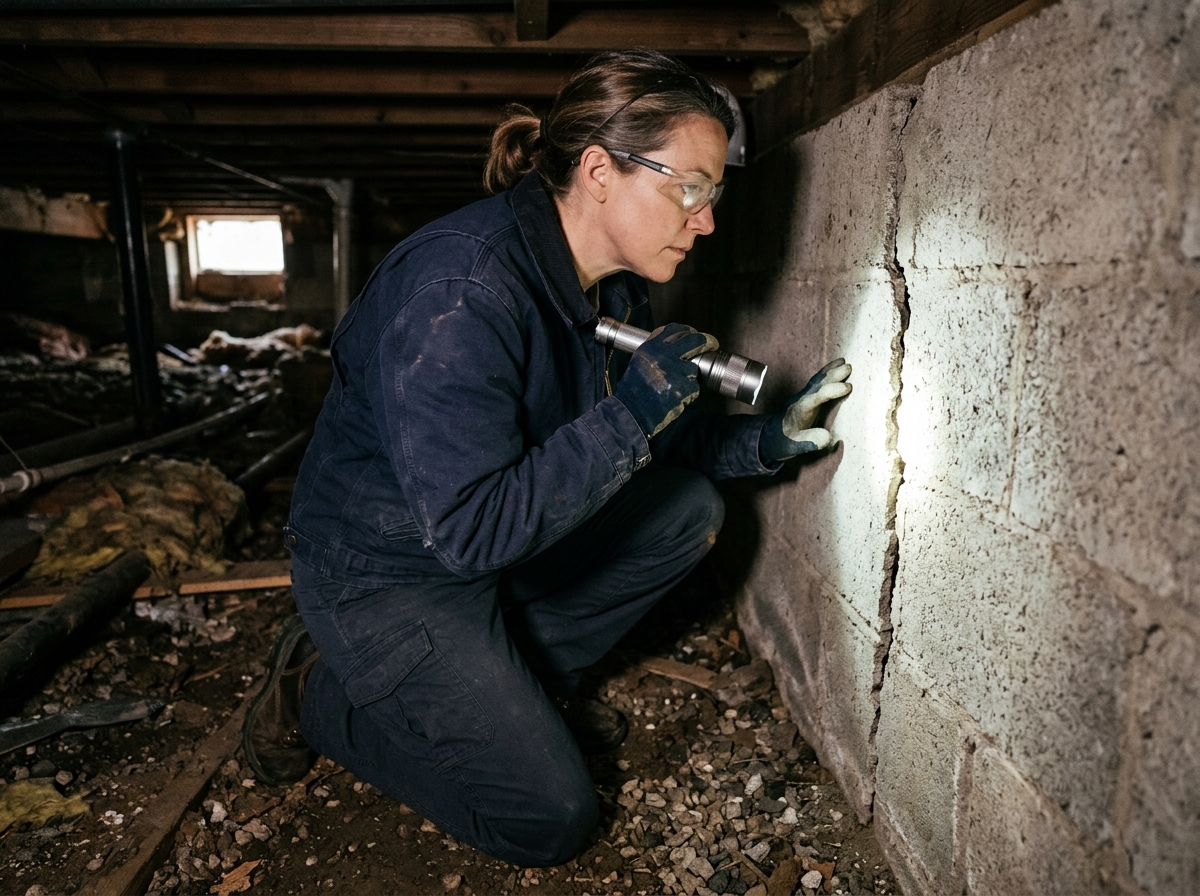
Foundation Cracks, Settling, and Sagging Floors Explained
When Cracking Is Considered Normal Wear
Every Florida home shifts a little over time. Concrete cures and contracts. Soil compresses under weight. This creates hairline cracks, usually thinner than a credit card, on interior walls or garage slabs. Insurers treat these as normal aging, not damage from a sudden event.
Most policies exclude wear and tear outright, so hairline cracking rarely triggers a payout. A small crack near a doorframe, or a stair-step crack in stucco under an eighth of an inch, usually falls into this category. Adjusters expect to see some of this in any home over ten years old.
Many homeowners search online for answers before filing, and threads like Foundation repair, will home owners insurance cover this? show how often this exact question comes up. The consensus is simple: normal settling almost never qualifies as a covered loss.
When Cracking Signals a Covered Loss
Not all cracks are harmless. Wide, active cracks, ones you could slip a coin into, or cracks that grow week to week, often point to a covered peril. A burst pipe, sudden sinkhole activity, or storm-driven water intrusion can cause this kind of rapid movement. These situations deserve a closer look, not a quick brush-off.
Sagging or uneven floors are another red flag. A floor that slopes noticeably, or doors that suddenly stick, often signals deeper structural movement below the slab. That’s a sharp contrast to cosmetic wear, and it points toward a specific triggering event.
Storm-related soil saturation sometimes plays a role too, especially after major hurricanes. Situations described in when disasters collide hurricane and water damage insuran… show how compounding events can speed up foundation stress. Documenting the timeline of new cracking matters a great deal for any future claim.
Recognizing the Warning Signs of Foundation Trouble
Foundation problems rarely announce themselves overnight. They build slowly, and many Florida homeowners miss the early clues. Learning to spot warning signs early can save thousands in repair costs and strengthen any insurance claim later.
Exterior Warning Signs
Start outside. The exterior often reveals foundation stress before it shows up indoors. Watch for these common indicators:
- Cracks in exterior brick or stucco that run diagonally or grow wider over a few months.
- Gaps forming between the foundation and the ground, especially after heavy rain.
- Exterior walls that appear to lean, bow, or pull away from the roofline.
- Doors and garage doors that no longer align properly with their frames.
- Uneven or sunken areas in the yard near the home’s perimeter.
Interior Warning Signs
Inside the home, signs often hide in small, everyday details. Sticking doors, sloping floors, cracked drywall near ceilings or windows, these are common early clues. Musty odors can also signal moisture intrusion tied to foundation movement, which sometimes overlaps with mold insurance claims.
Keep a simple log with dates, photos, and measurements whenever you notice changes. This record becomes valuable if you later need to prove damage progression. For guidance on communicating clearly with an adjuster, review what not to say when filing a home insurance claim in florida, and for background on how policies typically respond, see Does Homeowners Insurance Cover Foundation Repair?
Accidents, Flooding, and Faulty Construction: How Each Is Treated Differently
Accidental and Sudden Damage Claims
Sudden, accidental damage is the clearest path to coverage. If a burst pipe floods the basement overnight, or a fallen tree cracks the slab, insurers typically treat this as a covered peril. The key word is sudden. Damage that happens in a moment, not over months, fits standard policy language.
Adjusters look for a clear timeline. A pipe that burst yesterday leaves obvious water marks and a repair record. That evidence supports a fast, fair payout. Homeowners should photograph the scene right away and shut off water sources before things get worse.
This is also where distinguishing causes matters most. Understanding water damage vs flood damage claiming insurance can decide whether a claim gets approved or denied outright, since the two get treated very differently under most policies.
Flood, Storm Surge, and Earthquake Exclusions
Standard homeowners policies almost always exclude flood, storm surge, and earthquake damage. Florida homeowners need a separate flood policy, often through the National Flood Insurance Program, to cover foundation harm from rising water. Without it, a hurricane-driven storm surge that undermines a slab is an out-of-pocket expense.
Earthquake coverage works the same way, needing its own endorsement or standalone policy. These exclusions catch a lot of homeowners off guard, especially after a named storm. As this Does Homeowners Insurance Cover House Foundation … guide explains, reviewing your specific exclusions before storm season matters.
Construction Defect Disputes
Faulty construction is usually a builder liability issue, not an insurance matter. Poor soil compaction, undersized footings, or rushed pours point to defective work, not a covered peril. Homeowners often pursue the builder’s warranty or a construction defect claim instead of filing with their insurer.
These disputes can overlap with insurance claims when defects cause sudden secondary damage, like a wall collapse. Sorting out who’s responsible often takes careful documentation and, sometimes, legal guidance.
Steps to File a Foundation Repair Insurance Claim
Documenting and Reporting the Damage
Start documenting the moment you notice trouble. Take photos and video of every crack, gap, and uneven floor. Add dated notes describing when you first saw each problem. This record becomes your proof if the insurer later questions the timeline. As explained in “Does Home Insurance Cover My Foundation?“, insurers often scrutinize how quickly damage was reported and recorded.
Working With Adjusters and Engineers
Before trusting the insurer’s adjuster alone, hire an independent structural engineer. Their report carries weight because it’s unbiased. Many homeowners skip this step, then end up stuck with a lowball estimate they can’t challenge. The table below outlines the typical claim process in order.
| Step | Action | Why It Matters |
|---|---|---|
| 1 | Photograph and log damage | Creates dated proof of loss |
| 2 | Hire independent engineer | Provides unbiased damage assessment |
| 3 | Submit claim promptly | Avoids denial for late reporting |
| 4 | Keep all correspondence | Protects your position if disputed |
| 5 | Request written denial reasons | Reveals grounds for appeal |
What to Do After a Denial or Lowball Offer
If your claim is denied or underpaid, request a written explanation citing the specific policy language used. Compare it against your engineer’s report. This process mirrors how to file a hurricane insurance claim in florida, where documentation often makes or breaks an appeal.
Why Foundation Claims Get Denied or Underpaid
Common Denial Reasons Insurers Cite
Foundation claims get rejected for predictable reasons. Insurers often label real, sudden damage as wear and tear or normal settling. A cracked slab that showed up after heavy rain might get blamed on the home’s age instead of the actual event. That shifts the loss onto the homeowner, even when the timeline says something else caused it.
Another frequent tactic is calling the damage earth movement, a standard exclusion in most Florida policies. But earth movement and water-driven soil expansion aren’t always the same thing. Similar disputes show up in reasons water damage insurance claims get denied in florida, where adjusters blur the line between excluded natural shifting and covered plumbing or drainage failures.
Some denials rest on broad policy language stretched to cover situations it was never meant to address. A pipe burst under a slab, for example, may get denied entirely if the adjuster labels the resulting settlement “pre-existing,” even without any supporting evidence.
Red Flags That a Denial May Be Wrongful
One warning sign is a quick, surface-level inspection. If an adjuster spends ten minutes at the property and issues a denial letter days later, the review likely missed key details. Independent structural engineers often estimate repair costs two to three times higher than the insurer’s figure, which shows how much scope gets left out.
Watch for denial letters that cite exclusions without explaining how they apply to your specific damage. Vague language, copied paragraphs, or missing engineering reports all suggest the review wasn’t thorough. This video explains it well: Are Foundation Repairs Covered by Homeowners Insurance ….
Finally, compare the insurer’s damage description to what you actually saw. Mismatches often signal underpayment, not accuracy.
Protecting Your Home and Your Claim Before Damage Happens
Maintenance Steps That Reduce Risk
Florida’s soil and rainfall make routine maintenance essential. Simple upkeep can stop water from pooling near your home and weakening the soil beneath it. Small habits often save thousands in repair costs down the road.
- Grade the soil around your foundation so it slopes away from the house, keeping runoff from collecting near the walls.
- Clean gutters and downspouts regularly so rainwater flows away from the foundation instead of soaking into the ground below it.
- Install or maintain a drainage system, such as French drains, in yards that stay wet after storms.
- Check irrigation systems for leaks or overwatering near the home’s perimeter, since excess moisture softens supporting soil.
- Schedule regular inspections of crawl spaces, slabs, and exterior walls to catch hairline cracks or shifting while they’re still minor.
- Address plumbing leaks quickly, since slow leaks under a slab can silently erode support over months.
Reviewing Your Policy Before a Loss Occurs
Read your policy before trouble starts, not after. Many homeowners only learn about exclusions once a claim gets denied. Understanding your coverage ahead of time helps you plan and document properly. This is similar to how homeowners dealing with humidity issues benefit from learning about mold insurance claims protecting your home and health in… before mold ever shows up. Knowing your exclusions, deductibles, and required documentation in advance puts you in a stronger position if damage occurs.
When to Get Legal Help With a Foundation Insurance Dispute
Situations That Justify a Legal Consultation
Some denials deserve a second look from a professional. If an adjuster blamed normal settling without a full engineering inspection, that’s a red flag. If the payout barely covers materials, let alone labor, something is off. A settlement offer thousands of dollars below a contractor’s repair estimate is another sign worth checking out.
Timing matters too. Homeowners who filed after a named storm, then got a denial citing “pre-existing damage,” often benefit from a review. This pattern shows up in hurricane claims across the state. The guidance in what to do if youre unhappy with your hurricane idalia insurance settlement applies well beyond wind claims, including foundation disputes tied to storm surge or heavy rain.
Vague denial letters, missing inspection reports, or pressure to settle fast all justify asking a professional to review the file before you sign anything final.
What an Attorney Reviews in a Denied Claim
A thorough review starts with the policy language itself. Attorneys compare covered perils against the insurer’s stated reason for denial, checking whether the exclusion actually applies. They often bring in independent engineers to re-inspect the foundation, sometimes uncovering causes the insurer’s adjuster missed or misclassified.
This process can reveal bad faith claims handling, like ignoring photo evidence or rushing an inspection. Attorneys also request the insurer’s full claim file, comparing internal notes to the final denial letter for inconsistencies.
Because legal teams often work on contingency, homeowners pay nothing upfront. Fees only apply if the case succeeds, which removes the financial barrier to challenging an unfair result.
Frequently Asked Questions About Foundation Repair Coverage
Coverage and Policy Questions
Standard flood insurance through the National Flood Insurance Program covers certain flood-related foundation damage, but it works differently than a homeowners policy. It can pay to rebuild a foundation destroyed by rising floodwater, up to policy limits, often capped around $250,000 for the structure. However, flood insurance will not fix cracks caused by soil settling, tree roots, or poor construction. It only responds when water is the direct, documented cause.
Many Florida homeowners add flood coverage after storms like Hurricane Idalia, hoping it fills every gap. It helps with storm surge damage, but it won’t cover a foundation weakened by years of drainage problems. Reviewing both policies side by side, ideally with an adjuster’s help, shows exactly where flood coverage starts and stops before disaster hits.
Claims and Dispute Questions
Full coverage after a hurricane is possible, but it depends heavily on documented cause. If wind-driven rain or storm surge directly cracked a slab, insurers sometimes pay the entire repair cost. This happened for some homeowners after filing an insurance claim after Hurricane Idalia, where clear storm evidence supported full payouts. Partial payments remain more common, especially when adjusters suspect pre-existing wear.
A denied claim isn’t always final. New evidence, like an engineer’s report or updated photos, can justify reopening a case within the state’s filing deadlines. Insurers must reconsider claims when fresh proof contradicts their original denial. Homeowners who felt rushed or dismissed the first time often find success by requesting a second inspection.
If your foundation damage claim has been denied or lowballed by your insurance company, you don’t have to accept that outcome as final. Krapf Legal specializes in helping home and business owners who’ve been wrongfully denied or underpaid on property insurance claims, and they advance the time and money needed to prove you’re owed more, with no fees unless they win. Visit Krapf Legal today to book a consultation and find out what your claim is really worth.