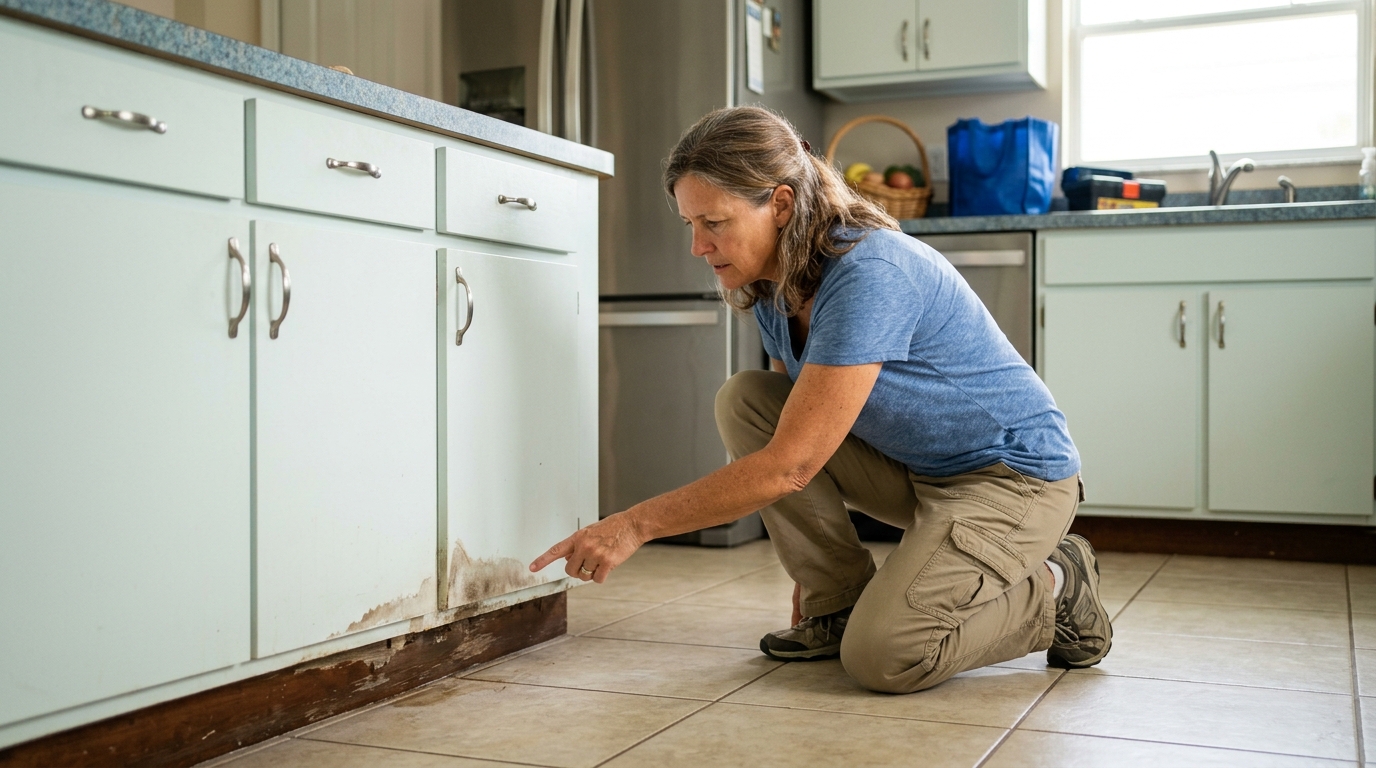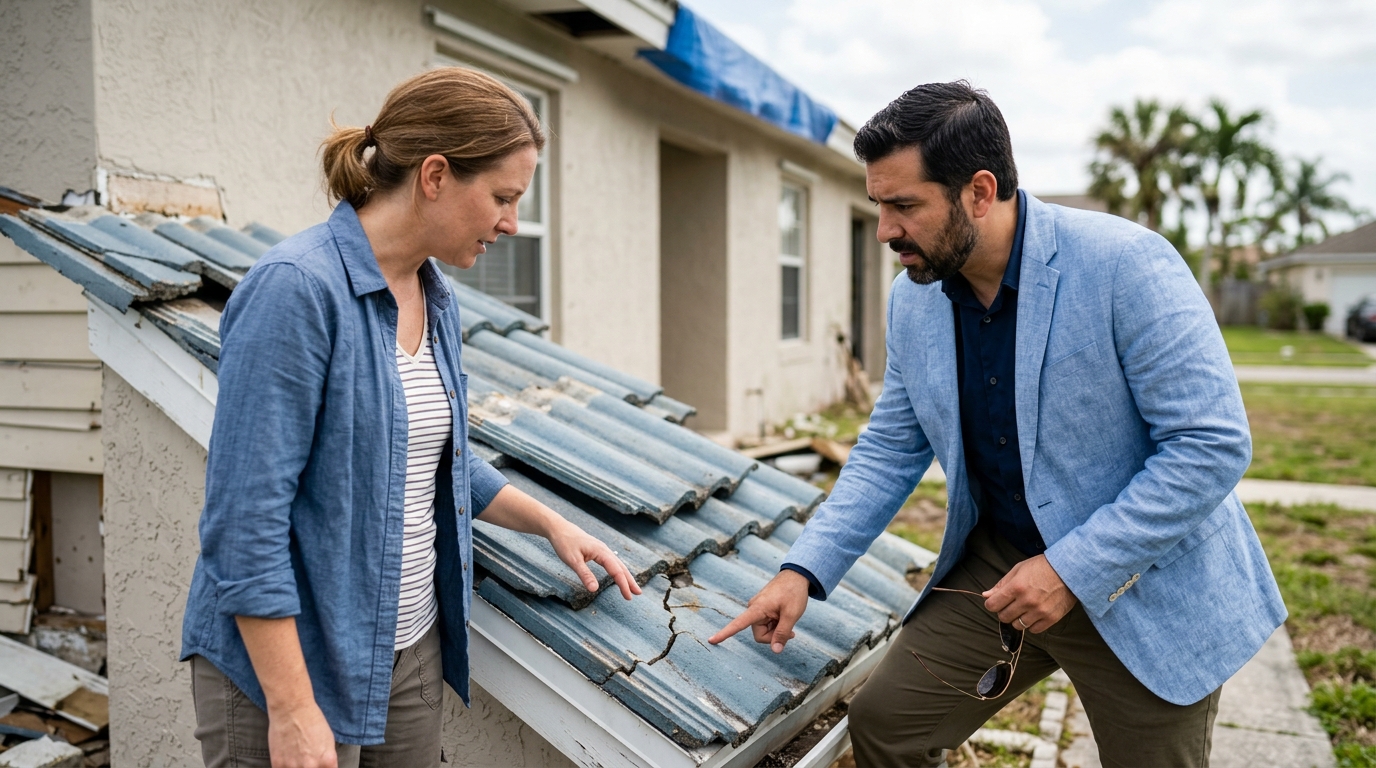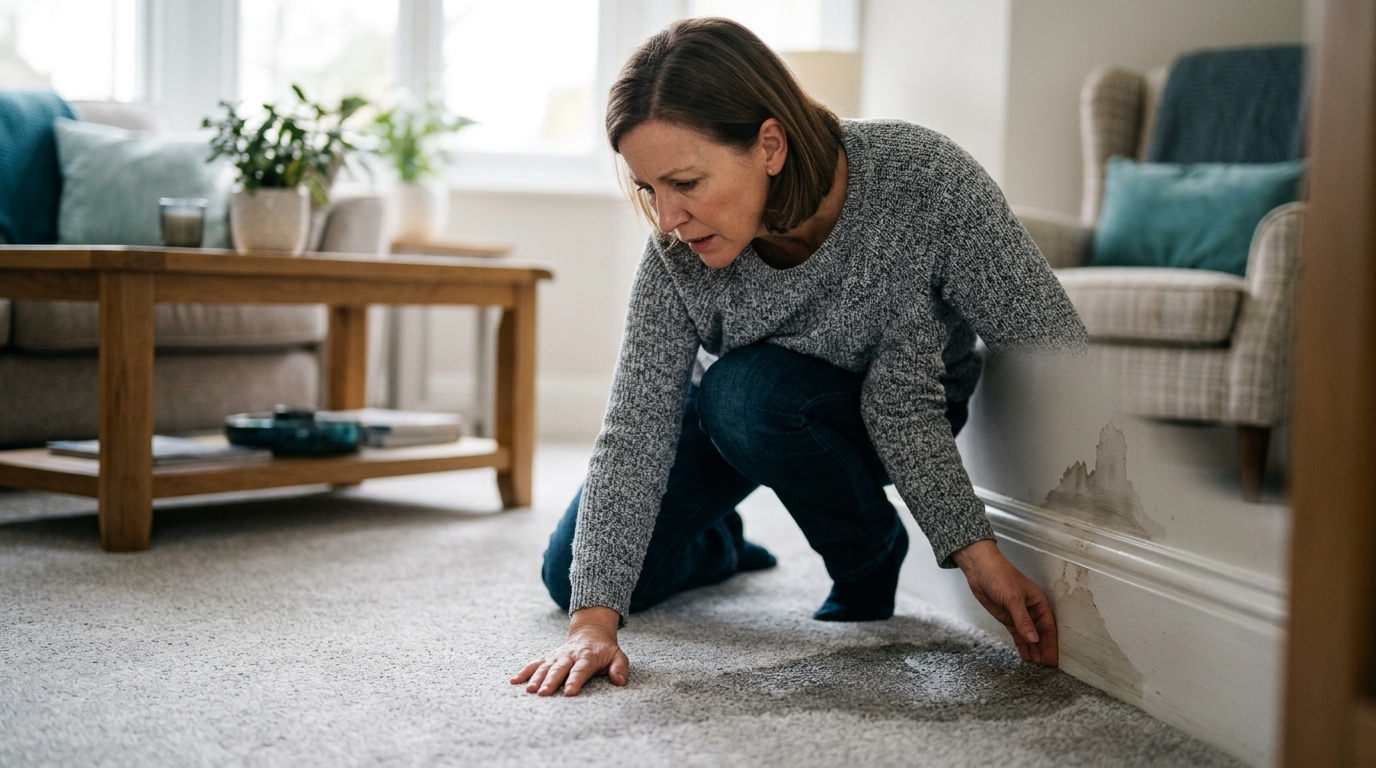
Water is seeping through your ceiling. Your floors are warped. And your insurance company just sent you a denial letter. It’s a gut punch. If you’re asking does house insurance cover water damage, the honest answer is: it depends, and Florida insurers know how to exploit that ambiguity. Here’s what you actually need to know in 2026 before you accept their word for it.
Does house insurance cover water damage
The general rule insurers apply
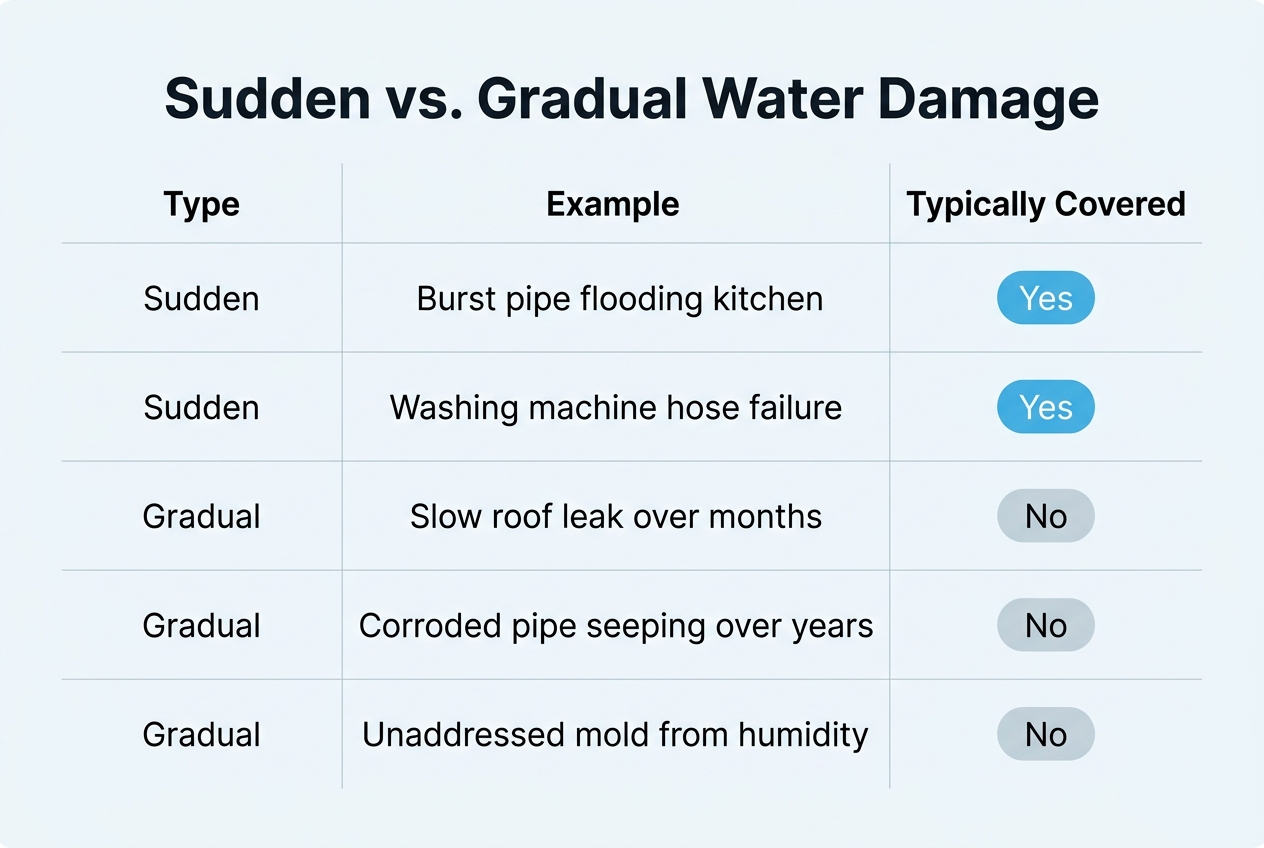
Here’s the short version: most Florida homeowners policies cover water damage that’s sudden and accidental. Think a pipe that bursts overnight, or a water heater that fails without warning. What they don’t cover, as a rule, is damage that built up slowly over weeks, months, or years. A slow leak behind a wall that finally rots the drywall? That’s often treated as gradual deterioration. Insurers will lean on that distinction hard.
This is also where flood coverage gets confused with water damage coverage, and the two aren’t the same thing. Standard homeowners policies generally exclude flooding from rising water outside the home. That’s why separate flood insurance exists. If you’re in a hurricane-prone area, it’s worth pairing your understanding of everyday water damage rules with an essential guide to hurricane preparedness, since storm surge and wind-driven rain get treated very differently under most policies.
Why the source of water matters most
Coverage almost always comes down to one question: where did the water come from, and how fast did it happen? A supply line that snaps is one story. Water seeping in through a cracked roof over two rainy seasons is another story entirely, even if the end result looks similar once the drywall’s ruined. Adjusters know this distinction cold. They’ll use it.
That’s exactly why insurers frequently dispute causation. It’s often the single biggest reason a legitimate claim gets denied or underpaid. An adjuster might argue the pipe had been leaking for months before it fully failed, shifting a covered event into an excluded one on paper alone. Mold is a frequent flashpoint here too, since insurers routinely try to characterize mold growth as a maintenance issue rather than a consequence of a covered water loss; resources that explain does my insurance policy cover mold damage understanding the limits involved can help you spot a weak denial. State regulators also publish plain guidance on When are water damage and mold covered by insurance? that’s a useful sanity check before you accept an insurer’s version of events.
Before filing anything, read your actual policy language, not the summary sheet. Know your exclusions. That’s step one, not an afterthought.
Sudden and accidental damage vs. gradual deterioration
Examples of sudden events insurers typically pay
Florida policies are generally built to respond to the sudden, the shocking, the “nobody saw this coming” kind of loss. A pipe bursts under your kitchen sink at 2 a.m. and floods the cabinets. A washing machine hose blows out mid-cycle. A storm rips a section of shingles loose and rain pours through the attic before you can even get a tarp up. These are the textbook cases where coverage usually applies, because the damage has a clear start time and an obvious cause.
Water heaters, dishwashers, and ice makers fail this way too, often without warning. Insurers tend to treat these events as accidental and unavoidable, which is exactly the kind of risk homeowners insurance was designed for. If a hurricane drives water through a broken window or a damaged roofline, that’s storm-driven intrusion, not neglect. Reviewing practical tips when filing a home insurance claim for water damage before you call your adjuster can help you document the event the right way from day one.
Why ‘gradual’ labels lead to denials
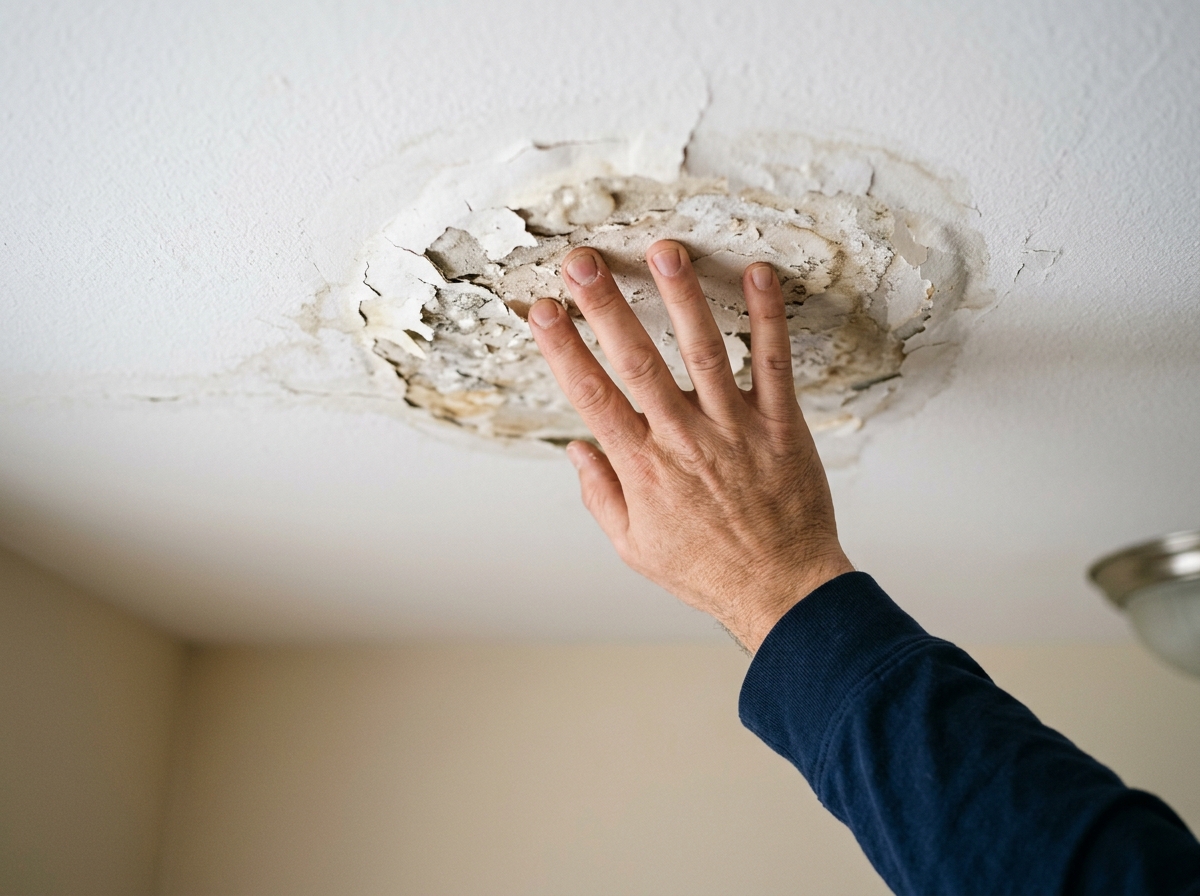
Now the flip side. A slow leak behind a wall or under a tile floor doesn’t announce itself. It seeps for weeks, sometimes months, warping wood and feeding mold colonies quietly in the dark. By the time you notice a soft spot in the floor or a musty smell, an adjuster may look at the staining, the rot, the mold growth, and label it “wear and tear” or “long-term deterioration.” That label is a denial in disguise.
Here’s the frustrating part: the damage can be just as severe, sometimes worse, than a sudden burst pipe. But insurers lean hard on policy language excluding gradual loss, and they’ll use every visual clue against you. Discolored drywall, layered water stains, corroded pipe fittings — all of it gets cited as proof the problem existed long before you filed. It’s a convenient argument for the company writing the check.
This is why documentation of onset timing matters so much. Photos, maintenance records, plumber invoices, even a dated text to a neighbor about a strange sound in the wall can establish that the failure was recent and sudden, not a slow decline you ignored. Independent guidance on Does Home Insurance Cover Water Damage? reinforces how much these classification details shape the outcome. Without that paper trail, you’re just hoping the adjuster believes you — and hope isn’t a claims strategy.
Common causes of water damage and how policies treat them
Not all water damage gets treated the same by your insurer. The cause matters more than the mess itself, and that distinction decides whether you get paid or get a denial letter. A pipe that bursts overnight is a different animal, legally speaking, than a slow leak you ignored for six months.
Here’s a quick breakdown of the most common causes and how standard Florida homeowners policies generally respond.
| Cause | Typically covered? | Common catch |
|---|---|---|
| Burst or frozen pipe | Yes | Sudden pipe failures are usually covered, but neglected plumbing may not be. |
| Appliance or water heater failure | Yes, usually | Covers the water damage; often excludes replacing the appliance itself. |
| Roof leak after storm | Depends | Wind-driven damage is covered; long-term wear or a neglected roof isn’t. |
| Overflow from tub or toilet | Yes, usually | Covered if sudden; repeated overflows suggest a maintenance issue. |
| Sewer or drain backup | Only with endorsement | Requires a separate rider; many homeowners skip it and get burned. |
Notice flooding isn’t even on that list. That’s intentional. Standard homeowners policies never cover flood damage, full stop, regardless of cause. You need a separate flood policy through the National Flood Insurance Program or a private flood carrier for that. Roof leaks deserve special attention too, since insurers love to argue the damage came from wear and tear rather than storm impact. If you’re dealing with a leak after a hurricane or tropical system, understanding what you need to know about roof damage claims in florida can help you spot when an insurer’s denial doesn’t hold up. Sewer backups trip people up constantly, mainly because they assume it’s automatic coverage when it’s not. And appliance failures are their own headache: some adjusters try to lump the whole claim under “mechanical breakdown,” which pays far less than water damage coverage should.
What’s typically excluded from a standard policy
Every standard homeowners policy has gaps. Knowing where they are matters just as much as knowing what’s covered. Skip this part, and you’ll find out the hard way, usually right after a storm, when the adjuster hands you a denial letter instead of a check.
Flooding and seepage
Florida homeowners often assume rising water is covered under their standard policy. It isn’t. Flood damage requires its own separate policy, typically through the National Flood Insurance Program or a private flood carrier. Here’s what falls outside a standard homeowners policy and needs its own protection:
- Storm surge that pushes seawater into ground-floor living spaces during a hurricane or tropical storm event.
- Overflowing rivers, lakes, or canals that breach their banks and flood surrounding neighborhoods after heavy rainfall.
- Rising groundwater that seeps upward through slabs, crawl spaces, or basement floors over time.
- Water that enters through foundation cracks during prolonged wet seasons, even without a single dramatic storm event.
Anyone filing a hurricane-related claim should understand how wind damage and flood damage get treated as two completely separate issues, since coverage limitations for wind and flood damage catch a lot of homeowners off guard. Seepage, specifically, is almost always excluded outright, regardless of how the water got there.
Neglect and maintenance failures
Insurers deny claims tied to poor upkeep constantly. If a pipe’s been dripping for months and you never noticed, that’s on you, not the insurer.
- Long-term plumbing neglect, like a slow leak under a sink that finally rots the cabinet floor, gets classified as a maintenance failure rather than a sudden loss.
- Sewer backup damage is excluded unless you purchased a specific endorsement adding that coverage, which many homeowners skip to save a few dollars a month.
- Mold that develops from an unaddressed leak often comes with capped coverage, sometimes as low as $10,000, regardless of the actual remediation cost.
- Deferred roof maintenance, worn flashing, or ignored warning signs can void an otherwise valid claim entirely.
Documentation is your best defense here. Learning proper tips for assessing property damage for insurance claims helps you build a record before disputes even start. It’s also worth reviewing state-level guidance on leaks, water damage and mold to understand how insurers typically categorize these losses.
Does homeowners insurance cover rain and mold damage
Rain damage after storms
Florida gets battered by wind and rain every hurricane season, so this question comes up constantly. The general rule: if a storm rips off shingles or blows out a window and rain pours through that new opening, you’re typically covered. The wind is the covered peril, and the rain that follows is treated as part of the same loss. Insurers usually pay for both the structural repair and the interior damage that resulted, though you’ll want documentation showing the timeline of events clearly.
Here’s where it gets messier. If your roof was already weak, patched, or past its expected lifespan, and rain seeps in through that old damage, don’t expect a check. Insurers will point to pre-existing deterioration and deny the claim outright. That distinction between storm-created openings and gradual wear is one of the most common reasons Florida claims get contested, and it’s worth understanding Does Home Insurance Cover Water Damage From Rain? before you assume a payout is guaranteed.
Adjusters often send out roofing inspectors specifically to look for prior wear and tear. If they find granule loss, soft spots, or old flashing issues, they’ll use it against you. That’s frustrating, but it’s also predictable. Keep roof maintenance records if you can.
Mold coverage limitations
Mold is one of the most restricted areas of a standard homeowners policy. Most insurers cap mold remediation at a low dollar limit, often $10,000 or less, regardless of how extensive the damage actually is. Others exclude mold entirely unless it’s a direct result of a covered peril, like a sudden pipe burst rather than a slow, unnoticed leak behind a wall. That connection to a covered event matters enormously, since a similar logic applies when homeowners ask whether does homeowners insurance cover burst pipes that led to mold growth.
Some carriers sell optional mold endorsements that raise the coverage limit or broaden what qualifies. It’s worth asking your agent whether one’s available, especially in Florida’s humidity. Without it, you’re often on your own financially once mold sets in.
And if your insurer denies a mold claim you believe is legitimate, or drags its feet reviewing it, that can cross into bad faith territory. Learning about fighting insurance bad faith in florida a guide to gettin… is a smart move if you feel like you’re being stonewalled. Mold claims get lowballed often. That’s just the reality.
Steps to take after discovering water damage
The first hour after you spot water damage matters more than most homeowners realize. What you do — and don’t do — in that window can shape whether your claim gets paid in full or picked apart later. Think of it as triage: stop the bleeding, then document everything before you touch anything.
Start by shutting off the water source if it’s safe to do so. A burst pipe under the sink? Close the valve. A leaking water heater? Kill the supply line. Don’t wade into standing water near electrical outlets or panels — that’s not worth the risk. Once it’s safe, grab your phone and start documenting: wide shots of each room, close-ups of damaged flooring or drywall, and video walkthroughs with timestamps. This becomes your evidence file, and it’s far more persuasive than a written description weeks later.
Below is a rough sequence most Florida homeowners should follow, roughly in order:
| Step | Action | Why it matters |
|---|---|---|
| 1 | Stop the water source | Limits further damage and shows you tried to mitigate loss |
| 2 | Photograph and video everything | Creates a timestamped record insurers can’t easily dispute |
| 3 | Call a mitigation company | Prevents mold growth and secondary damage within 24-48 hours |
| 4 | Review your policy | Identifies coverage triggers, sublimits, and exclusions before you file |
| 5 | Report the claim in writing | Keeps a paper trail and starts the insurer’s response clock |
Once you’ve filed, resist the urge to sign anything an adjuster hands you on the spot. Understanding how to maximize a water damage claim often comes down to patience — early settlement offers rarely reflect the full cost of repairs. Keep every email, letter, and estimate organized, because gaps in correspondence tend to work against homeowners, not for them.
When your claim gets denied or underpaid
Signs your claim was wrongfully denied
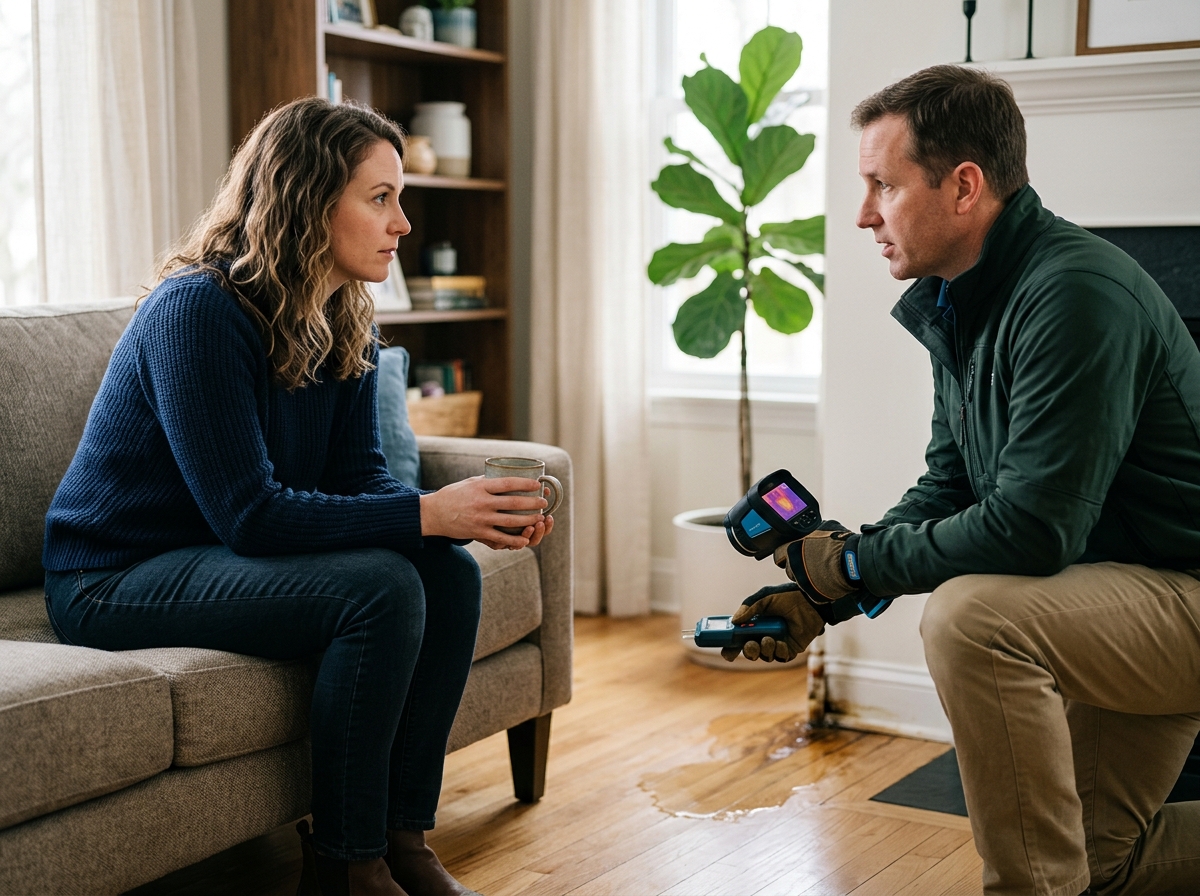
Insurers deny water damage claims for lots of reasons, but some show up again and again. “Gradual damage” is the big one. If the adjuster decides your leak built up slowly over months rather than happening suddenly, your claim can get tossed out entirely. “Lack of maintenance” is the other favorite excuse — the insurer argues you should have caught the problem sooner. Sometimes that’s fair. Often, it’s not. There’s a real difference between neglect and a hidden pipe failure nobody could have seen coming, and understanding the common reasons water damage insurance claims get denied in florida helps you spot a weak denial letter when you see one.
Underpayment is trickier because it looks like the insurer did its job. They sent an adjuster, they cut a check — just not the right amount. This happens when the scope of repair gets shrunk on paper, or when cheaper materials get substituted for what your home actually needs. A hardwood floor replacement quoted as laminate. Drywall repair priced without factoring in mold remediation. It adds up fast, and homeowners rarely notice until contractor bids come back higher than the settlement.
How attorneys negotiate for fair payouts
You don’t have to accept the first number. Policyholders can request a re-inspection, or bring in an independent appraiser to challenge the insurer’s figures. That alone resolves some disputes. But when an insurer keeps stonewalling, or the denial reasoning doesn’t match the facts of your claim, that’s usually when a lawyer gets involved — and it’s worth knowing Does Homeowners Insurance Cover Water Damage? answers vary depending on cause, policy language, and state rules, which is exactly why these disputes get messy.
An attorney knows what bad-faith tactics look like: delayed responses, lowball offers with no itemized breakdown, denials that cite exclusions that don’t actually apply. Recognizing the pattern is half the battle. From there, it’s about building a documented case — repair estimates, photos, expert opinions — and pushing the insurer toward the full policy value instead of a quick settlement. It’s not glamorous work. It’s persistent, paperwork-heavy, and it pays off.
Most reputable firms review denied and underpaid claims at no upfront cost, so there’s little downside to getting a second opinion before you sign off on a settlement that shortchanges you.
How Krapf Legal helps Florida homeowners recover what they’re owed
Fighting a denied or underpaid claim on your own is exhausting. You’re dealing with adjusters, deadlines, and dense policy language, all while trying to fix a wet ceiling or a moldy floor. That’s why the right kind of help starts before you sign anything or pay a dime.
A free case evaluation gives you a clear read on whether your claim was handled fairly, with no obligation attached. It’s a chance to have someone who actually understands policy language look at your denial letter and tell you straight: is this worth pursuing, or not. From there, most representation works on a contingency basis, meaning nothing is owed unless money actually comes back to you.
- A team structure with managing and associate attorneys means water, mold, storm, and fire claims each get handled by someone who works that specific type of loss regularly, not a generalist juggling everything at once.
- A track record built on tens of millions recovered and thousands of homeowners consulted gives you a rough sense of how these disputes tend to play out and what fair settlements look like.
- Direct communication with your insurer takes the burden off your shoulders, so you’re not the one arguing over coverage language while you’re also trying to dry out a house.
- Guidance through the paperwork, deadlines, and documentation that insurers demand cuts down on the small mistakes that get claims delayed or denied outright.
- A quick response window, typically one to two business days, matters because Florida’s claim deadlines don’t wait around for you to find the right help.
- A local presence in Clearwater means someone familiar with Florida-specific storm and water damage patterns is reviewing your file, not an out-of-state call center.
If your denial mentioned mold, it’s worth understanding how those claims get evaluated differently before you respond, since mold insurance claims what you need to know often hinge on timing and cause. And if you’re still unsure what your policy actually promises, reviewing general guidance on Does Homeowners Insurance Cover Water Damage? is a reasonable place to start. Reaching out costs nothing, whether that’s a call to (727) 777-7450 or an email to intake@krapflegal.com.
If your insurance company has denied or underpaid your water damage claim, you don’t have to navigate the fight alone. The team at Krapf Legal, located at 2790 Sunset Point Rd in Clearwater, FL, has recovered over $58,000,000 for Florida home and business owners and only gets paid when they win your case. Give them a call at +1 727 777 7450 or reach out to intake@krapflegal.com for a free consultation, and let their attorneys help you get the fair compensation you deserve.