You’ve spotted the telltale mud tubes or crumbling wood, and now you’re staring down a repair bill that could run into the thousands. So you ask the obvious question: does home insurance cover termites? Here’s the short answer: almost never. But before you accept a denied claim as the final word, you need to understand why insurers draw this line—and what options you still have as a Florida homeowner in 2026.
Does Home Insurance Cover Termites
Why termite damage is treated differently from storm or fire damage
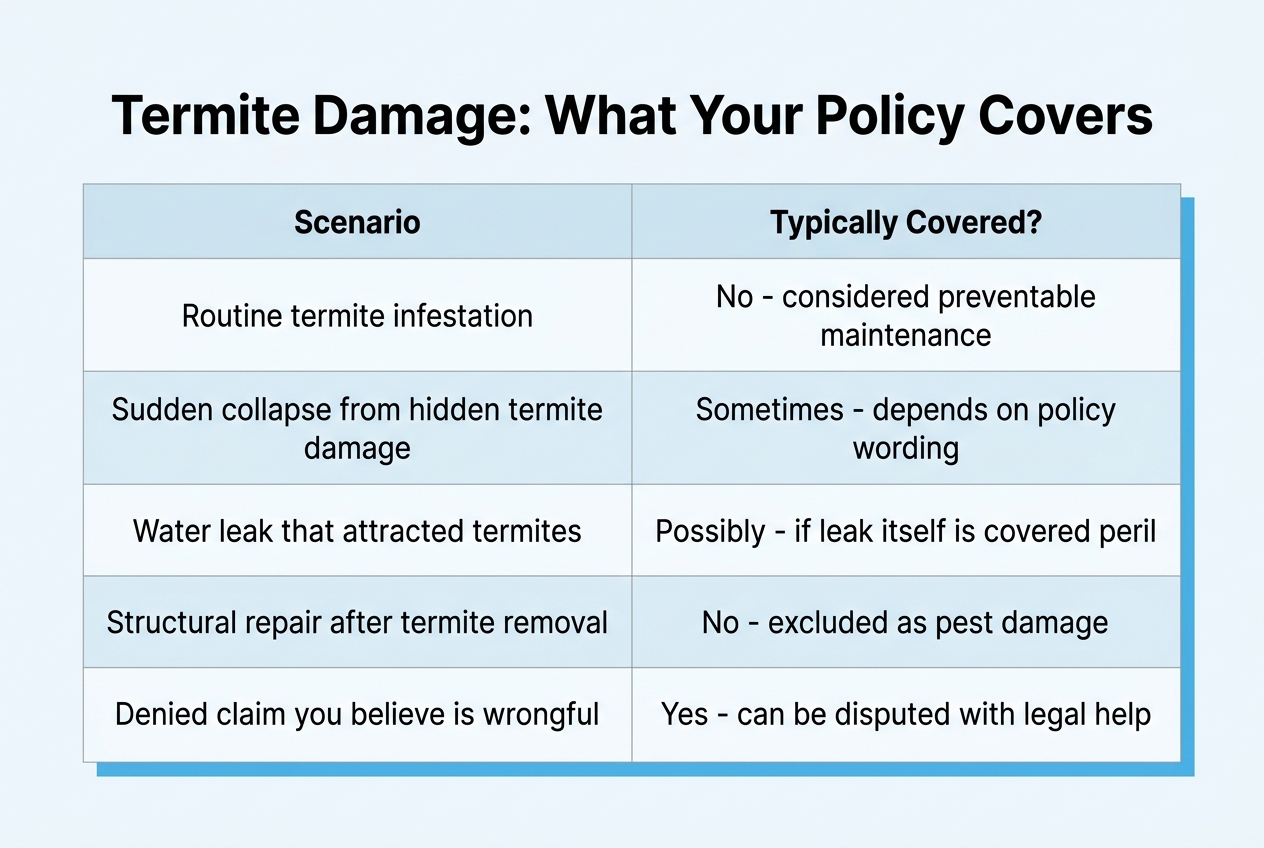
Standard homeowners policies generally exclude termite damage. Some policies, however, cover a qualifying abrupt collapse caused by hidden insect damage that the insured did not know about before the collapse. Check the policy’s collapse coverage and conditions (Citizens collapse provision reproduced in Escobar v. Citizens). Understanding your homeowners insurance policy from the start helps you spot these gaps before termites ever become a problem, which is why understanding your homeowners insurance policy matters so much in a termite-heavy state like Florida.
The reasoning comes down to how insurers classify risk. Storms, fires, and burst pipes are sudden events — things that happen to you. Termite infestations, on the other hand, are viewed as a slow, preventable maintenance failure. Something that built up over months or years while nobody was watching. Insurers argue that regular inspections would’ve caught it early. Fair or not, that’s the industry logic, and it’s baked into nearly every policy exclusion you’ll find nationwide.
There are narrow exceptions, though they’re rare. If termites happen to cause damage that overlaps with a covered peril — say, chewing through wood that was already weakened by a hidden leak — you might have a partial claim. Florida’s humid, subtropical climate makes termites practically inevitable, which insurers use as further justification for excluding them entirely. They’ll say it’s a known, foreseeable risk, not a fluke, and that homeowners are expected to manage it themselves through regular pest control and inspection, not insurance.
Why Insurers Exclude Termite and Pest Damage
Insurance is built to cover the sudden and the accidental. Termites don’t fit that mold, and insurers know it. Every standard homeowners policy in Florida treats pest activity as something you were supposed to catch and stop, not something that happened to you. That framing shapes every exclusion clause on the books.
Common exclusion wording found in Florida policies
Most policies bucket termite damage under “maintenance” or “wear and tear” language, treating it the same way they’d treat a rotting deck or a rusted pipe. The logic: infestations build slowly, over months or years, and a reasonable homeowner should have spotted the warning signs long before the damage got serious. That’s the core argument insurers lean on to deny nearly every termite claim. Whether it’s fair is a separate question — but it’s the standard they apply.
The table below lays out how covered perils differ from the excluded ones in typical policy language.
| Peril | Coverage Status | Insurer’s Reasoning |
|---|---|---|
| Fire damage | Covered | Sudden, accidental event |
| Wind damage (hurricane) | Covered, often with separate deductible | Sudden, external force |
| Sudden water discharge (pipe burst) | Covered | Unexpected mechanical failure |
| Termite/pest infestation | Excluded | Gradual, preventable with inspection |
| Mold from long-term neglect | Excluded | Result of unresolved maintenance issue |
Notice the pattern: anything labeled sudden gets paid, anything labeled gradual doesn’t. That’s oversimplified, honestly, but it’s how adjusters are trained to read a claim file. This mirrors how most standard policies handle termite damage nationwide, not just in Florida. You’ll also see nearly identical phrasing around “faulty maintenance” or “insect damage” buried in the exclusions section of almost every policy, regardless of carrier. It’s boilerplate at this point — copied, tweaked, and reused for decades.
Recognizing Termite Damage Before It Spreads
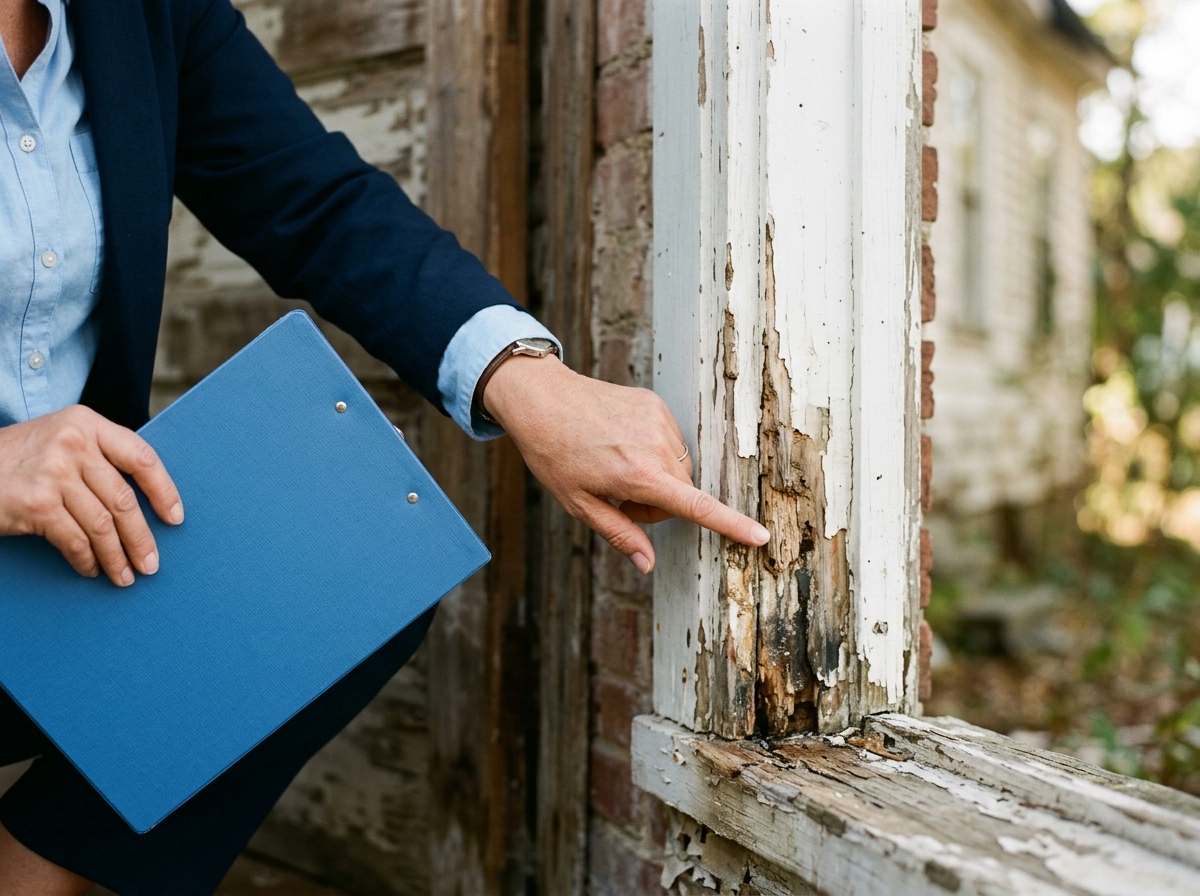
Termites work quietly. That’s what makes them dangerous. A colony can chew through structural wood for months, even years, before anyone notices a problem. By the time damage is obvious, repair costs have often climbed into the thousands. Catching the early warning signs matters, whether you’re trying to protect your home’s structure or trying to document a claim tied to a covered peril like a storm or a burst pipe.
Here’s what to look for during a routine walk-through of your home, especially in older Florida properties with crawl spaces or slab foundations:
- Wood trim, baseboards, or studs that sound hollow or papery when you tap them with a knuckle or screwdriver handle.
- Floors that sag, dip, or feel spongy underfoot, particularly near exterior walls or bathrooms where moisture collects.
- Paint that bubbles or bulges, or drywall that buckles slightly, even though there’s no visible water source nearby.
- Thin, pencil-width mud tubes running along foundation walls, piers, or crawl space supports, which termites build to travel safely between soil and wood.
- Small piles of discarded wings near windowsills or doors, a sign that a swarm recently occurred.
- Sawdust-like frass collecting near baseboards, which drywood termites push out of their tunnels as they feed.
Press a suspect board with a screwdriver. If it crumbles, flakes, or gives way easily, that’s active or past termite feeding, not just old wood. Coverage questions become a lot more relevant once you’ve actually spotted these signs in your own home, since the source of the damage often determines what happens next.
When a Covered Peril and Termite Damage Overlap
How adjusters use termite findings to deny water or storm claims
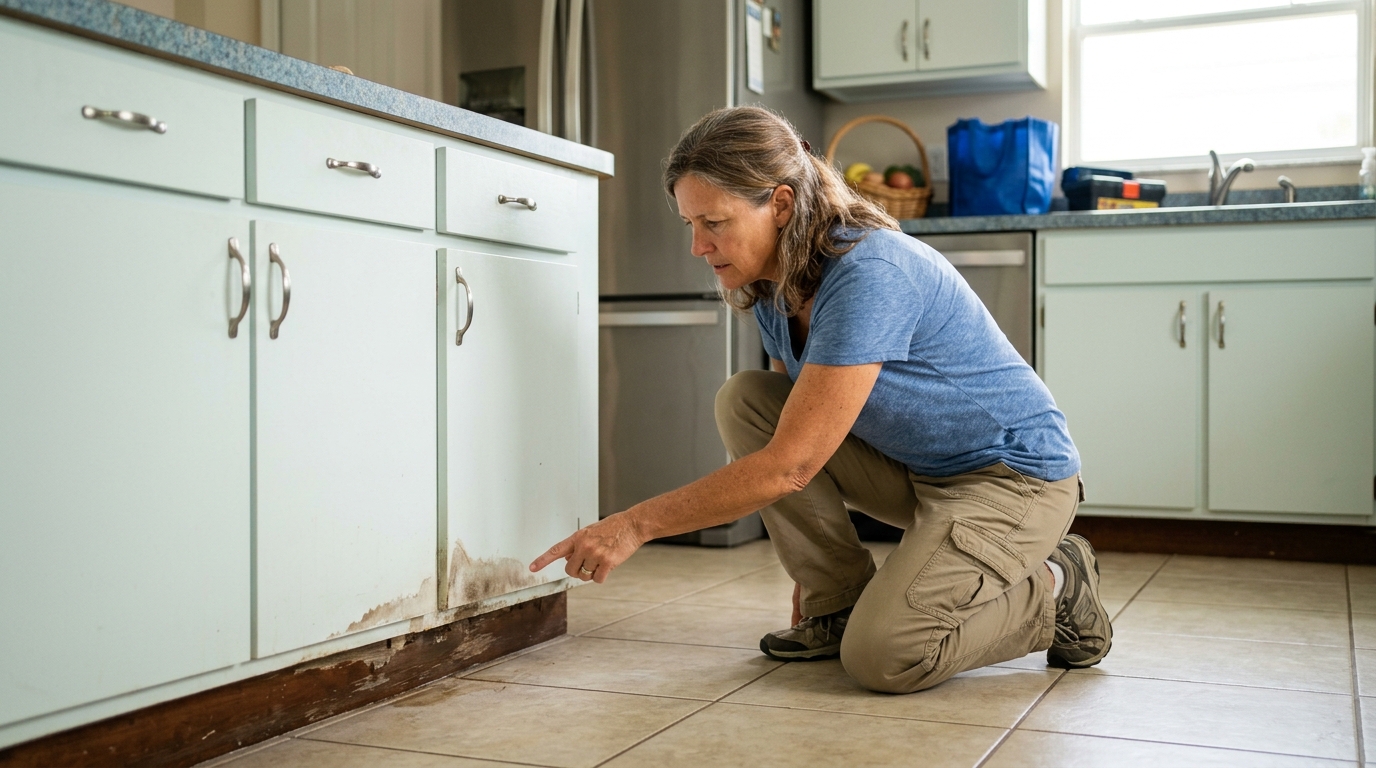
A slow leak under your kitchen sink can go unnoticed for months, quietly softening the subfloor. That can be covered water damage, depending on how your policy treats leaks that continue over time. But once wood turns soft and damp, it becomes a magnet for termites, and if they move in before you spot the leak, the whole claim can suddenly look like a pest problem instead of a plumbing one. The original cause matters more than what the adjuster sees last. If the leak is covered, bugs found afterward don’t erase that.
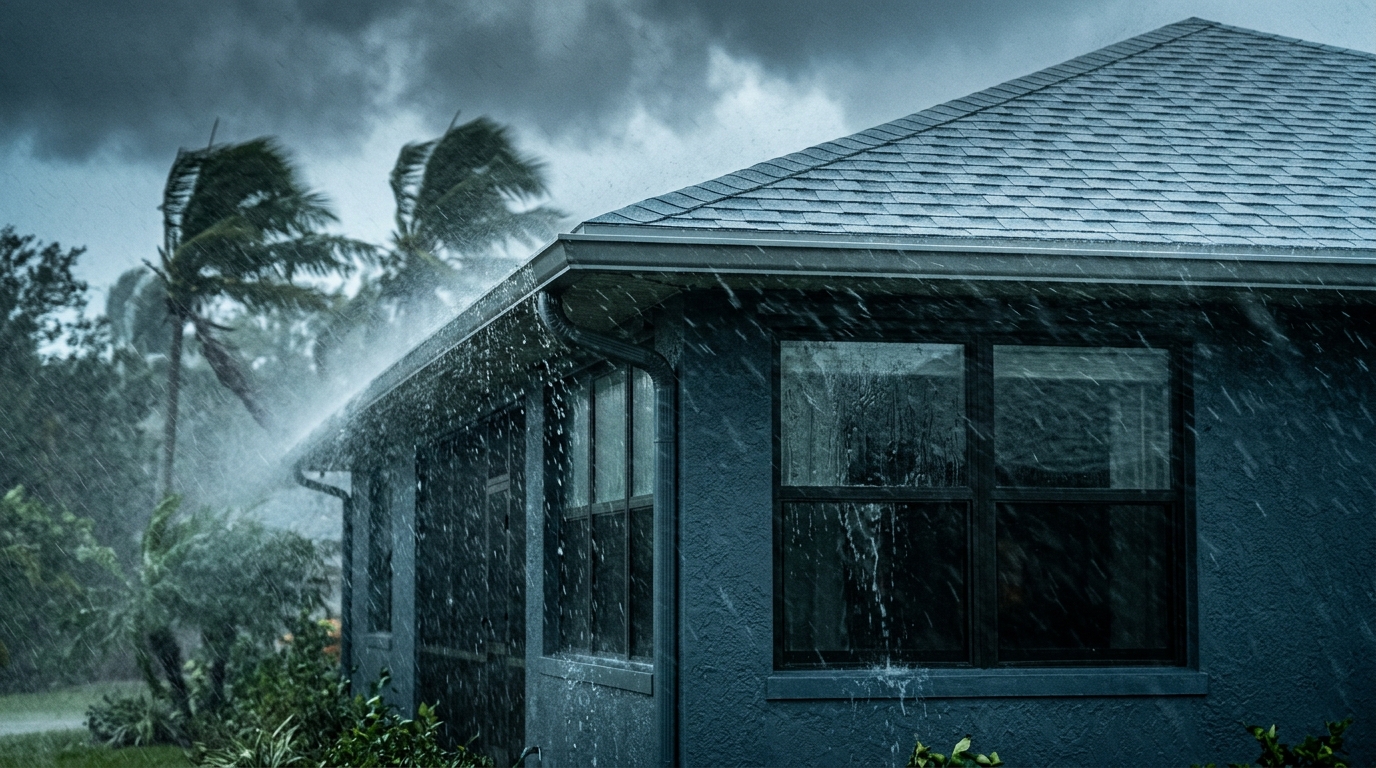
Hurricanes create a similar mess. Wind-driven rain can tear into a roof, expose framing, and leave structural wood soaked and vulnerable for weeks before repairs happen. If termites or wood-boring insects find that exposed lumber during the delay, insurers sometimes point to the infestation and claim the whole loss is excluded. Understanding how hurricane and water damage claims interact helps you push back when a carrier tries to fold storm exposure into a pest exclusion.
Here’s the blunt truth: many adjusters would rather label a loss “termites” than “storm” or “plumbing,” because one is excluded and the other isn’t. It’s the cheaper answer for them. Underpayment follows the same logic — carriers often lowball wind claims the same way they misattribute pest damage, which is why so many homeowners end up researching why wind damage claims get underpaid after a storm. Distinguishing the proximate cause — the event that actually started the damage chain — is what separates a fair payout from a denial letter that lumps everything under an exclusion it doesn’t belong under.
Preventing Infestations and Protecting Your Coverage Position
Since termite damage almost never qualifies as a covered peril, your best move is stopping it before it starts. But prevention does double duty here: it also builds a paper trail that helps if a related claim, like one for water damage or wood rot after a storm, ever gets disputed. Insurers look hard at maintenance history when they’re deciding whether to pay, and a homeowner who can prove diligence is in a much stronger spot than one who can’t.
Think of this as risk management, not busywork. Documentation is your leverage. A few habits go a long way toward both keeping termites out and keeping your file defensible:
- Schedule annual termite inspections with a licensed pest control company and keep the dated reports somewhere you can find them fast.
- Eliminate wood-to-soil contact around the foundation, including firewood stacks, mulch piled too high, and old fence posts touching the house.
- Repair leaks the moment you spot them, since standing moisture attracts termites and makes it harder to prove what actually caused the damage later.
- Maintain gutters and downspouts so water drains away from the structure instead of pooling near the foundation or soaking the siding.
- Keep every receipt for pest control treatments, bait station services, and repairs, filed by date, as proof you’ve stayed on top of the problem.
None of this guarantees a payout. Termite exclusions are written to be airtight, and no maintenance log changes that. Still, if a covered peril like a burst pipe or hurricane wind creates conditions termites later exploit, that paperwork can matter, so keep it organized before disputes arise. Foundation issues often tangle with pest damage, too, so understanding does home insurance cover foundation repair can clarify where one problem ends and another begins.
Homeowners Insurance vs Termite Bonds and Pest Coverage
What a termite bond typically does and doesn’t pay for
A termite bond isn’t insurance. It’s a service contract you buy from a pest control company, and it’s a completely different animal from your homeowners policy. Most bonds guarantee free retreatment if termites show up again after initial treatment. Some include repair coverage, with obligations and limits set by the actual contract. That sounds decent until you’re staring down a rotted subfloor or collapsed sill plate that costs six figures to fix properly.
Here’s the part that trips people up: your homeowners policy almost never pays for termite treatment itself. Treatment is considered maintenance, not a covered loss, no matter which insurer wrote the policy. If a termite infestation eventually causes a covered peril, say a fire from damaged wiring, that’s a different story, and it starts to overlap with territory a fire damage attorney would recognize immediately. But the bugs themselves? You’re on your own there.
| Coverage Type | Pays for Retreatment | Pays for Repairs | Typical Cap |
|---|---|---|---|
| Basic Termite Bond | Yes | No | N/A |
| Repair-Included Bond | Yes | Limited | Limits depend on the contract |
| Homeowners Policy (standard) | No | No | N/A |
| Homeowners Policy (resulting peril) | No | Sometimes, if peril is covered | Policy dwelling limit |
Bottom line: bonds handle bugs, policies handle disasters, and neither one loves paying for rot. If you’re weighing renewal costs against a bond upgrade, it also helps to understand how mold damage coverage limits typically work, since moisture and pest issues often travel together in Florida’s climate.
What to Do When a Termite-Related Claim Is Denied
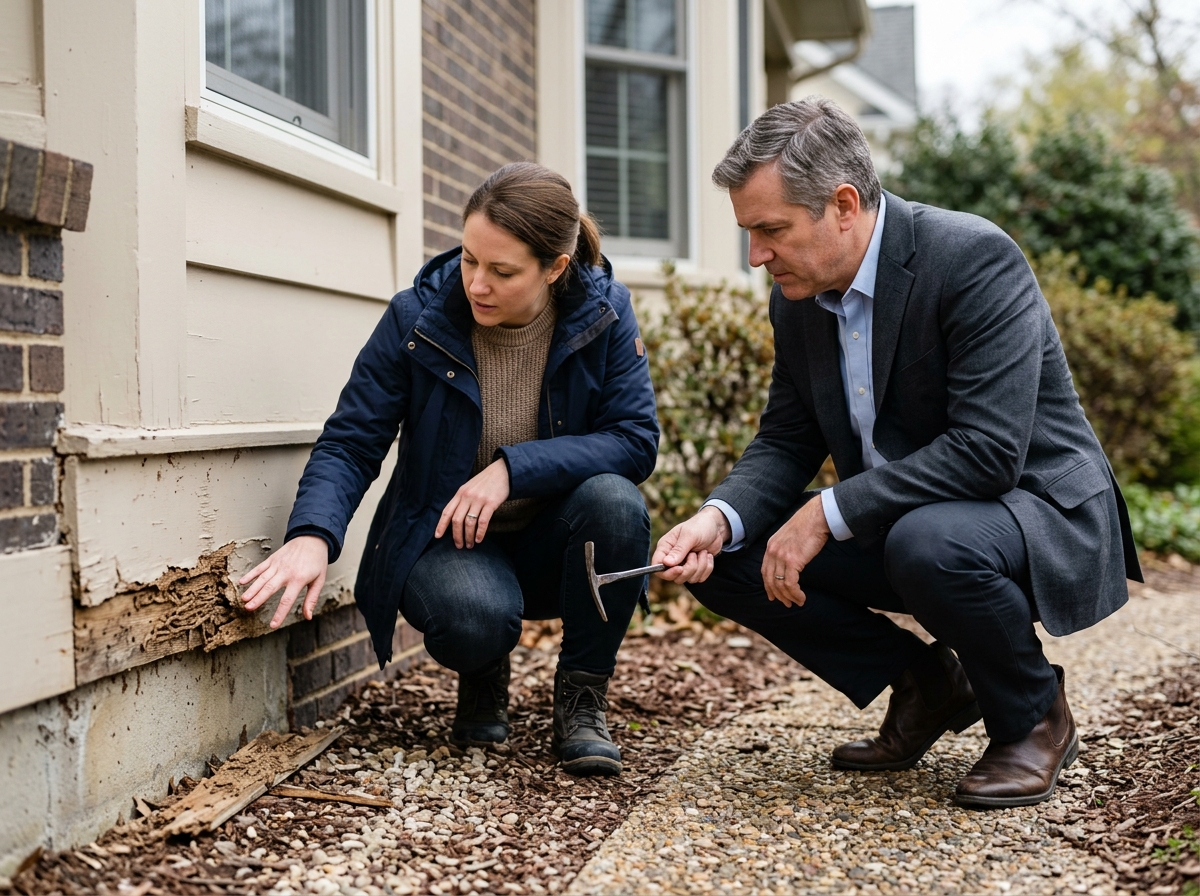
A denial letter isn’t the final word. Insurers get it wrong more often than you’d think, especially when they blame “termites” without digging into what actually caused the damage. Before you accept anything, walk through a clear process. It’s the same approach that works for reasons water damage insurance claims get denied in Florida, and it applies just as well here.
Steps to challenge a denial tied to alleged termite exclusions
Don’t just read the denial letter once and file it away. Read it twice, then have someone else read it too. Insurers sometimes cite exclusions that don’t even match the actual damage described in their own adjuster’s report. The table below breaks down the process step by step.
| Step | What to Do | Why It Matters |
|---|---|---|
| 1 | Request the full written denial letter and cited policy exclusions | Vague verbal denials can hide weak reasoning; the written version pins the insurer to specifics |
| 2 | Get an independent inspection to identify the true cause of damage | Wood rot, plumbing leaks, and storm intrusion can mimic termite damage, but coverage depends on the policy; rot and some leaks are excluded. |
| 3 | Document everything: photos, repair estimates, maintenance records | Paper trails prove ongoing upkeep and counter claims of neglect |
| 4 | Question the insurer’s first explanation if water or storm damage may be involved | Adjusters sometimes default to the cheapest label, not the correct one |
| 5 | Consult a property insurance attorney before signing any release | A signed release can end your right to appeal, even if evidence surfaces later |
Notice how many of these overlap with other claim types. A denial is a starting point, not a verdict. If your inspector finds hurricane-driven moisture behind the wood damage, that’s a hurricane claim, not a pest one. Coverage often hinges on distinguishing sudden, accidental events from gradual deterioration, and that distinction is exactly where denials get challenged successfully.
How a Florida Property Insurance Attorney Can Help
Getting a free case evaluation for a denied or underpaid claim
Insurers deny plenty of claims by slapping a “termite damage” label on something that’s actually a covered peril. A burst pipe, a slow roof leak after a hurricane, or hidden water intrusion can all mimic pest damage on paper. An experienced attorney knows how to pull apart the adjuster’s report, bring in independent engineers or wood-destroying-organism inspectors, and figure out whether the true cause of loss is something your policy was always meant to cover.
Sometimes it’s not just a mistake, it’s a pattern. When insurers act in bad faith, mislabeling structural damage as pest-related to dodge payment, that’s when legal pressure matters most. This overlaps with the kind of scrutiny applied in bad faith claims generally, where the question isn’t just “what caused the damage” but “did the insurer actually investigate it fairly.” Reading up on how a property damage attorney can make a difference gives a clearer sense of what that pressure actually looks like in practice, and why it changes outcomes.
You also don’t have to fight this battle alone with a stack of claim forms and adjuster emails. A dedicated provider can take over all communication with the insurance company, gather documentation, and push back on lowball offers or denials tied to water damage, roof damage, fire damage, or hail damage claims that got mixed up with pest exclusions. That’s the paperwork nobody wants to do at their kitchen table.
Cost shouldn’t be the thing stopping you from asking questions. Most firms in this space, including many local practices, work on a no-fee-unless-you-win basis, paired with a free consultation to evaluate whether your denied or underpaid claim has legs. It costs nothing to find out. Track records vary, but some firms have recovered over $58 million for clients and consulted with more than 3,500 homeowners and business owners across Florida, which says something about how often these denials don’t hold up under scrutiny once someone with legal knowledge pushes back.
If you want to talk through a claim, reach out to a Clearwater-based team at 2790 Sunset Point Rd, by phone at (727) 777-7450, or by email at intake@krapflegal.com. Most firms aim to respond within one to two business days. Waiting rarely helps your case. Insurance deadlines don’t bend for indecision, so a quick call now beats a denied claim sitting untouched for months.
Before you settle on a path, it’s worth asking what the remediation contractor’s scope actually covers, whether the moisture readings and lab results are documented well enough to withstand an adjuster’s scrutiny, and how much of the estimate your policy language really obligates the insurer to pay. The cleanup work itself belongs to a licensed remediation company, but the question of who pays for it — and what happens when a carrier calls the damage long-term seepage or a maintenance issue — is a separate fight, and one where a mold or water damage claim attorney can press the insurer in ways a contractor’s invoice alone cannot. Take the time to understand both sides of that equation, because the quality of your documentation early on tends to determine how much leverage you have later.
Related legal help
Property insurance claim attorneys
If your property insurance claim has been denied, delayed or underpaid, learn how our Clearwater team helps Florida policyholders.