Water is seeping through your ceiling or pooling under your floors, and your insurer is already hinting they won’t pay. That’s a gut punch. Before you accept a denial, you need to understand exactly what water damage covered by home insurance looks like under Florida law—and where the gaps in your policy might be costing you thousands. This guide breaks down what qualifies, what doesn’t, and how to fight back when your claim gets denied.
What water damage covered by home insurance actually means in Florida
Sudden and accidental vs. gradual damage
Most Florida homeowners carry an HO-3 policy. The language that matters most is “sudden and accidental.” A pipe that bursts overnight and floods your kitchen fits that definition. A slow leak under the sink that’s been dripping for eight months does not. That second scenario is gradual damage, and insurers deny it almost automatically because policies treat it as a maintenance failure, not a covered peril.
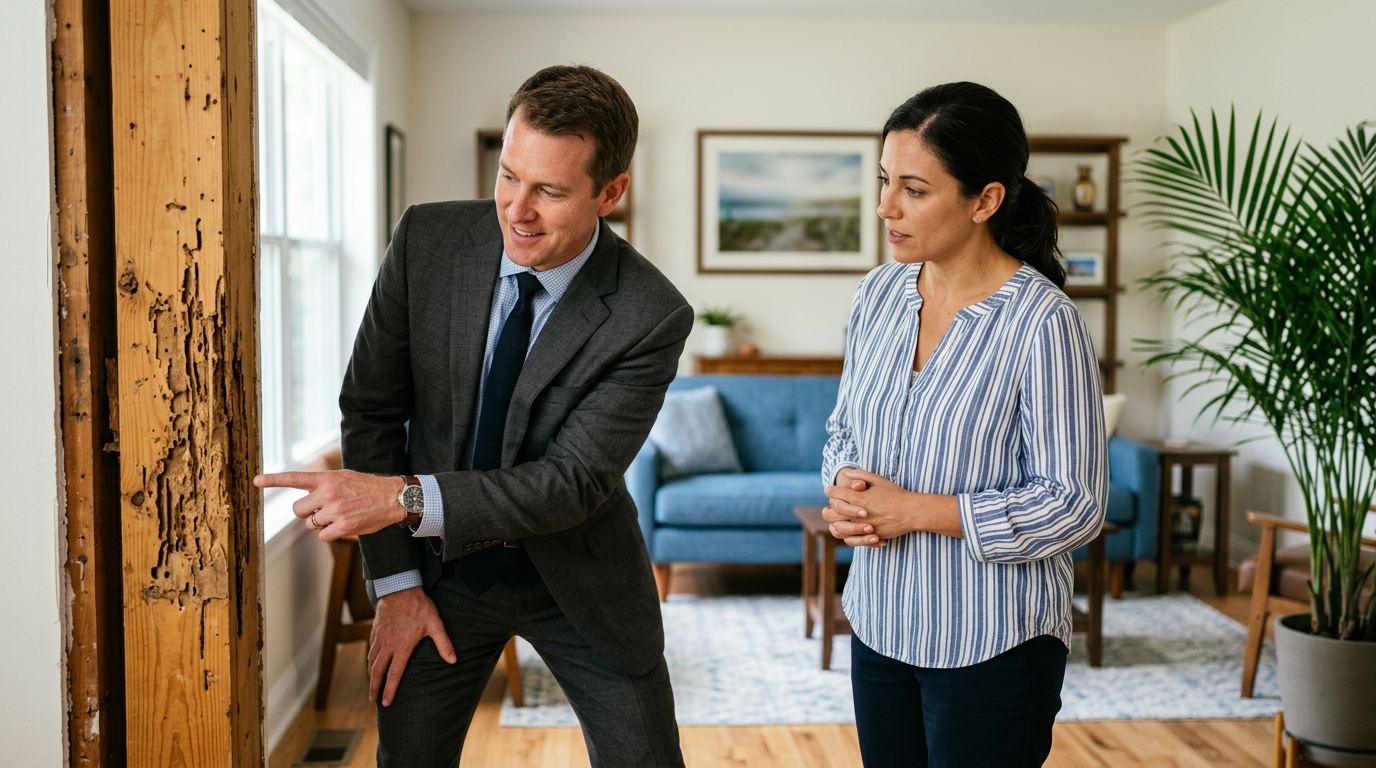
The line between the two isn’t always obvious, though. A supply line failure behind a washing machine might look sudden on the surface, but if the adjuster finds mold growth or rotted subfloor, they’ll argue the leak had been going on for weeks. Before you file anything, it helps to know what not to say when filing a home insurance claim in Florida, since offhand comments about “that leak we’ve been meaning to fix” can hand the insurer an easy denial.
Here’s the blunt truth: insurers often assume gradual until the evidence shows sudden, so don’t count on the adjuster to build that record for you. Photos, repair receipts, and a clear timeline of when you first noticed water all matter more than you’d think.
How Florida’s climate shapes coverage disputes
Florida’s combination of hurricane season, near-constant humidity, and aging plumbing stock makes water damage one of the most disputed claim types in the state. Storms drive wind-blown rain through roof breaches. Humidity accelerates hidden mold growth. Older homes in coastal counties often have plumbing that’s decades past its intended lifespan. Insurers know this, so they lean hard on cause-of-loss investigations to limit payouts.
That cause-of-loss determination is the whole ballgame. If an adjuster labels your claim “flood” instead of “wind-driven rain,” or “long-term seepage” instead of “storm-related pipe failure,” your payout eligibility can swing from full coverage to zero. This is exactly why homeowners in hurricane-prone areas benefit from reviewing an essential guide to hurricane preparedness well before a storm even forms, since documentation gathered beforehand often decides how a dispute plays out afterward.
Humidity adds another wrinkle. Mold can develop within 24 to 48 hours of water exposure, and insurers frequently point to that speed as evidence you waited too long to act. Understanding when are water damage and mold covered by insurance gives you a useful baseline, even though Florida’s specific policy language and case law will ultimately govern your claim. Know the distinction going in. It changes how you document everything that follows.
Common scenarios where a claim gets approved
Examples of typically covered water events
Not every water claim ends in a fight. Plenty get approved without much drama, especially when the cause is sudden, accidental, and well documented. Insurers tend to respond better when the story is simple: something broke, water got in, you reported it fast. The clearer the timeline, the smoother the claim.
- A pipe bursts behind a wall or under a slab, soaking flooring and drywall before anyone notices the drip.
- A dishwasher, washing machine, or water heater malfunctions and leaks or floods a kitchen or laundry room overnight.
- Wind-driven rain pushes through a roof damaged during a storm, and understanding the most common cause of roof leaks in florida often helps homeowners spot the pattern insurers look for.
- A toilet overflows unexpectedly or a washing machine hose bursts mid-cycle, causing sudden accidental water release.
- Water follows a separately covered peril, like wind tearing off shingles during a hurricane, then rain pouring through the gap.
Here’s the catch, though: coverage depends less on what happened and more on when you caught it and how you can prove it. Insurers dig into timing constantly, because sudden, accidental events get treated far differently than anything gradual. Photos, repair invoices, and a prompt report matter more than most homeowners realize. Wait two weeks to mention a leak, and suddenly you’re explaining why you didn’t notice it sooner — a question adjusters love to ask, and one you don’t want to answer badly.
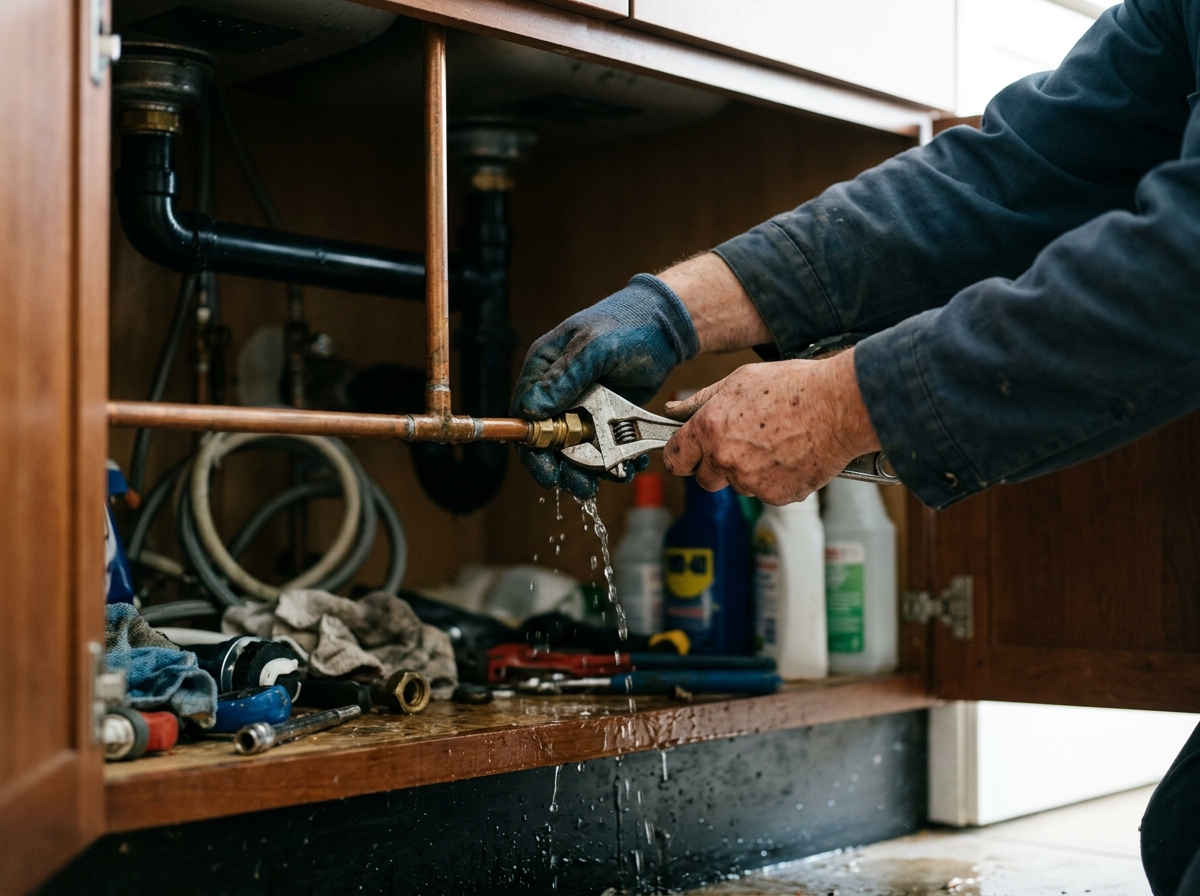
Types of water damage insurers routinely deny
Not every soggy floor gets you a check. Florida insurers deny a huge share of water claims every year, and most denials fall into a few predictable buckets. Knowing them ahead of time can save you a fight later, or at least help you understand why the letter in your mailbox says no. Reviewing common reasons water damage insurance claims get denied in florida is a smart first step before you even file.
Flooding, sewer backup, and seepage exclusions
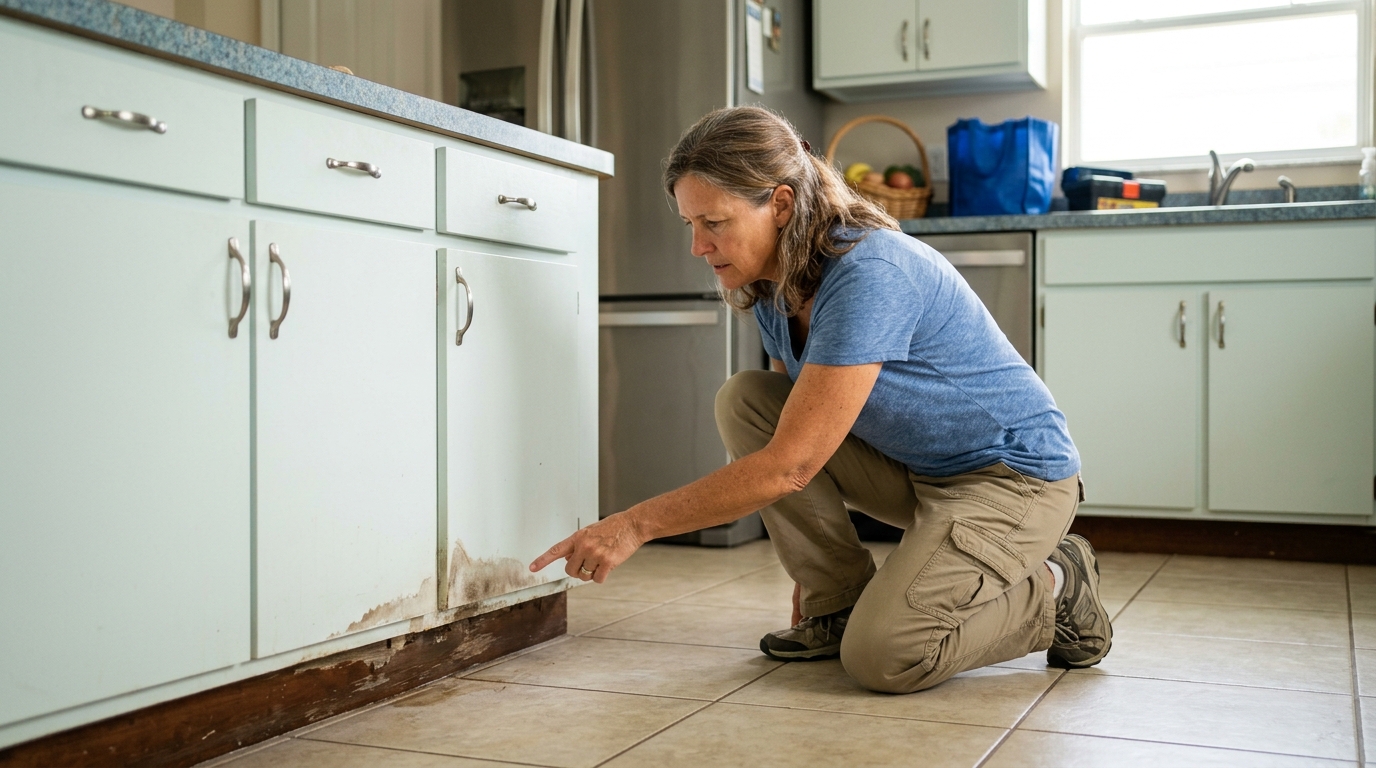
Water rising from outside, a swollen canal, storm surge, heavy rain pooling against your foundation, isn’t covered by a standard HO-3 policy. That’s what separate flood insurance is for. Sewer and drain backups fall into a similar trap: they’re typically excluded unless you’ve bought a specific endorsement, often for a modest added premium. And seepage, the slow drip behind a wall or under a slab, gets treated as a maintenance failure rather than a sudden accident, even when the resulting damage looks identical.
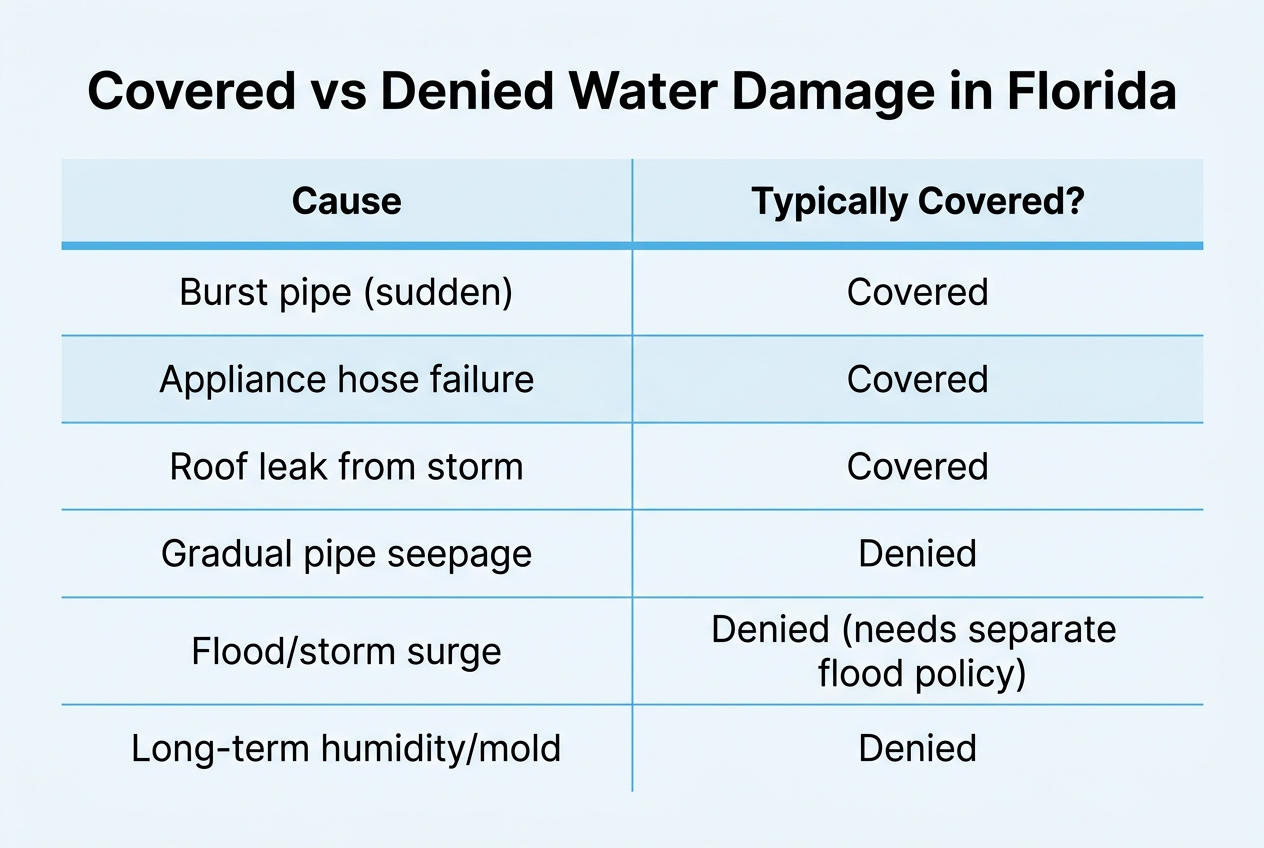
| Water source | Typically covered? | Why |
|---|---|---|
| Burst pipe (sudden) | Yes | Sudden, accidental discharge |
| Storm surge or rising floodwater | No | Requires separate flood policy |
| Sewer or drain backup | Only with endorsement | Standard exclusion applies |
| Slow leak behind a wall | Rarely | Classified as gradual seepage |
| Roof leak from storm damage | Usually | Tied to a covered peril |
Negligence and maintenance-related denials
Insurers also look hard at homeowner behavior. If you knew about a leak and sat on it, expect a denial. That’s negligence, not bad luck. Even on approved claims, the pipe or appliance that failed usually isn’t paid for; only the damage it caused is. Homeowners recovering from major storms face this same scrutiny, which is part of why understanding your coverage matters before disaster strikes, not after. For broader context on how slow recovery after a major storm can be, Krapf Legal’s floridas hurricane ian recovery six months later report is a sobering read.
How policy type and endorsements change your coverage
HO-3 vs. named-peril policies
Most Florida homeowners carry an HO-3 policy, and that matters more than people realize. The dwelling itself gets open peril coverage, meaning it’s covered unless the policy specifically excludes something. Your belongings inside the house? Those are usually covered on a named-peril basis, so only the causes listed in the policy count. A pipe bursting and soaking your walls is one thing. That same burst pipe ruining your furniture and electronics might get evaluated differently, depending on the exact wording.
That gap trips people up constantly. It’s worth learning how your own policy splits dwelling and belongings coverage before you assume everything under your roof is treated the same way.
Optional endorsements worth reviewing
Standard policies leave gaps. Endorsements fill some of them, if you’ve bought the right ones. Here’s a quick comparison of common add-ons and what they actually do.
| Endorsement | What it covers | Typical limit |
|---|---|---|
| Water backup coverage | Sewer or drain overflow, sump pump failure | $5,000–$25,000 |
| Mold remediation add-on | Mold removal beyond the base policy cap | Often $10,000 or less |
| Service line coverage | Underground pipe breaks outside the home | $10,000 typical |
| Flood insurance (NFIP or private) | Rising water, storm surge, flooding events | Up to $250,000 dwelling |
| Equipment breakdown | Mechanical failure of AC, water heater, appliances | Varies by carrier |
Notice flood isn’t on your homeowner’s policy at all. It’s a separate product entirely, through the NFIP or a private carrier, and skipping it is one of the costliest mistakes a Florida homeowner can make. Mold is another sore spot — most policies cap it low or exclude it outright unless you’ve paid for extra coverage, and disputes over what counts as a “sudden” versus “long-term” mold issue happen often enough that does my insurance policy cover mold damage understanding your specific limits is a smart first move. Pull out your declarations page and actually read it. That single page lists your sub-limits, exclusions, and endorsements — and it’s usually where the surprises live after a storm, not before.
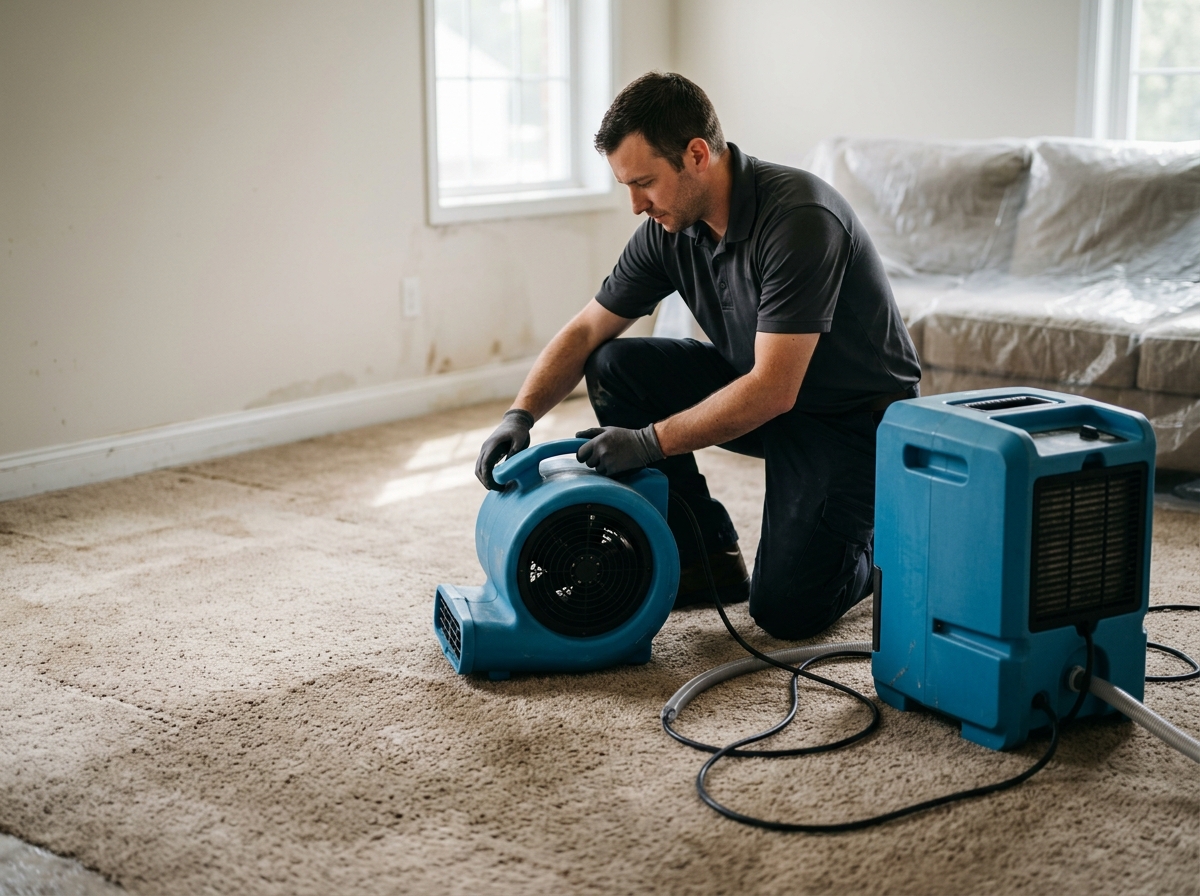
Does homeowners insurance cover mold and rain-related damage?
When mold remediation is included
Mold coverage is narrow, and it’s easy to misunderstand. Insurers generally cover it only when it grows directly out of a covered water event — a burst pipe, a failed water heater, a storm-created leak — and only when you catch it fast. Let the moisture sit for weeks before anyone notices, and the insurer will likely argue the mold resulted from neglect rather than a sudden accident. That distinction decides the whole claim.
Even when mold is covered, most policies attach a sublimit that has nothing to do with your actual damage. A $10,000 remediation job might only get $2,000 or $3,000 reimbursed, because many Florida policies cap mold cleanup regardless of severity. Reading that endorsement section before disaster hits is smart; understanding what type of water damage is covered by homeowners insurance policies also clarifies where mold fits into the broader picture.
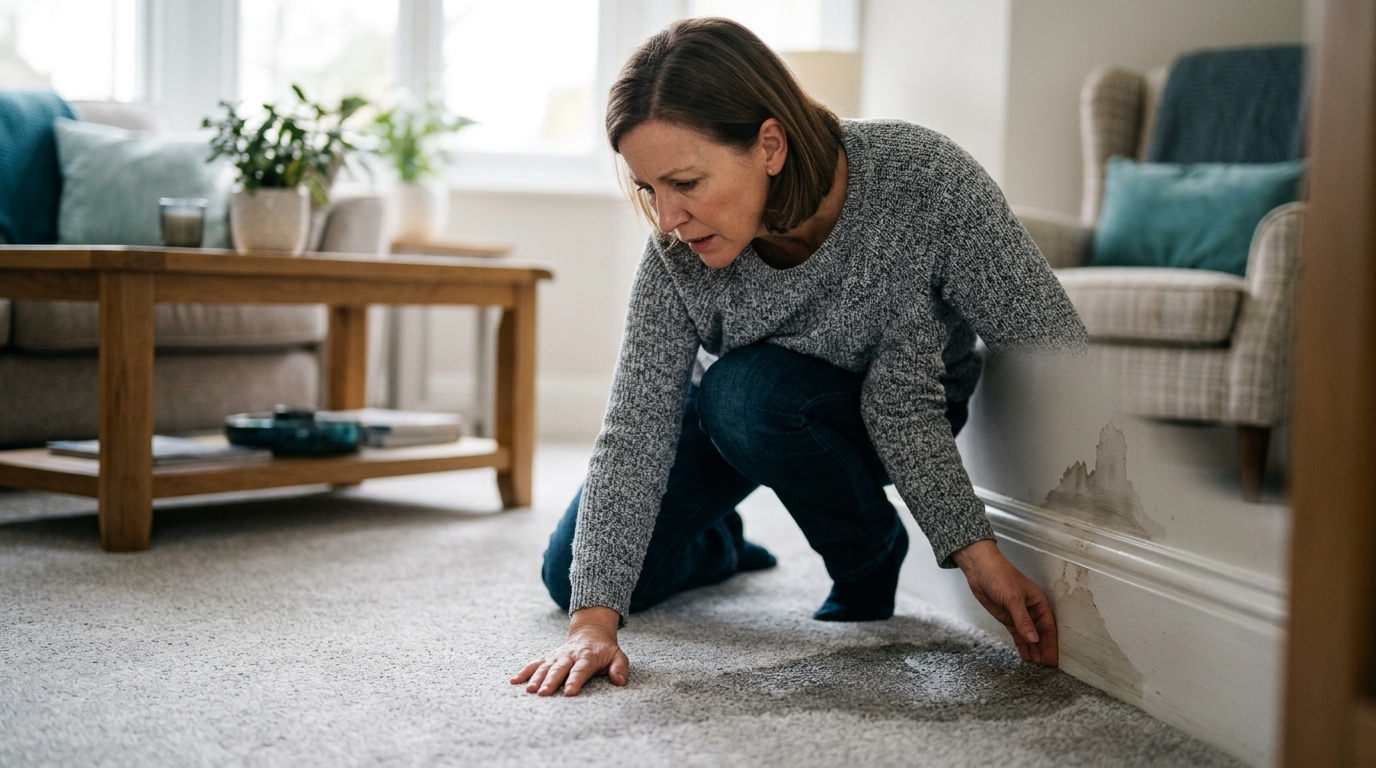
Documentation matters here more than almost anywhere else in a claim. Photograph the source of the leak, the affected materials, and the timeline of when you noticed it and called for help. Insurers look for gaps between discovery and action — and they’ll use any gap against you.
Rain intrusion through storm damage vs. wear and tear
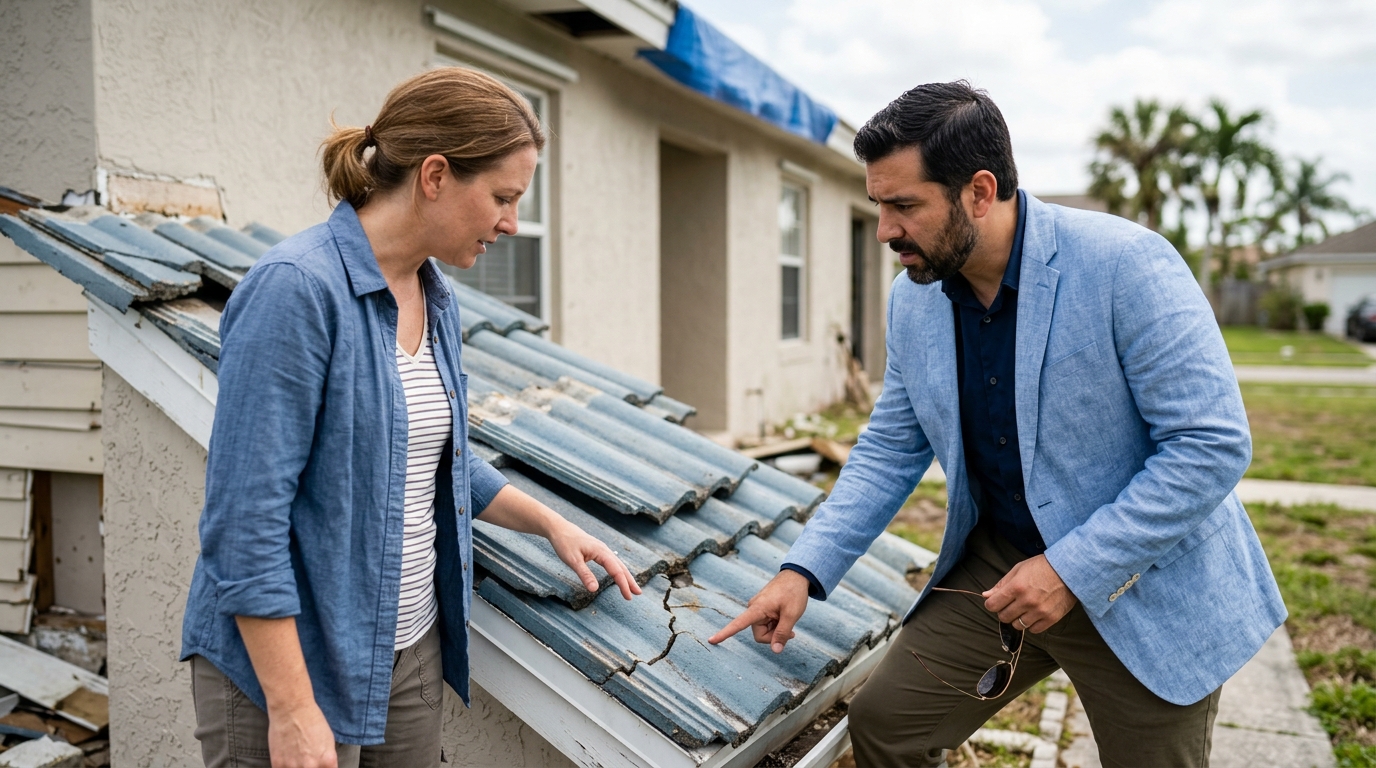
Rain that gets in because wind tore off shingles or cracked a window during a storm is typically a covered loss. The logic is straightforward: the storm created an opening that wouldn’t otherwise exist, and the water followed. Adjusters usually confirm this by checking for corresponding exterior damage — missing shingles, a cracked seal, a dented vent cap — that lines up with the interior water stains.
Without that fresh damage, the story changes fast. Rain seeping in through old flashing, a worn roof seal, or a gap around a skylight that’s been failing for years gets classified as maintenance neglect, not storm loss. It’s a hard line, and insurers enforce it aggressively. If you’re building your case after a storm, reviewing tips for assessing property damage for insurance claims before you file can help you gather the right evidence the first time.
Timing also protects you in ways people underestimate. Mitigating a leak immediately — tarping a roof, drying out drywall, pulling wet insulation — can be the difference between full mold coverage and a flat denial. For a broader look at how these rules apply, see how does homeowners insurance cover water damage breaks down across different causes of loss.
Steps to take immediately after discovering water damage
The first hour matters more than people think. What you do (or don’t do) before help arrives can shape whether your claim gets paid in full or picked apart line by line. Start with the basics: shut off the water source if you can, and don’t wait around for anyone’s permission to stop the bleeding.
- Stop the source of water immediately, whether that means shutting off a supply valve, tarping a roof leak, or moving furniture out of standing water, since Florida policies expect you to prevent further damage rather than wait for adjuster sign-off;
- Photograph and video every affected room, material, and puddle before any cleanup begins, capturing wide shots of the space and close-ups of soaked drywall, flooring, and baseboards;
- Save every receipt tied to emergency mitigation and temporary repairs, including fans, dehumidifiers, tarps, and water extraction services, since these costs are often reimbursable;
- Notify your insurer as soon as possible, because delayed reporting is one of the most common reasons carriers cite when denying a claim;
- Hold onto damaged materials, carpet, drywall, and ruined furniture until an adjuster has documented them, rather than hauling everything to the curb the next morning.
Documenting the damage properly
Photos are your evidence, so treat them that way. Shoot in good light, get timestamps if your phone allows it, and take video walkthroughs narrating what you see and when it happened. Keep a simple log noting the date water was discovered, when the source was stopped, and who you contacted. If the adjuster’s visit feels rushed or one-sided, understanding how to handle the adjuster meeting ahead of time helps you avoid answering questions in a way that limits your payout.
Common mistakes that weaken a claim
Most denials trace back to something small that snowballed. Waiting a week to report a leak, tossing soaked carpet before anyone photographed it, or giving a recorded statement without thinking it through — any of these can hand the insurer an easy excuse. Here’s the blunt truth: insurers don’t need much of a reason to say no, so don’t hand them one for free. If a denial happens anyway despite solid documentation, that’s often when bad faith insurance practices in Florida come into play, and it’s worth having someone review the file before you accept the company’s final word.
When an insurer denies or underpaid a legitimate claim
Signs your claim was wrongfully denied or underpaid
Sometimes the denial letter itself gives it away. A common trick is labeling sudden pipe bursts or storm intrusion as “gradual damage” or “wear and tear,” categories most policies exclude. But water that soaked your floors overnight isn’t the same as a slow leak nobody noticed for months. If the timeline in the denial doesn’t match what actually happened in your home, that’s a red flag worth pushing back on.
Lowball estimates are another warning sign. Adjusters often price out the visible damage, wet carpet, a stained ceiling, and stop there. What they skip is what’s behind the walls: soaked insulation, warped subflooring, wiring exposed to moisture. Hidden damage adds up fast, and a payout that only covers surface repairs won’t get your home back to pre-loss condition. If your contractor’s estimate is significantly higher than the insurer’s, that gap tells you something.
Watch for pattern behavior too: unreturned calls, requests for documents you already sent, or vague explanations that shift every time you ask a question. None of that happens by accident.
Your legal options under Florida insurance law
Florida law doesn’t let insurers deny claims without a legitimate basis, and it gives policyholders real tools to push back. You can ask for the insurer’s claim documents, expect a written explanation of any denial tied to specific policy language, receive a copy of any detailed estimate within 7 days after the insurer’s adjuster generates it (Florida Statute 627.70131), and get an independent estimate to challenge the insurer’s numbers. Understanding whether your situation falls under standard water damage coverage is a useful starting point before you decide how hard to fight. Insurers count on homeowners not knowing these rights. Don’t be that homeowner.
If the delay, denial, or lowball offer looks like bad faith, rather than a simple mistake, you may have grounds for a bad-faith claim, which can carry consequences beyond just paying what was owed originally. Against a property insurer, that claim can only go forward after a court rules that the insurer breached the policy (Florida Statute 624.1551). This is where an attorney earns their keep. A lawyer can reevaluate the entire claim file, bring in independent adjusters and engineers to document what the insurer missed, and negotiate directly so you’re not the one arguing with a claims rep every week. For homeowners facing a denial tied to storm timing or damage disputes, reviewing practical guidance on protecting your property rights can clarify what steps come next. If negotiation stalls, litigation becomes the next step, and insurers know which claims are backed by attorneys willing to go there.
How Krapf Legal helps Florida homeowners fight back
Why homeowners choose Krapf Legal
Fighting an insurance company alone is exhausting. You’re up against adjusters, deadlines, and confusing policy language, all while trying to fix your home. A dedicated provider built around property insurance disputes takes that burden off your plate, offering a free case consultation and evaluation with no upfront cost. There’s no bill until there’s a result, either. No fees unless the case is won means the financial risk sits with the firm, not the family whose roof is leaking.
Behind that promise is a full team, not a single overworked lawyer. Managing attorneys and associate attorneys divide the work across water, mold, hurricane, roof, and fire damage claims, so each case gets attention from someone who actually knows that claim type. A hurricane wind-versus-flood dispute gets handled differently than a slow leak under a kitchen sink, and a flood-exclusion fight takes a different playbook than a mold denial. That specialization shows up in the numbers: over $58 million recovered and more than 3,500 clients consulted since the firm’s founding.
None of that matters, though, if the phone never gets answered. It’s a fair worry — plenty of firms take your case and go quiet. Here, direct communication with insurers replaces the back-and-forth homeowners usually get stuck managing themselves, and the paperwork stops being your problem alone.
How to start your free consultation
Getting started is simple: call, email, or stop by. The office sits at 2790 Sunset Point Rd, Clearwater, FL 33759, reachable at (727) 777-7450 or intake@krapflegal.com. Bring whatever you have — denial letters, photos, repair estimates — and expect a response within 1-2 business days. That’s a real turnaround, not a vague promise.
During that first conversation, an attorney reviews your policy, the insurer’s response, and whether you’re dealing with a denial, an underpayment, or a bad-faith pattern worth pursuing. Reading your own policy can help you understand baseline coverage before your call, but every policy and every claim has its own wrinkles worth a professional look. If the case has legal merit, the team lays out next steps in plain terms, no jargon, no pressure.
Waiting rarely helps a denied claim. Evidence fades, deadlines pass, and insurers count on homeowners giving up. Reach out early, ask questions, and let someone experienced tell you plainly whether you have a case worth fighting for.
The most useful next step is simply to read your own policy language closely and keep a clear record of what the insurer has said and paid so far — photos, adjuster notes, estimates and every letter or email. If a sudden burst pipe or storm-driven leak has been denied or paid at a fraction of what the repairs actually cost, that gap is worth having a water damage attorney at Krapf Legal look at before you accept the outcome. Restoration crews dry the house out and roofers put it back together, but getting the carrier to fund that work is a separate fight, and it is one you have a real right to take on.