You’ve discovered termite damage in your Florida home, and now you’re facing a repair bill you never expected. So the first question on your mind is whether your insurance policy will help. Unfortunately, the answer to “does homeowner insurance cover termite damage” is almost always no. Most Florida insurers classify termite infestations as a preventable maintenance issue, not a covered peril. Still, the reality is more nuanced than a flat denial. Understanding the exceptions, policy language, and legal options available to you in 2026 could mean the difference between an uninsured loss and a viable claim. This article breaks down exactly what Florida homeowners need to know before assuming their insurer owes them nothing.
Does Homeowner Insurance Cover Termite Damage
The standard policy language on pest exclusions
Most Florida homeowners carry an HO-3 policy, the standard form used across the state. Buried in the exclusions section, you’ll almost always find language barring coverage for termites and other wood-destroying organisms. Insurers write this exclusion clearly, and it applies whether the damage is minor or severe.
The reasoning is consistent across carriers. Policies are built to cover sudden and accidental losses, like a fire or a burst pipe. Termite activity doesn’t fit that mold. It builds slowly, often over months or years, with no single triggering event. That distinction shapes how adjusters review every termite-related request for coverage.
This mirrors how insurers treat mold. If you’ve ever asked does my insurance policy cover mold damage understanding… your policy limits, you already know the pattern. Gradual, preventable damage rarely qualifies for standard coverage, no matter how costly the repair becomes.
Why Florida homes are at higher termite risk
Florida’s warm, humid climate creates near-perfect conditions for termites all year. Subterranean termites, drywood termites, and the invasive Formosan species all thrive here. Unlike colder states, Florida homes rarely get a seasonal break from termite activity.
Older homes with wood framing, crawl spaces, or attached structures face elevated risk. Coastal humidity speeds up wood softening, making it easier for colonies to settle in undetected. Some neighborhoods report infestation rates far higher than the national average, especially where older construction sits close to mature trees or irrigation systems.
Because the exclusion is nearly universal, this environmental reality creates a real financial burden. Homeowners in high-risk zones face repeated exposure with no insurance safety net. That makes early detection and preventive maintenance essential.
What ‘maintenance-related damage’ means to insurers
Insurers classify termite damage as a maintenance issue, not an insurable peril. Their position: routine inspections and pest control could have caught the problem before it caused structural harm. This logic mirrors how carriers evaluate mold and slow leaks.
Adjusters look for signs of neglect. Sagging floors, hollow-sounding wood, or long-term moisture buildup all suggest the damage developed gradually. If the evidence supports that timeline, denial is likely, no matter the final repair cost.
This mirrors broader industry guidance found in resources like mold insurance claims what you need to know, where gradual deterioration consistently limits homeowner recovery options.
Why Termite Damage Falls Outside Standard Coverage
The ‘gradual damage’ doctrine explained
Standard homeowner policies are built around one core idea: coverage applies to sudden and accidental losses. A tree falling on your roof during a storm is sudden. A termite colony eating through floor joists for three years is not. Insurers call this the gradual damage doctrine. It draws a hard line between events you couldn’t predict and problems that build slowly in plain sight.
This same logic shows up in other disputes, including many mold damage claims signs risks and insurance coverage situations, where insurers argue the moisture problem existed long before anyone noticed. The reasoning stays consistent: damage that accumulates over time gets treated as preventable, not catastrophic.
Courts have generally upheld this distinction. That’s why termite damage claims rarely succeed without evidence of a covered, sudden event triggering the infestation.
How insurers define an insurable ‘peril’
Insurance contracts list specific “perils” they cover, like fire, wind, or hail. A peril must typically be fortuitous, meaning it happens by chance. Termites don’t strike in a single moment. They colonize slowly, often undetected for months, making them fundamentally different from a hurricane or hail damage claim.
Because termite activity lacks a clear starting point, insurers classify it as a maintenance issue rather than an insurable event. It’s similar to how they treat long-term roof deterioration in many roof damage claims disputes.
The homeowner’s duty to maintain the property
Underwriters price every policy assuming homeowners perform basic upkeep, including routine pest inspections. This assumption keeps premiums lower across the board. When termite damage surfaces, insurers often argue neglect, not chance, caused the loss, shifting responsibility back to the homeowner.
Situations Where Termite-Related Damage Might Be Covered
When water damage from a covered peril attracts termites
Standard policies exclude termites, but they usually cover sudden, accidental water damage. A burst pipe under a slab, a failed water heater, or wind-driven rain from a storm can soak wood framing. That moisture creates the perfect environment for termites to move in weeks or months later. In these cases, the original water event may be covered even though the termite activity itself is not.
This distinction matters after major storms. Homeowners dealing with roof leaks or flooding often face a similar coverage puzzle. Reviewing florida hurricane claims understanding coverage limitatio… can clarify how wind and flood damage are treated differently under one policy.
Documentation is key. A homeowner who can show the water intrusion date, repair records, and a timeline linking that moisture to the later termite discovery has a stronger argument. Without that proof, insurers often deny the entire claim, calling all the damage “long-term” and excluded.
Sudden collapse claims and hidden decay clauses
Some policies include a sudden collapse provision. This covers a structure that collapses abruptly, even if hidden termite decay contributed to the failure. The key word is “sudden.” A porch that gives way in an instant may qualify. A slowly sagging floor typically won’t.
These claims often become disputed. Insurers may argue the collapse was gradual, while the homeowner insists it happened in seconds. Engineers and adjusters frequently disagree on timing and cause, which is why documentation and photos taken immediately after the event carry real weight.
Optional endorsements that may add limited protection
Certain insurers sell endorsements specifically addressing hidden decay or collapse from insect damage. These add-ons aren’t standard and often carry sublimits, such as $10,000 or less.
Homeowners renewing coverage should ask directly whether such endorsements exist. Many assume no termite-related protection is available anywhere, missing these narrow but real options. Reading the endorsement schedule closely, similar to the steps outlined in filing an insurance claim after hurricane idalia, helps homeowners spot coverage gaps before disaster strikes again.
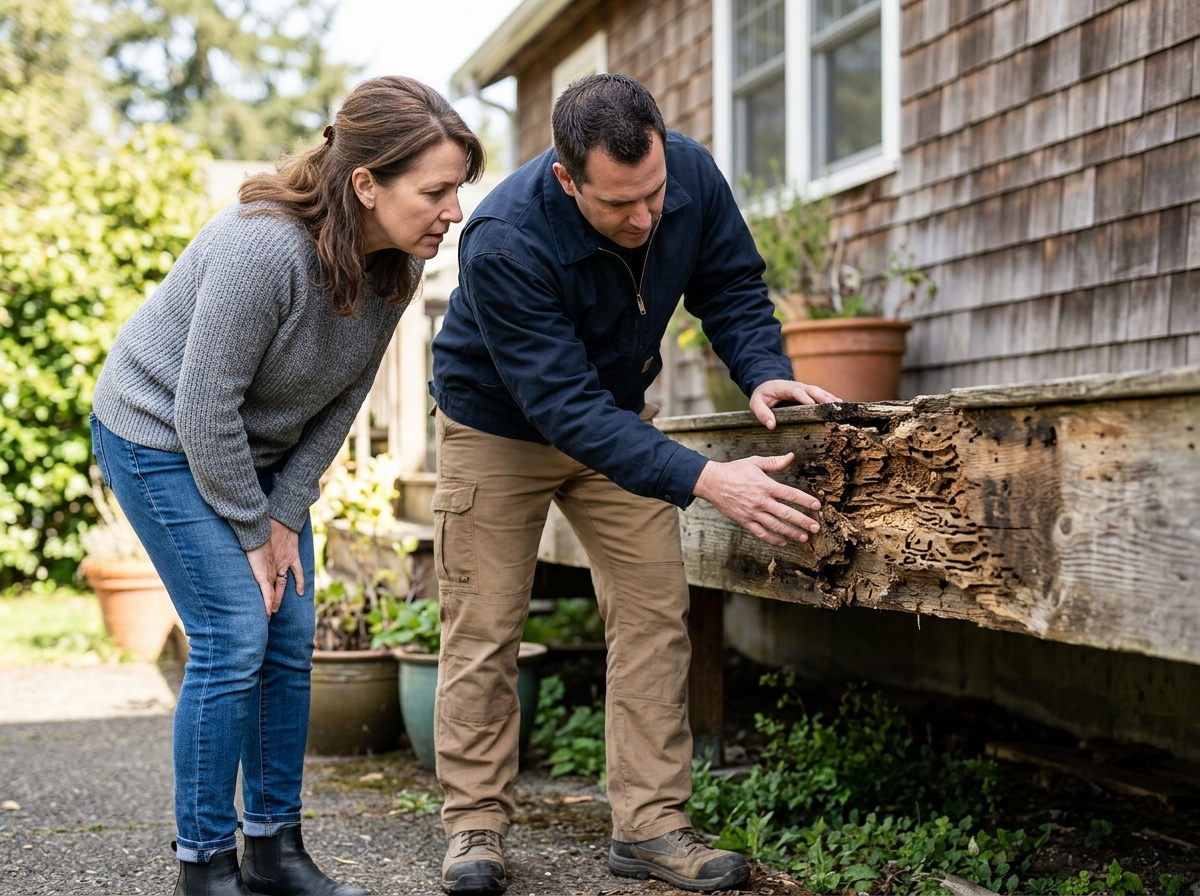
Termite Damage vs. Other Pest Damage: A Coverage Comparison
Florida homeowners often assume termite damage is unique. In reality, most insurers group it with other pest and gradual-damage claims. Understanding these overlaps helps you predict how an adjuster may respond before you even file.
Termites vs. carpenter ants coverage differences
Carpenter ants and termites both cause slow, hidden structural harm. Insurers treat them almost the same way. Both are classified as preventable infestations, meaning damage gets excluded because routine maintenance should have caught it early.
Termites vs. rodent and wildlife damage
Rodents and wildlife create a different pattern of damage, often sudden and visible, like chewed wiring or torn insulation. Yet many policies still exclude these losses unless a covered peril, such as a storm, caused the entry point.
| Pest Type | Typical Damage | Standard Coverage Status | Possible Exception |
|---|---|---|---|
| Termites | Wood structure decay | Excluded | Hidden decay after a covered water leak |
| Carpenter Ants | Tunneling in wood | Excluded | Rarely covered, even with maintenance proof |
| Rodents | Chewed wires, insulation | Excluded | Covered if storm damage created entry |
| Wildlife (raccoons, birds) | Roof or vent damage | Excluded | Sometimes covered under sudden accidental damage |
Termites vs. wood rot and fungus exclusions
Wood rot and fungus claims face similar exclusion language, often citing “long-term deterioration.” For general background, Does Home Insurance Cover Termite Damage? outlines how insurers define these terms. If you later receive a settlement for related damage, it’s worth reviewing are insurance settlements for property damage taxable to understand potential tax implications.
How to Tell If You Have Termite Damage
Visible warning signs inside and outside the home
Termites leave clues before real damage sets in. Learning to spot them early can save thousands in repairs. Early detection is the best defense against costly structural harm.
- Mud tubes running along foundation walls, which termites build to travel safely between soil and wood.
- Hollow-sounding wood when tapped, a sign termites have eaten the wood from the inside out.
- Discarded wings near windowsills or doors, left behind after swarmers mate and shed them.
- Small holes or blistering in wood surfaces, similar to water damage but caused by feeding termites.
- Sagging floors or doors that stick, often signaling weakened framing underneath.
According to Does Home Insurance Cover Termite Damage?, these signs often go unnoticed until an inspection reveals the full scope.
Hidden damage behind walls and foundations
Termites often work unseen for months or years. They tunnel through wall studs, floor joists, and support beams. Homeowners may not notice anything until wood crumbles or a wall feels soft. By that point, hidden damage can be extensive and expensive to repair.
When to call a licensed termite inspector
If you notice any warning sign, schedule a professional inspection right away. A trained inspector can confirm active infestations and estimate structural harm. Before hiring anyone for repair work, review 10 common mistakes to avoid when hiring a property damage… lawyer or contractor.
What to Do the Moment You Discover Termite Damage
Step 1: Document and assess the damage
Finding termite damage can feel alarming. Slow down and document everything before you touch anything. Take photos and video of mud tubes, hollowed wood, and discarded wings. Write down when you first noticed signs and where they appeared. This record matters later, whether you’re filing a claim or just tracking how the problem spread.
Step 2: Request a professional termite inspection
Never guess at the scope of an infestation. A licensed pest control company can confirm whether termites are active, identify the species, and estimate how long they’ve been present. This report becomes your foundation for any next step, much like the detailed reports used in hurricane damage attorney or roof damage claims cases.
The table below outlines what typically happens during each stage of a professional termite response.
| Stage | What Happens | Typical Timeframe |
|---|---|---|
| Initial Inspection | Technician checks foundation, wood framing, and moisture zones | 1-2 hours |
| Written Report | Findings, species identification, and damage photos delivered | 1-3 days |
| Treatment Plan | Bait stations or liquid treatment proposal with cost estimate | 3-5 days |
| Follow-Up Check | Verifies treatment worked and no new activity exists | 30-90 days |
Step 3: Review your policy and file if appropriate
Before assuming a denial is final, read your policy’s exclusions closely. Some policies cover secondary damage, such as a hidden leak that attracted termites, similar to disputes handled by a water damage attorney. For general guidance, see 5 tips for filing a successful water damage insurance claim and Is termite damage covered by insurance? for further context.
How Termite Damage Affects Your Home’s Value
Impact on appraisals and home inspections
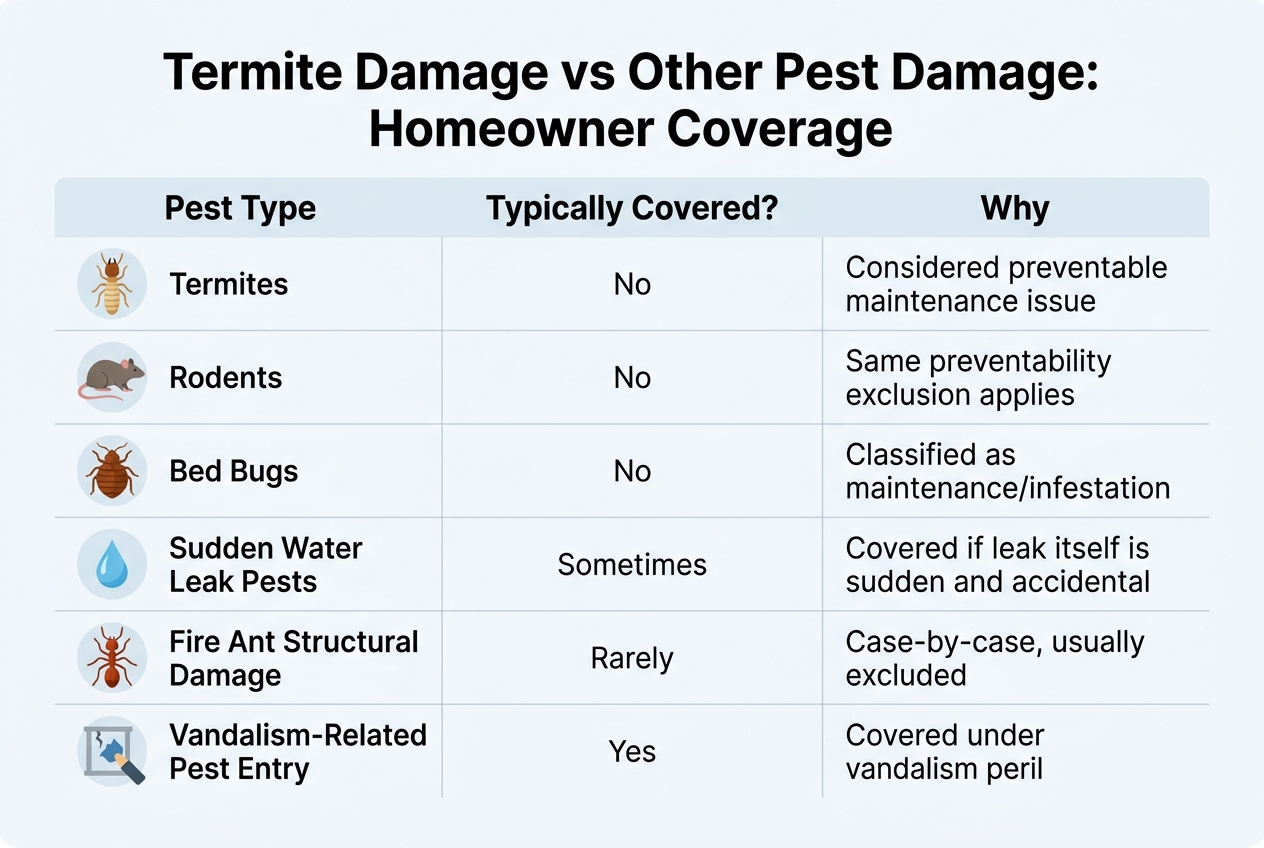
Appraisers look closely at structural condition. Termite tunnels in wood beams, soft flooring, or damaged support posts can drop a home’s appraised value by thousands of dollars. Even minor visible damage raises red flags during an inspection, prompting deeper scrutiny of the entire structure.
Inspectors often recommend further evaluation once they spot mud tubes or hollow-sounding wood. This can trigger additional testing, similar to how the unseen impact how mold damage affects your property value forces sellers to address hidden problems before a sale moves forward. A lower appraisal often means renegotiated prices or lost buyers.
Termite clearance letters and real estate transactions
Most Florida lenders require a termite clearance letter, sometimes called a WDO report, before closing. This document confirms no active infestation or unresolved damage exists. Without it, financing can stall completely, leaving both buyer and seller in limbo.
Sellers who skip pre-listing inspections often face last-minute surprises. A failed clearance report can force costly repairs within days, which is why understanding Does Homeowners Insurance Cover Termite Damage matters long before a home hits the market.
Long-term structural risks if damage goes unrepaired
Untreated termite damage weakens load-bearing walls and floor joists over time. What starts as a minor issue can spread throughout a home’s frame within a few years, threatening safety and stability.
Delayed repairs almost always cost more later. A small localized repair today can become a full structural rebuild tomorrow, permanently reducing a home’s market appeal and resale potential.
When a Denied Claim Deserves a Second Look
Common tactics insurers use to deny mixed-cause claims
Some claims involve more than one cause of damage. A leaking roof might invite termites, and a hurricane might expose wood that was already compromised. Insurers sometimes label the entire loss “termite-related” to avoid paying for the water or storm damage that started it all. This is one of many reasons water damage insurance claims get denied in florida.
Adjusters may also point to broad exclusion clauses without explaining how each part of the damage was caused. A mixed-cause claim deserves careful separation of covered perils from excluded ones. When insurers blur that line, homeowners often lose money they’re actually owed.
Red flags that suggest a wrongful denial
Watch for denial letters that use vague language instead of pointing to specific policy provisions. Terms like “pest-related deterioration” without an inspection report backing them up should raise concern. A quick or dismissive inspection is another warning sign.
If the adjuster spent only minutes assessing extensive damage, or ignored obvious signs of a storm or plumbing leak, the denial may deserve a second look. Policy language is often ambiguous and open to interpretation, and insurers sometimes lean on that ambiguity to their advantage.
Why a second opinion on your claim matters
Reviewing a denial with fresh eyes can reveal details the first read missed. An attorney can identify whether the denial was wrongful or underpaid, using resources like Does Homeowners Insurance Cover Termite Damage? to clarify coverage boundaries.
This review process mirrors what happens in bad faith claims, hurricane damage disputes, and roof damage claims. A second opinion costs nothing to consider, and it may uncover money left on the table.
Understanding Your Legal Options After a Denied Claim
Florida’s homeowner protections and claim deadlines
Florida law gives homeowners real rights when a property insurance claim gets denied. Insurers must respond to claims within specific timeframes and provide a written reason for any denial. If that reason seems vague or unsupported, you have grounds to push back. Understanding these protections is the first step toward a fair outcome.
Deadlines matter more than most homeowners realize. Florida generally requires new claims to be filed within one year of the date of loss, and disputes over a denial have their own separate windows. Missing these dates can end your case before it starts. For a broader explanation of how these disputes typically unfold, a detailed look into insurance claim denials and underpayments… offers useful context.
Acting early preserves evidence too. Photos, repair estimates, and inspection reports fade in value the longer you wait. Quick action protects both your legal options and your proof.
How attorneys evaluate a denied or underpaid claim
Attorneys start by reviewing the policy language, the denial letter, and any inspection reports. They look for inconsistencies, like an adjuster ignoring damage documented in photos. This review often reveals whether a claim was underpaid, not just denied outright.
From there, options include negotiation, appraisal, or litigation. Many disputes resolve through negotiation or a formal appraisal process, avoiding court altogether. Others require litigation, especially when an insurer acts in bad faith. This same evaluation process applies across hurricane, roof, mold, and fire damage claims alike.
What ‘no fee unless you win’ representation means
Contingency-based representation means you pay nothing upfront. The attorney advances costs for inspections, expert reports, and filing fees. If the case doesn’t succeed, you owe nothing for that work.
This arrangement lowers the barrier for homeowners already facing repair costs. As one Does Home Insurance Cover Termites? resource notes, coverage gaps often leave families paying alone. Contingency fees help level that gap.
How to Prevent Termite Damage Before It Starts
Since insurance rarely pays for termite repairs, prevention is your best financial protection. Florida’s warm, humid climate makes homes especially vulnerable year-round. A few smart habits can save thousands in repair costs down the road.
Scheduling annual termite inspections
A licensed pest control company can spot early signs of activity before real damage occurs. Most experts recommend a full inspection once a year, though older homes or those near wooded areas may need more frequent checks. Early detection keeps small problems from becoming structural emergencies.
Reducing moisture and wood-to-soil contact
Termites thrive on moisture, so controlling it around your home’s foundation matters. Simple changes in landscaping and construction can significantly lower your exposure. Consider these steps:
- Keep mulch and soil at least six inches away from wooden siding or door frames.
- Fix leaky faucets, gutters, and irrigation lines that create damp soil near the foundation.
- Ensure crawl spaces have proper ventilation to prevent trapped humidity.
- Store firewood and lumber away from the exterior walls of the house.
- Slope soil away from the foundation so water drains rather than pools.
Choosing preventive treatments and barriers
Chemical soil treatments and bait stations create long-term barriers against termite colonies. These treatments often cost a fraction of what full structural repairs would require. Learning how a property damage attorney can make a difference can also help homeowners understand their rights if prevention fails. For a broader overview of coverage limits, see Does Homeowners Insurance Cover Termite Damage?
Frequently Asked Questions About Termite Damage and Insurance
Will any policy ever cover termite treatment costs
Almost never. Standard policies treat termite treatment as routine pest control, similar to lawn care or gutter cleaning. Insurers expect homeowners to schedule inspections and handle prevention themselves. Treatment costs stay the homeowner’s responsibility in nearly every case, regardless of carrier or policy type.
Is termite damage considered a maintenance issue only
Not always. This is where a common myth causes real confusion. Many homeowners assume a “hidden damage” clause automatically excuses years of unnoticed termite activity. That’s rarely how it works. Insurers still expect reasonable upkeep, and reviewing most common homeowner insurance claims in florida shows how often carriers deny pest-related claims outright. But some scenarios blur the line, including:
- A sudden roof leak that let moisture in, which then attracted termites you never could have detected earlier.
- Storm damage that exposed wood framing, creating conditions for infestation after a covered event.
- A contractor’s faulty repair that trapped water and caused hidden termite growth behind new drywall.
- Damage discovered during a covered fire or water claim, where termites are a side issue, not the main cause.
When should I contact a property insurance attorney
Call for help when a denial seems tied to a larger covered loss, not simple neglect. Legal review matters most when documentation is strong but the insurer still refuses payment. This mirrors situations handled by a Hurricane Damage Attorney or Roof Damage Claims specialist, where cause-and-effect disputes decide the outcome.
If your insurer denied a claim tied to termite or other hidden damage and you believe you deserved more, it may be worth having a professional take a second look. Krapf Legal specializes in helping home and business owners who have been wrongfully denied or underpaid on their property insurance claims, and they advance the time and money needed to prove what you’re owed—so you pay nothing unless they win. Visit Krapf Legal today to book a consultation and find out where you truly stand.