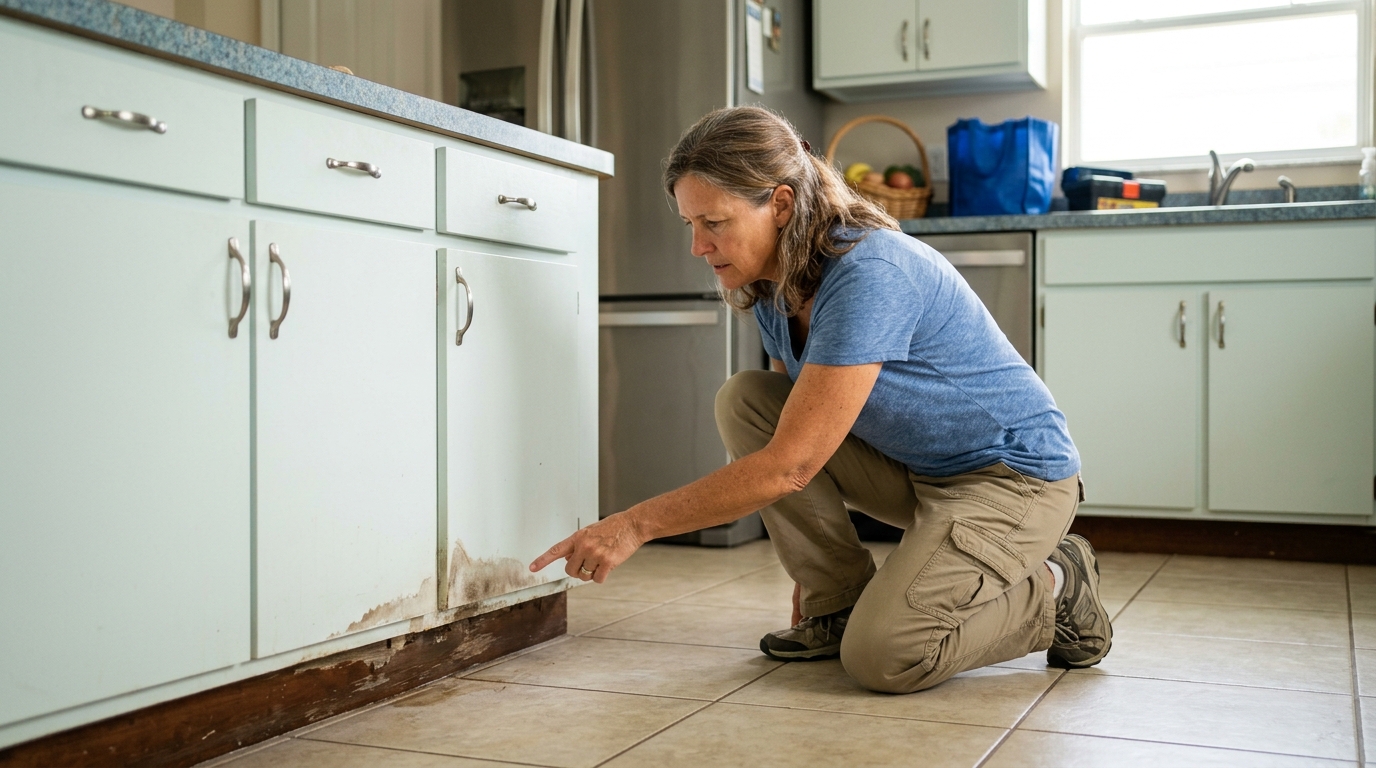
Cracks creeping across your walls, or a door that suddenly won’t latch, can send any Florida homeowner into a panic. Add a contractor’s five-figure repair estimate, and panic turns into dread. Before you assume your policy will cover the damage — or worse, before you accept an insurer’s denial at face value — you need to understand exactly does homeowners insurance cover foundation issues under Florida law and how carriers evaluate these claims. This guide breaks down what’s typically covered, what’s excluded, and the steps Florida homeowners should take to protect their rights when foundation damage threatens their largest investment.
Does Homeowners Insurance Cover Foundation Issues in Florida
The short answer: it depends on the cause
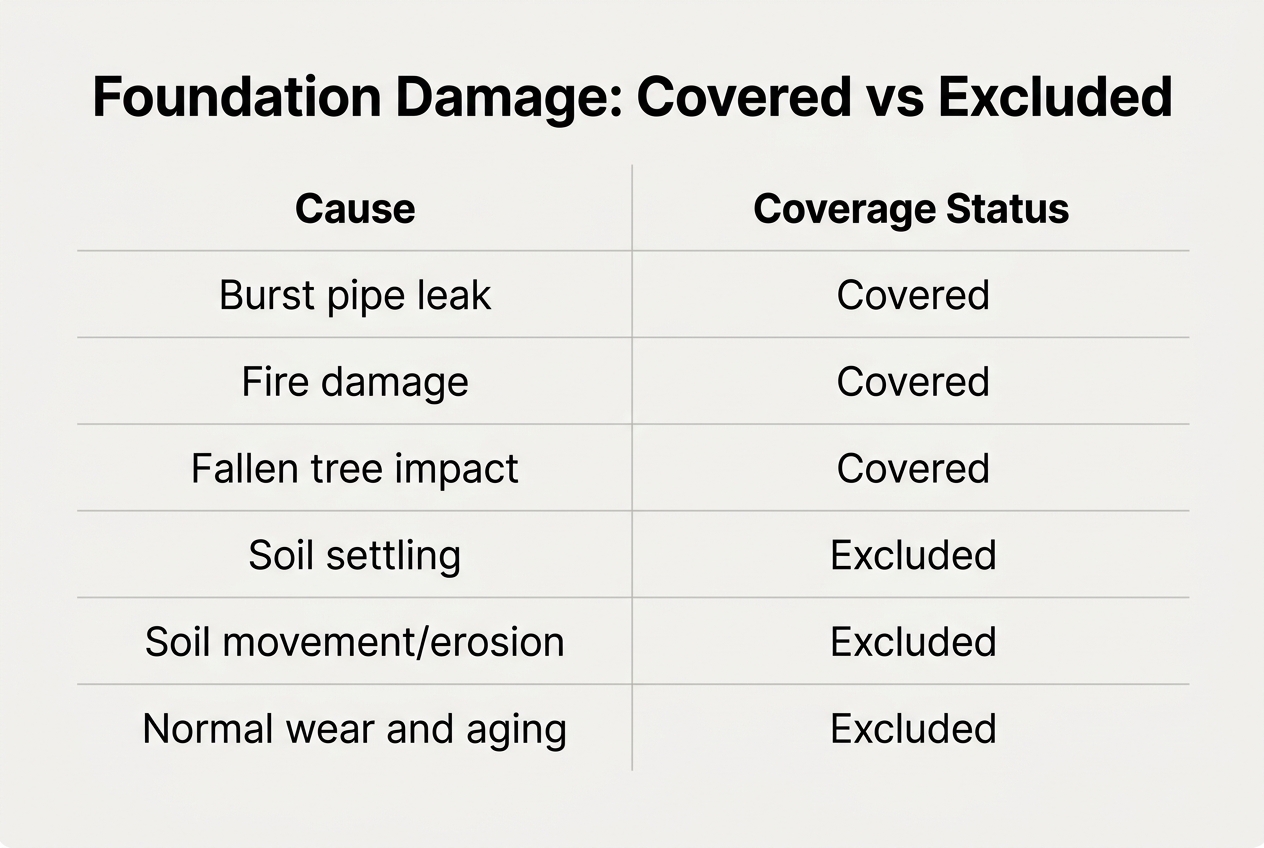
Foundation coverage is never a simple yes or no. The cause of the damage decides everything. A pipe that bursts and floods your slab may be covered. Soil that slowly shifts under your home usually is not. Insurers look at what triggered the crack, not just the crack itself.
This distinction trips up many homeowners. They assume any structural damage qualifies for a claim. In reality, a standard policy pays only for damage tied to specific, named events. Everything else falls back on the homeowner. That gap catches people off guard after storms, plumbing failures, or years of ground movement in Florida’s sandy, water-heavy soil.
How Florida’s HO-3 policy defines ‘covered perils’
Most Florida homeowners carry an HO-3 policy. It covers your dwelling on an “open perils” basis, meaning damage is covered unless specifically excluded. But foundations often get treated differently, with narrower rules buried in the endorsements section. Sudden events like fire, explosion, or a burst pipe typically qualify. Gradual issues, like settling or erosion, typically do not.
This peril-based structure explains why two nearly identical cracks can produce two very different claim outcomes.
Why insurers scrutinize foundation claims so closely
Foundation repairs are expensive, often running into tens of thousands of dollars. Insurers know this. So adjusters examine these claims with extra care, hunting for any sign the damage stems from an excluded cause. This scrutiny mirrors what happens with other high-cost claims, including does my insurance policy cover mold damage understanding… disputes, where causation debates drive denials, or storm claims discussed in floridas hurricane ian recovery six months later. The sections ahead break down exactly how these determinations get made.
How Foundation Coverage Actually Works Under Your Policy
Sudden vs. gradual damage explained
Your dwelling coverage, known as Coverage A, pays to repair the physical structure of your home, including the foundation. But this coverage only applies to certain triggers. Insurers draw a hard line between sudden and accidental events and problems that develop over time. A pipe bursting overnight and flooding your slab is sudden. Soil slowly shifting under your footer for years is not.
This distinction decides almost every foundation claim outcome. Sudden events, like a burst water heater or a storm-driven leak, typically qualify for payment. Gradual issues, like slow-leaking plumbing or long-term soil compaction, usually fall outside coverage. As explained in Does Home Insurance Cover Foundation Repairs?, timing and cause matter more than the size of the crack itself.
The anti-concurrent causation clause and why it matters
Many Florida policies include an anti-concurrent causation clause. This language says that if an excluded cause, like earth movement, combines with a covered cause, like wind, the entire claim can be denied. It doesn’t matter which cause did more damage. The exclusion controls.
This clause explains why some legitimate-looking claims get rejected. A storm might crack a foundation already weakened by years of soil settling. Adjusters may point to the pre-existing condition and deny the whole claim under this clause, even if the storm caused real, sudden harm.
How adjusters determine the ‘proximate cause’
Adjusters investigate the proximate cause — the dominant, triggering reason for the damage. They review inspection photos, engineering reports, and weather records. For wind-related foundation claims, they may also weigh florida hurricane claims understanding coverage limitatio… since wind and flood limits differ sharply.
This determination shapes the entire payout decision. Homeowners who disagree with an adjuster’s conclusion can request a second engineering opinion before accepting a denial.
Covered Causes of Foundation Damage
Most Florida homeowners policies cover foundation damage when a sudden, accidental event causes it. The key word is sudden. Insurers generally accept claims tied to a specific, identifiable incident rather than gradual wear.
- Burst pipes or plumbing lines that release water suddenly beneath or near the slab.
- Sudden accidental discharge of water from a washing machine hose, water heater, or supply line.
- Fire or explosion damage that weakens footings, beams, or slab integrity.
- Windstorm impacts, including falling trees or debris that strike the structure.
- Hail or storm-driven impact damage affecting the home’s structural envelope.
Sudden plumbing failures and pipe bursts
A burst pipe under the slab can flood the foundation area fast. If a joint fails or a line cracks without warning, the resulting water damage is typically covered. Issues like shower pan leaks causes detection solutions often overlap with foundation claims, since hidden leaks can undermine slab support over time.
Storm, wind, and impact damage
Hurricanes, tropical storms, and severe wind events can crack or shift a foundation through direct impact. A fallen tree or wind-driven debris striking the home counts as a covered peril in most policies.
Fire or explosion-related structural damage
Fire and explosion damage often compromises structural framing and foundation elements. Learn more through resources like Does Homeowners Insurance Cover Foundation Issues? for general guidance.
Excluded Causes: Settling, Soil Movement, and Wear
Earth movement and normal settling exclusions
Most Florida policies exclude damage from earth movement. This includes shifting soil, natural settling, and gradual expansion of the ground under a slab. Insurers view these as inevitable processes, not sudden accidents. Even if cracks appear over a few years, adjusters often point to this exclusion first.
Normal settling is treated differently than a sudden event like a burst pipe. A home naturally settles over decades as soil compacts. Insurers expect homeowners to plan for this through routine upkeep, not insurance payouts. That distinction shapes many disputes, since settling and storm-driven damage can look similar on the surface.
This overlap explains why foundation disputes rank among the most common homeowner insurance claims in florida. Homeowners often assume slow cracking means a covered peril, when the policy language says otherwise.
Sinkhole activity and Florida-specific endorsements
Florida law requires insurers to offer sinkhole coverage, but it’s often a separate endorsement with its own deductible. Standard policies exclude sinkhole losses unless this coverage is purchased. Limestone bedrock beneath much of the state makes sinkhole risk real, especially in Central Florida counties like Hernando and Pasco.
Catastrophic ground cover collapse is usually covered automatically, since it involves sudden, visible collapse. But slower sinkhole activity, causing gradual cracking, often falls under the optional endorsement. Homeowners without it may face steep repair bills, sometimes exceeding $30,000 for underpinning work.
Poor maintenance and long-term wear exclusions
Insurers deny claims tied to deferred maintenance, like ignored drainage problems or long-standing moisture intrusion. Wear that develops over years is treated as an ownership responsibility, not an insurable event.
This is a frequent point of contention, as seen in online discussions asking, “Foundation repair, will home owners insurance cover this?” Documentation of upkeep often determines the outcome.
Common Foundation Insurance Exclusions to Know
Insurance policies use precise wording to separate covered damage from excluded damage. Understanding these terms helps you judge whether your claim has a real chance before you file. The table below compares three common exclusion pairs adjusters cite most often.
| Exclusion Type | What It Means | Possible Workaround |
|---|---|---|
| Earth movement | Soil shifting, expansion, or settling over time | Prove a sudden collapse tied to a covered peril, like a burst pipe undermining soil |
| Sudden collapse | Abrupt structural failure from a specific event | Document the exact date and cause with photos and engineer reports |
| Flood exclusion | Rising groundwater or storm surge damage | Separate flood policy (NFIP) may apply; check overlap with wind-driven rain claims |
| Water damage coverage | Internal leaks, like a broken supply line | Show the water source was inside the home, not external flooding |
| Wear-and-tear | Gradual deterioration from age or neglect | Distinguish from accidental discharge, which strikes suddenly and is often covered |
Soil composition often drives these disputes. This Does home insurance cover Texas soil and foundation … guide explains similar soil-related exclusion battles outside Florida. Foundation moisture can also trigger mold growth, so review mold insurance claims what you need to know if you spot secondary damage.
Warning Signs of Foundation Damage in Your Home
Interior warning signs: cracks, gaps, and sticking doors
Foundation trouble often shows up inside the house first. Early warning signs are easy to dismiss as normal wear, but they usually point to movement below the slab.
- Cracks in drywall that run diagonally from door frames or window corners.
- Uneven or sloping floors that feel noticeably tilted when you walk across a room.
- Doors and windows that stick, drag, or no longer latch properly.
- Gaps forming between walls and ceilings, or between baseboards and the floor.
- Cracked tile or separating grout lines in kitchens and bathrooms.
Exterior warning signs: brick separation and tilting
Outside the home, watch for separating brick veneer, stair-step cracks in masonry, or a chimney that leans away from the house. Gaps around exterior doors and windows can also signal shifting. Learning how to ensure your home is protected against wind damage can help you spot related structural stress after storms.
When sagging floors signal a structural emergency
Sagging floors, bowing walls, or doors that suddenly won’t close at all mean the damage has advanced. This is a structural emergency, not a cosmetic issue. Documenting problems early, with photos and dated notes, strengthens any future claim. For more background, see Does Homeowners Insurance Cover Foundation Problems?
What Causes Foundation Damage in Florida Homes
Florida soil composition and foundation risk
Florida’s soil is a major reason foundations crack and shift. Much of the state sits on sandy soil that drains fast but shifts easily under a home’s weight. Other areas have expansive clay that swells when wet and shrinks when dry. This constant movement stresses a foundation over time.
In coastal counties, sandy soil can settle unevenly, especially near canals or reclaimed land. Homes built on fill dirt face similar risks if the fill wasn’t compacted properly. Small, gradual shifts often go unnoticed until cracks appear in walls or floors.
This slow, natural movement is one reason foundation claims get complicated. Insurers often view soil-related settling as a maintenance issue rather than sudden damage, which affects how claims are evaluated.
Water damage and hydrostatic pressure after storms
Florida’s heavy rainfall creates another common threat: hydrostatic pressure. After storms, saturated soil pushes water against foundation walls. Over time, this pressure can crack concrete or force water through tiny gaps.
Homes with poor drainage or clogged gutters face higher risk. Water pooling near a foundation for days after a storm can seep underneath, softening soil and causing slabs to shift. Taking proactive measures to minimize water damage in florida homes can reduce this risk significantly, especially during hurricane season.
Repeated saturation, even without flooding, weakens soil support beneath a home. This gradual erosion is a leading cause of foundation trouble across Florida neighborhoods.
Sinkholes and limestone bedrock instability
Central Florida sits atop porous limestone bedrock, making it especially prone to sinkholes. Groundwater slowly dissolves the limestone, creating underground voids. When those voids collapse, foundations can shift or drop suddenly.
Counties like Hernando, Pasco, and Hillsborough report frequent sinkhole activity. Homeowners in these areas often notice cracks, sloping floors, or gaps around doors and windows. For a broader overview of coverage nuances, resources like Does Homeowners Insurance Cover Foundation Repair? can offer useful context.
Foundation Cracks vs. Structural Settling: Are They Treated the Same?
Cosmetic hairline cracks vs. structural fractures
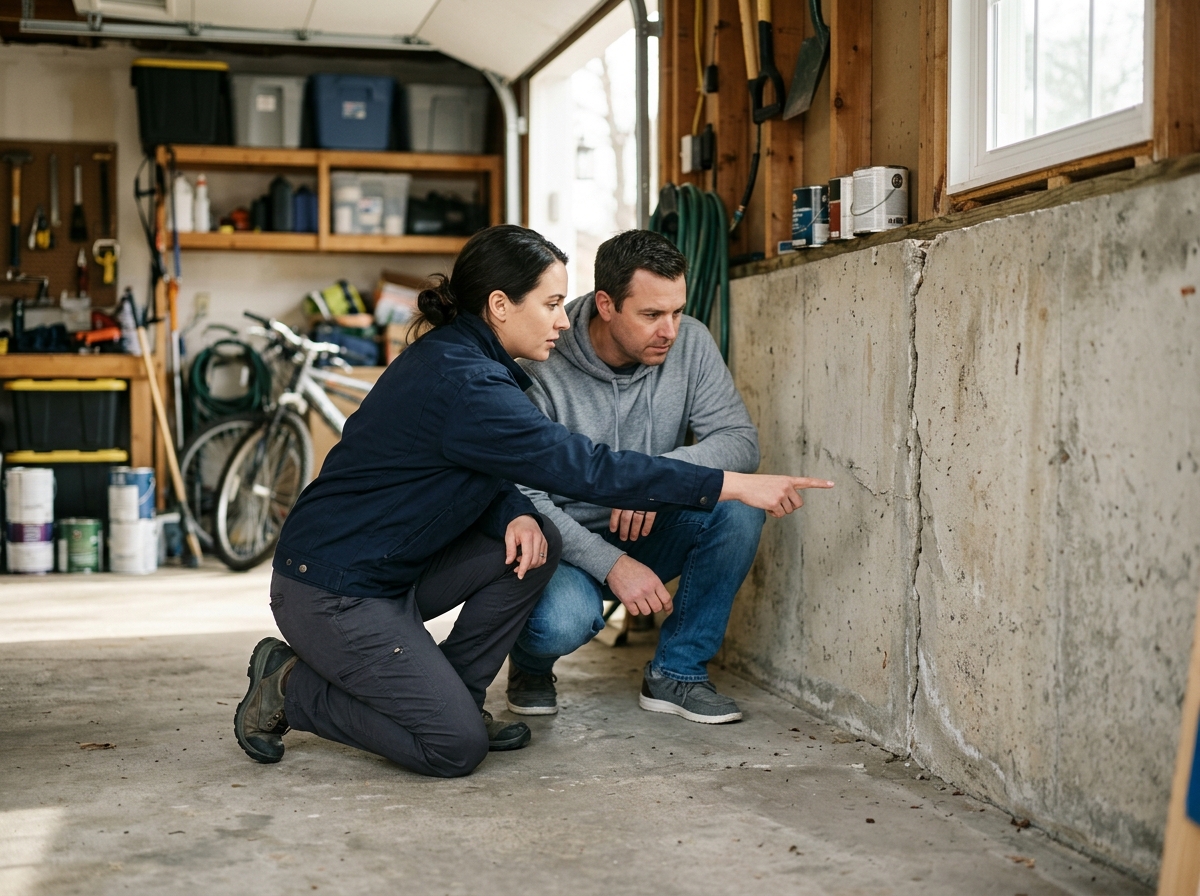
Not every crack means trouble. Insurers separate cosmetic hairline cracks from true structural fractures, and the difference drives every claim decision. A thin surface line in drywall, less than 1/8 inch wide, usually signals normal home aging. A stair-step crack running through block, or a gap wide enough to slide a coin into, often points to real movement.
Adjusters look at width, direction, and location. Cracks near windows and doors that make them stick or fail to close often indicate shifting, not decoration. Vertical cracks are generally less alarming than diagonal or horizontal ones. This classification decides whether an insurer treats the damage as covered structural failure or excluded wear, so understanding the distinction matters before you ever file.
How settling claims are usually denied
Most policies exclude gradual settling outright. Insurers argue soil compaction, poor original construction, or long-term moisture changes caused the crack over months or years, not a single event. Because settling is considered preventable maintenance, not a sudden loss, it falls outside standard coverage almost every time.
Denial letters often cite earth movement or faulty workmanship exclusions, even when the homeowner never touched the foundation. For a broader look at how insurers frame these denials, resources like Does Home Insurance Cover My Foundation? explain the industry-standard logic behind these exclusions.
Proving sudden cause versus gradual deterioration
Coverage often hinges on proving a sudden, identifiable event, like a burst pipe or storm-driven flooding, caused the crack. Photos taken before and after a storm, plumber invoices, and weather records all help establish timing.
Detailed documentation, including engineer reports and repair estimates, determines whether an insurer classifies damage as sudden or gradual. Homeowners should also understand potential tax implications; guidance on are insurance settlements for property damage taxable can clarify what happens after a payout arrives.
How Foundation Repair Costs Compare by Damage Type
Foundation repair costs vary widely depending on severity. Understanding these ranges helps homeowners grasp the financial stakes of a denial before accepting an insurer’s decision. A claim denied over a foundation issue can mean tens of thousands of dollars paid out of pocket.
| Repair Type | Typical Cost Range | When It’s Needed |
|---|---|---|
| Cosmetic crack sealing | $400 – $1,500 | Hairline or surface cracks, no structural movement |
| Epoxy or polyurethane injection | $1,000 – $3,500 | Moderate cracks with minor water intrusion risk |
| Underpinning with piers | $10,000 – $30,000 | Sinking corners, uneven floors, structural shifting |
| Full slab replacement | $25,000 – $80,000+ | Widespread structural failure or severe soil-related collapse |
Minor crack repair costs
Small, cosmetic cracks are the least expensive to fix. Sealing or injecting them typically costs under $3,500. Insurers often approve these claims quickly, since the damage is minor and clearly tied to a covered event.
Underpinning and pier installation costs
When a foundation shifts or sinks, contractors install piers to stabilize it. This process is invasive and costly, often reaching $30,000. Disputes here mirror the reasons water damage insurance claims get denied in florida, since insurers frequently argue the cause was gradual, not sudden.
Full slab replacement costs
Severe structural failure may require removing and rebuilding the entire slab. Costs regularly exceed $50,000. This is where a wrongful denial hurts homeowners most financially.
Steps to Take When You Discover Foundation Damage
Documenting damage with photos and engineer reports
Act fast once you spot cracks, sloping floors, or stuck doors. Documentation builds the foundation of a strong claim. Take clear photos and videos from multiple angles, and note dates when problems first appeared.
- Photograph every crack, gap, or shift, including close-ups and wide shots that show scale.
- Keep a written log noting when each issue appeared and how it has changed over time.
- Hire a licensed structural engineer to inspect the home and issue a written report on the cause and severity.
- Save receipts for any temporary protective measures, such as tarps or bracing.
- Collect witness statements from contractors or neighbors who noticed damage after a specific storm event.
Notifying your insurer the right way
Notify your insurer promptly and always in writing. A phone call alone leaves no paper trail. Email or mail a formal notice describing the damage, attach your photos, and request a copy of your policy’s foundation provisions. Prompt, documented notice protects your rights if the claim is later disputed or delayed.
Avoiding repairs that could compromise your claim
Resist the urge to start repairs before an adjuster inspects the property. Fixing cracks or pouring new concrete can erase evidence insurers need to verify the cause. Before hiring anyone, review 10 common mistakes to avoid when hiring a property damage professional, since rushed choices often weaken otherwise valid claims.
Why Foundation Claims Get Denied or Underpaid
Misclassifying sudden damage as gradual wear
Insurers often label foundation damage as long-term wear and tear rather than sudden, covered damage. A cracked slab caused by a burst pipe may get filed as “settling” instead of water damage. This single word change can turn a covered claim into a denied one.
Adjusters sometimes point to hairline cracks or soil reports to argue the damage built up over years, even when a homeowner can show a specific event, like a plumbing leak, triggered visible shifting within days. Photos, dated repair records, and prior inspection reports matter here. Without them, insurers control the narrative.
Lowball repair estimates from insurer-hired adjusters
Insurance company adjusters frequently underestimate the true cost of foundation repair. A quote might cover surface patching when the real problem requires underpinning, piering, or slab replacement costing tens of thousands more. These estimates often ignore engineering reports that recommend deeper structural fixes.
Homeowners who accept the first number lose leverage. A second opinion from an independent structural engineer or contractor often reveals a gap between what the insurer offered and what repairs actually require.
Delay tactics and requests for excessive documentation
Florida claims often follow a familiar pattern: delay, deny, defend. Insurers request repeated inspections, extra paperwork, or clarification letters, stretching a 60-day process into six months or longer.
Vague policy language makes this easier. Terms like “direct physical loss” get interpreted narrowly during adjustment. Similar tactics show up across property claims, including most common cause of roof leaks in florida disputes, where cause-of-loss debates drag on for months.
What to Do After a Foundation Claim Denial
Reviewing your denial letter and policy language
Start by requesting your denial letter and the complete claim file from your insurer. This includes adjuster notes, photos, engineering reports, and internal correspondence. Florida law entitles policyholders to this information, and insurers often rely on vague language hoping homeowners won’t push back.
Compare the stated reason for denial against your actual policy wording. Insurers sometimes cite “earth movement” or “wear and tear” exclusions without properly documenting how they reached that conclusion. Similar disputes arise with hail damage claims and roof damage claims, where causation gets misclassified to avoid payment.
Getting a second, independent engineering opinion
Insurance company engineers often work repeatedly with the same carrier. Hiring your own independent structural engineer provides an unbiased assessment of what actually caused the damage. This report can directly contradict the insurer’s findings.
A thorough independent evaluation typically costs between $500 and $1,500 but can uncover covered causes, like a hidden plumbing leak, that the original inspection overlooked or ignored. This step often becomes the deciding factor in reopening a wrongly denied claim.
Understanding your legal options and deadlines
Florida homeowners have the right to appeal a denial, request mediation through the Department of Financial Services, or file a lawsuit. Strict deadlines apply, so acting quickly matters. Learn how to file a wind damage insuranc claim in florida for comparable procedural steps.
If an insurer acted unreasonably, a bad faith claim may apply, potentially recovering additional damages beyond the original estimate.
Frequently Asked Questions About Foundation Coverage
Does a home warranty cover foundation repair instead of insurance
Not usually. A home warranty covers wear-and-tear on systems and appliances, like a broken water heater or air conditioner. It does not cover sudden structural damage from a covered peril. Homeowners insurance is the correct policy for foundation damage caused by a burst pipe, fire, or storm. Confusing the two often leads homeowners to file with the wrong company and waste valuable time.
Can I get insurance if my home already has foundation cracks
Yes, but expect complications. Insurers may require an inspection before binding a policy. Common outcomes include:
- The insurer issues coverage but excludes the existing foundation damage from any future claim entirely.
- The company requires repairs to be completed and documented before approving the policy.
- Premiums increase because the home is considered higher risk than similar properties nearby.
- The insurer denies coverage outright, forcing the buyer to shop with a specialty carrier instead.
- A pre-existing condition clause gets added, limiting payouts if the crack ever worsens later.
Buyers should request a foundation inspection before closing, not after.
Is foundation coverage ever a standard add-on in Florida
No standalone “foundation endorsement” exists like it does for flood or sinkhole coverage. Foundation protection is built into the dwelling coverage itself, triggered only by covered perils. Homeowners dealing with related structural issues, including water intrusion, should also review mold insurance claims protecting your home and health in the aftermath of prolonged moisture damage near the foundation.
If your foundation claim was denied or the payout felt far too low, it may be worth having someone in your corner who knows how insurers evaluate this kind of damage. Krapf Legal focuses specifically on helping homeowners who’ve been wrongfully denied or underpaid on property insurance claims, and they advance the time and money needed to prove you’re owed more, so you pay nothing unless they win. Reach out to schedule a consultation and find out where your claim really stands.