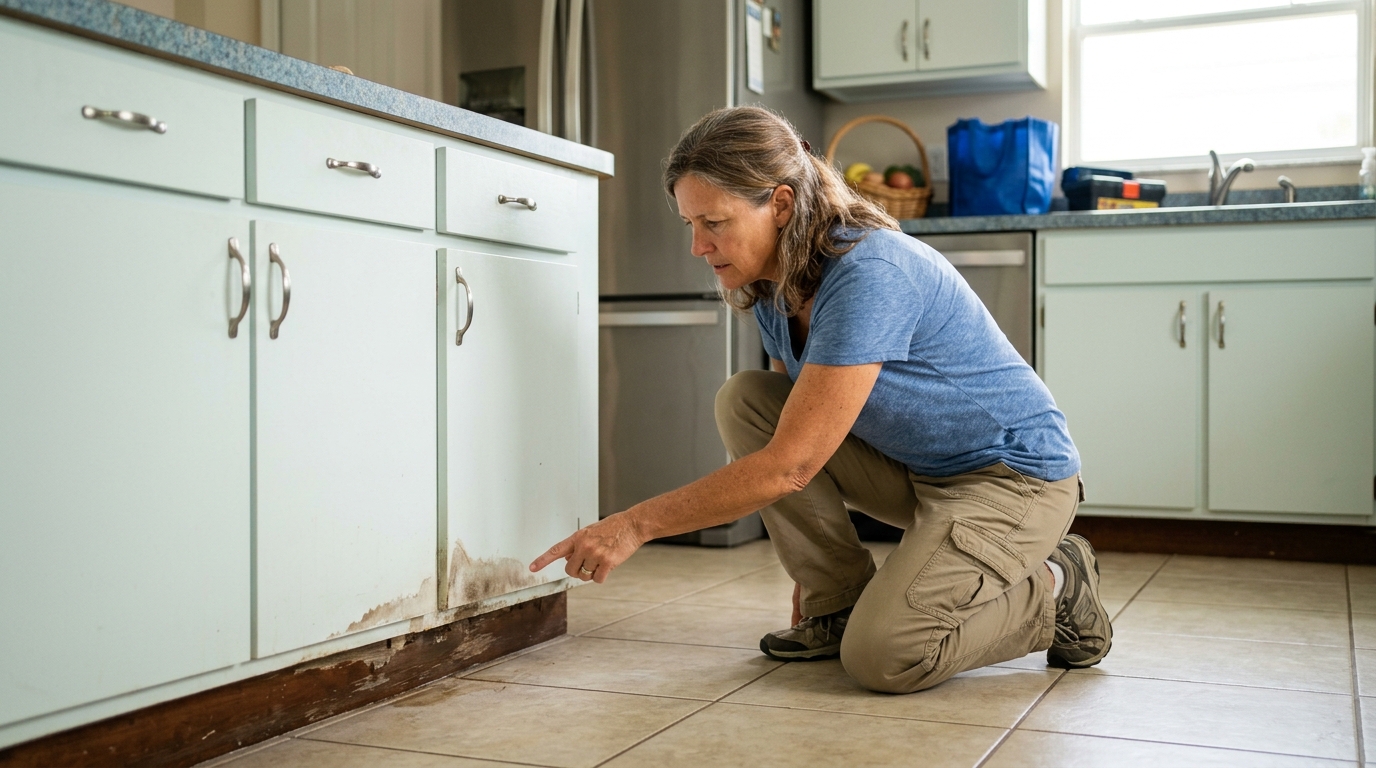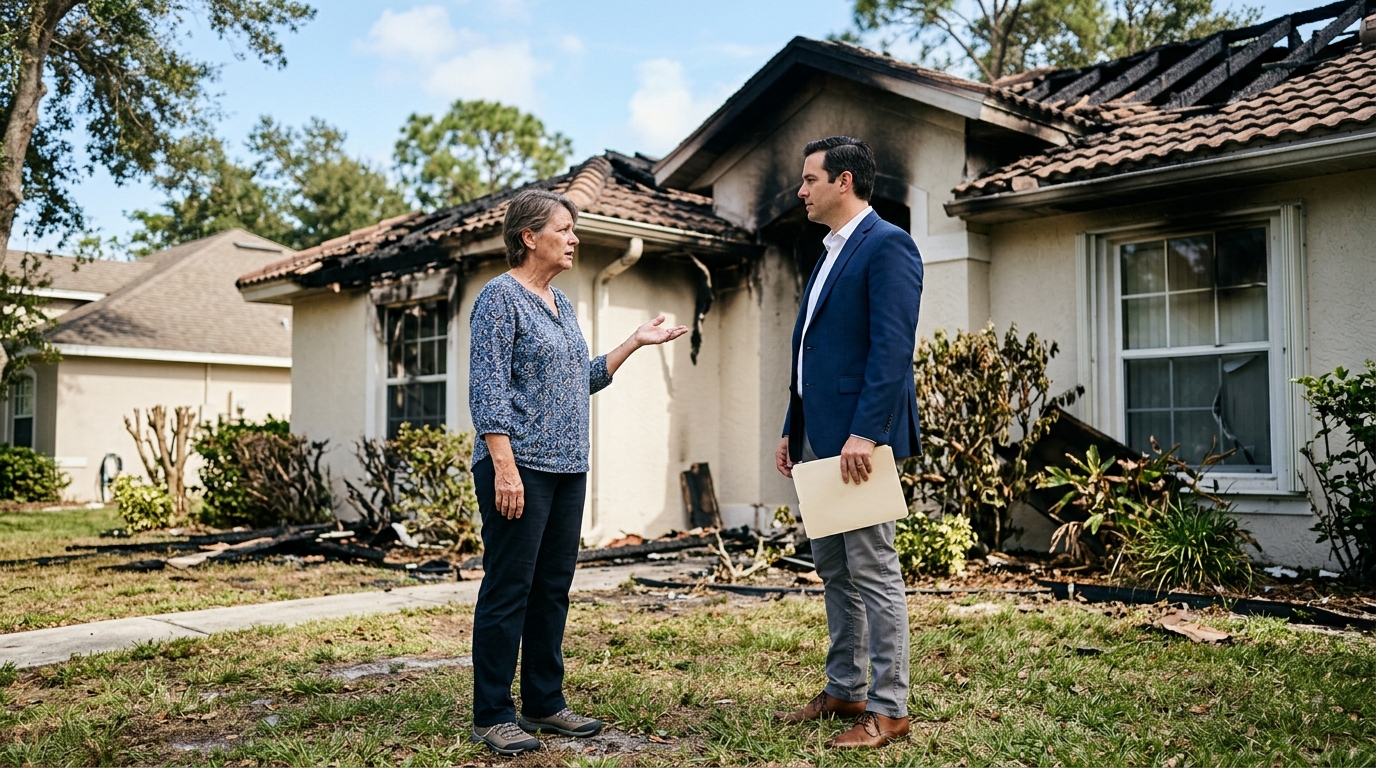
A fire tears through your home or business, and just when you think the worst is over, your insurance company starts looking for reasons to pay you less than you deserve. Lowball offers, endless delays, disputed damages — it’s exhausting. You don’t have to fight it alone. This guide breaks down exactly how a fire damage lawyer at Krapf Legal helps Florida property owners recover the full compensation their policy actually owes them.
What a Fire Damage Lawyer Does for Florida Property Owners
Denied vs. underpaid fire claims
A denied claim and an underpaid claim aren’t the same problem. They don’t get fixed the same way, either. A denial means the insurer says you get nothing — maybe they’re pointing to an exclusion, a missed deadline, or a disputed cause of loss. An underpayment means they’ve agreed to pay something, just not enough to actually rebuild or replace what burned. Both require a close read of your policy language and a real understanding of most common home insurance claims and why insurers push back on them.
For a denial, an attorney’s first job is figuring out whether the reason given actually holds up. For an underpayment, it’s about proving the gap between what the adjuster wrote down and what repairs genuinely cost. That means pulling contractor estimates, sometimes hiring independent engineers, and comparing everything against the insurer’s own scope of work. The evidence has to be stronger than theirs.
Smoke damage claims get underpaid constantly because smoke travels. It gets into HVAC systems, insulation, drywall — places adjusters never inspect closely. That’s often where the real money gets left on the table.
When to bring in an attorney after a fire
Not every fire claim needs a lawyer. If your insurer accepts the claim quickly and the payout roughly matches your contractor’s estimate, you may be fine handling it yourself. But once you get a denial letter, a lowball offer, or silence for weeks on end, that’s your signal. Reading up on the importance of fire insurance claims and hiring an attorney in Florida before you sign anything can save you from accepting a settlement you’ll regret.
Attorneys handle claim evaluation, gather evidence like fire marshal reports and structural assessments, and take over negotiations directly with the insurer — no more guessing what an adjuster’s email actually means. This matters even more in bad faith situations, where an insurer drags things out or ignores documentation on purpose. If you’re weighing options, it also helps to research Fire Smoke Damage Insurance Claim Attorneys and compare how firms structure fees and communication.
Most fire damage lawyers, including many serving Florida homeowners, work on contingency: no fee unless they recover money for you. That arrangement removes the financial risk of hiring help. Honestly, it’s hard to find a good reason not to at least get a free consultation once real money’s on the line.
Immediate Steps to Take After a Fire Loss
Protecting evidence for your claim
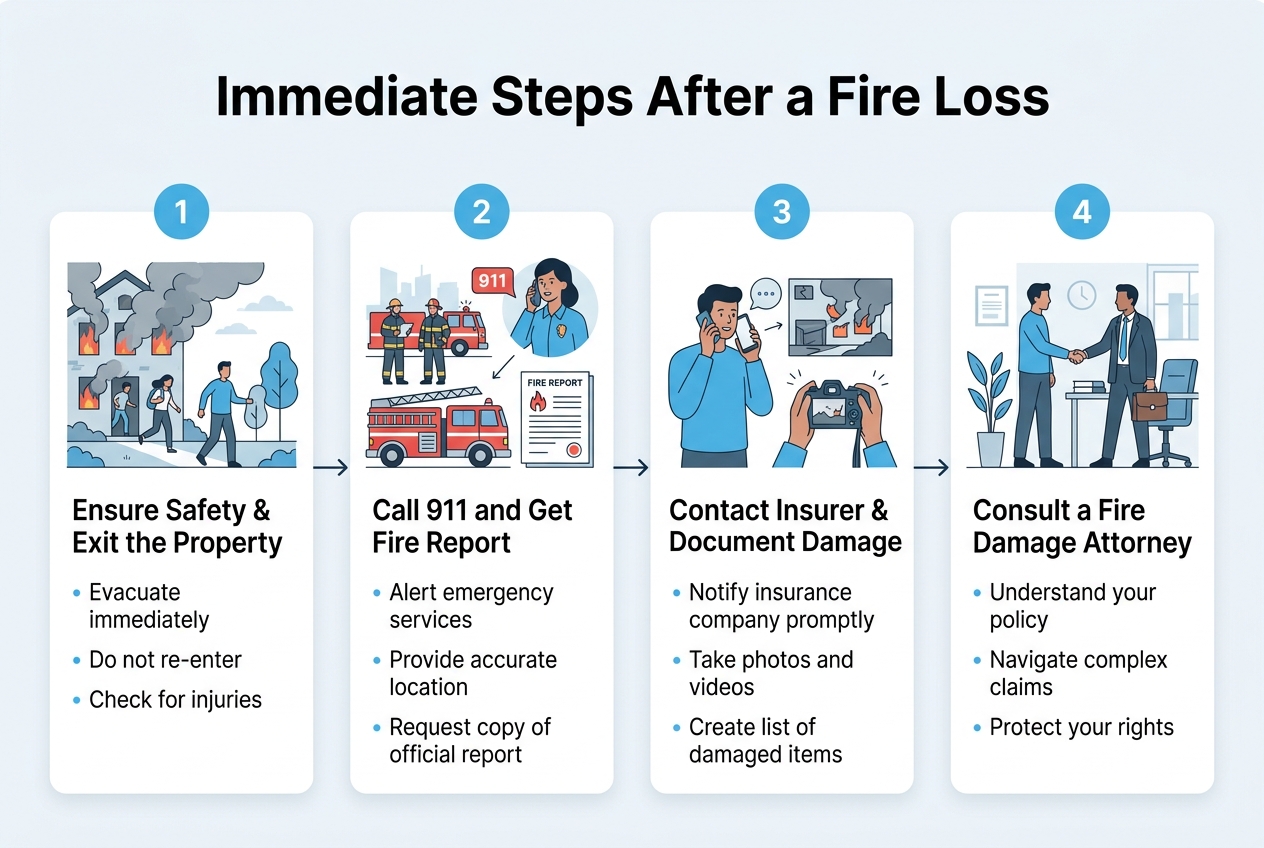
The first hours after a fire matter more than most people realize. Whatever you do, don’t rush to clean up before you’ve built a record. Insurers lean hard on their own inspection, so your own evidence is often the only thing standing between a fair payout and a lowball offer.
- Photograph and video every room, including areas with smoke or water damage that aren’t obviously burned, before any debris gets moved or thrown out;
- Board up windows, tarp the roof, and shut off utilities if it’s safe to do so, since insurers expect you to prevent further loss and may dispute costs tied to neglect;
- Pull a full copy of your policy and read the fine print on fire, smoke, and water damage exclusions, because coverage details vary widely between policies;
- Start a claim log the same day, noting every call, adjuster visit, and document you send, with dates and names attached;
- Hold onto receipts for temporary housing, meals, and emergency repairs, since these are often reimbursable under additional living expense coverage;
- Resist signing any early settlement offer until you’ve had it reviewed, because a quick check payout now can waive your right to pursue the rest later.
Timing matters too. Many homeowners want to know how long does a home insurance claim take before repairs can even begin, and the honest answer is: it depends on documentation quality. Smoke and water intrusion also raise separate mold concerns, so it’s worth understanding mold insurance claims what you need to know before secondary damage sets in unnoticed behind walls.
Understanding Fire and Smoke Damage Insurance Coverage
Most standard homeowners and commercial property policies cover fire damage as a named peril, which means the loss is covered outright unless the policy specifically excludes it. That coverage typically extends to the dwelling itself, attached structures, personal property, and in commercial policies, business equipment and inventory. But “covered” doesn’t always mean fully covered. Insurers often draw sharp lines between what burned, what melted, and what simply smells like smoke — and those lines determine your payout. Seeking guidance from a Fire & Smoke Damage Lawyers resource can help clarify how your specific policy language treats each category before you sign off on an adjuster’s number.
Smoke damage vs. structural fire damage
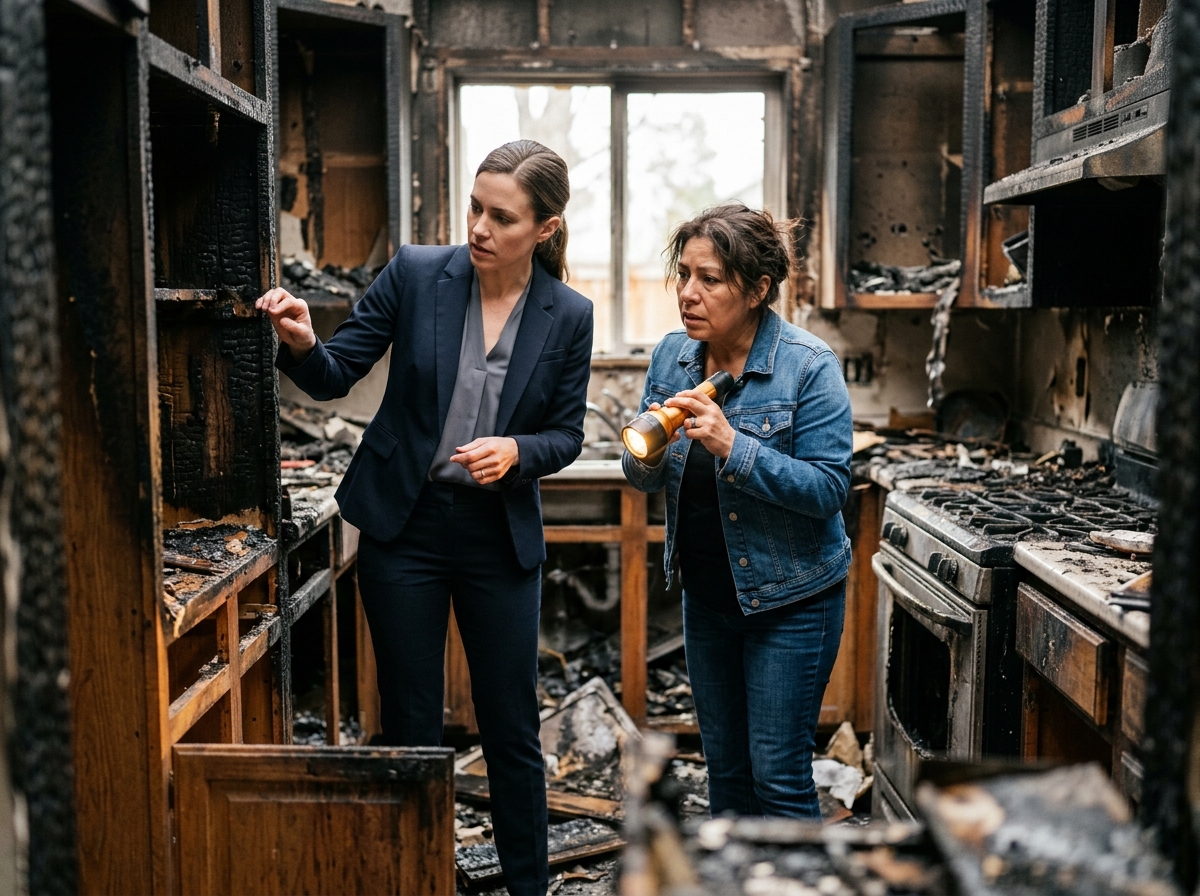
Structural fire damage is the obvious stuff: charred framing, collapsed roofs, melted wiring, burned drywall. It’s visible, it’s dramatic, and insurers rarely dispute that it happened. Smoke and soot damage is trickier. It travels through HVAC systems, settles into insulation, and can ruin fabrics, electronics, and finishes in rooms nowhere near the actual flames. Smoke damage is often underestimated by adjusters who focus on burned square footage rather than airborne contamination.
Here’s the problem: soot is corrosive and acidic. Left untreated, it keeps degrading metal and fabric for weeks after the fire’s out. A kitchen fire that never touched the living room can still leave that room’s carpet, drapes, and electronics with permanent odor and corrosion damage. Insurers sometimes lowball these claims by treating smoke residue as a cleaning issue rather than a covered loss requiring replacement.
Additional living expenses explained
If a fire makes your home unlivable, most policies include additional living expenses, or ALE, coverage. This pays for temporary housing, increased food costs, storage, and sometimes pet boarding while repairs happen. It’s not unlimited, though. Most policies cap ALE at a percentage of your dwelling coverage or a set time period, often 12 to 24 months. Reviewing the details of additional living expenses coverage florida policies require can save you from a nasty surprise mid-displacement.
Commercial policies have a similar concept called business income coverage, which replaces lost revenue during rebuilding. Whether your loss counts as partial or total matters a lot here. A partial loss, say a contained kitchen fire, usually means a shorter ALE window and faster claim resolution. A total loss triggers longer displacement, higher payouts, and often more insurer scrutiny — similar to what many families experienced during floridas hurricane ian recovery six months later, when displacement stretched far beyond initial estimates.
Common Reasons Insurers Deny or Underpay Fire Damage Claims
Fire claims get picked apart more than almost any other property loss. Insurers know fire investigations are technical, and they lean on that complexity to justify a lower payout or an outright denial. Understanding where these disputes usually start can help you spot a lowball tactic before it costs you thousands.
How adjusters undervalue smoke damage.
Soot and smoke don’t stay put. They creep into ductwork, insulation, wall cavities, and attic spaces that a five-minute walkthrough will never catch. That’s exactly the gap insurers exploit. A few patterns show up again and again:
- Disputes over the cause of the fire, where the insurer suggests arson or faulty wiring instead of an accidental cause, shifting blame to avoid paying at all.
- Underestimating smoke and soot penetration into unseen areas like HVAC systems, subfloors, and drywall, which means the real cleanup cost is far higher than the initial estimate.
- Citing policy exclusions or a lapsed premium, sometimes discovered only after the claim is filed, as grounds for denying coverage entirely.
- Delaying the inspection for weeks, then sending an adjuster who spends thirty minutes on-site before writing a lowball repair estimate.
- Alleging pre-existing damage or poor maintenance, blaming an old roof or outdated wiring for losses the fire itself actually caused.
- Applying outdated or regional pricing data that doesn’t reflect current Florida labor and material costs for fire restoration work.
Each of these tactics relies on you not pushing back. Documentation is your best weapon here — reading through essential information on filing a smoke damage claim can help you understand what evidence carries weight before the insurer’s estimate becomes the final word. It’s also worth learning practical tips for assessing property damage so you can compare your own findings against whatever number the adjuster hands you. Don’t just accept the first figure. It’s rarely the right one.
DIY Claim Filing vs. Hiring a Fire Damage Lawyer
Filing on your own feels cheaper at first. No fees, no percentage cut, just you and the adjuster. But that math only works if the claim actually pays out fairly, and fire losses rarely do. Smoke damage hides in HVAC systems, framing gets weakened in ways invisible to a quick walkthrough, and insurers know most homeowners won’t push back hard. Avoiding common mistakes matters here; learning the common mistakes to avoid when hiring a property damage lawyer can save months of frustration before you even sign anything.
Here’s a rough side-by-side of how the two paths tend to play out.
| Factor | Filing Solo | With Legal Representation |
|---|---|---|
| Upfront cost | $0, but no fee protection | $0, contingency-based |
| Time investment | 15-30+ hours, ongoing calls | A few hours total, attorney handles the rest |
| Negotiation leverage | Limited, adjuster sets the tone | Appraisal, litigation, and bad-faith claims as pressure points |
| Average settlement gap | Often 20-40% below actual repair cost | Closer to full policy value |
| Timeline to resolution | Weeks to months, sometimes stalls | Often faster once leverage is applied |
The real difference is leverage. An attorney can invoke appraisal to force a neutral valuation, threaten litigation, or file a bad-faith action if the insurer drags its feet or lowballs on purpose. That’s not aggression for its own sake, it’s what moves stalled fire claims forward. The same principles apply broadly across property claims; the reasoning behind why wind damage insurance claims get denied in Florida mirrors many of the excuses used to underpay fire losses. Solo filers rarely have that muscle. Attorneys use it daily.
How the Fire Damage Claim Process Works With an Attorney
Once you decide to bring in legal help, the process follows a fairly predictable path. It’s not mysterious, and it shouldn’t feel that way. Understanding how the property damage insurance claim process works from start to finish helps you know what to expect and when to expect it, whether you’re dealing with fire, smoke, water, or storm damage.
What happens during the free consultation
The first step is a free case evaluation. You’ll walk through what happened, when the fire occurred, what the insurer has said so far, and what documentation you already have. An attorney reviews your policy language, checks your denial or lowball offer letter, and tells you honestly whether pursuing the claim makes sense. No cost, no pressure. From there, if you move forward, the real work starts: policy review, expert damage documentation, and building a case with fire investigators, contractors, and sometimes engineers.
Many homeowners try filing on their own first. That’s fine, until the adjuster starts pushing back or citing exclusions nobody explained clearly. Reading a breakdown of fire damage lawyers and their typical process can give you a second reference point before hiring anyone.
Timeline expectations for resolution
Every case moves differently, but most follow a similar rhythm. Here’s a general sense of what to expect at each stage.
| Stage | Typical Duration | What Happens |
|---|---|---|
| Consultation & intake | 1–2 business days | Case reviewed, policy examined, next steps outlined |
| Documentation & expert review | 2–6 weeks | Fire investigators, contractors, adjusters assess full loss |
| Formal demand submitted | 1–3 weeks after documentation | Detailed demand letter sent to insurer |
| Negotiation | 1–3 months | Back-and-forth toward fair settlement value |
| Litigation, if needed | 6–18 months | Lawsuit filed, possibly including bad-faith claims |
Most claims settle before trial. But if the insurer won’t budge, filing suit — and pursuing bad-faith action where warranted — keeps pressure on. That’s the leverage a lawsuit gives you. Use it.
Why Choose a Fire Damage Lawyer for Your Florida Claim
Results and client volume
Numbers tell you a lot before you ever pick up the phone. A firm that’s recovered over $58,000,000 for policyholders isn’t guessing at strategy — it’s applying lessons learned from thousands of real disputes with real insurers. That kind of track record matters because fire claims are rarely simple. Between structural loss, smoke penetration, and personal property destruction, a single fire claim can involve as many moving parts as a hurricane claim.
Consulting with over 3,500 clients and closing more than 200 transactions means a provider has likely seen your exact scenario before, whether it’s a kitchen fire that spread through drywall or an electrical fire that gutted a business. That volume builds pattern recognition — adjusters use tactics repeatedly, and an experienced attorney spots the playbook fast. Many local businesses assume their claim is unique. Often, it isn’t.
This experience carries over into related property disputes too. Attorneys who handle fire claims frequently also manage hurricane damage attorney work, roof damage claims, and mold insurance claims, since fire, water, and storm damage often overlap in one property.
No-win, no-fee commitment
Here’s the part that removes the guesswork: no fees unless the case wins. That structure matters enormously to a homeowner who’s already facing repair estimates, temporary housing costs, and a denied or lowballed claim. You’re not gambling money you don’t have on legal help. Free case consultations let you find out where you stand before committing to anything at all.
Cases get handled by a team of managing and associate attorneys, not a single overworked solo practitioner juggling too many files. That structure means someone is always reviewing your documentation, tracking deadlines, and pushing your insurer for a response. It also means responsiveness — most legitimate providers aim to reach out within 1-2 business days, which counts for a lot when your policy’s proof-of-loss clock is ticking.
These teams typically don’t stop at fire cases either. They handle hail damage claims, bad faith claims when insurers act unreasonably, and even personal injury matters connected to a property loss. If you want a broader sense of what triggers unfair denials in the first place, it helps to review documented reasons water damage insurance claims get denied in Florida, since insurers often use similar denial tactics across fire, water, and storm claims alike. For a wider look at how fire losses get litigated nationally, some homeowners also research broader property damage and loss cases to understand precedent.
Frequently Asked Questions About Fire Damage Claims
Denied claims and next steps
A denial letter feels final. It isn’t. Insurers deny fire claims for all kinds of reasons, and plenty of them don’t hold up once you push back with documentation and a firm timeline.
- Request the denial in writing with the specific policy language the insurer relied on, not just a vague summary.
- Order your own copy of the fire marshal’s report and any origin-and-cause investigation, since insurers sometimes misquote these findings.
- Get an independent contractor estimate for rebuild and content replacement costs before accepting the insurer’s number.
- Keep every email and call log; bad-faith cases often hinge on how the insurer handled the claim, not just the payout amount.
- Ask whether smoke, soot, or water used to fight the fire caused separate damage that needs its own line-item review.
Smoke damage is a common sticking point. It’s usually covered, but insurers love to argue it was “pre-existing” or unrelated to the fire itself. Documentation from a licensed restoration company defeats that argument fast, and it’s worth learning about Fire and Smoke Claims before you sign off on any settlement offer.
Statute of limitations in Florida
Florida gives you a limited window to file, and it’s shorter than most people assume. Waiting costs you leverage and, eventually, your right to file at all. If you’re unsure where you stand, it helps to review how long you have to file a property damage claim before assuming you’ve missed your shot. Already accepted a settlement you now regret? You may still have options, especially if new damage surfaces or the insurer misrepresented your coverage. Finding help isn’t complicated: look for attorneys who work on contingency, offer a free case review, and handle fire claims specifically rather than general litigation.
Getting Help With Your Fire Damage Claim in Clearwater
Scheduling your free case review
Once a fire tears through your home or business, the clock starts ticking. You don’t need to figure out the legal side alone, and you shouldn’t wait around hoping the insurer does right by you. A local office at 2790 Sunset Point Rd, Clearwater, FL 33759 is set up specifically to meet with property owners facing exactly this kind of loss, walk through the details of what happened, and lay out realistic options. There’s no upfront cost to have that conversation. That matters, because most families dealing with fire damage are already stretched thin financially.
Reaching out is simple: call +1 727 777 7450 or send an email to intake@krapflegal.com, and expect a response within one to two business days. During that first conversation, be ready to describe the fire, what the insurer has said so far, and any documentation you’ve gathered. If your claim overlaps with other issues, say a fire that started after storm damage, it also helps to review guidance on filing an insurance claim after hurricane idalia, since overlapping causes of loss can complicate how adjusters evaluate your case.
Don’t sit on this. Evidence fades, memories blur, and insurers move fast to close files in their own favor. Property owners researching options outside Florida sometimes turn to resources like House Fire Lawyer: Ohio Homeowner’s Insurance Claims for comparison, but Florida’s statutes and deadlines are their own animal. A free case evaluation, scheduled promptly, gives you a clear-eyed read on where you actually stand.
If a fire has left you dealing with a denied or underpaid insurance claim, you don’t have to face the insurance company alone. The team at Krapf Legal, located at 2790 Sunset Point Rd in Clearwater, has helped thousands of Florida property owners recover the compensation they’re owed, with over $58,000,000 recovered for clients to date. Call +1 727 777 7450 or email intake@krapflegal.com for a free case evaluation, and someone from their team will reach out within 1-2 business days to talk through your options.