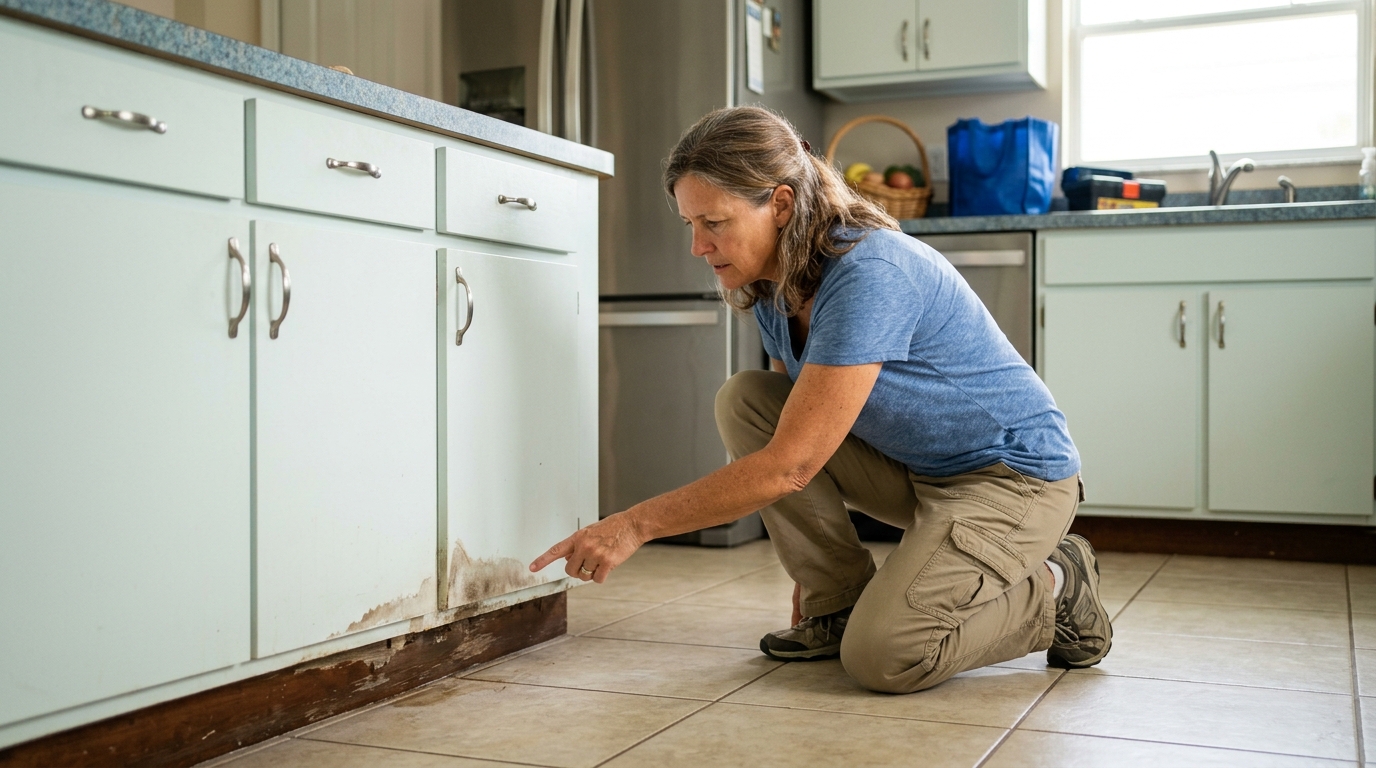
When funnel clouds touch down and rip through Florida neighborhoods, roofs, windows, and entire structures can be destroyed in minutes. But the insurance claims process that follows can drag on for months, especially when carriers argue about the cause or extent of damage. If you’re searching for a straight answer to whether does homeowners insurance cover tornado damage, here it is: yes, most standard policies include wind coverage that applies to tornadoes. But fine print, exclusions, and claim-denial tactics can shrink what you actually recover. This guide breaks down what your policy covers, where Florida homeowners commonly get shortchanged, and what legal options exist when insurers undervalue or deny legitimate tornado damage claims.
Does homeowners insurance cover tornado damage
Wind damage as a covered peril
Most standard homeowners policies list windstorm damage as a covered peril. That means damage from a tornado’s high winds, including a torn-off roof, shattered windows, or a collapsed porch, is typically covered. Insurers treat tornado wind the same way they treat straight-line wind or severe thunderstorm gusts.
Hail that comes with a tornado is usually covered too. A storm system can drop hail before or after the funnel cloud passes, denting siding, cracking skylights, and pitting a roof’s shingles. Adjusters often evaluate wind and hail damage together, since both can strike the same property within minutes of each other.
Coverage extends beyond the main structure. Detached garages, fences, and sheds usually fall under separate structure coverage, with their own limits. Personal belongings damaged by wind coming through a broken window are often covered under personal property provisions, though limits and documentation rules vary by carrier.
Named-peril vs. open-peril policies
A named-peril policy only covers damage from perils specifically listed in the contract. If wind and hail appear on that list, tornado damage is covered. If a cause of loss isn’t named, the claim gets denied, no matter how severe the damage looks.
An open-peril policy, sometimes called all-risk coverage, works differently. It covers every cause of loss except those specifically excluded. This often provides broader protection, but it still contains exclusions that can surprise homeowners during a tornado claim.
Reading the declarations page matters more than most homeowners realize. Two neighbors with the same insurer can carry different policy forms. That can lead to very different outcomes after the same storm.
Where tornado coverage typically ends
Even wind-friendly policies contain exclusions. Flooding from heavy rain during a tornado is usually excluded, so you’d need separate flood insurance. This gap resembles issues seen in does my insurance policy cover mold damage understanding… claims, where water intrusion complicates an otherwise straightforward wind loss.
Neglect-related damage, like a roof that was already failing, often gets denied too. Mold growth from delayed repairs raises similar disputes, as explained in mold insurance claims what you need to know. Understanding these boundaries helps homeowners anticipate where coverage stops.
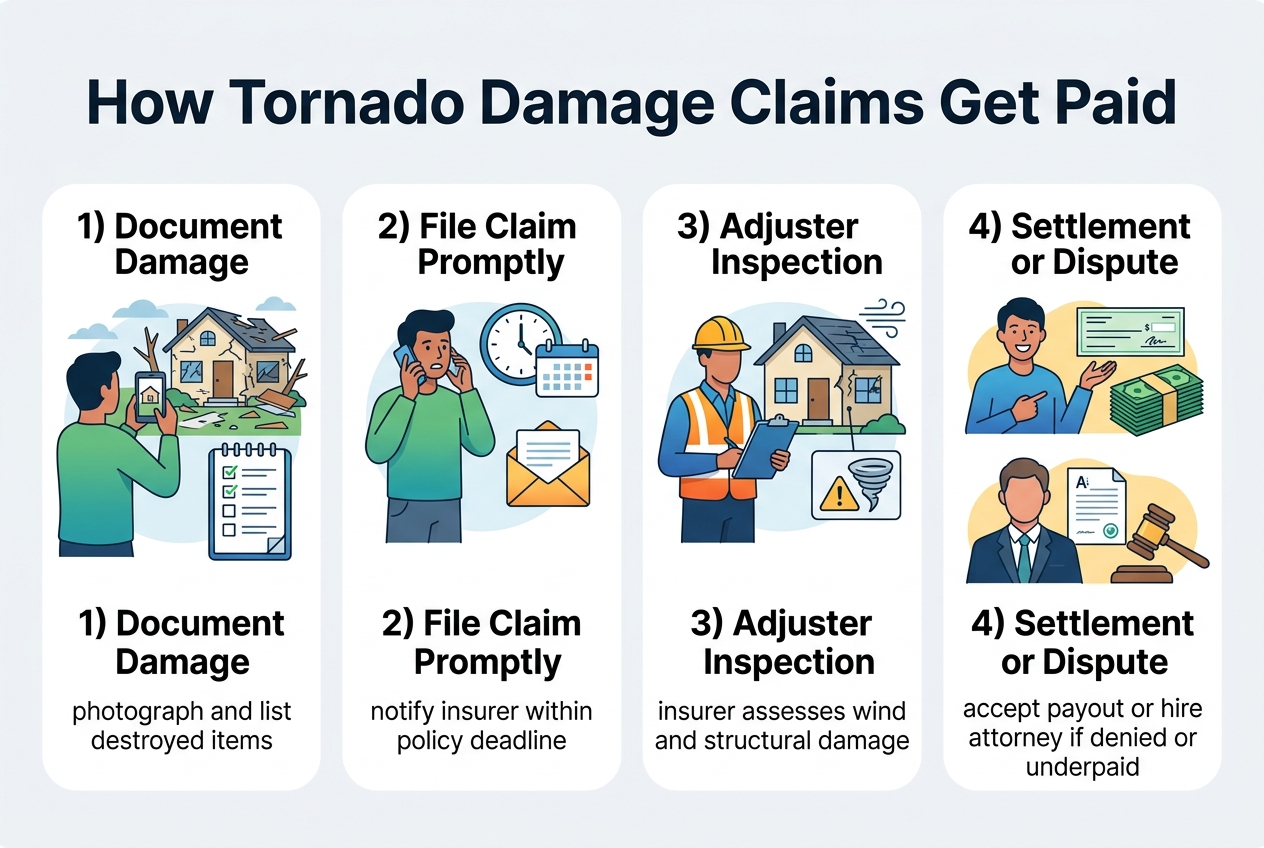
How tornado damage claims actually get paid
Dwelling and structure coverage
Your dwelling coverage pays to repair or rebuild the home itself, including the roof, walls, and foundation. If a tornado tears off shingles or collapses a wall, this coverage responds first. Insurers typically send an adjuster to inspect the damage and estimate repair costs based on local labor and material prices.
Other structures coverage handles detached items like fences, sheds, and detached garages. These claims are often underpaid because adjusters overlook secondary damage. A damaged fence, for example, may also hide water intrusion issues, similar to what a Water Damage Attorney sees in flooding cases. Roof Damage Claims frequently fall into this category too, since wind-lifted shingles create leaks that worsen over weeks.
Personal property and loss-of-use payouts
Personal property coverage reimburses you for belongings damaged by the storm, from furniture to electronics. You’ll need an itemized list with estimated values, and insurers often request receipts or photos as proof. Missing documentation is one of the top reasons these payouts get reduced.
If the home becomes unlivable, loss-of-use coverage pays for temporary housing, meals, and related costs. This coverage has limits, often a percentage of your dwelling coverage, so track expenses carefully. Homeowners displaced for months, as seen in floridas hurricane ian recovery six months later, learned this lesson firsthand.
ACV vs replacement cost settlements
Actual cash value settlements subtract depreciation from the item’s original cost. Replacement cost settlements pay the full amount needed to buy a new equivalent item, with no depreciation deducted.
Many policies pay ACV first, then release the depreciation “holdback” once repairs are finished and receipts are submitted. This two-step process protects insurers, but it can delay full payment for homeowners by weeks or months.
Delayed moisture problems can complicate this further, as described in the unseen impact how mold damage affects your property value, adding unexpected costs before final settlement.
Covered perils and real-life damage scenarios
Wind-driven structural damage
Tornado winds can strip a home to its frame in seconds. Most standard policies treat this as wind peril damage, which is typically covered. According to Tornado Damage and Homeowners Insurance, wind is one of the most common covered causes of loss during severe storms.
- Roofs torn completely off the structure, exposing rafters and interior rooms to the elements.
- Windows shattered by wind pressure changes, even without visible debris strikes.
- Power lines downed across the property, sometimes sparking fires or electrical damage.
- Partial or full structural collapse of garages, porches, or upper floors.
- Siding and exterior walls ripped away, leaving framing exposed to weather.
Debris and impact damage
Flying debris causes some of the most severe tornado losses. Tree limbs, patio furniture, and roofing material become projectiles at high speeds. Insurers usually classify this as impact damage under wind coverage.
- Vehicles crushed by falling trees or airborne construction debris.
- Punctured roofs from flying shingles, branches, or neighboring structures.
- Broken skylights and cracked exterior walls from wind-driven objects.
Water intrusion following wind damage
Once a roof is compromised, water intrusion often follows fast. This secondary damage can cost more than the initial wind loss. Homeowners should understand reasons water damage insurance claims get denied in florida, since insurers sometimes dispute whether water entered before or after the storm. Mold growth can also develop within days of a soaked ceiling or wall cavity.
What about tornado damage from fallen trees
When a fallen tree is covered
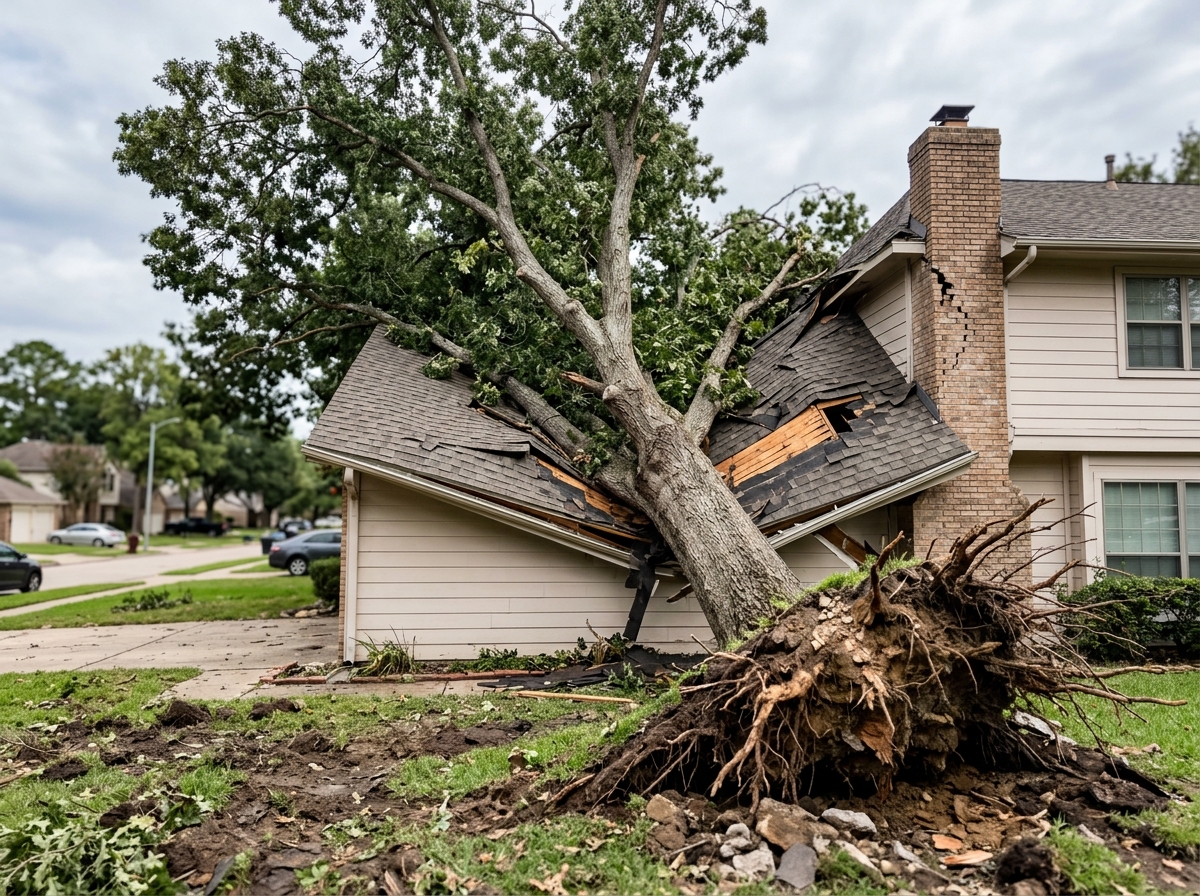
A fallen tree is usually covered when it damages an insured structure. If tornado winds topple an oak onto your roof, your dwelling coverage typically pays for repairs. This includes damage to the roof, walls, and anything inside that gets wet or crushed. Insurers treat this as wind damage, one of the standard covered perils in most policies.
Attached structures often qualify too. A tree crashing through a garage or an enclosed porch usually falls under the same dwelling protection. Before assuming your claim will go smoothly, review what you need to know about roof damage claims in florida, since roof damage disputes are common after tree strikes.
When it isn’t covered
Coverage gets murkier when a tree hits something other than your home. A tree crushing a wooden fence, a shed, or landscaping may not be covered, depending on your policy’s limits for “other structures.” Some insurers pay a small percentage of dwelling coverage for these items. Others exclude them entirely.
Trees falling on uninsured detached structures, like a freestanding pergola, often get denied outright. Adjusters sometimes argue the damage stemmed from pre-existing rot rather than the storm itself, a tactic discussed in this Homeowners insurance will not pay for wind damage after … thread.
Debris removal cost limits
Even when the tree itself is covered, removing it isn’t automatic. Most policies set a separate debris removal limit, often capped around $500 to $1,000, or a small percentage of dwelling coverage. Large trees can cost thousands to remove, leaving homeowners to pay the difference out of pocket.
Tornado deductibles and how they differ from standard claims
Tornado claims often trigger a different deductible than a burst pipe or kitchen fire. Many states along wind-prone corridors require insurers to apply a separate wind or hurricane deductible, and Florida homeowners should understand how these work before a storm hits. This distinction matters because it changes your out-of-pocket cost dramatically. Reviewing florida hurricane claims understanding coverage limitatio… can clarify how wind-related limits apply to your specific policy.
Percentage-based wind deductibles
A percentage-based deductible is calculated from your home’s insured value, not a flat number. If your home is insured for $300,000 and your wind deductible is 2%, you owe $6,000 before coverage starts.
Flat-dollar standard deductibles
Standard claims, like fire or theft, usually use a fixed dollar deductible. This amount stays the same no matter your home’s value, which makes it easier to predict costs.
Comparing deductible impact on payout
The table below shows how deductible type changes your final payout on identical damage.
| Home Value | Deductible Type | Deductible Amount | Damage Claim | Insurer Payout |
|---|---|---|---|---|
| $200,000 | 2% Wind | $4,000 | $20,000 | $16,000 |
| $300,000 | Flat | $1,000 | $20,000 | $19,000 |
| $400,000 | 5% Wind | $20,000 | $20,000 | $0 |
| $150,000 | Flat | $2,500 | $20,000 | $17,500 |
As shown, percentage deductibles can absorb your entire claim. For more background, see Does Home Insurance Cover Tornado Damage?
Coverage options and policy features to compare
Premium coverage with higher limits
Base policies often cap payouts below true rebuilding costs. A high-limit premium policy raises those caps and cuts the odds of paying out of pocket after major tornado damage. This matters most in older homes or areas with rising construction costs.
Optional endorsements worth considering
Two add-ons deserve close attention: ordinance or law coverage, which pays for code-required upgrades during rebuilding, and extended replacement cost, which stretches your limit beyond the stated amount. Both can prevent painful gaps, similar to gaps that surface in roof damage claims or mold damage claims signs risks and insurance coverage disputes.
| Feature | Base Policy | Premium Policy |
|---|---|---|
| Dwelling limit | Fixed amount | Higher or guaranteed |
| Ordinance/law coverage | Rarely included | Often available |
| Extended replacement cost | Not offered | Available as add-on |
| Debris removal cap | Low, fixed cap | Higher cap |
Reading policy declarations and exclusions
Your declarations page lists limits, deductibles, and endorsements in plain terms. Clear language protects you; vague wording invites disputes. As outlined in Does Homeowners Insurance Cover Storm Damage?, ambiguous exclusions often become the center of bad faith claims after a denial.
Common coverage gaps homeowners overlook
Flood exclusions after storm damage
Tornadoes often bring torrential rain, and rising water is treated differently than wind. Standard homeowners policies typically exclude flood damage, even when the flooding is triggered by the same storm that spun up the tornado. Homeowners frequently assume one storm event means one type of coverage. As this overview on Does Homeowners Insurance Cover Tornado Damage? explains, wind and flood are separate perils requiring separate policies.
Mold and delayed-repair exclusions
Insurers expect prompt action after a tornado. If repairs stall and moisture lingers, mold growth can follow within 24 to 48 hours. Many policies exclude mold that results from delayed repairs, treating it as a maintenance failure rather than storm damage. This is a common trigger for mold insurance claims disputes.
Sub-limits on detached structures and landscaping
Even a fully covered claim can fall short because of hidden caps. Review your policy for these common sub-limits:
- Detached garages, sheds, or workshops often capped at 10% of dwelling coverage.
- Fences, decks, and pergolas frequently carry their own reduced payout limit.
- In-ground pools may be covered only for specific named perils, not general storm damage.
- Trees, shrubs, and landscaping often have a strict per-item dollar cap, sometimes $500 or less.
- Detached carports and gazebos may fall under “other structures,” a separate, smaller coverage bucket.
Before signing with anyone to help sort out these gaps, review 10 common mistakes to avoid when hiring a property damage… lawyer.
Steps to file a claim after tornado damage
Documenting and reporting the damage
Act fast after the storm passes. Take photos and video of every damaged area, inside and out, before you touch anything. Capture roof damage, broken windows, water stains, and debris. Save receipts for temporary repairs or hotel stays. Then notify your insurer promptly and get a claim number in writing. Waiting too long can hurt your case, so review how long do you have to file a property damage claim in your state.
Meeting the adjuster and estimate process
The adjuster’s visit sets the tone for your claim. Walk the property with them and point out every issue, even small ones. Get your own repair estimates from licensed contractors to compare against the insurer’s numbers.
| Step | Who’s Involved | Typical Timeframe |
|---|---|---|
| Initial report | Homeowner, insurer | Within 24-48 hours |
| Adjuster inspection | Insurance adjuster | 3-10 days after report |
| Contractor estimate | Homeowner, licensed contractor | 1-2 weeks |
| Settlement offer | Insurer | 2-4 weeks |
| Appeal, if needed | Homeowner, attorney | Varies |
Avoiding common claim-filing mistakes
Many homeowners sign contractor agreements without reading them closely. Some contracts include an assignment of benefits, which hands over your claim rights. Read the Understanding Tornado Insurance Basics [After the Twister] guide before signing anything. Never accept a lowball offer without a second opinion.
Why your policy’s fine print matters more than you think
How insurers use exclusion language
Insurance policies are written by professionals who choose every word carefully. When wording is unclear, courts often side with the homeowner. But that only happens after a dispute reaches a lawyer or judge. In practice, ambiguous wording is frequently interpreted against you at the claims desk, long before any legal review begins.
Many exclusions aren’t part of the original policy at all. They arrive later through endorsements, added quietly at renewal. A homeowner might sign up for broad wind coverage, then find a new endorsement limiting tornado-related roof damage two years later. Reading each renewal packet, not just the declarations page, catches these changes early.
Anti-concurrent causation clauses explained
An anti-concurrent causation clause states that if two events cause damage together, and one is excluded, the entire claim can be denied. Say a tornado rips shingles loose, then rain floods the attic. If flood is excluded, insurers may deny the whole claim, not just the water portion, even though wind started the chain of events.
This language is dense and easy to miss. Resources like Tornado Recovery: What’s Covered for My Home? help homeowners understand how these clauses interact with wind and water damage.
Reviewing your policy before disaster strikes
Reading your policy before storm season matters as much as filing correctly afterward. Homeowners who reviewed lessons from filing an insurance claim after Hurricane Idalia often caught gaps months before their own tornado losses occurred.
When a tornado claim gets denied or underpaid
Typical reasons insurers deny tornado claims
Insurers deny tornado claims for several common reasons. One is pre-existing damage. Adjusters may argue your roof was already worn before the storm hit. Another is late reporting. Waiting weeks to file can raise suspicion, even when the delay was reasonable, like dealing with injuries or unsafe roads.
A third reason is misclassified peril. Some policies treat wind, flood, and hail differently. If an insurer decides water intrusion came from flooding rather than wind-driven rain, coverage can shrink fast. This overlap gets complicated quickly, especially in coastal states. For a deeper look at how storms combine perils, see when disasters collide hurricane and water damage insuran….
Recognizing an underpaid settlement
Insurer-hired adjusters often work fast, and their estimates can miss real damage. A roof quoted at $4,000 might actually need $12,000 in repairs once a contractor inspects the decking underneath. Lowball estimates are common with roof damage claims and hail damage claims, where a surface inspection hides structural issues.
Watch for vague damage descriptions, missing line items, or repair costs far below local contractor quotes. These gaps often signal an underpaid settlement worth challenging.
When to seek professional or legal help
If your claim was denied, delayed, or paid far below repair costs, get a second opinion. Persistent lowballing or denial without clear reasoning may qualify as a bad faith claim, worth discussing with a property insurance attorney.
Choosing the right homeowners policy for storm-prone areas
Evaluating insurer reliability and reviews
Not all insurers handle wind and tornado claims the same way. Some pay quickly and fairly. Others delay, underpay, or fight every claim. Before you buy a policy, check the insurer’s complaint history with your state’s insurance department and look at third-party financial strength ratings from agencies like A.M. Best.
A financially strong company is more likely to pay large claims after a widespread tornado outbreak, when thousands of homeowners file at once. Reputation matters as much as price. Ask neighbors or local contractors which companies paid fairly after past storms, and search online reviews specifically for storm-related claim experiences rather than general customer service ratings.
Balancing deductibles and premiums
Lower premiums often mean higher deductibles, and that tradeoff matters most during a major storm. A $5,000 wind deductible feels manageable until you’re facing a full roof replacement and interior repairs at the same time.
Think honestly about your savings and your risk tolerance. If you couldn’t comfortably cover a 2% or 5% deductible on your home’s value, a lower deductible with a slightly higher premium may serve you better. Cash flow after a disaster is just as important as the monthly bill you pay now.
Add-on riders for storm-prone regions
Standard policies often cap payouts below actual rebuilding costs. Guaranteed or extended replacement cost riders close that gap, covering rebuilding expenses even if they exceed your policy limit due to rising labor and material costs.
These riders are especially valuable in regions with frequent tornado activity, where demand surges can spike repair costs quickly. Learning how to ensure your home is protected against wind damage can help you decide which riders actually fit your risk.
Frequently asked questions about tornado coverage
Coverage for near-miss and minor damage claims
A tornado siren alone does not trigger coverage. Insurers pay for physical damage, not fear or inconvenience. A near-miss with no broken windows, roof damage, or structural harm usually means no payout. But minor damage still counts. Homeowners often overlook small losses that add up. Consider filing when you notice these signs:
- Cracked or lifted shingles that were not visible from the ground before the storm passed through.
- Dented gutters, downspouts, or siding caused by flying debris during high winds.
- Broken fence sections, damaged sheds, or torn screens on porches and lanais.
- Hairline cracks in windows or door frames from pressure changes during the tornado.
- Water stains appearing days later from a compromised roof seal.
Document everything with photos immediately, even if damage seems minor now.
Additional living expenses during repairs
Most standard policies include additional living expenses (ALE) coverage. This pays for hotel stays, temporary rentals, and extra meal costs while your home is unlivable. Coverage typically lasts until repairs finish or your policy limit runs out, whichever comes first. Keep receipts for everything, since insurers require proof of actual costs incurred.
Renters and condo insurance considerations
Renters need their own policy, since a landlord’s insurance only covers the building structure. Condo owners often need a policy covering interior walls, floors, and personal belongings, since the association’s master policy usually stops at common areas. Separately, homeowners near coastal regions should also check whether does flood insurance cover hurricanes applies to their situation, since tornadoes and hurricanes often bring flooding together.
If your insurer denied your tornado damage claim or offered a settlement that doesn’t come close to covering your repairs, you don’t have to accept it. Krapf Legal specializes in helping home and business owners who have been wrongfully denied or underpaid on their property insurance claims, and they advance the time and money needed to prove you’re owed more, with no fees unless they win. Reach out today to schedule a consultation and find out what your claim is really worth.