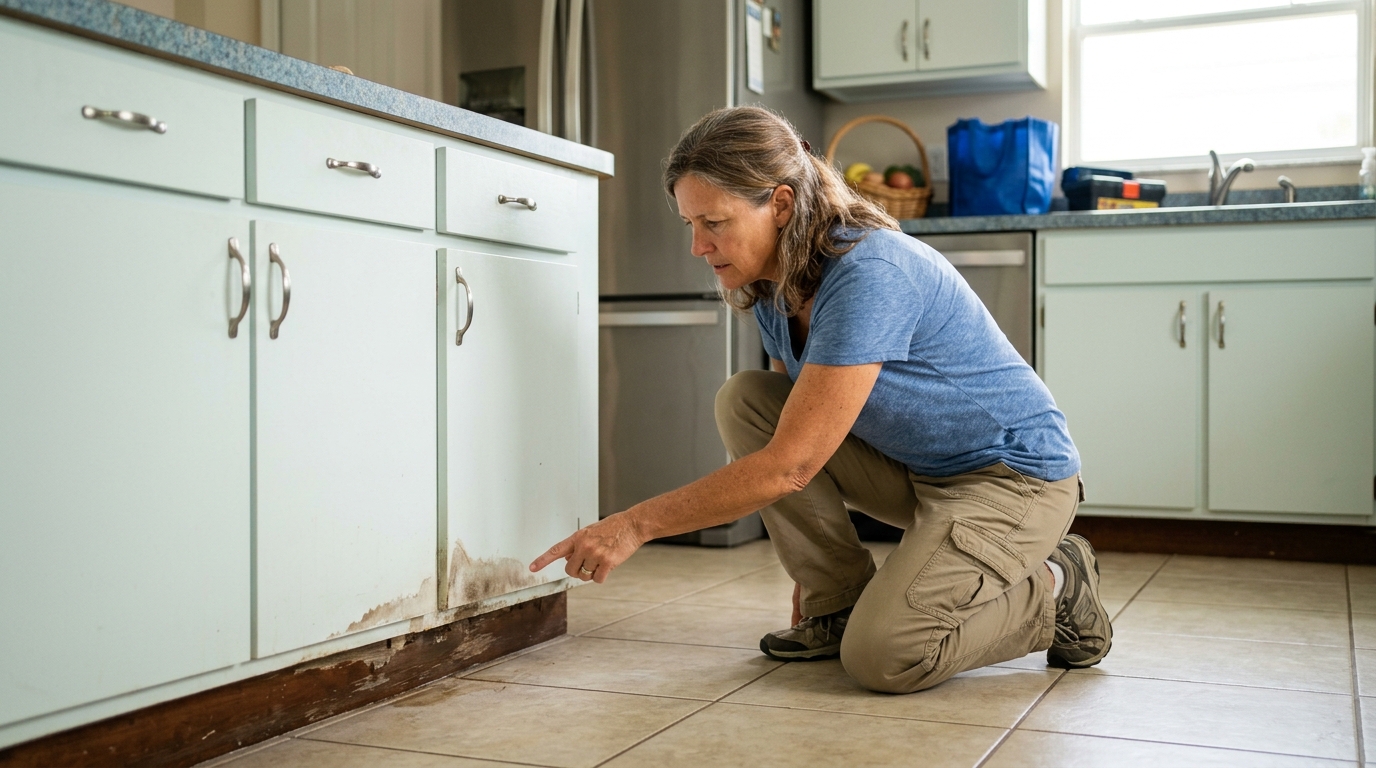
Water is seeping across your Florida living room floor, and your mind is racing between two urgent questions: how do I stop this, and will my insurer actually pay for it? The honest answer to does homeowners insurance cover water damage is frustratingly nuanced—your policy may cover a burst pipe yet deny a slow leak, flood, or claim tied to poor maintenance. Florida insurers are notorious for exploiting that gray area to minimize payouts. This guide breaks down exactly what Florida homeowners policies do and don’t cover in 2026, how carriers try to dodge legitimate claims, and what steps protect your right to full compensation.
Does homeowners insurance cover water damage in Florida
The short answer explained
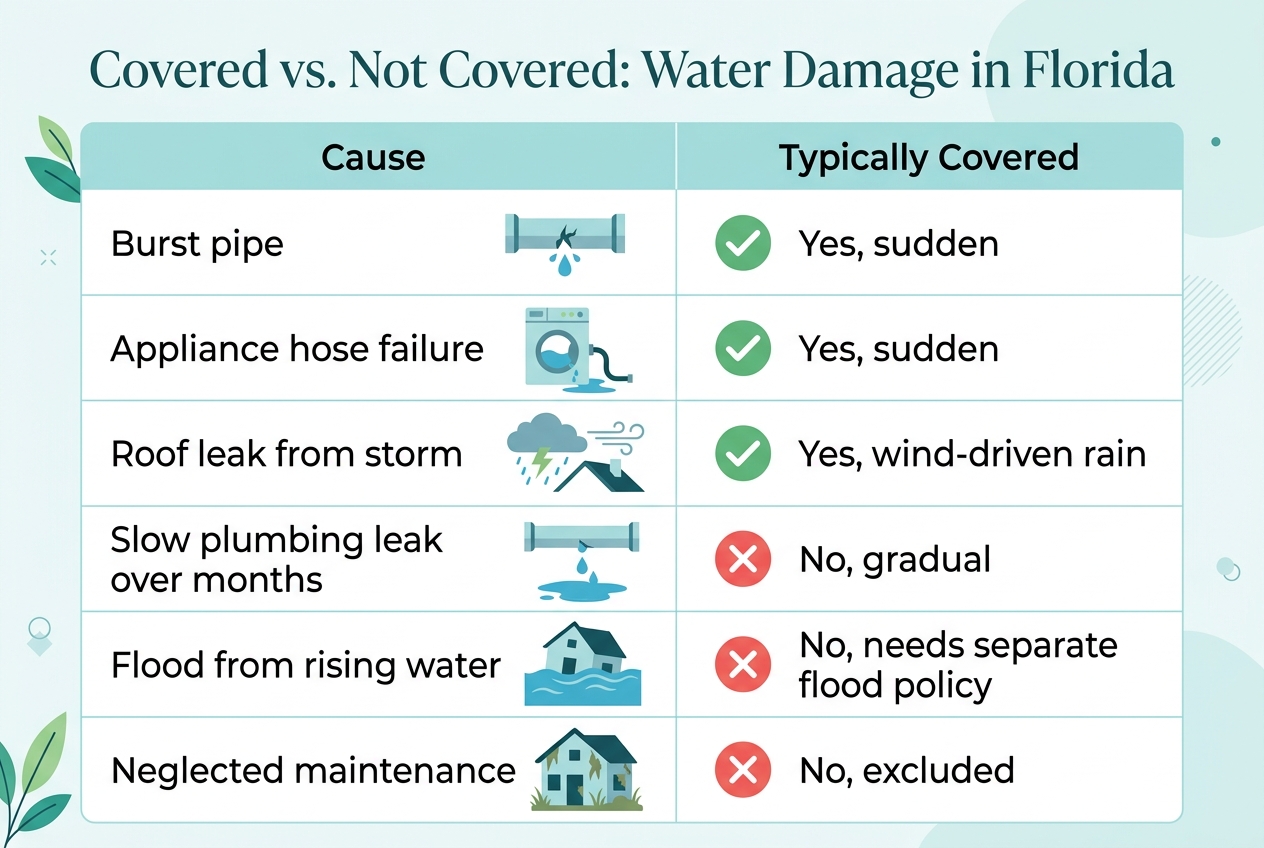
The honest answer is it depends. Florida homeowners policies cover many water losses, but not all of them. A pipe that bursts overnight and floods your kitchen is usually covered. A slow leak behind your washing machine that soaked the floor for months usually isn’t.
Coverage decisions come down to a few key questions. Was the water source sudden or gradual? Did the damage stem from a covered peril, like a broken appliance hose? Or did it come from something excluded, like rising floodwater? Each answer changes the outcome.
Because the rules are so specific, two neighbors with similar damage can get very different results from their insurers. One claim gets paid quickly. The other gets denied outright, even though both homeowners assumed they had the same protection.
Why the cause of the water matters most
Insurers don’t simply ask “was there water damage?” They ask “what caused it, and how fast did it happen?” A sudden pipe failure gets treated very differently than a slow roof leak that worsened over several rainy seasons.
Policy language often draws sharp lines between “sudden and accidental” events and damage tied to wear, neglect, or long-term moisture. That second category frequently opens the door to mold complications, raising separate questions like does my insurance policy cover mold damage understanding… your policy actually allows.
This is exactly why insurers scrutinize the timeline and cause of every water claim before paying it.
How Florida’s climate raises the stakes
Florida’s humidity, heavy rains, and hurricane exposure make water damage far more common than in drier states. Homes face constant moisture pressure, from summer storms to slow-moving tropical systems that dump inches of rain in hours.
This climate also means insurers process an enormous volume of water-related claims every year. High volume often leads to faster denials, lowball estimates, or requests for extra documentation homeowners weren’t expecting, as outlined in mold insurance claims what you need to know.
Understanding these pressures helps homeowners see why claims get questioned so often, and why documentation matters from the very first sign of water.
How a standard homeowners policy treats water losses
Named perils vs. open-peril coverage
Most Florida homeowners carry an HO-3 policy. This form covers the dwelling on an open-peril basis, meaning damage is covered unless the policy specifically excludes it. Personal property, though, is usually covered on a named-peril basis. That means only listed causes of loss, like fire or a burst pipe, are covered.
This split matters for water claims. A pipe bursting inside a wall may be covered under the dwelling section. But the ruined furniture in that room falls under named perils for personal property. If “water damage” isn’t listed as a covered peril there, the claim gets denied. Adjusters exploit this difference often, which is one of several reasons water damage insurance claims get denied in Florida.
Common endorsements that change the outcome
Insurers sell endorsements that reshape water coverage. A water backup endorsement adds protection for sewer or drain backups, normally excluded. A service line endorsement covers buried pipes leading to the home. Some policies add limited mold coverage, often capped at $10,000.
Other endorsements restrict coverage instead. Insurers may add a lower sublimit for water losses or require specific maintenance proof before paying. Reviewing your declarations page for these add-ons matters as much as reading the base policy.
Reading your policy’s water damage exclusions
Water damage exclusions typically appear in the “Losses We Do Not Cover” section, often several pages into the policy. Look for language on flood, surface water, and continuous seepage. These exclusions caused widespread disputes after storms, documented in coverage reviews like Florida’s hurricane Ian recovery six months later.
Read the exclusions alongside any endorsements. A single sentence can override what seems like clear coverage elsewhere in the document.
Sudden and accidental damage vs. gradual deterioration
What counts as sudden and accidental
Most Florida policies only pay for water damage that happens suddenly and by accident. Think of a burst pipe or a washing machine hose that fails without warning. Insurers use this sudden and accidental standard as the line between a covered loss and a denied one. If damage builds up slowly over weeks or months, adjusters often argue it falls outside this rule. For a broader look at how similar standards apply to roofs, see what you need to know about roof damage claims in florida.
Signs an insurer will call damage ‘gradual’
Adjusters look for clues that a leak existed long before the claim was filed. Stains, warped flooring, or musty odors suggest a maintenance issue, not a sudden event. Once labeled gradual, the claim usually gets denied outright.
| Damage Type | Typical Cause | Insurer Classification |
|---|---|---|
| Burst supply line | Sudden pipe failure | Sudden and accidental |
| Slow toilet leak | Worn wax ring over months | Gradual deterioration |
| Washer hose rupture | Sudden hose failure | Sudden and accidental |
| Roof flashing seepage | Long-term wear | Gradual deterioration |
Real examples from denied claims
One homeowner’s dishwasher line split overnight, flooding the kitchen. That claim got approved. Another owner found soaked drywall behind a shower wall, caused by a slow leak dating back a year. That claim was denied as gradual. For general background, this Progressive resource on Does Homeowners Insurance Cover Water Damage? explains the distinction further.
Situations typically covered by your policy
Burst or frozen pipes
Most policies treat a sudden pipe burst as covered water damage. Insurers approve these claims because the event is sudden and accidental, not the result of neglect. A pipe that freezes and splits, or a fitting that fails without warning, fits the standard definition of a covered peril.
Appliance and plumbing failures
Sudden equipment breakdowns often qualify too. Consider these common examples:
- A washing machine hose that ruptures mid-cycle and floods the laundry room floor.
- A water heater tank that splits open without any prior leak history.
- A dishwasher supply line that detaches and soaks the kitchen cabinetry.
- A toilet supply valve that fails suddenly, sending water across the bathroom.
- An air conditioning unit whose drain line backs up unexpectedly and damages ceiling drywall.
Insurers approve these because the failure was abrupt, not a slow, ignored problem.
Storm damage that lets water in
Wind-driven rain entering through a storm-created opening, like a broken window or torn roof shingles, is typically covered. The logic is simple: the storm caused direct physical damage, and water intrusion followed as a result. For more general background, see Does Homeowners Insurance Cover Water Damage?. If you’re weighing outside help for a large claim, review 10 common mistakes to avoid when hiring a property damage lawyer first.
Water damage exclusions homeowners often misunderstand
Flooding and why it needs separate coverage
Many Florida homeowners assume a standard policy handles any water that enters their home. It doesn’t. Flood damage from rising water, storm surge, or overflowing canals is almost always excluded. This confusion causes real financial harm after hurricanes, when floodwater and wind-driven rain mix together in one loss.
Flood coverage requires a separate policy, usually through the National Flood Insurance Program or a private flood carrier. Without it, a homeowner facing $40,000 in flood damage may recover nothing from their homeowners policy. Understanding the difference between water damage vs flood damage claiming insurance matters before disaster strikes, not after.
This is one reason coastal and low-lying properties should carry both policies. A single storm can produce wind damage, roof leaks, and flood intrusion all at once, and each type may fall under different coverage.
Gradual seepage and groundwater intrusion
Insurers routinely deny claims tied to gradual seepage. This includes water slowly working through foundation cracks, aging window seals, or poorly graded soil around a home. Policies expect homeowners to catch these issues early, so long-term seepage gets treated as a maintenance failure, not a covered accident.
Groundwater intrusion works the same way. If water rises from below a slab over months, insurers often argue the damage built up over time rather than happening suddenly. One frustrated homeowner’s experience, shared in a thread titled Insurance is refusing to cover water damage from poorly …, shows how common these denials have become.
Sewer and drain backups
Standard policies typically exclude water that backs up through sewers or drains. This includes clogged municipal lines, tree root intrusion, or overwhelmed storm drains during heavy rain. Many homeowners only discover this gap after a backup floods a bathroom or laundry room.
A separate sewer backup endorsement fills this hole. Without it, cleanup and repair costs, sometimes exceeding $10,000, fall entirely on the homeowner.
Does homeowners insurance cover water damage from rain and storms
Wind-driven rain through storm damage
Most Florida policies cover wind-driven rain when wind first creates an opening in your home. If a storm rips off shingles and rain pours through the hole, that damage is usually covered. But if water simply blows in through a closed window or seeps under a door, insurers often deny the claim as flood damage instead.
This distinction matters because standard homeowners policies exclude flood losses entirely. Flood coverage requires a separate policy, typically through the National Flood Insurance Program. For a clearer breakdown of how wind and flood limitations differ, this guide on florida hurricane claims understanding coverage limitatio… explains the split in more detail.
Roof leaks after hurricanes
Hurricane winds often loosen shingles, crack tiles, or tear off flashing. Weeks later, homeowners notice ceiling stains or soaked insulation. This is a common pattern after major storms like Ian and Idalia. If the roof damage happened during the storm, resulting interior water intrusion is typically covered.
Problems arise when insurers argue the leak developed gradually, rather than from a single storm event. Documenting the storm date, wind speeds, and immediate roof damage strengthens your position. A resource like Does Insurance Cover Water Damage? | What’s Covered offers additional context on how adjusters evaluate these claims.
Why insurers dispute storm-related water claims
Florida insurers face enormous storm-related exposure, which drives aggressive claim scrutiny. Adjusters frequently classify ambiguous water damage as flood-related, pre-existing, or maintenance-caused to limit payouts. Photos taken months after a hurricane rarely prove the original cause clearly.
Disputes also arise over policy language defining “direct physical loss.” Insurers may argue mold growth, not the storm itself, caused most damage. Homeowners facing pushback should keep repair estimates, weather reports, and inspection photos organized and dated.
Mold, negligence, and maintenance-related denials
How mold coverage typically works
Most Florida homeowners policies treat mold as a limited peril, not a fully covered loss. Insurers often cap mold remediation at $10,000 or less, even when the underlying water damage is covered. Some policies exclude mold entirely unless it results directly from a sudden, named cause.
This matters because mold grows fast in Florida’s humidity. A small leak left unaddressed for even a few days can produce visible mold. Understanding mold damage claims signs risks and insurance coverage helps homeowners spot problems early and document them before insurers argue the mold predates the claim.
Negligence and deferred maintenance denials
Insurers frequently deny claims by citing lack of maintenance. If an adjuster believes a pipe corroded over years, or a roof leaked slowly due to neglect, the claim gets labeled a maintenance issue rather than a covered loss.
This language appears in nearly every policy. It shifts responsibility onto the homeowner, even when damage seems sudden. Regular inspections and repair records become critical evidence against these denials.
Proving the damage wasn’t preventable
Homeowners carry the burden of proving damage was sudden and accidental, not gradual. This often requires plumber reports, moisture readings, or expert opinions pinpointing when the failure occurred.
Photos, maintenance receipts, and timelines strengthen these claims. Resources like Does Home Insurance Cover Water Damage From Rain? can clarify how causation distinctions affect coverage decisions.
Comparing coverage across common water damage scenarios
Burst pipe vs. flood vs. seepage
These three scenarios look similar but result in very different outcomes. A burst pipe is usually covered. A flood from rising water almost never is, unless separate flood insurance exists. Seepage, or slow leaking over time, often gets denied as a maintenance issue.
Sudden appliance failure vs. gradual leak
A washing machine hose that snaps overnight is treated differently than a dishwasher that has dripped for months. Insurers look closely at timing. The longer water sits unnoticed, the more likely an adjuster will call it preventable damage instead of a covered accident.
Storm intrusion vs. sewer backup
Wind-driven rain entering through storm damage is typically covered under a standard policy. Sewer or drain backup usually requires a special endorsement. Without it, cleanup costs often fall entirely on the homeowner.
The table below offers a quick reference for homeowners comparing their own claim against typical outcomes.
| Scenario | Typical Coverage Status | Proof Usually Needed |
|---|---|---|
| Burst pipe | Often covered | Plumber report, photos, repair date |
| Flood (rising water) | Not covered without flood policy | Flood policy documents |
| Seepage/long-term leak | Often denied | Maintenance records, inspection history |
| Appliance failure | Covered if sudden | Appliance age, failure date, water source |
| Sewer backup | Covered only with endorsement | Endorsement copy, backup evidence |
Because documentation drives so many outcomes, homeowners benefit from learning how to maximize a water damage claim before filing. Standing water also raises long-term risks, and this short explainer on Does homeowners insurance cover mold after water damage? clarifies what typically follows once mold develops.
Steps to take immediately after discovering water damage
Stop the source and prevent further damage
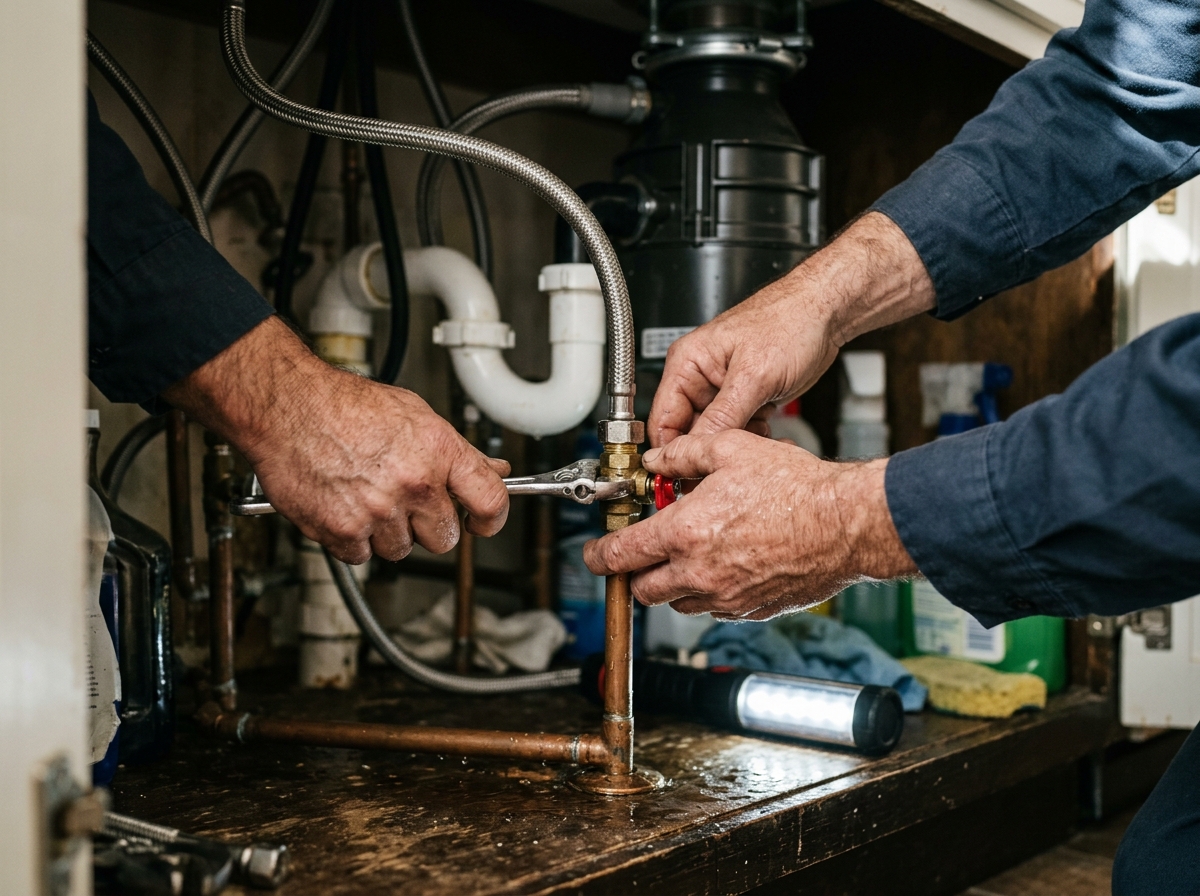
Act fast once you spot water. Shut off the main valve if a pipe burst, or turn off the water heater if it’s leaking. Quick mitigation protects your home and your claim. Insurers expect reasonable steps to prevent further loss, so use towels, buckets, or a wet vac if needed.
Document everything before repairs begin
Don’t start major repairs until you have solid proof. Good documentation is often the difference between a fair payout and a denial. For more detail, this advice on water damage claims in florida covers this step closely.
- Take clear photos and videos of every affected room, including ceilings, floors, and baseboards.
- Keep damaged items such as rugs, furniture, and electronics until an adjuster reviews them.
- Write down the date, time, and suspected cause of the water intrusion while details are fresh.
- Save receipts for emergency repairs, fans, dehumidifiers, or a plumber’s visit.
- List damaged personal property with approximate value and purchase date for your claim file.
Notify your insurer and track deadlines
Florida law requires most property claims to be reported within one year of the date of loss. Waiting too long is a common mistake that weakens a claim. Report the damage promptly, request a written confirmation, and keep every email and call log. This resource on Does Home Insurance Cover Water Damage? explains typical policy timelines too.
Why water damage claims get delayed, underpaid, or denied
Disputes over the cause of damage
Insurers often argue the water loss stems from an excluded cause, not a covered one. A burst pipe might get labeled “long-term seepage” to avoid payment. This is a common tactic in causation disputes, where the adjuster’s opinion conflicts with what actually happened.
These disagreements grow more complex after storms, when wind, rain, and flooding combine. As explained in when disasters collide hurricane and water damage insuran…, insurers may try to split damage between covered and uncovered perils to reduce their payout. Homeowners rarely have the tools to challenge that split alone.
Lowball repair estimates
Even when a claim is accepted, the payout may fall short. Adjusters sometimes use software that underestimates local labor and material costs. A $20,000 drywall and flooring repair might get valued at $9,000, leaving homeowners to cover the gap.
These lowball estimates often ignore hidden damage behind walls or under subfloors. Without an independent contractor estimate, it’s easy to accept a number that doesn’t reflect true repair costs.
Exclusion language used against homeowners
Policy exclusions are frequently stretched beyond their intended meaning. Insurers may cite maintenance clauses or “wear and tear” language even when damage was sudden.
This kind of exclusion misuse creates policy interpretation disputes that are hard to resolve without legal knowledge. When wording is ambiguous, courts often side with homeowners, but proving that requires experience challenging denials professionally.
What to do if your water damage claim is denied
Requesting reinspection or appraisal
A denial letter isn’t always the final word. Start by requesting a reinspection. Ask the insurer to send someone back out, especially if new damage appeared or the first adjuster missed something. Bring photos, contractor notes, and moisture readings to support your case.
Many Florida policies also include an appraisal clause. This lets each side hire an independent appraiser to value the loss. If they disagree, a neutral umpire settles the difference. Appraisal works best when the argument is over cost, not whether the loss is covered at all. It skips the courtroom and often moves faster than a lawsuit. Understanding how the property damage insurance claim process works helps homeowners decide whether appraisal or a formal appeal fits their situation.
When a public adjuster can help
A public adjuster works for you, not the insurance company. They can re-measure damage, rewrite estimates, and push back on lowball numbers. This helps when the dispute centers on scope or pricing, like undercounted drywall or flooring square footage.
Public adjusters typically charge a percentage of the payout, often 10% to 20%. They’re less useful when the insurer denies coverage entirely, citing an exclusion or late reporting. Those disputes usually need a legal review instead.
When to involve a property insurance attorney
Bring in a property insurance attorney when the denial cites policy language you don’t understand, when the insurer stops responding, or when the payout won’t cover repairs. Attorneys can also spot signs of bad faith, like unreasonable delays or ignored evidence, and pursue additional damages beyond the claim itself.
Frequently asked questions about water damage coverage
Do I need separate flood insurance
Yes. A standard homeowners policy never covers flood damage from rising water, storm surge, or overflowing canals. That protection only comes from a separate flood policy, often through the National Flood Insurance Program. Florida’s flood risk makes this coverage worth serious consideration, even outside mapped flood zones.
How long do I have to file a claim
Florida law gives homeowners two years from the date of loss to file an initial water damage claim, and three years to file a supplemental claim on an already-reported loss. Waiting too long can weaken your case and give insurers grounds to question the damage’s cause. Reviewing 5 tips for filing a successful water damage insurance claim can help you avoid common timing mistakes.
Will my rates increase after a water damage claim
Possibly, but the outcome depends on several factors insurers weigh together. Before assuming a rate hike is inevitable, consider these points:
- Insurers often review claim frequency across the neighborhood, not just your individual policy history.
- A single, well-documented water damage claim rarely causes the same increase as repeated claims.
- Repair cost disputes can drag on and indirectly affect renewal terms if unresolved for months.
- Some carriers weigh the cause of loss, treating plumbing failures differently than storm-related events.
- Bundling policies or maintaining a claims-free history elsewhere may offset a modest premium bump.
If your insurer has denied or lowballed your water damage claim, you don’t have to accept it as the final word. Krapf Legal specializes in helping home and business owners who’ve been wrongfully denied or underpaid on their property insurance claims, advancing the time and money needed to prove you’re owed more, with no fees unless they win. Reach out to Krapf Legal today to have your claim reviewed and find out where you truly stand.