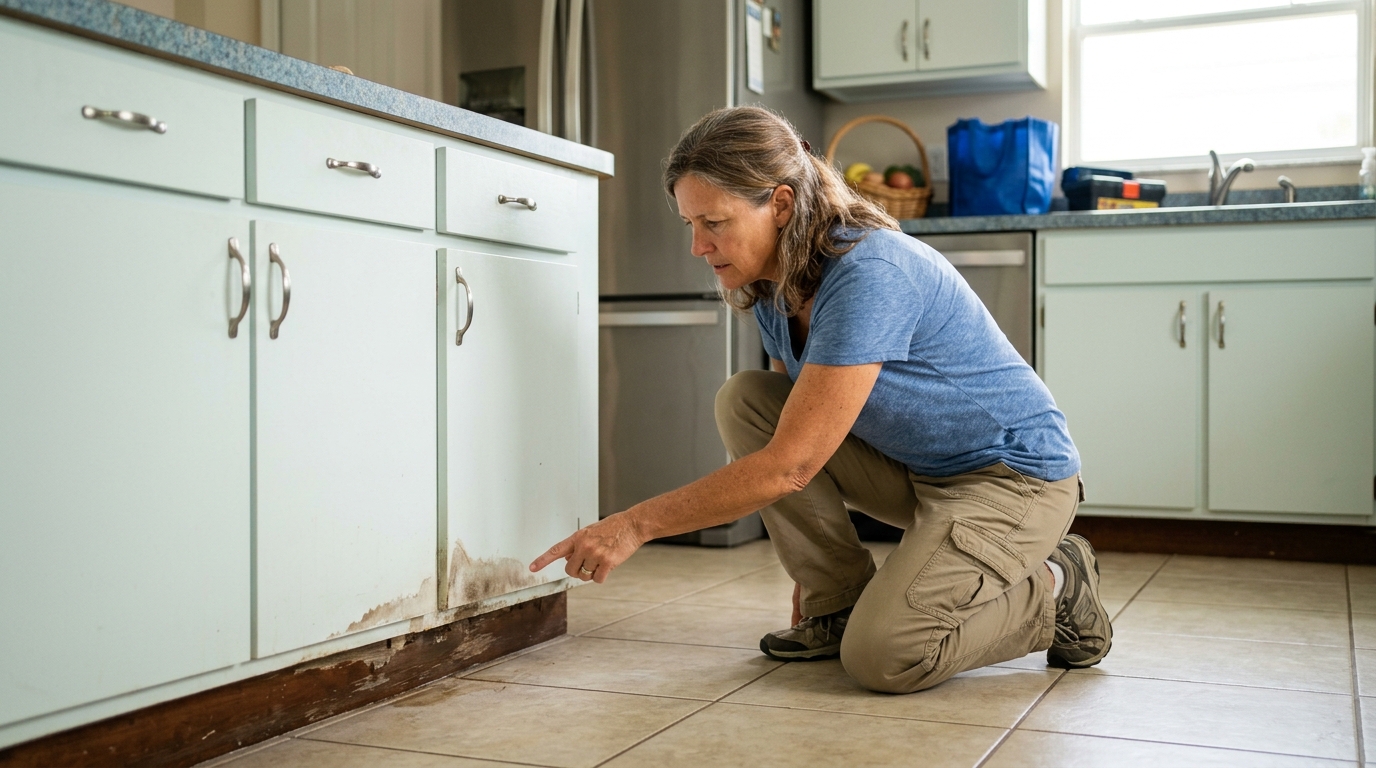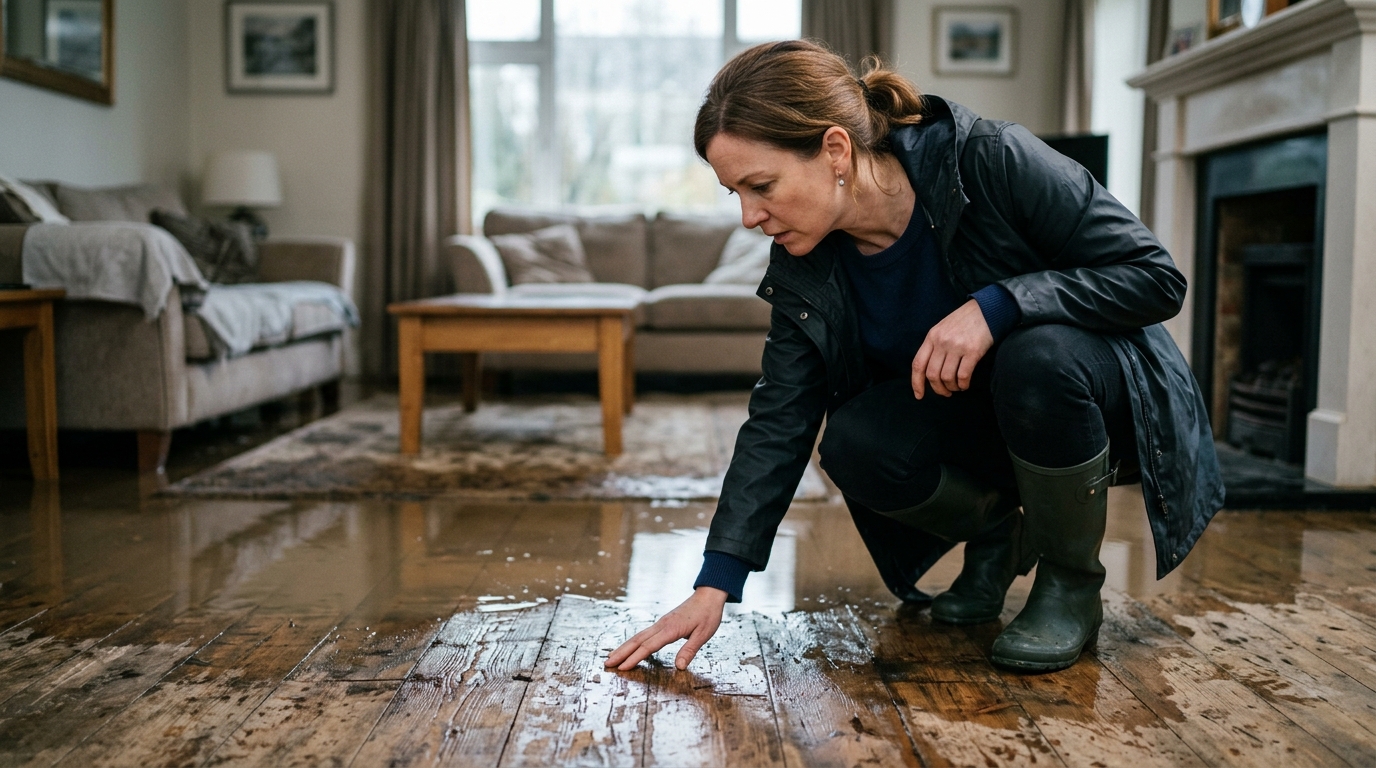
Water pooling under your floors or dripping through your ceiling is stressful enough. Then comes the insurance company’s lowball offer, endless delays, or outright denial, and you’re left wondering if you’ll ever get made whole. Florida homeowners lose thousands of dollars every year simply because they don’t know the water damage insurance claim tips that separate a fair settlement from a fight. This guide breaks down what insurers look for, where claims go wrong, and how to build a claim that holds up under scrutiny in 2026. Whether you’re just starting the process or already facing pushback, you’ll find practical, attorney-backed strategies to get paid what you’re truly owed.
Water Damage Insurance Claim Tips Every Florida Homeowner Should Know
Why Water Damage Claims Are Denied More Than Other Claims
Water damage claims face more scrutiny than almost any other property loss. Insurers often argue the damage came from long-term neglect, not a sudden event. That distinction decides whether a claim gets paid or rejected outright. Understanding the common reasons water damage insurance claims get denied in florida can help homeowners avoid costly missteps early on.
Many policies exclude damage from “wear and tear” or lack of maintenance. Adjusters look for any evidence supporting these exclusions, even when the real cause was a burst pipe or storm intrusion. A slow leak behind a wall, for example, might get labeled as neglect rather than covered accidental discharge.
Policyholders who file quickly, document thoroughly, and understand their coverage terms stand a far better chance of avoiding denial. Those who wait, guess at coverage, or accept an adjuster’s first explanation often lose money they were rightfully owed.
What Makes Florida Properties Especially Vulnerable
Florida’s climate creates constant risk. Heavy rain, hurricanes, and high humidity mean water intrusion happens more often here than in most states. Older plumbing, aging roofs, and homes near flood zones add extra layers of vulnerability that insurers watch closely.
Humidity also speeds up secondary damage. Within 24 to 48 hours, standing water can trigger mold growth, turning a simple leak into a bigger problem. Learning about mold insurance claims what you need to know matters, since many policies limit or exclude mold coverage entirely.
Storm season compounds these risks further. Wind-driven rain, roof damage, and flooding frequently overlap, making it harder to separate covered perils from excluded ones. This complexity is exactly why so many Florida claims face delays, disputes, or underpayment.
Understanding What Your Policy Actually Covers
Sudden Water Events vs. Long-Term Leaks
Most homeowners policies draw a hard line between sudden and accidental discharge and slow, ongoing leaks. A burst pipe that floods your kitchen overnight is usually covered. A slow drip under a sink that rots the cabinet over eight months often isn’t.
Insurers call the second category “gradual damage,” and it’s one of the most common reasons claims get denied. Adjusters look for rust stains, warped wood, and mold growth as proof the leak existed long before you reported it.
This matters because homeowners rarely notice a leak the day it starts. If you find damage behind a wall, write down when you first noticed it and get a plumber’s opinion on timing. That record can be the difference between a paid claim and a denial.
Flood Insurance vs. Homeowners Policy Gaps
Standard homeowners policies exclude flood damage almost entirely. Rising water from storms, overflowing rivers, or storm surge falls under separate flood insurance, typically through the National Flood Insurance Program. Water damage from a broken appliance or pipe is different and usually falls under your regular policy.
After major storms, this gap causes real confusion. Coverage disputes spiked following events detailed in floridas hurricane ian recovery six months later, where many homeowners assumed their homeowners policy covered flooding. It didn’t, and that left costly repairs unpaid.
Know which policy applies before disaster strikes. Flood policies and homeowners policies have different deductibles, waiting periods, and claim procedures.
Mold, Rot, and Hidden Damage Exclusions
Even covered water damage often triggers a separate, smaller payout for resulting mold. Many policies cap mold remediation at $10,000 or less, no matter the total loss. Learn more about does my insurance policy cover mold damage understanding… your specific limits.
Hidden rot behind walls or under flooring can also fall outside coverage if insurers argue it developed slowly. Always ask for a full policy breakdown, not just a summary, before assuming mold is covered.
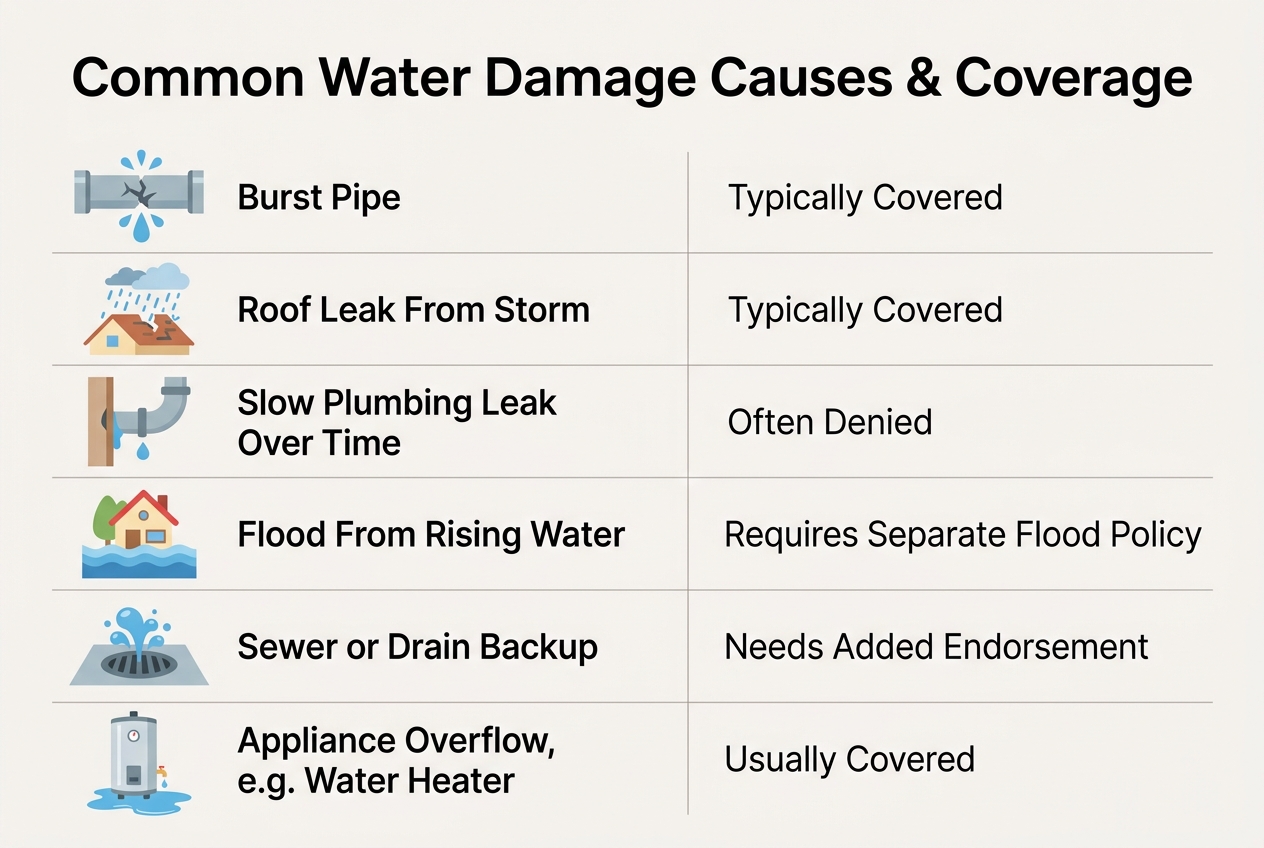
Common Causes of Water Damage and How Coverage Differs
Not all water damage gets treated the same way by insurers. The cause of the loss often determines whether a claim gets paid, delayed, or denied. Knowing which category your damage falls into helps you know what to expect next.
Plumbing and Appliance Failures
A burst pipe or a failed washing machine hose is usually considered sudden and accidental. Most standard policies cover this, including drywall, flooring, and cabinetry losses.
Roof Leaks and Storm-Related Intrusion
Storm damage brings more scrutiny. Insurers often argue that wind, not flood, caused the leak, or the reverse. Aging shingles are actually the most common cause of roof leaks in Florida, which insurers may use to claim wear and tear rather than storm impact.
Slow Leaks and Maintenance-Related Damage
Gradual leaks behind walls or under sinks raise red flags for adjusters. These get labeled as maintenance issues more often than not, which most policies exclude entirely.
| Cause | Typical Coverage | Common Dispute |
|---|---|---|
| Burst pipe | Usually covered | Pre-existing pipe condition |
| Roof leak (storm) | Often covered | Wind vs. flood cause |
| Appliance failure | Usually covered | Age of appliance |
| Storm surge | Requires flood policy | Policy exclusions |
| Slow leak | Often denied | Maintenance vs. sudden event |
Reviewing resources like Water Damage Insurance Claim Tips can help you match your situation to the right coverage category before filing.
Immediate Steps to Take the Moment You Discover Damage
Stopping the Water Source Safely
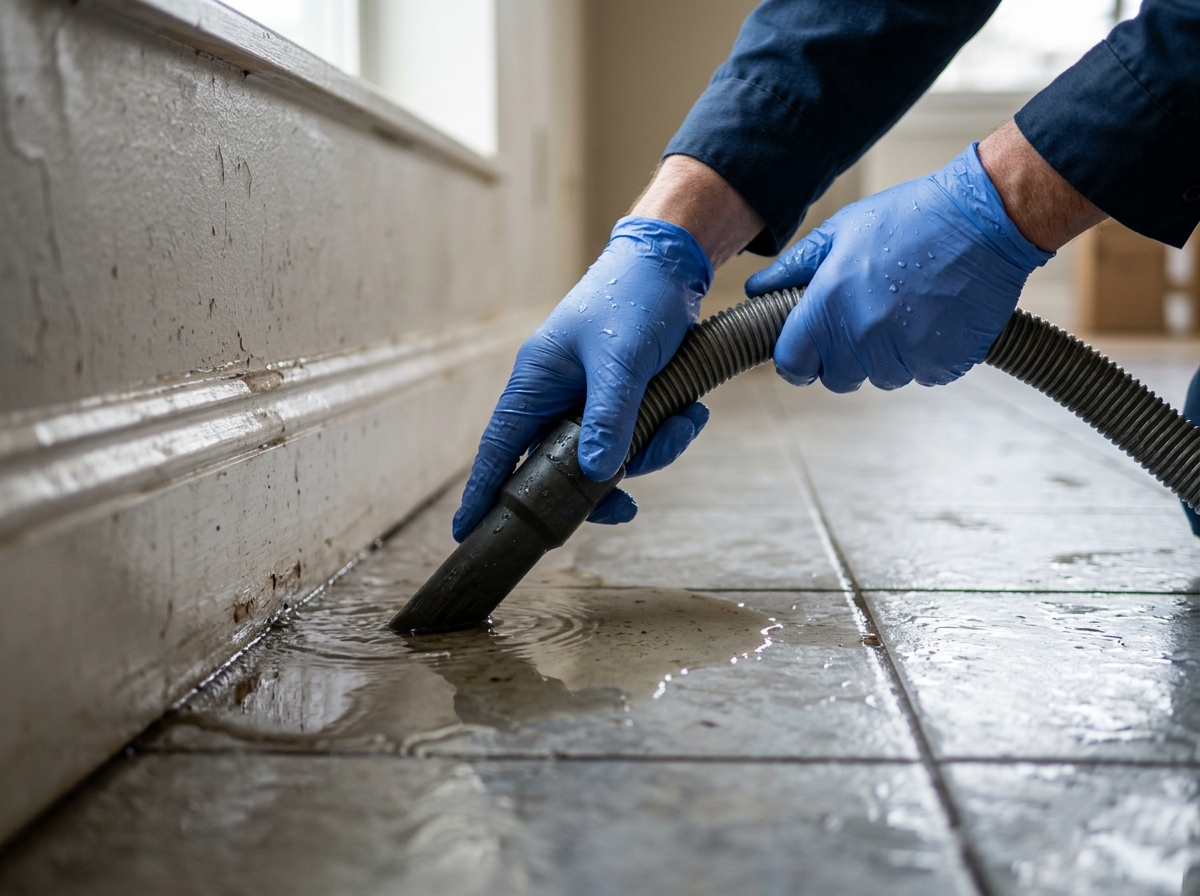
The first move is always the same: stop the water. Shut off the main valve if a pipe burst, or turn off the water heater if it’s leaking. If flooding involves electrical outlets or panels, cut power at the breaker before entering the area. Never wade into standing water near outlets or appliances. This is a safety priority, not just a property one.
Preventing Further Damage Without Waiting on the Insurer
You don’t need permission to protect your property. Insurers expect reasonable action right away, and delay can hurt your claim later. Consider these steps before cleanup begins in earnest:
- Move furniture, electronics, and valuables away from wet areas to limit additional loss.
- Place towels, buckets, or tarps to control spreading water while repairs are arranged.
- Take photos and video of standing water, damaged materials, and the source itself.
- Keep damaged items instead of discarding them, since adjusters may need to inspect them.
- Save receipts for any emergency supplies, fans, or temporary repairs you purchase.
These practical steps to safeguard your home and insurance claims in florida help preserve both your property and your evidence.
Notifying Your Insurance Company Promptly
Report the loss quickly. Many policies set strict deadlines, and late notice can be used to deny coverage. When you call, describe what happened, when you noticed it, and what you’ve already done to stop it. For further guidance, this resource on Top 10 Water Damage Insurance Claim Tips That Work reinforces why prompt notice matters. This step also opens the door to your mitigation duty, discussed next.
How to Document Damage Like a Professional
Strong documentation is the backbone of every water damage claim. Adjusters and insurers rely on evidence, not memory. Undocumented damage often gets denied outright, even when the loss is real. Learning how the property damage insurance claim process works helps you see why paperwork matters just as much as the repair itself.
Photographing and Video-Recording Every Room
Walk through every room before cleanup begins. Take wide shots and close-ups of walls, floors, ceilings, and furniture. Record a slow video narrating what you see, including dates and rooms out loud.
Keeping Receipts, Estimates, and Correspondence
Save every piece of paper tied to the loss. This record supports your claim and protects against underpayment or bad faith claims later.
- Keep original receipts for emergency repairs, water extraction, and temporary lodging costs.
- Save written repair estimates from at least two licensed contractors for comparison.
- File every email, letter, and text exchanged with the insurance company by date.
- Log phone calls with the adjuster’s name, time, and summary of what was said.
- Store mold testing reports if moisture sat unresolved for more than 24 hours.
Creating a Detailed Personal Property Inventory
List damaged items room by room, noting age, brand, and estimated value. One homeowner’s post, First time homeowner water damage claim. Send me your …, shows how missing inventory details slowed a real payout.
Navigating the Insurance Adjuster Meeting
What Adjusters Look For — and What They Overlook
The insurance adjuster’s job is to assess damage quickly and keep costs down for the company that pays them. That’s worth remembering: the adjuster works for the insurer, not for you. They’re trained to spot obvious damage but often miss hidden problems, like moisture trapped inside walls or under flooring.
Adjusters may overlook secondary issues such as early mold growth, weakened subflooring, or electrical damage behind outlets. They typically spend less than an hour on-site, which isn’t enough time to catch everything. This guide on Water Damage Insurance Claim Tips: Protect Your Home … explains why thorough documentation matters before that visit even happens.
Questions to Ask Before Signing Anything
Before agreeing to any settlement figure, ask the adjuster how they calculated the estimate. Request a copy of their written report and itemized breakdown. Ask whether hidden damage, like mold or structural issues, was factored in at all.
Preparation prevents lowball assessments. Ask if the estimate uses current local repair costs, not outdated pricing. If the damage followed a major storm, review resources like navigating insurance claims after hurricane idalia what y… to understand how storm-related claims are often underestimated.
Why a Second Opinion Matters
Homeowners rarely have training in construction costs or policy language. Getting an independent contractor estimate, or a second inspection, often reveals gaps the adjuster missed.
Consider having representation present during the meeting, especially for large or disputed claims. A knowledgeable advocate can ask pointed questions and prevent premature agreements that limit your payout later.
Working With Restoration and Repair Professionals
Choosing a Reputable Water Damage Restoration Company
Water damage spreads fast. Within 24 to 48 hours, moisture can cause mold growth and structural rot. A qualified restoration company should respond quickly, use moisture meters and industrial dehumidifiers, and provide written scopes of work. Ask for licensing, insurance, and references before signing anything.
Remember that restoration companies mitigate damage, but they don’t decide claim value. Their job is drying out your property and stopping further loss, not negotiating with the insurer. Some homeowners assume a restoration invoice guarantees payment. It doesn’t. The insurer still reviews the scope, pricing, and cause of loss before approving costs.
Getting Independent Repair Estimates
Relying on a single estimate, especially one from a company the insurer suggested, can leave money on the table. Get at least two or three independent repair estimates from licensed contractors. Compare line items like drywall replacement, flooring, cabinetry, and labor rates. Discrepancies often reveal underpricing in the insurer’s preferred estimate.
Independent estimates also protect you if the claim escalates into a dispute. Detailed, itemized bids carry more weight than vague lump-sum figures. This guide on Water Damage Prevention & Insurance Claim Tips outlines why thorough documentation strengthens negotiating power.
Avoiding Conflicts of Interest With Insurer-Recommended Vendors
Insurer-recommended vendors sometimes prioritize the carrier’s relationship over your repair needs. That doesn’t mean every vendor is biased, but you should always verify estimates independently. Keep every invoice, photo, and moisture reading for your claim file. Also confirm how long do you have to file a property damage claim in Florida, since delays can weaken your position.
Many local businesses use trusted networks, but you retain the right to choose your own contractor.
Comparing Claim Outcomes: DIY Filing vs. Professional Help
Numbers tell the story better than opinions. The table below compares typical results for homeowners who file alone versus those who bring in legal help. These figures reflect general patterns seen across water damage, hurricane, and roof damage claims, not a guarantee for any single case.
| Factor | Self-Filed Claim | Attorney-Assisted Claim |
|---|---|---|
| Average settlement | Often 30-50% below repair cost | Closer to full documented damage value |
| Timeline to resolution | 2-6 months, frequent delays | 1-4 months once demand is filed |
| Owner’s time investment | 15-25 hours of calls and paperwork | Minimal, mostly reviewing updates |
| Denial or lowball risk | Higher, especially for mold or hidden damage | Lower, backed by independent estimates |
| Stress level | High, unfamiliar process | Reduced, guided steps |
The settlement gap is usually the biggest difference. Insurers know self-filed claims lack pushback. Many local businesses learn this after filing an insurance claim after Hurricane Idalia and receiving offers far below actual loss.
Time matters too. Homeowners juggling repairs, insurers, and daily life often miss deadlines. A structured resource like How to Get Insurance to Pay for Water Damage | 11 Steps helps, but complex claims still benefit from experienced review.
Understanding and Evaluating Your Settlement Offer
How Insurers Calculate Actual Cash Value vs. Replacement Cost
Most policies pay one of two ways. Replacement cost value pays what it costs to repair or rebuild today, with materials at current prices. Actual cash value pays that same amount minus depreciation for age and wear. A five-year-old roof might lose 30% of its value under this method, even if the damage is total.
Insurers use software programs like Xactimate to estimate repair costs. These tools rely on average regional prices, not always what your specific contractor will charge. That gap often explains why a settlement offer feels too small compared to real quotes from local repair crews.
Red Flags in a Lowball Settlement Offer
Watch for vague line items, missing rooms, or damage categories left off the estimate entirely. If water reached your subfloor but the report only lists surface flooring, that’s a warning sign. Offers that ignore hidden moisture or potential mold growth deserve extra scrutiny.
Be wary if the payout barely covers your deductible after depreciation is applied. Also question offers that arrive within days of a brief inspection, especially for large losses. Fast, thin estimates often signal the adjuster missed structural or secondary damage that a second inspection would catch.
Requesting a Detailed Breakdown of the Payout
You have the right to ask for a written, itemized breakdown showing labor, materials, and depreciation for every category. Compare it line by line against your own contractor estimates and photos. Reviewing florida hurricane claims understanding coverage limitatio… can clarify why certain storm-related losses get valued differently.
This Why Your Home Insurance Will Deny Your Water Damage … video breaks down common denial tactics worth recognizing before you sign off on any number.
Mistakes That Can Sink Your Claim
Even strong claims can fail because of small, avoidable errors. Insurers look for reasons to deny or reduce payouts, and certain missteps make their job easier. Knowing these traps ahead of time can protect your settlement.
Waiting Too Long to Report or Repair
Most policies require prompt notice of damage. Waiting weeks to report a leak gives adjusters room to argue the damage worsened due to neglect. Delayed reporting is one of the top reasons claims get denied.
Accepting the First Settlement Offer
The first check rarely reflects the true cost of repairs. Many homeowners accept it just to move forward, not realizing it may fall thousands short. Understanding how a property damage attorney can make a difference often starts here, when a lowball offer needs a second opinion.
Giving Recorded Statements Without Guidance
Adjusters may ask questions designed to limit liability, not confirm coverage. Speaking without preparation can create statements used against you later. Consider these common pitfalls:
- Starting repairs before the adjuster documents the damage, which removes evidence needed to support the claim.
- Throwing away damaged materials before photos are taken, eliminating proof of the loss.
- Guessing at answers during recorded statements instead of sticking to known facts.
- Failing to keep receipts for emergency mitigation work, leaving costs unreimbursed.
- Signing release forms without understanding what future claims they waive.
When to Involve a Property Insurance Attorney
Signs Your Claim Was Wrongfully Denied or Underpaid
Some warning signs are easy to miss. A lowball offer that ignores your contractor’s estimate is one. So is a denial letter citing a vague policy exclusion without explanation. If the insurer blames “pre-existing damage” or “wear and tear” without inspecting thoroughly, that’s a red flag. These patterns often point to bad faith claims handling.
Long delays matter too. Florida law sets deadlines for insurers to acknowledge, investigate, and pay claims. If weeks turn into months with no clear answer, something is wrong. Repeated requests for the same documents, sudden adjuster changes, or unexplained coverage reversals also suggest the insurer is stalling rather than settling fairly.
Learning what to do if your property insurance claim is wrongfully denied or underpaid helps homeowners recognize these signs early, before deadlines pass.
How Contingency-Fee Representation Works
Most property insurance attorneys work on contingency fees. They collect payment only if they recover money for you. There’s no upfront retainer and no hourly billing. This structure lets homeowners pursue large claims without draining savings first.
Attorneys typically advance costs for engineers, appraisers, and expert reports. These experts can cost thousands of dollars, but the firm covers them during the case. If the claim doesn’t succeed, clients usually owe nothing for these advanced expenses either.
Appraisal, Mediation, and Litigation Options
When negotiations stall, appraisal offers a faster path. Each side hires an appraiser, and a neutral umpire resolves disagreements on damage value. Mediation works similarly, using a third party to broker a settlement without a courtroom.
Litigation becomes necessary when insurers refuse fair payment despite clear evidence. This applies to hurricane damage, roof damage, mold claims, and fire damage disputes alike. A lawsuit can force document production, depositions, and ultimately trial if needed.
Frequently Asked Questions About Water Damage Claims
How Long Does a Water Damage Claim Take to Settle?
Florida law gives insurers specific deadlines. Companies must acknowledge a claim within 14 days and complete an investigation within 90 days in most cases. Straightforward claims with clear documentation often settle in 30 to 60 days. Complex claims involving mold, structural damage, or disputed causation can stretch past six months.
Delays usually happen when paperwork is incomplete or the adjuster requests additional inspections. Slow communication from either side adds weeks. Keeping detailed records and responding quickly to information requests helps prevent unnecessary stalling. For a deeper breakdown of typical timelines, this advice on water damage claims in florida covers what to expect at each stage.
Can I Reopen a Denied or Underpaid Claim?
Yes. Florida homeowners generally have two years from the date of loss to file a new claim, and additional time to pursue a lawsuit on an existing one. A denial or lowball payout isn’t always final. New evidence, a second inspection, or an independent damage estimate can change the outcome.
Many underpaid claims get reopened after policyholders submit missing documentation the insurer claimed was never provided. Others succeed when contractor estimates show the original scope of repairs was too narrow.
Do I Need a Lawyer for a Water Damage Claim?
Not every claim requires legal help. Small, clearly covered losses with cooperative insurers often resolve fine without one. But claims involving denials, disputed causation, or payouts far below repair costs benefit from legal review.
Bad faith practices, delayed responses, and lowball offers are common reasons homeowners seek outside guidance. A professional review can identify whether the insurer followed Florida’s claims-handling laws correctly.
If your insurer has denied or underpaid your water damage claim, you don’t have to accept it. Krapf Legal specializes in helping home and business owners fight back against wrongful denials and lowball settlements, advancing the time and money needed to prove what you’re truly owed—with no fees unless they win. Reach out today to schedule a consultation and find out what your claim is really worth.