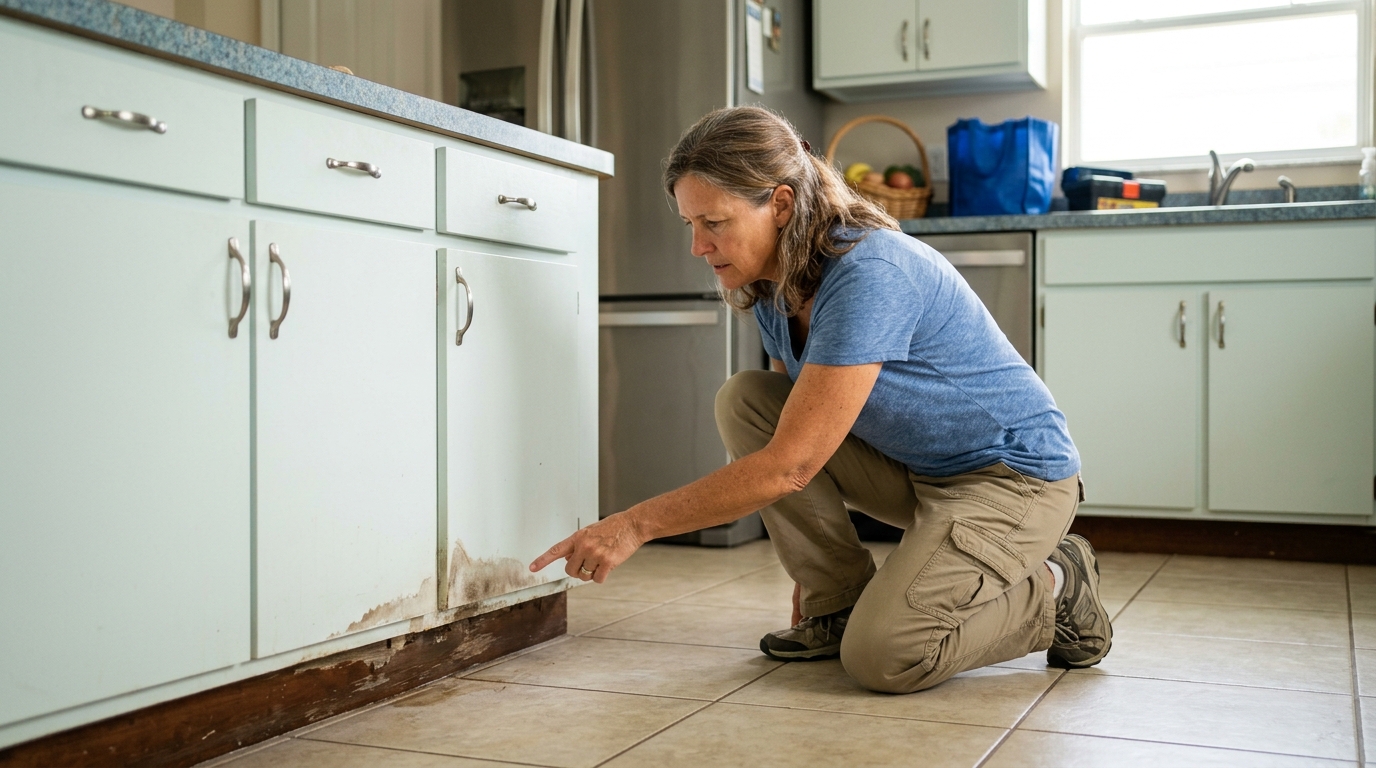
You’ve spotted the telltale dark patches spreading across your bathroom ceiling, or maybe you smelled that musty odor lingering after last season’s storms. Now you’re bracing for a repair bill while wondering whether your insurer will actually help pay for it. The question of will home insurance cover mold isn’t as straightforward as most Florida homeowners expect. The answer often hinges on what caused the moisture in the first place and how quickly you responded once you noticed it. This article breaks down when mold damage is covered under a typical Florida homeowners policy, when insurers are likely to deny your claim, and what steps you can take in 2026 to protect your rights if a dispute arises.
Will Home Insurance Cover Mold: The Short Answer
How Standard Homeowners Policies Treat Mold
Most Florida homeowners policies treat mold as a limited coverage item, not a fully protected peril. Insurers typically cap mold remediation costs at a set dollar amount, often $10,000 or less, no matter how large the total damage turns out to be. This surprises many homeowners who assume mold gets automatically bundled in with water damage claims.
The key factor is always the cause. Coverage depends on whether the mold came from a covered peril, like a burst pipe or a storm-related roof leak, rather than from long-term neglect. A pipe that suddenly bursts and soaks a wall may trigger coverage. Mold that grows slowly behind a shower over months usually will not.
Why Florida Homes Face Higher Mold Risk
Florida’s climate creates near-perfect conditions for mold growth. Humidity levels often top 80 percent for much of the year, and homes without proper ventilation trap moisture inside walls, attics, and flooring. Add frequent tropical storms and hurricanes, and the risk multiplies fast after any roof breach.
This environment makes mold disputes especially common in claims tied to hurricane and hail damage. A roof damaged during a storm can let water in for days before anyone notices, giving mold plenty of time to spread before repairs even begin.
What Insurers Mean by ‘Sudden and Accidental’
Insurers use the phrase sudden and accidental to separate covered water events from gradual, preventable damage. A pipe that fails without warning fits this definition. A slow leak ignored for months does not, and insurers often deny those claims outright.
Understanding this distinction matters when you’re filling out paperwork or talking to an adjuster. Reviewing guidance on what not to say when filing a home insurance claim in flo… can help homeowners avoid statements that jeopardize coverage. Lessons from floridas hurricane ian recovery six months later also show how delayed repairs after major storms often lead to mold-related coverage disputes.
When Mold Damage Is Typically Covered
Coverage usually applies when mold grows from a sudden, covered water event. Florida policies are built around this idea. If water enters your home unexpectedly and mold follows quickly, the insurer generally can’t deny the claim just because mold showed up. The key is proving the water source was sudden and accidental, not a slow leak ignored for months.
Burst Pipes and Plumbing Failures
A pipe bursting behind a wall or under a sink is a classic covered event. Mold that develops within days of this kind of failure is usually included in the claim.
Storm and Roof-Related Leaks
Hurricanes and severe storms often crack roofs or tear off shingles, letting water pour in fast. Reviewing when disasters collide hurricane and water damage insurance claims explained helps homeowners understand how these overlapping damages are typically handled. Storm-driven leaks often trigger fast mold growth in humid Florida air.
Appliance and HVAC Malfunctions
A broken washing machine hose or a failed AC condensate line can flood a room in minutes. These sudden malfunctions often qualify for coverage.
Common covered scenarios include:
- A washing machine hose that bursts overnight and soaks the laundry room floor and walls.
- A hurricane that rips off roof shingles, allowing rain to pour into the attic during the storm.
- A water heater that ruptures suddenly and floods a nearby closet or hallway.
- An HVAC drain line that clogs and overflows, saturating ceiling tiles within hours.
- A dishwasher supply line that detaches and leaks steadily under the kitchen cabinets.
Timely reporting strengthens every one of these claims. Homeowners who acted quickly after filing an insurance claim after hurricane idalia often had stronger documentation supporting mold coverage.
When Mold Damage Is Usually Excluded
Pre-Existing or Long-Term Moisture Problems
Insurers deny most mold claims tied to old, slow-building damage. If a leak ran behind a wall for months before anyone noticed, the insurer will likely call it gradual damage rather than a sudden loss. Policies are written to cover accidents, not years of unnoticed moisture.
Adjusters often point to staining, warped flooring, or rotted wood as proof the problem existed long before the claim was filed. This guide on mold damage claims signs risks and insurance coverage explains how these visual clues shape a company’s decision.
Flood-Caused Mold and Why It’s Different
Standard home policies exclude flood damage entirely, including any mold that grows after floodwater soaks a home. Rising water from storm surge, overflowing canals, or heavy rain intrusion falls under a separate flood insurance policy, usually through the National Flood Insurance Program.
Homeowners without flood coverage often discover this gap only after filing a claim. A busy discussion thread titled Mold Does insurance cover it? shows how often this surprise catches Florida homeowners off guard.
Lack of Maintenance Arguments Insurers Use
Florida’s humidity makes mold grow fast, and insurers know it. If a bathroom fan never worked, or a roof went years without inspection, adjusters may argue the homeowner skipped basic upkeep. This maintenance argument is a common reason for denial.
Poor ventilation, clogged gutters, or ignored condensation issues often get labeled preventable. Insurers use these details to shift responsibility away from the policy and onto the homeowner.
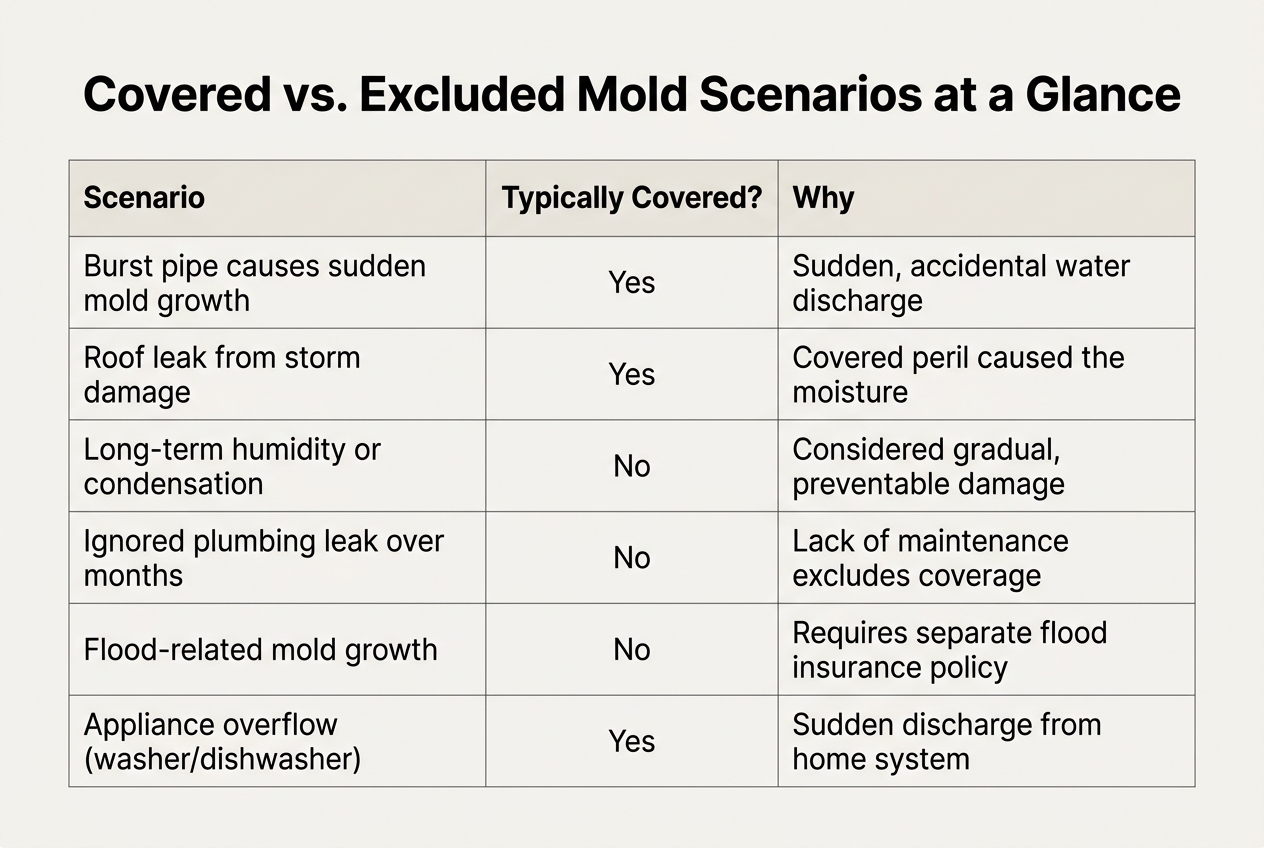
Covered vs. Excluded Mold Scenarios at a Glance
Florida homeowners often struggle to tell covered mold from excluded mold. The table below offers a quick reference before you call an adjuster or file a claim. It highlights gray areas that spark the most disputes, based on common patterns in mold insurance claims what you need to know.
| Scenario | Typically Covered? | Key Detail |
|---|---|---|
| Burst pipe, mold within days | Yes | Sudden, accidental water source |
| Long-term roof leak, mold over months | Often denied | Treated as gradual damage or neglect |
| Hurricane wind drives rain inside | Yes, usually | Falls under storm damage, not flood |
| Rising floodwater causes mold | No, under standard policy | Requires separate flood insurance |
| Ignored humidity or visible leak for months | Denied | Classified as homeowner neglect |
Sudden Events vs. Gradual Damage
Insurers favor claims tied to a sudden event. A burst pipe or appliance failure usually qualifies. Mold that builds slowly, from a hidden leak, often gets excluded as gradual damage.
Storm Damage vs. Flood Damage
Wind-driven rain during a hurricane differs from floodwater legally. Storm damage claims may include mold cleanup, while flood-related mold usually falls outside a standard policy. See Does Homeowners Insurance Cover Mold? for more context.
Maintained Homes vs. Neglect Claims
Documented maintenance strengthens your position. Ignored leaks or skipped repairs signal neglect, which insurers use to deny payment.
Mold Remediation and Removal Coverage Explained
Typical Coverage Limits and Sublimits
Most Florida homeowners policies treat mold as a limited add-on, not full protection. A common sublimit is $10,000, though some policies cap coverage as low as $1,000 or $5,000. That number often applies no matter how large the actual damage becomes.
These caps can shock homeowners once the real bills arrive. Testing alone may cost $500 or more, and remediation crews often charge by the square foot. A single bathroom job can pass $3,000 fast, eating most of a small sublimit before repairs even start.
Knowing your exact number matters before disaster strikes. Reading the declarations page, not just the summary, reveals the true cap. This article on does my insurance policy cover mold damage understanding… your coverage limits breaks down where these figures usually hide.
What Remediation Actually Includes
Remediation means containment, air scrubbing, and safe removal of contaminated materials. It differs sharply from cosmetic repair, which only covers repainting or patching drywall. Insurers often draw a hard line between the two, paying for one and denying the other.
A typical remediation scope includes sealing off the affected room, removing wet insulation, and treating framing with antimicrobial solutions. Cosmetic work, by contrast, addresses only visible staining. Homeowners sometimes discover their policy pays for a fresh coat of paint but nothing underneath it.
This gap causes confusion during claims. Resources like When are water damage and mold covered by insurance? help explain why the source of moisture, not just visible mold, drives what gets paid.
Repair vs. Full Removal Costs
Small mold patches may cost a few hundred dollars to clean. Full removal, involving drywall demolition and structural drying, can reach $10,000 to $30,000 for widespread contamination behind walls or under flooring.
Endorsements can raise these limits significantly, sometimes to $50,000 or more. Some insurers even offer optional riders that remove sublimits entirely. Adding this coverage before storm season starts is far cheaper than facing a denied or underpaid claim later.
Adding or Upgrading Mold Coverage
Mold Endorsements and Riders
Most standard policies cap mold coverage at $1,000 to $10,000. That limit often falls short after a burst pipe or hidden roof leak. An endorsement, sometimes called a rider, raises that cap and can extend protection to testing, remediation, and even temporary housing costs.
Homeowners can typically choose coverage levels between $10,000 and $50,000, depending on the insurer. This guide on When Does Home Insurance Cover Mold? breaks down how these add-ons interact with base policy language, worth reading before renewal season.
Cost Factors for Added Coverage
Premium increases for mold riders usually run $50 to $300 a year. Older homes, especially those built before 2000, often cost more to insure because of aging plumbing and roofing materials.
Location matters too. Coastal and inland flood-prone areas see higher rates due to humidity and storm exposure. A prior water damage or mold claim can raise costs further, sometimes by 20% or more, since insurers view repeat claims as higher risk.
Is Extra Coverage Worth It in Florida?
Florida’s humidity makes mold growth a near-constant risk. Reviewing coverage annually, ideally before hurricane season, helps homeowners catch gaps before disaster strikes. This resource on mold insurance claims protecting your home and health in… outlines what to check during that review.
For many homeowners, the added premium is small compared to potential remediation bills, which can exceed $10,000 for extensive contamination.
Steps to Take After Discovering Water Damage
Stopping the Water Source Immediately
Mold can start growing within 24 to 48 hours of standing water. The first move is shutting off the water source, whether that means turning off a supply valve or capping a burst pipe. Fast action limits mold growth and keeps the claim stronger. Waiting even a day or two can turn a simple leak into a mold dispute.
Documenting Damage With Photos and Video
Documentation matters from the very first sign of damage. Homeowners should photograph wet flooring, stained ceilings, and warped baseboards before any cleanup begins. This record protects against disputes later, including some of the reasons water damage insurance claims get denied in florida.
| Step | Action | Timing |
|---|---|---|
| 1 | Shut off water source | Immediately |
| 2 | Photograph and video all areas | Before cleanup starts |
| 3 | Remove standing water | Within hours |
| 4 | Contact insurer | Within 24-48 hours |
| 5 | Save receipts for repairs | Ongoing |
Contacting Your Insurer Promptly
Most policies require prompt notice and reasonable mitigation efforts. This duty is often spelled out in the fine print, similar to details found in Home insurance and mold – FAQs. Reporting quickly, and keeping records of every call, protects the claim and shows good-faith cooperation with the insurer.
Filing a Mold Claim the Right Way
Filing your claim correctly matters as much as having coverage in the first place. Insurers look closely at mold claims, and small mistakes can lead to a lowball offer or a flat denial. Learning how to file a mold insurance claim the right way helps protect your payout from the start.
Gathering Evidence and Repair Estimates
Insurers require proof of what caused the mold and when it started. Documentation is your strongest tool here.
- Take dated photos and videos of visible mold, water stains, and affected materials before any cleanup begins.
- Keep receipts for emergency repairs, dehumidifiers, or plumbing fixes tied to the original water event.
- Request written repair estimates from at least two licensed contractors to support your damage figures.
- Save copies of any prior maintenance records showing you addressed leaks promptly.
Working With Adjusters and Inspectors
A professional inspection report often strengthens a claim significantly. Independent mold testing and moisture readings can confirm the cause and scope, giving the adjuster clear data instead of guesswork. As explained in this overview of Does Home Insurance Cover Mold?, timelines matter greatly in these evaluations.
Common Reasons Mold Claims Get Denied
- Missing documentation linking the mold to a specific, covered water event.
- Delayed reporting, which insurers argue allowed damage to worsen.
- Evidence of long-term neglect, such as an ignored roof leak.
Recognizing Mold Before It Becomes a Bigger Problem
Visible Signs Like Discoloration and Spores
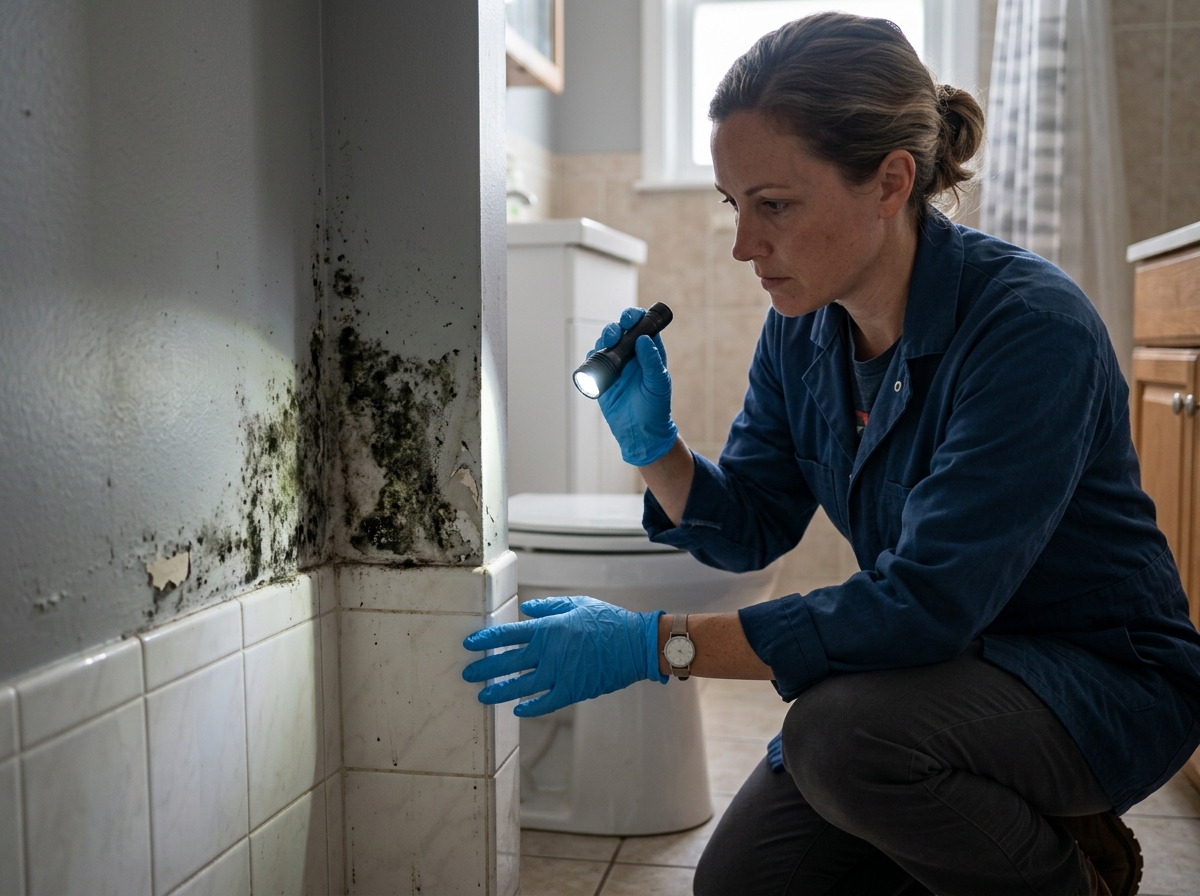
Mold often starts small. A homeowner might notice a faint green or black patch near a window frame, or dark speckles creeping across bathroom grout. These spots can look harmless at first, but they multiply fast in Florida’s humidity. Left unchecked, a coin-sized spot can spread across an entire ceiling within weeks.
Discoloration on drywall, baseboards, or air vents is a clear warning sign. So is a fuzzy texture on wood or fabric. Catching these details early can mean the difference between a simple cleaning and a full remediation project. As the unseen impact how mold damage affects your property value explains, ignoring visible mold can quietly lower a home’s resale value over time.
Hidden Signs Behind Walls and Flooring
Not all mold announces itself. Some grows behind walls, under carpet padding, or beneath tile after a slow, unnoticed leak. Warped baseboards, bubbling paint, or a soft spot in flooring can signal moisture trapped underneath. These hidden signs often go unnoticed until repairs become extensive.
A musty odor is usually the first clue something is wrong out of sight. If a room smells stale even after cleaning, hidden mold may already be spreading. Professional moisture meters or infrared cameras can confirm what the nose suspects, catching problems before they reach the studs.
Health Symptoms Linked to Mold Exposure
Mold exposure can trigger coughing, headaches, or irritated eyes. Some people develop skin rashes or worsened asthma symptoms after prolonged exposure. Children and older adults are often more sensitive to airborne spores.
If symptoms improve after leaving the house, mold could be the cause. Tracking these patterns helps homeowners act quickly. For a deeper look at coverage questions tied to these risks, Does Homeowners Insurance Cover Mold? offers useful context worth reviewing.
Preventing Mold Growth in Florida Homes
Controlling Indoor Humidity Levels
Humidity control is the single biggest prevention factor in Florida’s hot, wet climate. Mold thrives when indoor humidity stays above 60 percent for extended periods. Running air conditioning consistently, using a dehumidifier in damp rooms, and checking humidity with an inexpensive gauge can keep levels closer to the recommended 30 to 50 percent range.
Routine Roof and Plumbing Inspections
Regular maintenance reduces long-term claim disputes by catching problems before they become disasters. Insurers often deny claims tied to slow leaks they consider preventable neglect. Taking proactive measures to minimize water damage in florida homes protects both property and future coverage.
- Schedule a professional roof inspection at least once a year, especially before hurricane season begins in June.
- Check attic spaces for water stains, dark spots, or a musty smell after any heavy storm.
- Inspect under sinks, around toilets, and near water heaters for slow drips at least quarterly.
- Test washing machine hoses and refrigerator water lines every six months for cracks or bulging.
- Clean gutters and downspouts regularly to prevent water from pooling near the foundation.
Improving Ventilation in Bathrooms and Attics
Simple habits can prevent costly remediation later. Running bathroom exhaust fans during and after showers clears moisture before it settles into walls. Attics need proper airflow too, since trapped heat and humidity under the roofline create ideal mold conditions year-round.
What to Do If Your Mold Claim Is Denied or Underpaid
Understanding Your Denial Letter
Every denial letter must cite a reason. Insurers often point to a mold exclusion or a “long-term neglect” clause. But these exclusions don’t always apply cleanly. A pipe that burst two weeks ago is not the same as years of ignored leaks, even if the letter treats them alike.
Read the cited policy language carefully. Compare it to your actual timeline of events. Many homeowners find the insurer’s explanation is vague, generic, or based on assumptions rather than evidence gathered at the property.
Getting a Second Opinion on Damage Causation
Insurance company inspectors work for the insurer, not the homeowner. Their findings are not the final word. An independent inspector, engineer, or remediation specialist can offer a competing assessment of what caused the mold and how fast it developed.
This second opinion often uncovers overlooked evidence, like hidden moisture behind drywall or a roof leak documented in repair records. That evidence can directly challenge an insurer’s “pre-existing damage” theory and strengthen an appeal.
When to Consult a Property Insurance Attorney
Some denials go beyond a simple mistake. Missed deadlines, ignored documentation, or lowball estimates can signal bad-faith claim handling. A legal review can spot these patterns quickly. For a clear breakdown of your options, see what to do if your property insurance claim is wrongfully denied or underpaid.
An attorney can also coordinate with independent adjusters and negotiate directly with the insurer, taking that burden off the homeowner during an already stressful time.
Frequently Asked Questions About Mold and Home Insurance
Does Renters or Condo Insurance Cover Mold Differently?
Renters insurance covers a tenant’s personal belongings, not the building itself. If mold ruins your furniture or clothing after a covered leak, your renters policy may pay for those items. The landlord’s insurance, not yours, handles structural mold repairs.
Condo insurance splits coverage between the master policy and your individual unit policy. The master policy usually covers common areas and building structure. Your HO-6 policy covers interior finishes, personal property, and sometimes mold that starts inside your unit. Always check both policies before assuming a gap is covered.
Confusion often arises when mold follows a slow leak from a shared wall or pipe. Figuring out which policy applies can take real digging, especially when the source crosses unit boundaries. A property damage professional can review both documents and identify which insurer owes the claim.
How Long Do I Have to File a Mold Claim?
Florida law generally gives homeowners one year from the date of loss to file a property insurance claim, though supplemental claims have different deadlines. Waiting too long weakens your case and gives insurers reason to deny it. Mold grows fast, often within 24 to 48 hours of water exposure, so delays also mean more damage.
Confusion between mold, water, and flood coverage causes many homeowners to miss filing windows. A burst pipe is water damage. Rising floodwater is flood damage, covered only by separate flood policies. Understanding the difference matters, and this breakdown of water damage vs flood damage claiming insurance explains it clearly.
Report suspected mold as soon as you notice discoloration, odor, or moisture. Document everything with photos and dated notes.
Can I Negotiate a Mold Settlement Offer?
Yes. Insurers often send an initial offer that undervalues remediation costs, especially for hidden mold behind walls or under flooring. You can request a detailed breakdown of the estimate and challenge specific line items. Independent contractor quotes strengthen your position.
Negotiation works best with documentation: moisture readings, lab testing results, and itemized repair costs. Many homeowners accept the first offer, not realizing remediation for a single bathroom can run $2,000 to $6,000 depending on severity. Underpayment is common enough that it falls under bad faith claims concerns when insurers ignore clear evidence.
If talks stall, a formal appraisal or legal review may recover thousands more than the original offer.
If your mold claim has been denied or lowballed, you don’t have to navigate the appeals process alone. Krapf Legal specializes in helping home and business owners who’ve been wrongfully denied or underpaid on their property insurance claims, and they advance the time and money needed to prove you’re owed more—with no fees unless they win. Visit their site or book a consultation today to see how they can help you get the coverage you deserve.