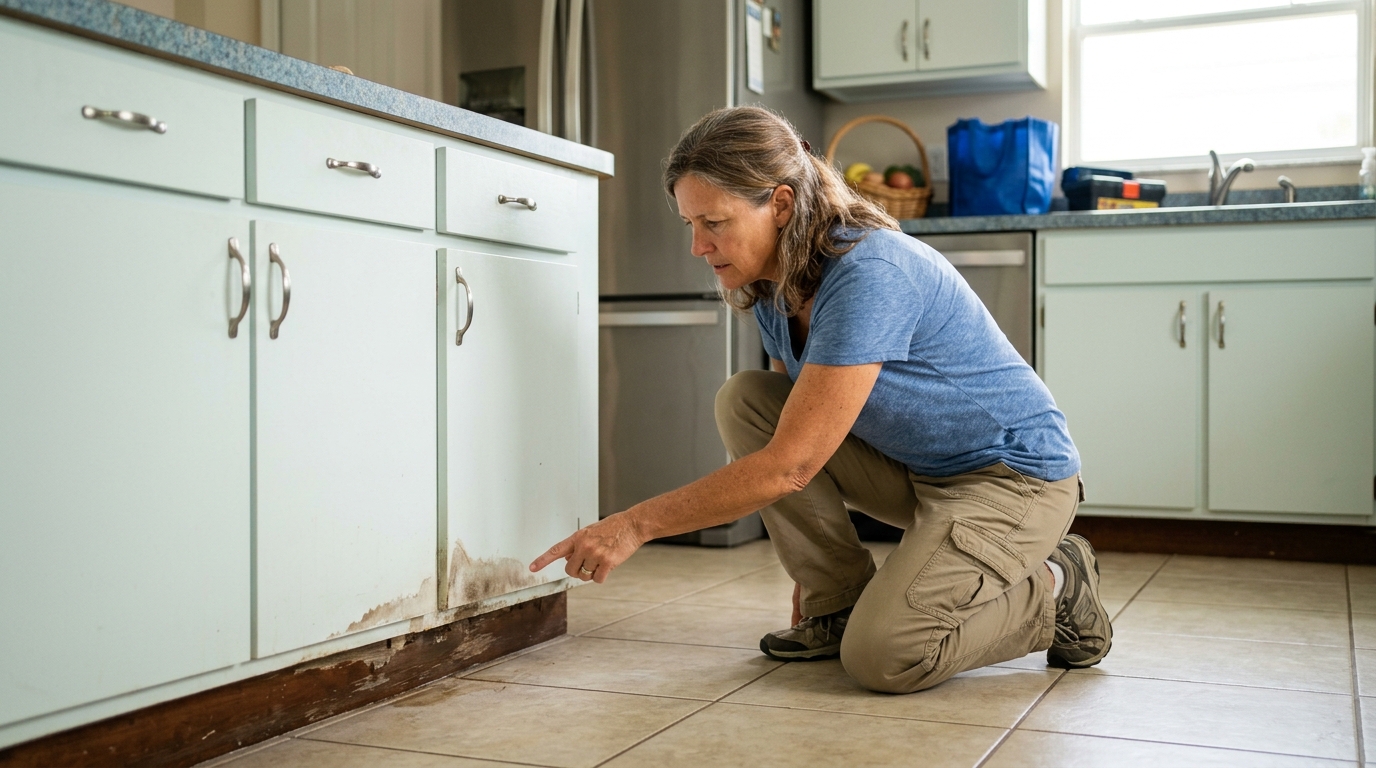
Your insurance company just denied a claim it should have paid, and now you’re stuck footing the bill for damage you thought you were covered for. It happens more often than you’d think. When insurers act in bad faith, Florida law gives you real options to push back and recover what you’re owed. This guide breaks down exactly when it’s time to call a bad faith insurance claim attorney and how Krapf Legal can help you fight for a fair outcome.
When Should You Hire a Bad Faith Insurance Claim Attorney
Warning Signs of Bad Faith Handling
Some claim delays are normal. Insurers ask for more documents. They schedule follow-up inspections. They take a few extra weeks during hurricane season when adjusters are stretched thin. That’s ordinary friction, not misconduct. But there’s a point where slow becomes suspicious, and you need to know where that line sits.
Watch for an adjuster who lowballs damage estimates without a real inspection. Watch for one who stops responding to calls and emails for weeks. Watch for a denial letter that cites vague policy language instead of specific exclusions. If your roof damage claim gets denied as “wear and tear” without an engineer’s report, or your water damage claim drags past 90 days with no explanation, something’s off. Pattern matters more than a single bad interaction.
Fire and mold claims often show the clearest red flags, since insurers sometimes dispute causation to avoid a payout entirely. If you’re getting contradictory reasons for denial, or the insurer relies on an outdated inspection to lowball a settlement, that’s not a paperwork issue anymore.
Florida’s Claim-Handling Deadlines
Florida law gives insurers strict windows to act. They must acknowledge a claim within 14 days, and under current statute they generally have up to 60 days to pay, deny, or make a settlement offer. Miss those marks without a valid reason, and the insurer starts building a record of unreasonable delay. That’s exactly the kind of evidence a bad faith case is built on.
There’s also a five-day rule for scheduling inspections after a demand, plus notice requirements before you can even file a bad faith lawsuit under Florida Statute 624.155. Reading a florida hurricane insurance guide early on helps homeowners understand which clock is running and when. These deadlines aren’t suggestions. They’re the framework courts use to judge whether an insurer acted reasonably.
Waiting to consult a lawyer costs you leverage, plain and simple. Evidence fades. Contractors move on. Deadlines quietly expire while you’re still hoping the insurer will do right by you. Understanding how a property damage attorney can make a difference early in the process, rather than after a denial letter arrives, often determines whether you’re negotiating from strength or scrambling to catch up.
What Counts as Bad Faith Under Florida Insurance Law
The Insurer’s Duty to Policyholders
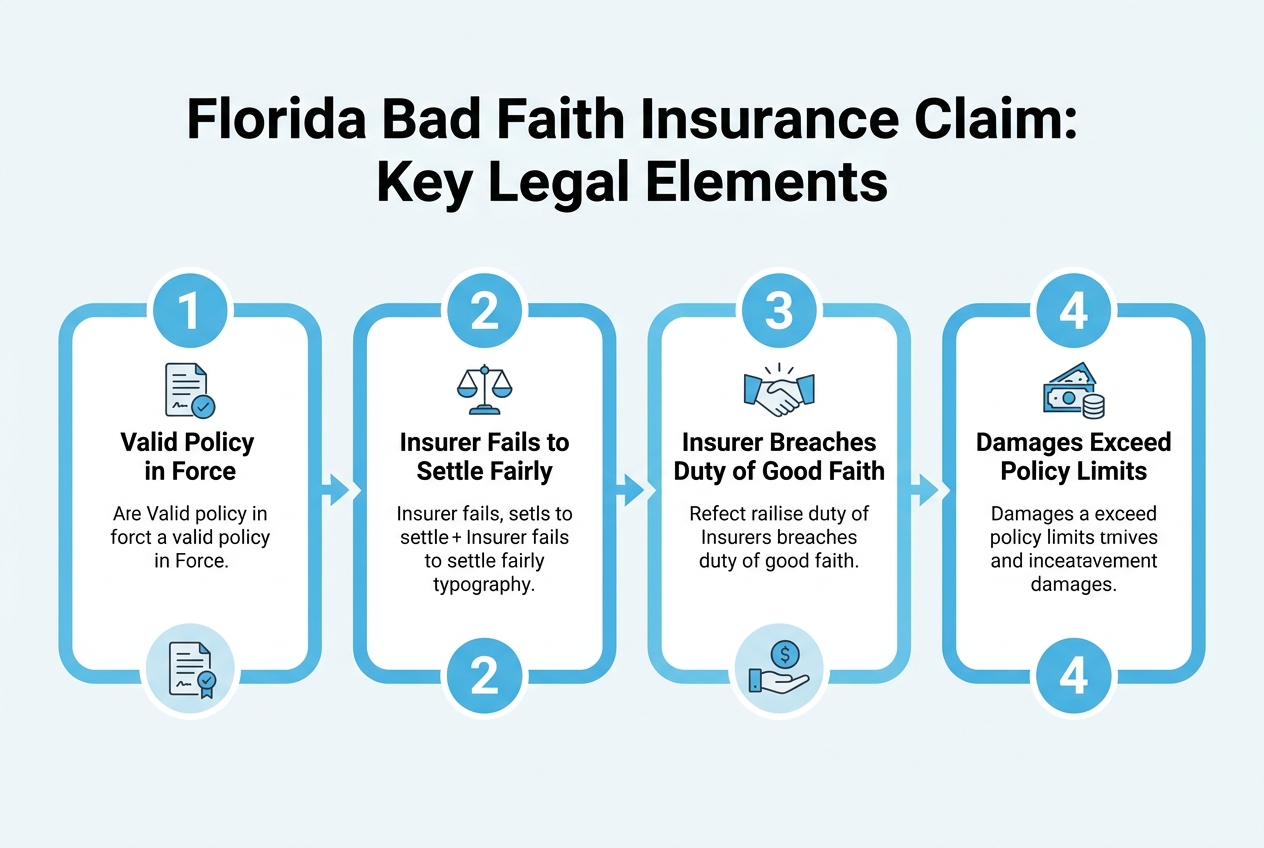
Every insurance company doing business in Florida owes its policyholders a duty of good faith and fair dealing. That means investigating claims promptly, communicating honestly, and paying what’s owed without dragging things out or manufacturing excuses. It sounds simple. In practice, insurers often lean on the fine print, delay tactics, or lowball adjusters to avoid paying full value. When they cross that line, the law gives you a path to hold them accountable, and understanding that path starts with knowing what the duty actually requires.
Bad faith isn’t just about losing a claim dispute. It’s about how the insurer behaved while handling it. Courts look at whether the company acted reasonably given the facts in front of it. Did it ignore its own engineer’s report? Did it fail to explain a denial in writing? Did it drag a hurricane damage claim out for eight months without a real reason? Any of those can point toward bad faith. For a broader look at how these violations play out in real disputes, this guide on fighting insurance bad faith in Florida breaks down the pattern insurers tend to follow.
Filing a Civil Remedy Notice
Florida Statute 624.155 is the backbone of most bad faith cases here. Before you can sue an insurer for bad faith, you generally have to file a Civil Remedy Notice (CRN) with the Florida Department of Financial Services. This notice spells out exactly what the insurer did wrong and gives it 60 days to fix the problem, pay the claim, or make things right. Skip this step and your case likely gets tossed. It’s a procedural hurdle, but it’s not optional.
Once that 60-day window closes without a fair resolution, you’re generally cleared to file a bad faith lawsuit. This applies whether the underlying dispute involves a roof damage claim, a fire loss, or a denied mold assessment. The CRN process also creates a paper trail, which matters a lot later. Similar statutory notice requirements exist in other states, and firms like Insurance Attorneys Philadelphia handle comparable pre-suit procedures for Pennsylvania policyholders, though Florida’s timeline and filing method are its own animal.
Here’s the part people miss: a denial alone isn’t bad faith. Insurers are allowed to say no if they have a legitimate reason, even if you disagree with it. Bad faith requires something more — unreasonable delay, ignoring evidence, or lowballing without justification. That distinction decides whether you have a standard water damage claim dispute or grounds for a much bigger legal fight.

Common Examples of Insurers Acting in Bad Faith
Delay and Denial Tactics
Some insurers slow-walk claims on purpose. They know Florida law sets deadlines for investigating and paying claims, and they push right up against them anyway, hoping you’ll give up or settle cheap out of frustration. It’s a numbers game to them. To you, it’s a roof that’s still leaking.
- Requesting the same documents over and over, or asking for additional inspections months after the initial one, without any real progress on the claim.
- Assigning an adjuster who never returns calls or emails, leaving you guessing about the status of your file for weeks at a time.
- Denying a claim outright with a boilerplate letter that cites a policy exclusion but never explains how it actually applies to your damage.
- Reassigning your file to a new adjuster repeatedly, restarting the review process each time and resetting the clock on any progress made.
- Sitting on a completed investigation for months before issuing any decision, even when the damage is well documented and undisputed.
Underpayment and Misrepresentation Tactics
Underpayment is quieter than an outright denial, and that’s exactly what makes it so common. The insurer doesn’t say no. It just offers far less than the claim is worth and hopes you don’t notice, or don’t have the energy to push back. Reviewing Denver Bad Faith Insurance Claims Lawyer case summaries shows the same patterns turn up state to state, regardless of who’s writing the policy.
- Offering a settlement figure well below repair estimates from licensed contractors, with no line-item explanation for the gap.
- Twisting ambiguous policy language to argue coverage doesn’t apply, even when a plain reading favors the homeowner.
- Disregarding reports from your own contractor or engineer in favor of a company-hired inspector’s much lower estimate.
- Citing “wear and tear” or “pre-existing damage” without any inspection photos or documentation to back the claim up.
Knowing the difference between public adjusters vs independent adjusters matters here, since whose report the insurer relies on can shape the entire outcome. Hurricane claims see this often too; grasping florida hurricane claims understanding coverage limitatio… helps explain why wind damage sometimes gets bundled with excluded flood losses. None of this is accidental. It’s a pattern, and patterns are exactly what build a bad faith case.
Types of Property Claims That Often Trigger Bad Faith Disputes
Storm and Water-Related Claims
Some claim types just seem to draw disputes more than others. Florida’s weather is the reason. Big storms mean big payouts, and insurers know it, so they scrutinize these files harder than most.
- Hurricane and windstorm claims often get disputed over causation, with the insurer arguing flood water — not wind — caused the damage, shifting the loss onto a policy you may not have.
- Water damage and mold claims are frequently denied outright for “late reporting,” even when the homeowner reported the leak within days of noticing it.
- Roof claims get labeled as normal wear-and-tear rather than storm damage, which lets the insurer avoid paying for a full replacement.
- Supplemental estimates on wind claims are quietly downgraded, with adjusters citing pre-existing damage that was never actually documented before the storm.
If your hurricane claim was denied on a causation technicality, understanding your options for a denied hurricane damage insurance claim is a good starting point before you sign anything the insurer sends. It’s also worth learning how to ensure your home is protected against wind damage before the next season, since documentation now makes disputes later far easier to win.
Fire, Hail, and Roof Claims
Fire, hail, and roof damage bring their own headaches. Fire claims often sit for weeks — sometimes months — pending an “investigation” into the cause, even when arson isn’t remotely suspected. That delay isn’t neutral. It’s leverage. Hail claims, meanwhile, tend to get lowballed through estimates that don’t match the actual repair cost, using outdated pricing tools or ignoring matching requirements for siding and shingles. Roof damage disputes are especially common in Florida, where insurers increasingly push back on claims tied to aging roofs regardless of storm history. Some carriers now require engineering reports before approving payment, which can stretch a simple repair into a months-long fight. Toolkits like Xactimate generate the estimates insurers rely on, but a low number from that software isn’t gospel — it’s a starting point for negotiation, not the final word.
Bad Faith Attorney vs. Handling the Claim Yourself
Some homeowners try to fight the insurance company on their own. It’s understandable. Hiring help feels like an extra cost when you’re already staring at a damaged roof. But going it alone changes the whole shape of the fight, not just who signs the letters.
What You Give Up Without Representation
Without representation, you’re negotiating against people who do this for a living, every single day. The adjuster on the other end has a file full of similar claims and a playbook for closing them cheaply. You have one house and one claim. That’s a mismatch. You also lose easy access to independent engineers and adjusters who can put a real number on hurricane, hail, or roof damage instead of accepting the insurer’s lowball figure. A detailed record of denials and delays matters too; understanding the common patterns behind claim denials and underpayments is something attorneys track daily, not something most homeowners have time to learn mid-crisis.
What an Attorney Adds to the Process
An attorney adds leverage, structure, and a cost model that limits your downside. Here’s a quick side-by-side:
| Factor | DIY Negotiation | Attorney Representation |
|---|---|---|
| Damage documentation | Homeowner’s own photos, estimates | Independent engineers and adjusters |
| Legal leverage | Phone calls, письма | Demand letters, litigation if needed |
| Cost structure | Free, but time-intensive | Contingency, no upfront fee |
| Risk if claim fails | Lost time, no recovery | Attorney absorbs the financial risk |
| Bad faith exposure | Hard to prove alone | Built into case strategy from day one |
Notice the risk column. That’s the real difference. Wind and roof claims especially get squeezed; reasons insurers underpay wind damage claims often trace back to formulas policyholders never see. A contingency fee means the attorney only gets paid if you do. DIY negotiation feels free until you factor in months of your own unpaid time and a settlement that’s thousands short.
How a Property Insurance Lawyer Builds Your Bad Faith Case
Investigation and Evidence Gathering
Every strong case starts with paper. A lawyer will pull the full policy, the denial letter, adjuster notes, photos, estimates, and every email the insurer sent, then line them up side by side. Gaps and contradictions show up fast this way. Maybe the denial cites an exclusion that doesn’t actually apply, or the adjuster’s report ignores half the damage. Knowing what to do if your property insurance claim is wrongfully handled from the start makes this review sharper and faster.
From there, independent experts step in. Roofers, engineers, water mitigation specialists, and sometimes mold assessors inspect the property and produce their own damage estimates, separate from anything the insurer’s adjuster wrote. This matters because insurance company estimates and independent contractor estimates often diverge wildly, sometimes by tens of thousands of dollars. Xactimate is the standard software most adjusters use to price repairs, and having your own expert run the same numbers, honestly, exposes lowball figures quickly.
Documentation doesn’t stop at photos. Moisture readings, thermal imaging, and dated repair invoices all build a timeline that’s hard to argue with. For hurricane or hail claims, meteorological data confirming storm dates and wind speeds gets pulled too. It’s tedious work. But a thin file loses cases, and a thick one wins them.
Negotiation, Litigation, and Potential Damages
Once the evidence is solid, most attorneys send a formal demand letter laying out the claim’s true value and giving the insurer a deadline to respond. In Florida, this often pairs with a civil remedy notice filed through the Department of Financial Services, which formally puts the insurer on notice of the specific statutory violations alleged. The insurer then gets 60 days to cure the problem. Many claims resolve right here, quietly, without ever reaching a courtroom.
When insurers ignore that window or respond in bad faith anyway, litigation follows. Filing suit opens the door to extracontractual damages beyond the policy limits, things like consequential losses, attorney’s fees, and in some cases, punitive damages meant to punish egregious conduct. That’s a real deterrent, not just legal boilerplate. Some insurers still gamble on it, betting homeowners won’t push that far.
Litigation timelines vary, but understanding unraveling the challenges of claiming insurance payouts helps set realistic expectations for how long a contested case can run. Depositions, expert testimony, and mediation sessions typically happen before trial, and many cases settle during that stretch once the insurer sees the evidence assembled against it. The goal throughout is full, fair payment, not just a quicker check.
What to Expect From a Free Case Consultation
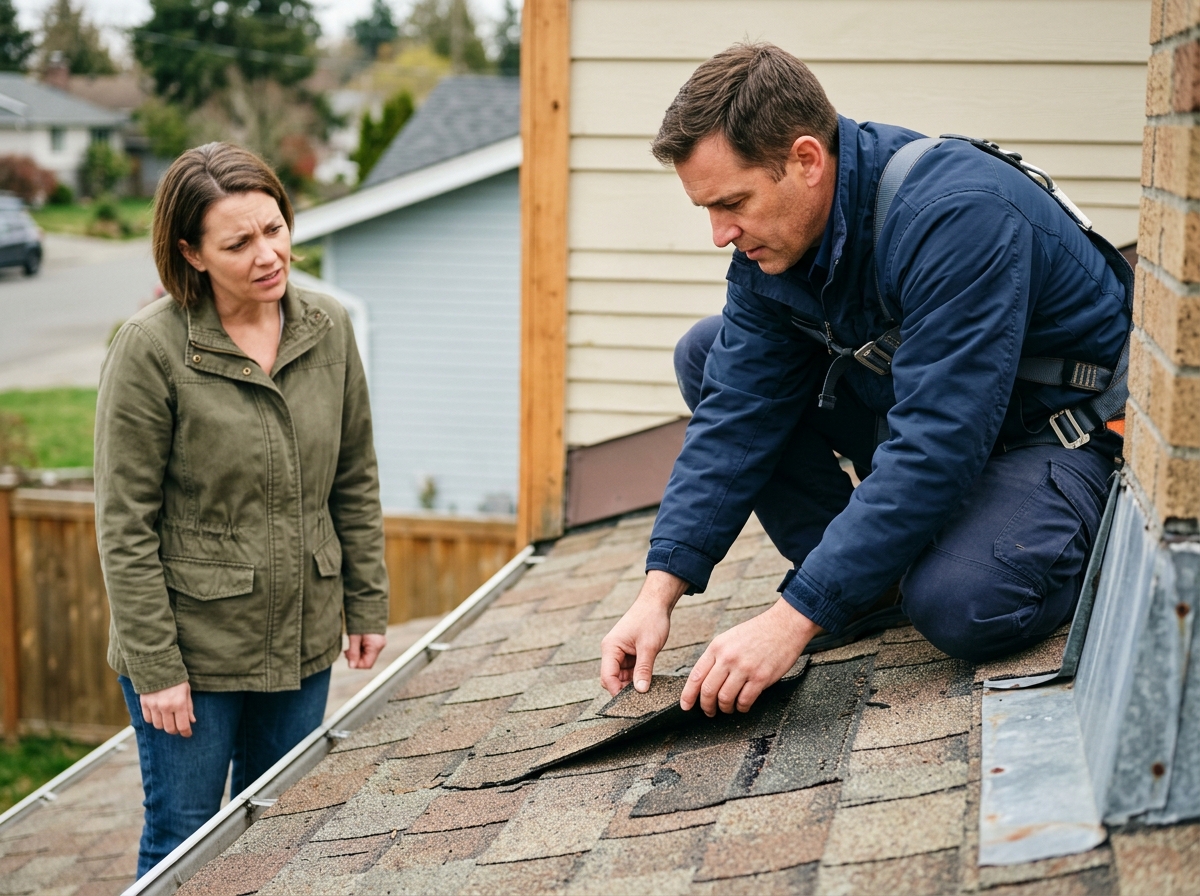
A first call shouldn’t feel like an interrogation. It’s really just a fact-finding session, and knowing the flow ahead of time takes the pressure off. Most consultations move through a handful of predictable stages, whether you’re dealing with a denied roof claim or a stalled hurricane payout.
Steps in the Consultation Process
Before you dial in, pull together your policy declarations page, the denial or underpayment letter, and dated photos of the damage. Having repair estimates or contractor notes on hand helps too. The table below breaks down what typically happens at each stage of intake.
| Stage | What Happens | Approximate Time |
|---|---|---|
| Initial call | You describe the claim, denial reason, and timeline | 15–20 minutes |
| Document review | Policy, letters, and photos are checked against the denial | 1–3 business days |
| Case evaluation | Attorney assesses whether bad faith or underpayment occurred | Same call or follow-up |
| Strategy discussion | Next legal steps and likely outcomes are explained | End of consultation |
| Engagement decision | You decide whether to move forward, no obligation | Your timeline |
Storm-related claims often need extra documentation, so reviewing what to expect after a hurricane in florida before your call can help you gather the right records. Fire, mold, and hail claims each carry their own quirks, but the intake process stays mostly the same.
Contingency Fee Structure Explained
Under a contingency fee arrangement, you pay nothing upfront and nothing at all unless the case results in a recovery. Fees come out of the settlement or judgment, not your pocket. This structure isn’t unique to Florida; comparing it against models used by a California bad faith insurance claims lawyer shows the approach is fairly standard nationwide, though percentages and cost-sharing terms vary by firm. After the consultation, most reputable providers respond within one to two business days with a written summary of next steps. No response for a week? That’s a red flag, not a coincidence.
Choosing the Right Bad Faith Insurance Claim Attorney for Your Case
Questions to Ask Before Hiring
Start by asking what kinds of claims the firm actually handles day to day. Water damage, mold, hurricane, roof, fire, and hail claims each carry their own quirks, deadlines, and adjuster tactics, so specific experience matters more than a general practice label. A firm that’s negotiated dozens of roof claims after a hailstorm knows how insurers try to shrink the scope of damage, and that’s a different skill set than fighting a denied fire claim. If you’re dealing with fire loss specifically, it helps to read up on the importance of fire insurance claims and hiring an attorney before you sign anything.
Next, ask about track record and settlement history in plain numbers. How many cases has the firm closed? What’s the range of results? Don’t settle for vague answers here. Also ask who’ll actually work your file. Many firms use a team structure with managing attorneys overseeing associates, paralegals, and support staff, which can mean faster turnaround, but only if communication stays tight between everyone involved.
Finally, ask how quickly they respond once you sign on. A firm that takes two weeks to return a call isn’t going to move fast enough when your insurer is stalling. Push for a real answer: one to two business days is a reasonable standard, and anything slower should raise a flag.
Why Florida-Specific Experience Matters
Florida’s insurance statutes aren’t like other states’. Notice-of-claim deadlines, the civil remedy notice process, and prompt-pay requirements all follow rules unique to this state, and they’ve shifted more than once in recent years through legislative reform. An attorney who practices nationally but dabbles in Florida claims occasionally may miss a filing window or misjudge a deadline that a locally focused firm would catch without thinking twice. That gap can cost you real money.
Local experience also means familiarity with how Florida insurers actually operate here, including which carriers tend to lowball roof claims after hurricane season or drag out mold investigations. That pattern recognition doesn’t come from a textbook. It comes from handling case after Florida case, season after storm season. For a broader look at how attorneys build these cases nationally, it’s worth learning what Bad Faith Insurance Attorneys typically look for when evaluating a denial or lowball offer, then comparing that against Florida’s own statutory framework.
A dedicated provider with deep Florida roots will usually offer a free consultation to walk through your policy and denial letter before you commit to anything. Look for a track record measured in real dollars recovered and real client volume, not just marketing language. Many local businesses also handle personal injury alongside property claims, which can matter if your damage involved an injury too. Skip the ones who talk fast but can’t back it up with specifics.
If your insurer is dragging its feet, denying a valid claim, or offering far less than you deserve, the team at Krapf Legal in Clearwater, Florida is ready to step in and hold them accountable. With over $58,000,000 recovered for Florida homeowners and business owners, and no fees unless they win your case, you have nothing to lose by asking questions. Visit their office at 2790 Sunset Point Rd, call +1 727 777 7450, or email intake@krapflegal.com to schedule your free consultation today.