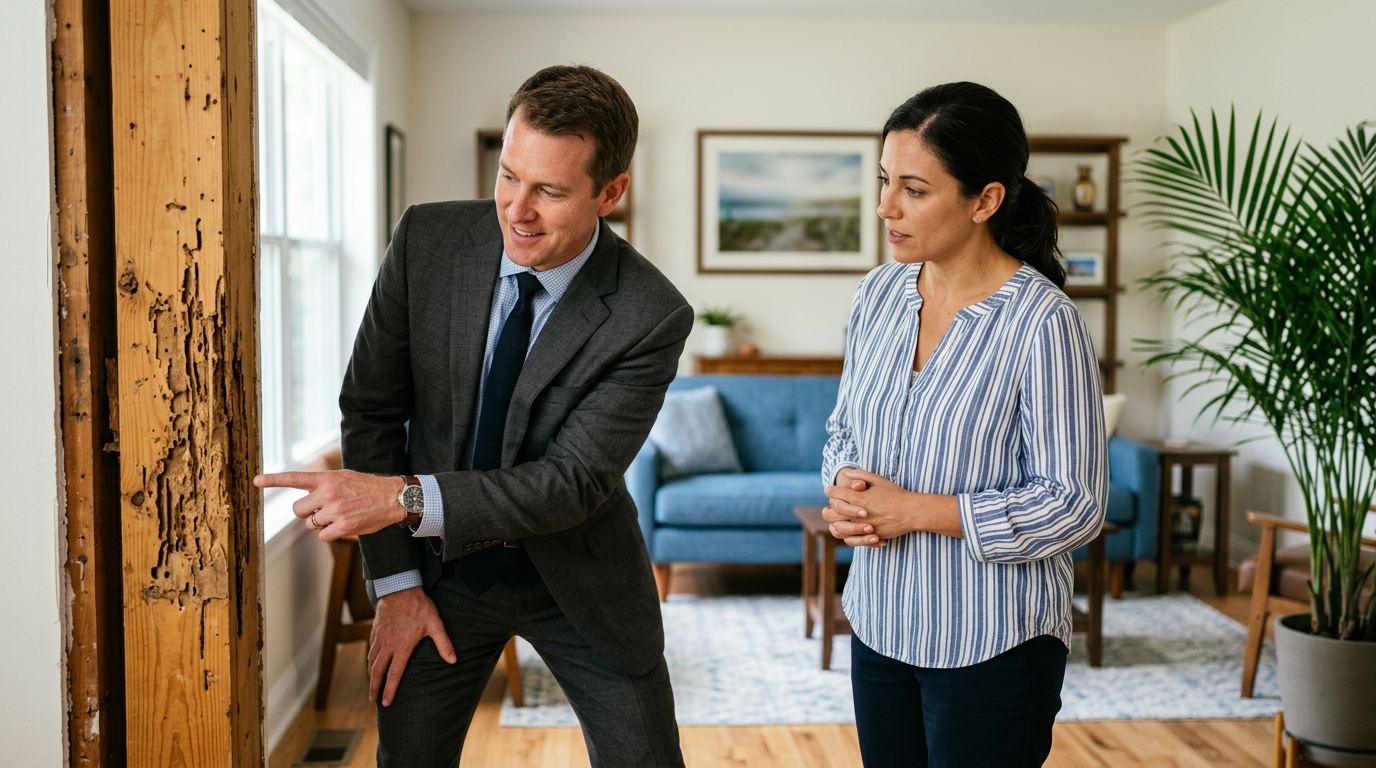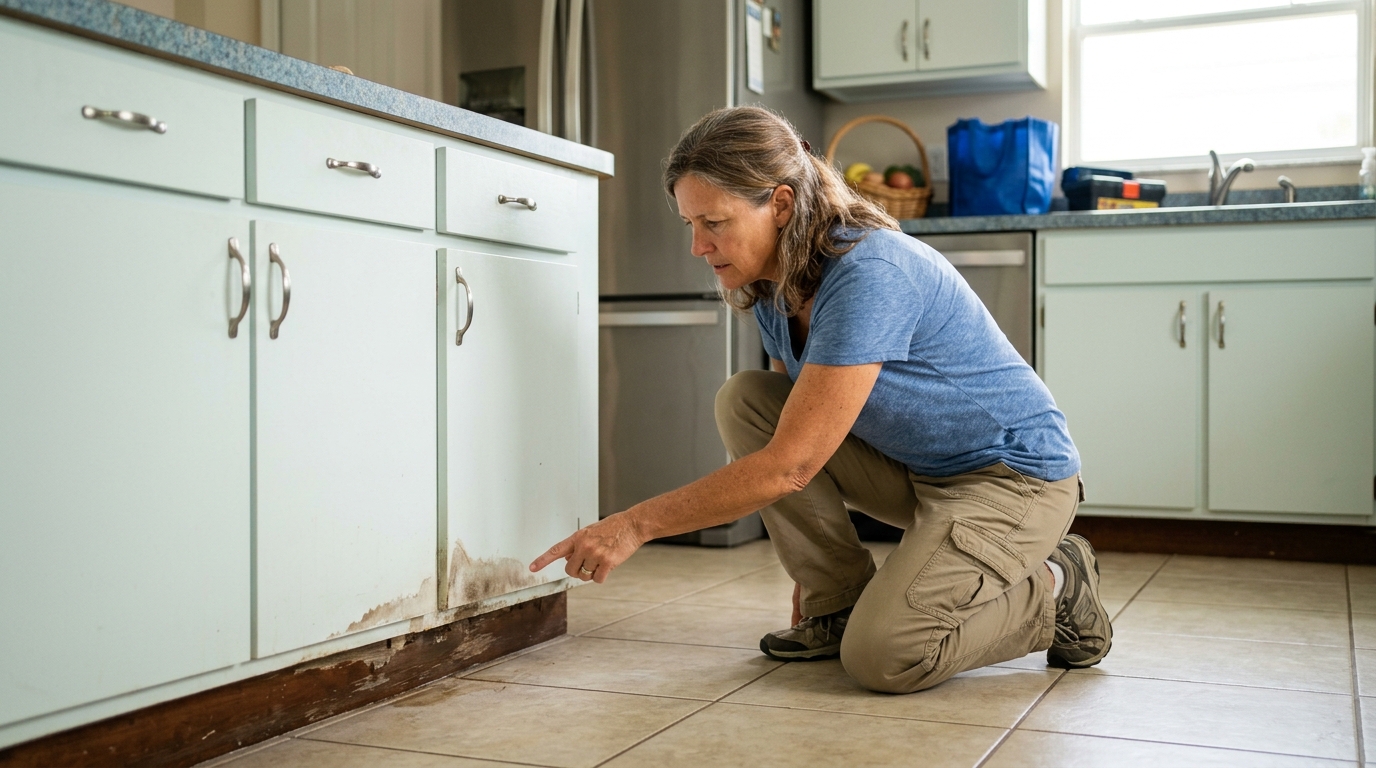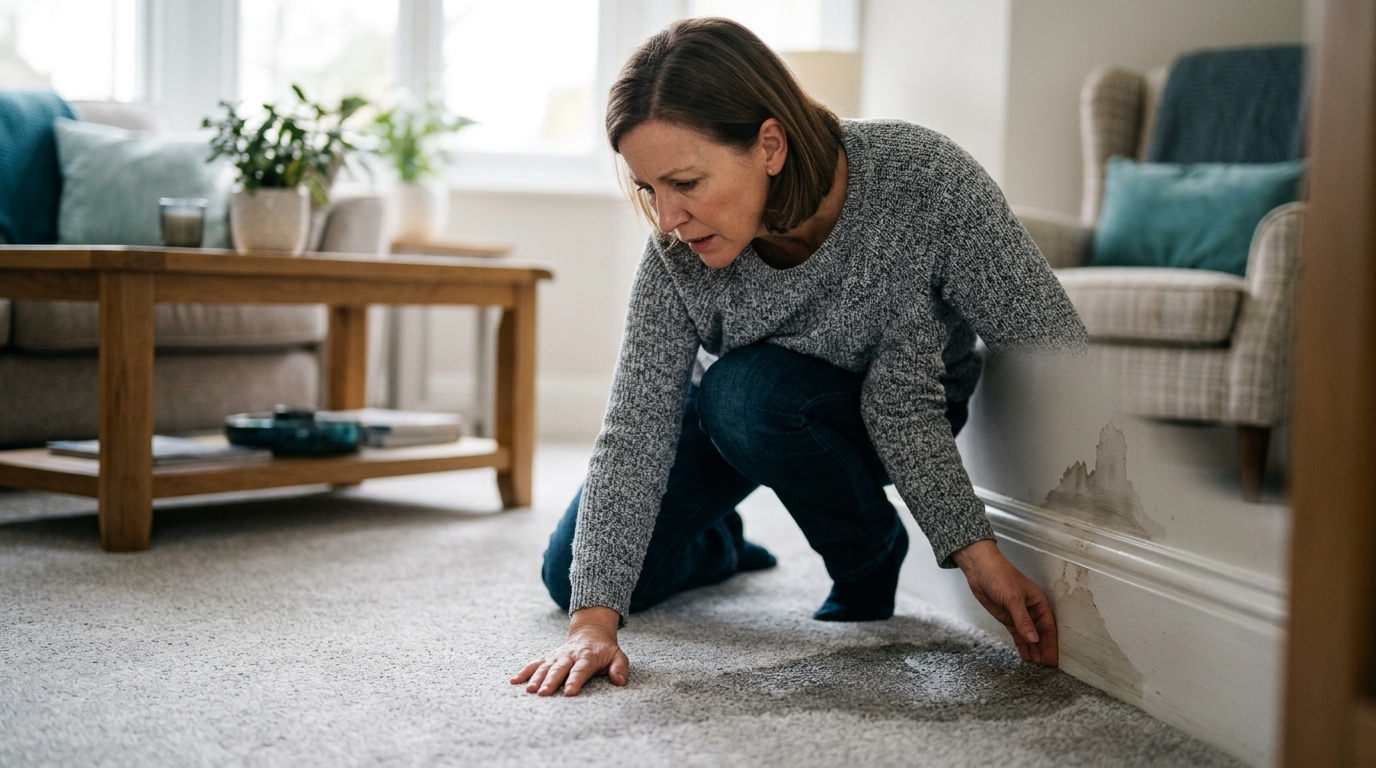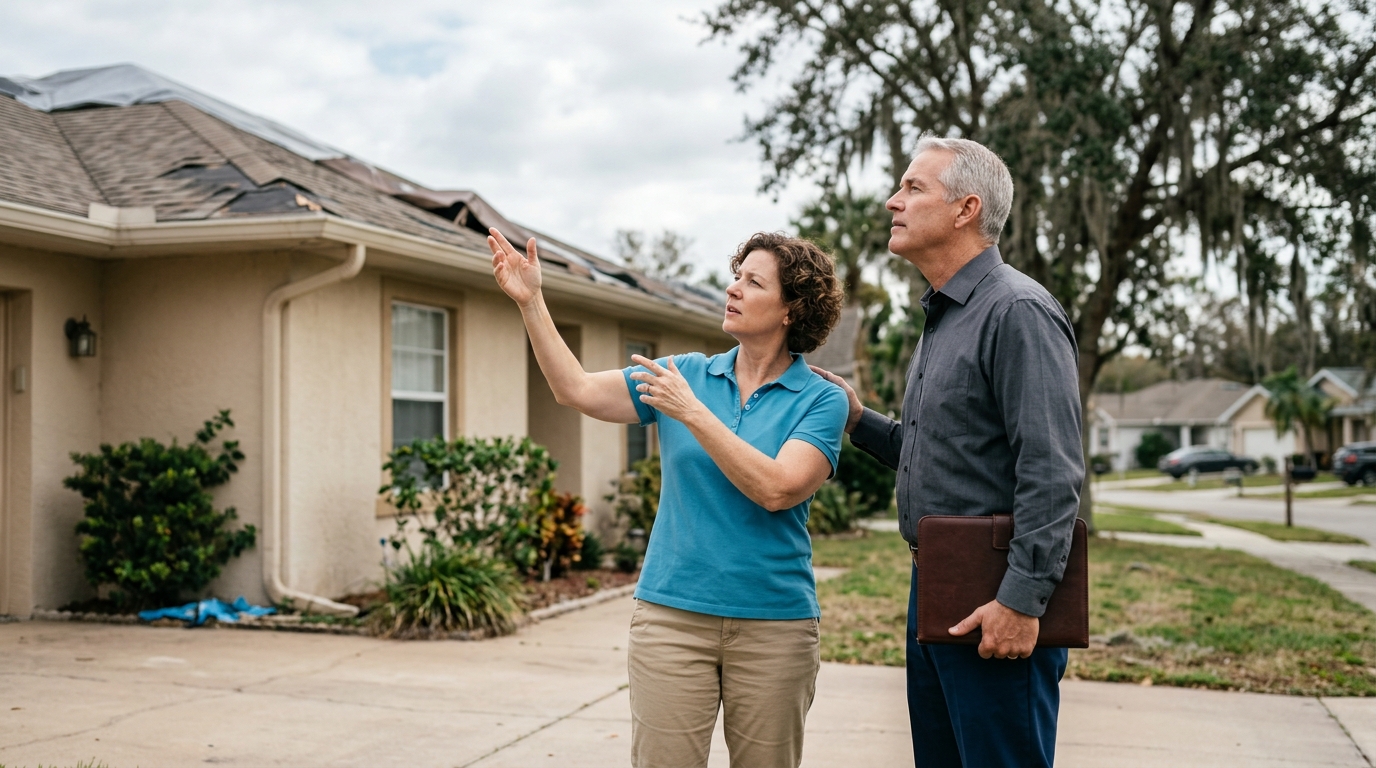
You filed your claim in good faith, handed over every document requested, and waited months for an answer—only to get a lowball offer or a flat denial that doesn’t add up. That’s not just frustrating. It may be illegal. Florida law requires insurers to handle claims honestly and fairly, and when they don’t, bad faith insurance claim lawyers can help you hold them accountable and recover what you’re actually owed.
What Insurance Bad Faith Actually Means in Florida
The Insurer’s Duty of Good Faith Under Florida Law
Every insurance company doing business in this state owes its policyholders a legal duty. Handle claims fairly. Investigate promptly. Pay what’s owed once liability is clear. This isn’t just a moral expectation. It’s written into Florida Statute 624.155, which gives policyholders the right to sue an insurer that fails to act in good faith. That statute is the backbone of nearly every bad faith case filed in Florida, and it’s what separates a legitimate legal claim from a homeowner’s frustration.
Here’s the part people miss: a denial by itself isn’t bad faith. Insurers deny claims all the time for reasons that hold up under scrutiny — insufficient documentation, a policy exclusion, a legitimate coverage dispute. Bad faith is different. It’s when the insurer knew or should have known it owed the claim, and instead dragged its feet, misrepresented the policy, lowballed the payout, or ignored evidence to avoid paying. Anyone researching a guide to fighting insurance bad faith in Florida will find that courts look hard at the insurer’s conduct, not just the outcome.
First-Party vs. Third-Party Bad Faith
First-party bad faith arises from your own policy — think a homeowner whose roof damage claim gets denied after a hurricane, or a business owner stonewalled on a fire damage claim. The insurer owes you directly, and it’s failing that duty. Third-party bad faith is different: it happens when your insurer refuses to settle a liability claim against you within policy limits, exposing you to a judgment beyond what your coverage should have handled. This distinction matters a lot in personal injury cases, where an insurer’s refusal to negotiate reasonably can leave a policyholder holding the bag.
Before either type of claim can move forward in Florida, the law requires a specific step: filing a Civil Remedy Notice (CRN) with the Department of Financial Services. This notice spells out exactly how the insurer violated the statute and gives it 60 days to fix the problem. Skip this step, and a lawsuit gets tossed — no exceptions. It’s a technical requirement, but it’s also strategic, since a well-drafted CRN can pressure an insurer into paying before litigation even starts, something worth understanding whether you’re dealing with hail damage, mold, or water intrusion.
Warning Signs You’re Dealing With an Insurer Acting in Bad Faith
Not every denial or delay means bad faith. Sometimes a claim is genuinely complicated, and a slow answer just means an adjuster is buried in work. But there’s a pattern policyholders describe again and again, and once you’ve seen it, it’s hard to unsee. If your insurer’s behavior lines up with several of the tactics below, that’s worth taking seriously — and worth documenting.
Common Insurer Tactics Policyholders Report
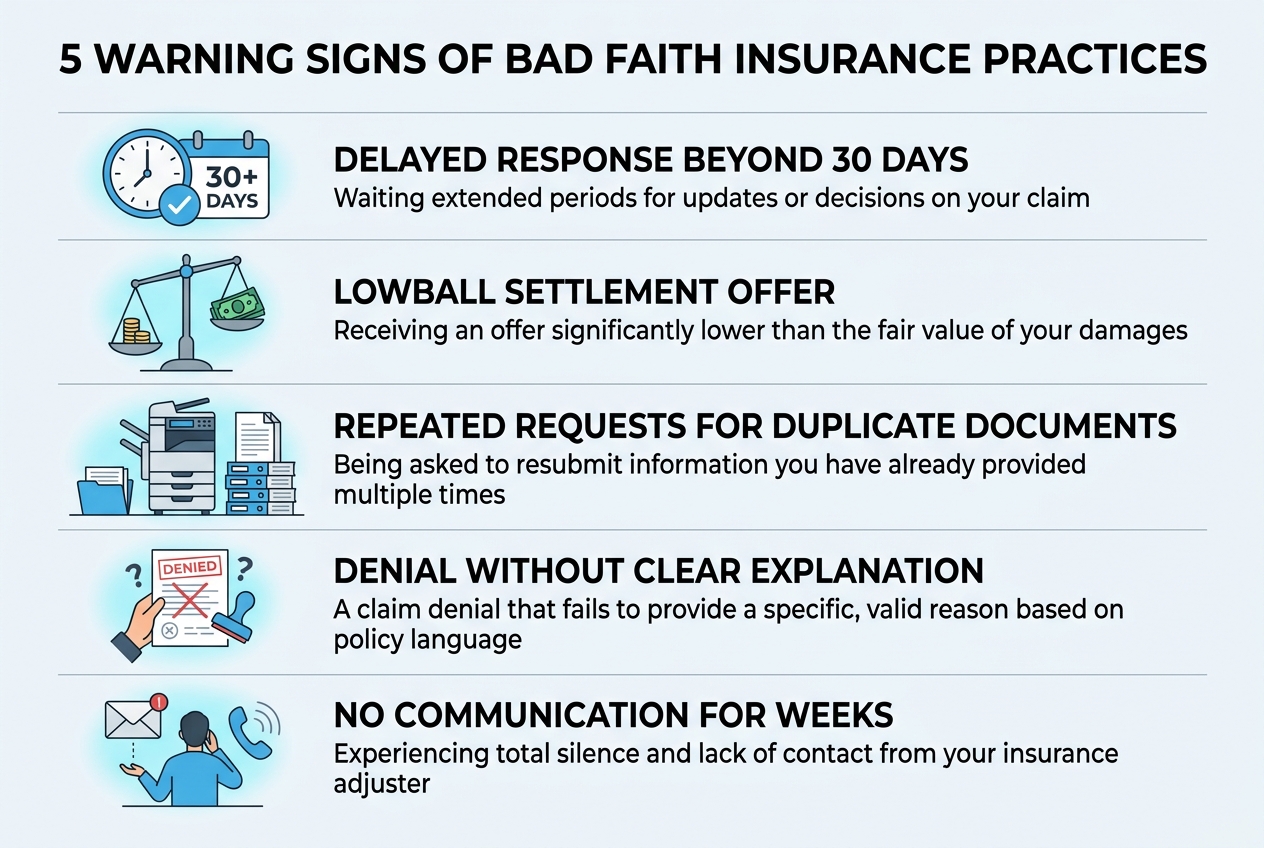
These are the red flags that show up most often in complaints against insurers, whether the underlying issue is roof damage, hurricane losses, or a mold dispute. None of these alone proves bad faith, but a combination of them usually does.
- Unreasonable delay in investigating or paying a claim, stretching weeks into months with no clear explanation for the holdup;
- Lowball or unexplained underpayment offers that arrive without a detailed breakdown of how the number was calculated, and a detailed look into insurance claim denials and underpayments can help you spot when a settlement number doesn’t add up;
- Failure to communicate or respond within Florida’s statutory timeframes, leaving you chasing adjusters who won’t return calls or emails;
- Misrepresenting policy language or coverage terms, telling you something isn’t covered when the actual policy says otherwise;
- Demanding excessive documentation or repeated inspections that seem designed to wear you down rather than assess the damage;
- Denying a claim without a reasonable investigation, sometimes based on a five-minute drive-by look rather than a real inspection.
Here’s the blunt version: insurers aren’t your friend during a dispute, and stalling often costs you more than it costs them. If any of this sounds familiar, start a paper trail now — save every email, note every phone call, and keep copies of estimates. Separately, if the damage came from wind or storms, protecting your home against wind damage before the next season can reduce how much room an insurer has to dispute causation later.

When to Call Bad Faith Insurance Claim Lawyers
Signs It’s Time to Escalate Beyond the Adjuster
Timing isn’t a small detail here. It’s the whole game. If you’ve gotten a flat denial, a payout that doesn’t come close to covering repairs, or you’ve simply heard nothing for weeks after submitting documentation, those are your three big red flags. A roof claim that should take 30 to 45 days to resolve and instead drags past 90 with no clear answer isn’t just slow — it’s a pattern worth questioning. Insurers know most policyholders will get tired and accept less. Don’t be that statistic.
Getting a lawyer involved early does more than protect your legal options — it changes the insurer’s behavior. Adjusters and claims departments often move faster and negotiate more honestly once they know a policyholder has representation. Early involvement removes the stalling incentive. That’s true whether you’re dealing with a hurricane damage attorney’s caseload of wind and flood disputes or a more straightforward hail damage claim. In fact, understanding why insurance companies underpay wind damage property claims helps explain why insurers often bank on policyholders not pushing back at all.
Once an attorney steps in, every letter, phone call, and email gets reframed. Instead of a homeowner pleading for fair treatment, it’s a formal record being built — one that documents delays, inconsistent reasoning, and lowball math. That shift alone often speeds things up considerably.
Statute of Limitations Considerations for Florida Property Claims
Florida law gives policyholders a limited window to sue over a property claim, and that clock doesn’t wait for you to feel ready. For claims involving hurricane and windstorm damage, understanding coverage limitations for wind and flood damage matters, since flood losses often fall under separate federal policies with their own deadlines entirely. Miss a filing window, and even a rock-solid case can evaporate overnight.
This is where waiting costs you more than money. Evidence fades, contractors move on to other jobs, and memories of what happened during a fire or storm get fuzzy. If bad faith conduct is part of your situation, broader research into how bad faith claims get evaluated nationally shows a consistent theme: earlier action almost always produces stronger outcomes. Don’t sit on this.
DIY Appeal vs. Hiring a Property Insurance Attorney
Every path you choose after a denial comes with a different price tag, a different timeline, and a different shot at getting paid in full. Filing your own appeal costs nothing upfront, but you’re negotiating alone against adjusters who handle claims all day, every day. A public adjuster takes a cut of your payout, typically 10-20%, before you ever collect a dime. An attorney, by contrast, usually works on contingency, meaning no fee unless money actually lands in your pocket.
Here’s a rough breakdown of how the three approaches stack up:
| Approach | Upfront Cost | Access to Experts | Leverage if Denied Again |
|---|---|---|---|
| Self-negotiation | $0 | Limited, self-sourced | Low — no legal pressure |
| Public adjuster | None upfront, 10-20% of payout | Moderate, often in-house | Low — can’t file suit |
| Property insurance attorney | None unless you win | Independent engineers, appraisers, contractors | High — can litigate or pursue bad faith |
Notice the middle column. That’s where things really diverge. Attorneys typically bring in independent structural engineers, roofers, and appraisers whose reports hold up in court, not just in a negotiation letter. That matters a lot in fire, roof, and hurricane claims where cause-of-loss disputes are common; hiring an attorney for fire claims often changes how quickly an insurer takes a file seriously. Insurers know the difference between a homeowner writing an email and a lawyer filing a lawsuit. Only one of those carries real teeth. And since payout disputes rarely resolve quickly on their own, that leverage tends to matter more the longer a claim drags on.
Types of Property Damage Claims That Often Involve Bad Faith
Some claims seem to attract bad faith tactics more than others. It’s not random. Certain damage types give insurers more room to argue, delay, or nitpick — and adjusters know it. If your claim falls into one of these categories, you’re not imagining the extra scrutiny.
- Hurricane and windstorm claims where the insurer blames flooding instead of wind, shifting the loss onto a policy or endorsement you may not even carry, which is a common thread in a denied hurricane damage insurance claim dispute.
- Water damage claims labeled “pre-existing” or “wear and tear” after a single pipe burst, even when the timeline clearly points to a sudden, covered event.
- Mold claims rejected for lacking documentation the homeowner was never told to collect, like moisture readings or air quality tests taken within days of discovery.
- Roof damage claims recast as routine maintenance problems, with adjusters pointing to granule loss or age instead of storm impact.
- Fire damage claims stalled for months under the guise of a fraud investigation, with no real evidence, just a stall tactic.
- Hail damage claims minimized through lowball estimates that ignore matching shingle requirements or hidden structural harm.
Every one of these depends on interpretation, and that’s exactly the point. A denial based on ambiguous language is easier to challenge than one based on hard facts, so insurers lean on it anyway. Homeowners hit hard by a named storm often find it useful to review what to do if you’re unhappy with your hurricane Idalia settlement, since the reasoning applies broadly to any underpaid wind claim. Know which category your claim falls into. It shapes what evidence you’ll need next.
How the Legal Process Works From Consultation to Resolution
What Happens During the Free Consultation
The first meeting is about facts, not pressure. An attorney (or a paralegal working under one) will ask what happened, when the damage occurred, and what the insurer has said so far. Bring your policy, any denial letter, and photos if you have them. That’s really all you need. A good free case evaluation should tell you honestly whether you have a claim worth pursuing, and if the answer is no, a straight shooter will say so instead of stringing you along.
Before you even get to that meeting, it helps to know what not to say when filing a home insurance claim, since offhand comments to an adjuster can quietly undercut a strong case. During the consultation, the reviewer looks closely at policy language, deadlines, and coverage exclusions before recommending next steps.
Steps After You Sign With a Law Firm
Once representation begins, the work follows a fairly predictable sequence. It’s not glamorous. It’s paperwork, deadlines, and pressure applied at the right moments.
| Stage | What Happens | Typical Timeframe |
|---|---|---|
| Documentation gathering | Photos, repair estimates, contractor reports, and all insurer correspondence are compiled | 1-3 weeks |
| Civil Remedy Notice | Filed with the Florida Department of Financial Services when bad faith is suspected, starting a 60-day cure window | 60 days |
| Formal demand | A written demand for full payment is sent, backed by evidence and policy citations | 2-6 weeks |
| Negotiation | Back-and-forth with the insurer’s counsel or adjuster to reach a fair number | Weeks to months |
| Litigation | A lawsuit is filed if negotiation stalls, leading to settlement or trial | Several months to a year+ |
Most cases settle before trial, but that leverage only exists because the firm is genuinely prepared to litigate. Some homeowners try tracking correspondence themselves with spreadsheets or apps like Google Drive folders or Evernote; that’s fine for organization, but it won’t replace legal strategy. Fee structures matter here too: reputable firms work on no recovery, no fee terms, meaning you owe nothing unless the case results in payment. That arrangement lines up the attorney’s incentive with yours, which is exactly how it should work.

What to Look for When Choosing Bad Faith Insurance Claim Lawyers
Questions to Ask Before Hiring an Attorney
Start with results. Ask how much a firm has recovered for clients and how many cases actually settled versus went to trial. A firm that can point to specific numbers, not vague promises, has nothing to hide. Don’t be shy about asking for examples involving claims similar to yours, whether that’s a roof damage claim after a hailstorm or a denied fire loss. Track record matters more than marketing, and a real one is easy to verify.
Next, dig into Florida-specific experience. State insurance law changes often, and an attorney who mostly practices elsewhere may not know the current filing deadlines or the quirks of how Florida courts treat bad faith claims. Ask directly: how many hurricane, water damage, or mold claims have you handled against major Florida insurers this year? The article on what to do when your florida home is at stake is a good gut check for how prepared you should feel walking into that first conversation.
Ask who’ll actually work your file day to day. Is it the managing attorney, or will you barely hear from them once you sign? Good firms staff cases with both senior attorneys and dedicated case managers, so nothing slips through the cracks.
Track Record of Settlements and Verdicts
Numbers tell a story, but context matters too. A firm that’s recovered tens of millions of dollars across thousands of cases has likely seen every insurer trick in the book. Ask how many of those cases were water damage, hurricane, or hail claims specifically, since insurers handle each type differently and your attorney should know the pattern already. A firm with only a handful of closed cases hasn’t been tested enough to earn your trust.
Verdicts matter less than you’d think, honestly. Most bad faith claims settle. What matters is whether the firm negotiates from strength, meaning they’re genuinely prepared to litigate if the insurer won’t pay fairly. An insurer that knows a firm folds early will lowball every time.
Experience With Florida Insurers and State Statutes
Florida’s insurance market has its own rulebook, from strict notice-of-claim deadlines to the specific statute that governs bad faith actions against insurers. An attorney working these cases daily will know which carriers routinely deny mold claims, which drag out hurricane payouts, and which tend to lowball roof assessments. That familiarity often shortens the timeline to resolution. It also helps to compare how other states handle similar disputes; for instance, reviewing information on a California Bad Faith Insurance Claims Lawyer can highlight just how much bad faith standards vary by jurisdiction, and why Florida-specific know-how isn’t optional.
Team Structure: Managing Attorneys Plus Dedicated Case Staff
A single overworked attorney juggling hundreds of files isn’t going to give your claim the attention it deserves. Look for a firm structured with managing attorneys overseeing strategy and associate attorneys or case staff handling day-to-day details, document requests, and adjuster calls. That layered structure means faster responses and fewer dropped balls.
Ask plainly: who will be my point of contact? If the answer is vague, take it as a warning sign.
Communication Standards and Responsiveness Expectations
You shouldn’t have to chase your own lawyer for updates. Reasonable firms set clear expectations, like returning calls or emails within one to two business days, and stick to them. Ask how updates are delivered, whether by phone, email, or a client portal, and how often you’ll hear from the team during a typical claim.
Responsiveness isn’t a nice-to-have. It’s often the difference between catching a lowball offer early and missing your window to push back.
Transparent Contingency-Fee Agreements With No Upfront Cost
Most reputable property insurance attorneys work on contingency, meaning you pay nothing unless they win. Ask for the fee percentage in writing before signing anything, and confirm whether costs like expert witnesses or engineering reports come out of your settlement or are billed separately. A free initial consultation is standard; if a firm charges for that first conversation, walk away.
How Krapf Legal Helps Florida Policyholders Fight Back
Why Florida Property Owners Choose This Firm
Numbers tell part of the story. A track record showing more than $58 million recovered for Florida clients isn’t an accident — it reflects years of pushing back against insurers who lowball or deny valid claims. Add in over 3,500 client consultations and 200-plus closed matters, and you’re looking at a team that’s seen nearly every trick an adjuster can pull. That kind of volume matters, because patterns repeat: the same delay tactics, the same vague denial letters, the same lowball offers show up again and again across different insurers.
The focus stays narrow on purpose. Water, mold, hurricane, roof, fire, and hail damage claims each carry their own quirks, and if you’re dealing with standing water in your living room, reviewing advice on water damage claims in florida before you sign anything from your insurer is a smart first move. When an insurer crosses the line from tough negotiator into bad-faith territory, that’s a separate legal fight entirely, and one that overlaps with personal injury work when storm damage causes physical harm on top of property loss.
Here’s the part that actually changes how people decide to call: no fees unless the case is won, and the initial consultation costs nothing. That removes the biggest reason homeowners sit on a denial letter for months. Response times matter too — a team that gets back to you within 1-2 business days beats waiting weeks for someone to even look at your file. The office sits at 2790 Sunset Point Rd in Clearwater, with direct lines open at +1 727 777 7450 or intake@krapflegal.com. Simple as that.
Get Your Free Case Evaluation Today
You don’t need a stack of legal jargon to get started. Pick up the phone and call +1 727 777 7450, or send an email to intake@krapflegal.com with a short summary of what happened. Prefer to talk face-to-face? Stop by the Clearwater office at 2790 Sunset Point Rd, Clearwater, FL 33759. Bring your denial letter, your policy, and any photos of the damage if you have them. If you’re not sure where to start, reviewing what to do if your property insurance claim is wrongfully handled can help you organize your thoughts before that first call.
The evaluation itself costs nothing and comes with no strings attached. That’s not a gimmick, it’s just standard practice for firms that work on contingency. An attorney will look at your denial or lowball payout, tell you honestly whether you have a case, and explain your options in plain language. No pressure, no confusing fine print.
Turnaround is fast, too. Most people hear back within one to two business days, which matters when appeal deadlines are ticking. Many local businesses and homeowners alike put this off for weeks, only to find their options narrowing. Don’t be one of them.
If your insurer has denied, delayed, or shortchanged your claim, you don’t have to fight them alone. The team at Krapf Legal, located at 2790 Sunset Point Rd in Clearwater, has helped thousands of Florida homeowners and business owners hold insurance companies accountable, recovering over $58 million for clients along the way, and they only get paid if you win. Reach out at +1 727 777 7450 or intake@krapflegal.com for a free case evaluation, or stop by the Clearwater office to see how they can help.