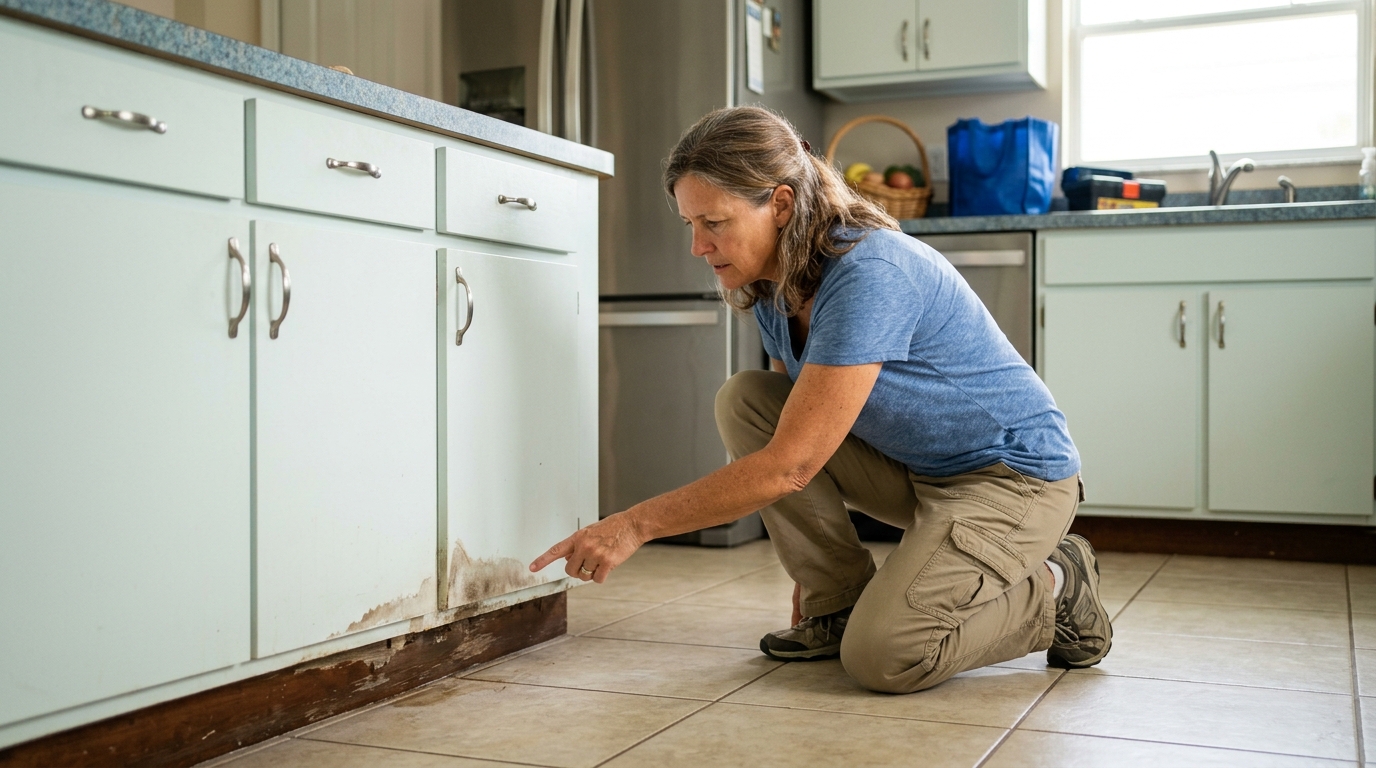
Your roof is damaged, your claim has been delayed or denied, and every call to your insurance company leads nowhere. Meanwhile, repair estimates keep climbing and your patience keeps thinning. If this sounds familiar, you’re not alone. A homeowners insurance lawyer may be the difference between a lowball settlement and the payout you’re actually owed. This guide breaks down when hiring a homeowners insurance lawyer makes sense, what these attorneys do behind the scenes to get claims paid, and how Florida homeowners can protect their rights before, during, and after a dispute with their insurer.
Understanding the Role of a Homeowners Insurance Lawyer
What This Type of Attorney Handles
A property insurance attorney steps in when a claim stalls, gets underpaid, or is denied outright. They review the policy language, gather evidence, and deal directly with the insurance company on the homeowner’s behalf. This covers everything from roof damage claims after a storm to complex fire damage disputes involving structural loss.
These lawyers also handle negotiations, demand letters, and, if needed, litigation. Many cases settle before trial once the insurer sees a well-documented claim backed by legal pressure. For a closer look at how insurers avoid paying full value, a detailed look into insurance claim denials and underpay… explains common patterns homeowners face.
How They Differ from Public Adjusters and Appraisers
Public adjusters estimate damage and file claims, but they can’t give legal advice or file suit. Appraisers resolve disputes over damage value through a formal appraisal clause, not legal claims like bad faith. A lawyer handles the legal side: contract disputes, deadlines, and violations of Florida insurance law.
When an insurer acts in bad faith, delaying payment or misrepresenting policy terms, only an attorney can pursue that claim. This distinction matters most in high-value disputes involving hurricane damage or water damage, where thousands of dollars are on the line.
When Their Involvement Matters Most
Timing matters. Homeowners who bring in legal help early often avoid the low settlement offers common after major storms. The aftermath of major hurricanes shows this clearly. floridas hurricane ian recovery six months later highlighted how many claims remained unresolved long after landfall. The sections ahead explain exactly when to call one.
Types of Property Insurance Claims That Often Need Legal Help
Structural and Dwelling Damage
Structural claims cover the physical building itself: roofs, walls, foundations, and attached systems like plumbing or electrical wiring. These claims often involve large dollar amounts, which makes insurers more likely to dispute them. Dwelling damage from hurricanes, hail, or fire can require engineering reports and detailed repair estimates to prove the full cost of repair.
Personal Property and Contents Losses
Personal property claims cover the items inside a home or business, separate from the structure. Furniture, electronics, clothing, and equipment all fall under this category. Proving the value of contents losses takes documentation, receipts, and sometimes professional appraisals, especially after major disasters.
Property claims vary widely depending on the type of damage and the coverage involved. Homeowners and business owners commonly need help with:
- Roof damage claims caused by wind, hail, or falling debris that insurers try to blame on age or lack of maintenance.
- Water damage claims from burst pipes, appliance leaks, or storm intrusion that spread quickly through walls and flooring.
- Mold insurance claims that develop after unresolved water damage and require specialized testing and remediation estimates.
- Fire damage claims involving smoke, soot, and structural loss that demand detailed rebuilding cost calculations.
- Bad faith claims where an insurer unreasonably delays, denies, or underpays a valid loss.
Mold cases deserve extra attention because health and property risks often overlap. For a closer look at how these claims work, see mold insurance claims what you need to know, which breaks down common insurer objections.
Additional Living Expenses and Other Protections
Many policies include additional living expense coverage, paying for temporary housing, meals, and storage while a home is repaired. Other protections may cover debris removal, code upgrade costs, or personal injury on the property. Disputes often arise over how long these benefits should last or what expenses qualify. For more on protecting both home and health during recovery, review mold insurance claims protecting your home and health in….
Common Causes of Property Damage Claims in Florida
Hurricane and Wind Damage
Florida sits in the direct path of Atlantic hurricanes every year. Wind gusts over 100 mph can tear off shingles, crack tile roofs, and shatter windows. Roof damage claims spike after every named storm, since roofs take the worst punishment.
Storm surge and flying debris also damage siding, fences, and garage doors. Many homeowners assume one storm caused all their damage, but insurers often argue older wear caused part of it. This creates disputes that a Hurricane Damage Attorney deals with constantly.
Hail is another risk tied to severe thunderstorms, especially in North Florida. Hail damage claims often involve dented gutters and cracked skylights that are easy to miss during a quick inspection.
Water Intrusion and Mold Growth
Water damage is one of the most common property claims statewide. Burst pipes, roof leaks, and appliance failures can soak flooring and drywall within hours. Left untreated, moisture leads to mold growth in as little as 24 to 48 hours.
Insurers scrutinize water claims closely, looking for signs of neglect or pre-existing leaks. Understanding the reasons water damage insurance claims get denied in florida helps homeowners avoid common denial traps. Mold Insurance Claims often require lab testing and detailed documentation to prove the timeline of damage.
Fire and Smoke Damage
Electrical faults, cooking accidents, and lightning strikes cause serious fire losses across Florida homes each year. Smoke damage can spread through ductwork, affecting rooms far from the actual flames.
A Fire Damage Attorney often steps in when insurers undervalue smoke cleanup or structural repairs. Severe fires can also raise Personal Injury concerns for residents. Some homeowners review resources like Tennessee Homeowners Insurance Lawyers to compare how other states handle similar disputes.
Tactics Insurance Companies Use to Deny or Underpay Claims
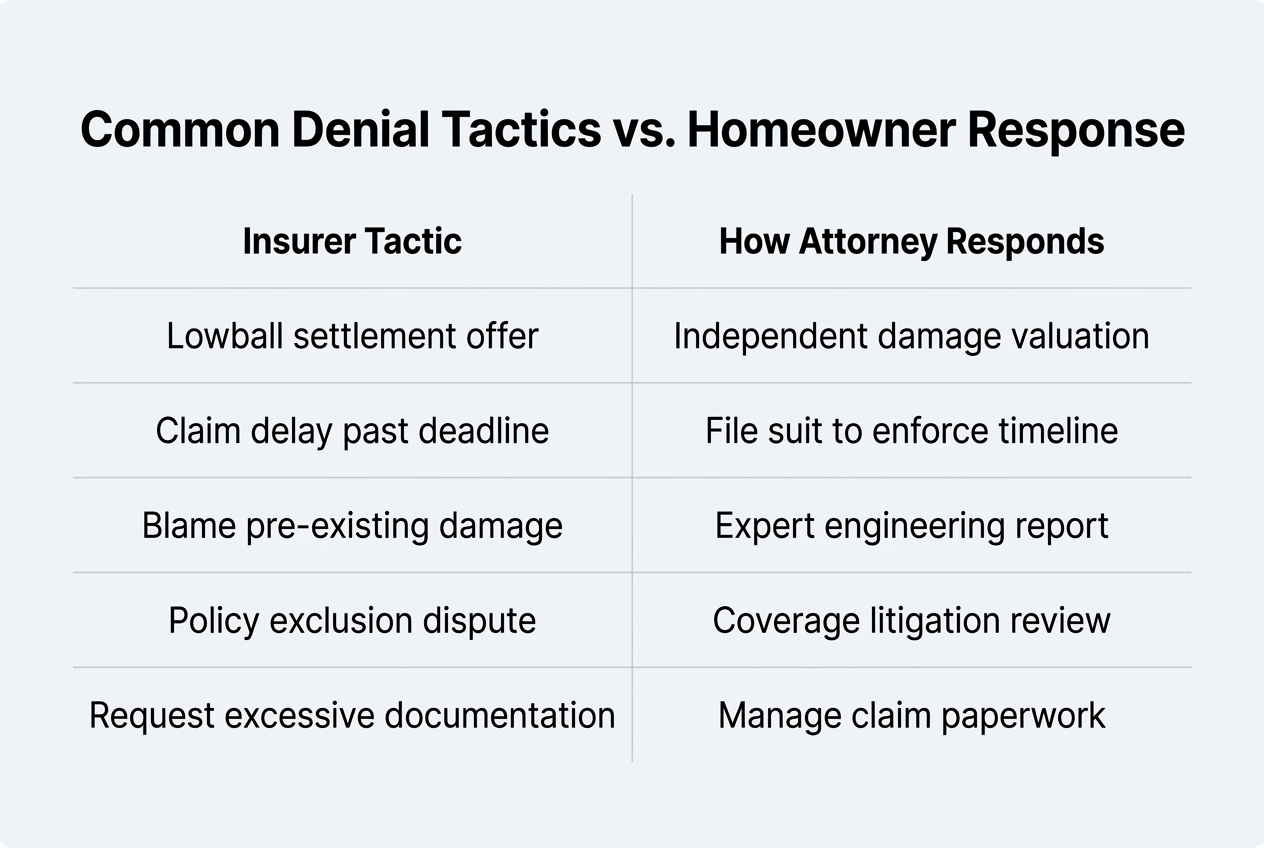
Lowball Estimates and Undervaluation
Insurers often send an adjuster who estimates repairs far below the real cost. This is one of the most frequent bad faith practices seen in roof damage claims and hurricane damage claims alike. A quick inspection may miss hidden damage, outdated materials, or code-required upgrades. Homeowners are left with a check that covers a fraction of what contractors actually charge.
Delay Tactics and Excessive Documentation Requests
Some companies stall on purpose, hoping homeowners give up or miss deadlines. Understanding the most common homeowner insurance claims in florida helps homeowners spot these patterns early. Common excuses include:
- Claiming the file is still “under review” months after submission with no clear timeline given.
- Requesting duplicate paperwork, receipts, or photos that were already provided earlier in the process.
- Scheduling repeated re-inspections that push back any decision on payment.
- Blaming staffing shortages or system errors for missed response deadlines.
- Sending vague denial letters that cite policy language without explaining the actual reasoning.
Disputed Causation and Coverage Exclusions
Adjusters sometimes argue damage stems from an excluded cause, like wear and tear instead of a hailstorm. This shows up often in mold insurance claims and fire damage attorney cases, where origin is harder to prove. Thorough documentation, photos, dates, and expert reports counters these disputes directly. Homeowners outside Florida face similar hurdles, which is why firms like Homeowner’s Insurance Claim Lawyers in Ohio handle comparable disputes nationwide.
Signs You Need a Homeowners Insurance Lawyer
Your Claim Was Denied or Delayed
A denial letter is often the clearest signal that you need help. Insurers must explain their reasoning, but many rely on vague language like “insufficient evidence” or “pre-existing damage.” If you can’t get a straight answer after multiple calls, that’s a warning sign. A denial doesn’t always mean the claim lacks merit.
Delays deserve just as much attention. Florida law sets deadlines for insurers to acknowledge and investigate claims. When adjusters stop responding, reschedule inspections repeatedly, or ask for the same documents again, they may be stalling. This tactic sometimes appears in bad faith claims, where delay itself becomes the problem worth challenging.
You Received a Settlement Offer That Seems Too Low
Compare any offer against real repair estimates from licensed contractors. If an insurer offers $8,000 for a roof replacement quoted at $22,000, that gap needs scrutiny. Lowball offers often rely on outdated pricing or generic repair software instead of local labor and material costs.
Watch for offers that ignore code-upgrade requirements or matching materials for roof damage claims. A settlement that seems reasonable on paper can still leave you thousands short once actual construction bids arrive.
Your Claim Involves Extensive or Complex Damage
Structural damage, hidden water intrusion, or hurricane-related destruction rarely fits into a simple claim file. These cases often require engineers, moisture testing, and multiple expert reports. Reviewing mold damage claims signs risks and insurance coverage can help you spot hidden risks before they worsen.
Large losses also invite more disputes over causation and scope. If your claim involves fire, flooding, or major mold growth, professional guidance matters, including insight from California Homeowner’s Insurance Lawyers on handling complex disputes nationwide.
How the Claims Dispute Process Works Step by Step
Filing and Initial Adjuster Review
Every dispute starts the same way. You file the claim, document the damage, and wait for an adjuster to inspect the property. This first stage sets the tone for everything after it. Understanding how the property damage insurance claim process works helps homeowners spot delays or lowball offers early, before they harden into a denial.
Negotiation and Appraisal Options
If the adjuster’s number falls short, negotiation begins. Many claims settle here with added documentation or a second inspection. When talks stall, appraisal offers a faster, less costly path than court. The table below outlines typical stages and rough timeframes.
| Stage | What Happens | Typical Timeframe |
|---|---|---|
| Filing | Claim submitted, adjuster assigned | 1-2 weeks |
| Initial Review | Inspection and coverage decision | 2-6 weeks |
| Negotiation | Demand letters, added estimates | 1-3 months |
| Appraisal | Neutral umpire sets damage value | 2-4 months |
| Litigation | Lawsuit filed, discovery, trial or settlement | 6-18 months |
Litigation and Bad Faith Claims
When an insurer acts unreasonably, a lawsuit may follow, sometimes including a bad faith claim for extra damages. Firms like Atlanta Home Insurance Claim Attorneys handle similar disputes outside Florida, showing this process repeats nationwide. Most cases still settle before trial.
What a Property Insurance Attorney Does for Your Case
Reviewing Your Policy and Denial Letter
Every case starts with the paperwork. An attorney reads your full policy, not just the summary page, to find coverage limits, exclusions, and deadlines you may have missed. This step matters because insurers often deny claims by citing exclusions that don’t actually apply to your situation.
The denial letter gets the same close reading. Lawyers look for vague reasoning, missing documentation, or contradictions with your policy language. This review often reveals a bad faith claims pattern, where the insurer relied on weak justification to avoid paying what you’re owed.
Coordinating Independent Inspections and Estimates
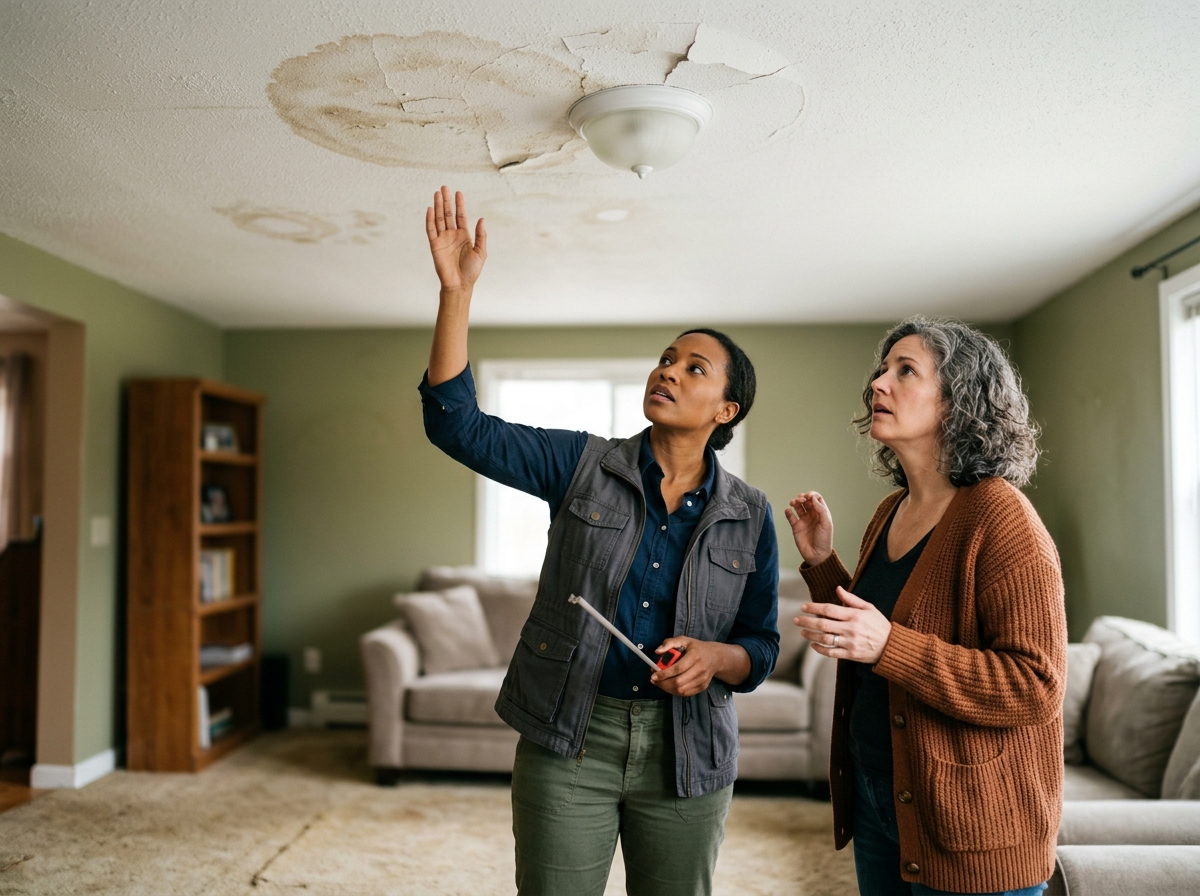
Insurance company adjusters work for the insurer, not for you. A property attorney brings in independent engineers, contractors, and public adjusters to inspect your home separately. This creates a second, unbiased estimate to compare against the insurer’s numbers.
These inspections matter most for large claims like roof damage claims or hurricane damage attorney cases, where repair costs run into tens of thousands of dollars. Photos, moisture readings, and structural reports build a paper trail that supports a higher payout.
For homeowners handling early documentation themselves, reviewing 9 tips for assessing property damage for insurance claims can strengthen the evidence gathered before an attorney even gets involved.
Negotiating or Litigating on Your Behalf
Once evidence is ready, the attorney handles all communication with the insurer. This stops adjusters from pressuring homeowners into quick, low settlements during recorded calls.
Negotiation often resolves the dispute. When insurers refuse fair terms, litigation becomes the next step, especially in mold insurance claims or fire damage attorney cases involving disputed causation. Resources like When Should You Hire a Property Insurance Claim Lawyer? explain when escalation makes sense.
Contingency Fees and the Cost of Hiring an Attorney
How Contingency Fee Arrangements Work
Money worries stop many homeowners from calling an attorney after a denial. A contingency fee removes that barrier. The lawyer only gets paid if the claim results in a payout. No recovery means no legal fee. This model is common in the importance of fire insurance claims and hiring an attorney in Florida cases, hurricane disputes, and bad faith litigation.
Costs Advanced by the Law Firm
Building a strong claim costs money upfront. Many firms cover engineering reports, mold testing, and expert witness fees themselves. Clients repay these costs only from settlement proceeds, not out of pocket.
Weighing the Value Against Potential Recovery
Compare outcomes before deciding how to proceed. A Florida Homeowner’s Insurance Claim Lawyer often recovers far more than a homeowner handling things solo.
| Factor | Self-Representation | Hiring Counsel |
|---|---|---|
| Upfront cost | $0 | $0 (contingency) |
| Expert reports | Paid by homeowner | Advanced by firm |
| Average settlement | Often lower | Typically higher |
| Negotiation leverage | Limited | Backed by legal pressure |
| Time investment | High, self-managed | Handled by legal team |
How to Choose the Right Attorney for Your Property Claim
Experience with Property Insurance Disputes
Not every lawyer handles property claims regularly. Ask how many hurricane, roof, or fire cases they’ve worked in the past year. A firm that only dabbles in this area may miss deadlines or key policy language. Reading about how a property damage attorney can make a difference helps you understand what focused experience actually looks like in practice.
Track Record of Settlements and Verdicts
Results matter more than promises. Before hiring anyone, check their history with real numbers and outcomes.
- They can show examples of claims that were denied and later paid in full after their involvement.
- They have handled cases similar to yours, such as roof damage claims or bad faith claims against large insurers.
- They are transparent about how long cases typically take, whether weeks, months, or longer.
- They provide references or case summaries instead of vague, general claims.
- They understand appraisal, mediation, and litigation, not just one path to payment.
Communication and Availability Throughout Your Case
Property disputes can drag on. You need a responsive attorney, not one who disappears after signing you up. Ask who will answer questions week to week. A group like a Milwaukee Insurance Dispute Attorney for Policyholders shows how firms elsewhere structure client updates. Red flags include unreturned calls, unclear fee explanations, or pressure to settle quickly without reviewing your full damage estimate.
Mold, Fire, and Flood Claims: Special Considerations
Why Mold Claims Are Often Denied
Insurers treat mold claims with heavy suspicion. Most policies limit mold coverage to a few thousand dollars unless the growth came from a covered water event, like a burst pipe. Adjusters often argue the homeowner neglected a leak for weeks, which shifts the claim into a maintenance issue instead of a covered loss.
Timing matters. Mold spreads fast in Florida’s humidity, sometimes within 24 to 48 hours of water exposure. Learning how to file a mold insurance claim quickly, with photos and air quality testing, can prevent a denial based on delayed reporting.
Fire Damage Documentation Challenges
Fire losses look severe but insurers still nitpick. Smoke damage, structural weakening, and soot in ductwork often get underestimated by initial inspections. A fire damage attorney frequently sees adjusters undervalue contents lost entirely, treating melted or charred items as salvageable when they’re not.
Detailed inventories, contractor estimates, and fire department reports strengthen these claims significantly.
Flood Coverage Gaps and NFIP Interaction
Standard homeowners policies exclude flood damage entirely. Coverage typically requires a separate National Flood Insurance Program policy, capped at $250,000 for structures and $100,000 for contents. Many homeowners discover this gap only after water rises during a hurricane.
Coordinating an NFIP claim alongside a homeowners claim requires careful documentation, since wind and flood damage often overlap and get disputed separately.
What to Do Immediately After Your Claim Is Denied
A denial letter is not the end of your claim. It’s the start of a new phase. What you do in the first few days can shape the outcome of your entire dispute.
Requesting a Written Explanation of Denial
Insurers must give a specific reason for denying a claim. Call or write your adjuster and ask for the denial in writing, citing the exact policy language used. This document becomes your roadmap for a challenge or appeal. Vague verbal explanations aren’t enough, and you have the right to demand clarity in writing.
Documenting Damage Before Repairs Begin
Never start repairs before recording every detail of the damage. Evidence disappears quickly once contractors begin work, especially with roof damage claims or hail damage claims.
- Take dated photos and videos of every damaged area, including ceilings, walls, and flooring.
- Keep all receipts for temporary repairs, hotel stays, or emergency mitigation services.
- Save the original denial letter along with all emails and letters from the insurer.
- Write down names and dates of every phone call with the adjuster or claims office.
- Request a copy of the insurer’s own inspection report and photos.
Understanding Your State’s Filing Deadlines
Every state sets strict deadlines for disputing a denial or filing a lawsuit. Missing one can end your claim permanently. Florida homeowners recovering from storms should review guidance on filing an insurance claim after hurricane Idalia for timing specific to hurricane-related losses. Mark deadlines immediately and act well before they arrive.
Frequently Asked Questions About Hiring a Homeowners Insurance Lawyer
Do I Really Need an Attorney for a Small Claim?
Not every claim needs a lawyer. A small, quickly approved payout for a broken window may not justify legal fees. But “small” claims often grow once hidden damage surfaces, like water intrusion behind drywall or roof decking rot after a storm.
If your insurer denies, delays, or offers far less than repair estimates suggest, get a second opinion. Reviewing your policy and denial letter costs nothing and can reveal underpayment worth thousands. Before signing with anyone, it helps to read about 10 common mistakes to avoid when hiring a property damage… lawyer, since the wrong choice can cost more than doing nothing.
How Long Does a Property Insurance Dispute Take?
Timelines vary widely. A straightforward underpayment on a hail damage claim might settle in 60 to 90 days once documentation is strong. Complex hurricane damage or bad faith claims involving litigation can take six months to two years.
Factors that stretch timelines include disputed causation, multiple inspections, and insurer stalling tactics. Cases requiring appraisal or lawsuits naturally take longer than direct negotiation. Your attorney should give realistic estimates upfront, not vague promises, so you can plan finances and repairs accordingly.
What Results Can I Realistically Expect?
Outcomes depend on damage severity, policy language, and evidence quality. Many homeowners see settlements two to five times higher than initial insurer offers after proper documentation and negotiation. Results aren’t guaranteed, but informed representation consistently improves outcomes compared to handling disputes alone.
A free consultation clarifies your specific situation. Bring your policy, denial letter, photos, and repair estimates. That conversation, not general statistics, gives the clearest picture of what your claim is truly worth.
If your property insurance claim was denied, delayed, or underpaid, you don’t have to fight the insurance company alone. Krapf Legal advances the time and money needed to prove you’re owed more, and you pay nothing unless they win your case. Reach out today to schedule a consultation and find out what your claim is really worth.