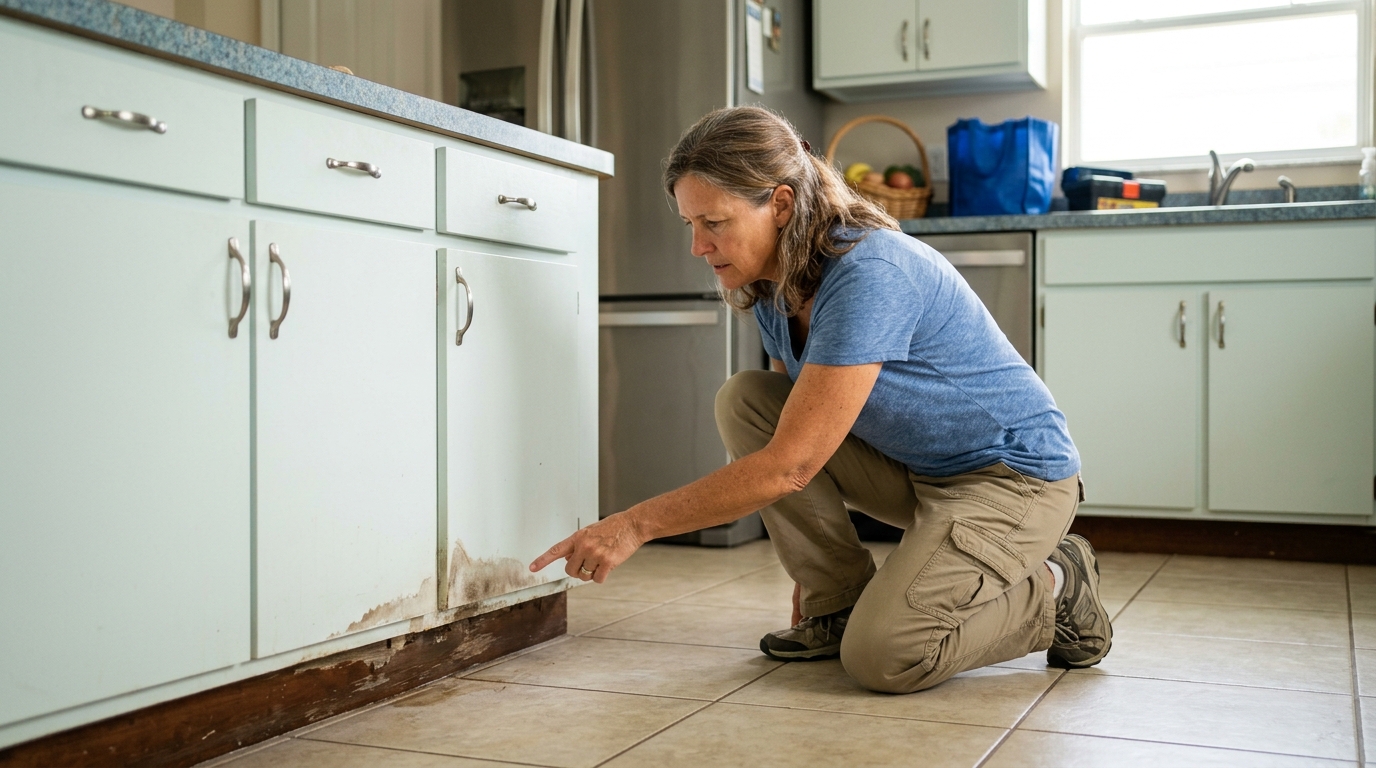
A burst pipe or storm-driven leak can soak your floors in minutes. But getting your insurance company to pay for the damage often drags on for months, met with lowball offers, disputed claims, or outright denials. If you’re a Florida homeowner watching your claim stall while water damage spreads through your walls and foundation, you need to know when hiring a lawyer for water damage shifts the odds back in your favor. This guide breaks down how Florida’s property insurance laws work in 2026, what insurers don’t want you to know, and the steps that lead to a fair payout.
Why You May Need a Lawyer for Water Damage
Signs Your Claim Has Been Wrongfully Denied or Underpaid
Some warning signs are easy to spot. A denial letter citing “wear and tear” when the pipe burst yesterday. A settlement check that barely covers drywall, ignoring soaked flooring and framing underneath. An adjuster who never inspected the attic or crawlspace. These are common reasons water damage insurance claims get denied in florida, and understanding them helps you recognize when your insurer got it wrong.
Other red flags include long delays, vague explanations, or repeated requests for the same documents. If the insurer’s estimate seems disconnected from actual repair costs, something is off. Homeowners often sense the number feels too low but lack the tools to prove it.
Mold growth adds another layer. If moisture sat for days before repairs began, mold claims can follow. Reviewing mold insurance claims what you need to know can clarify whether that secondary damage should have been covered too.
How Attorneys Get Paid: Contingency Fees Explained
Most water damage attorneys work on contingency. That means no upfront fees. Payment comes only as a percentage of what the attorney recovers, and only if they win. No recovery means the homeowner owes nothing.
This arrangement matters because policyholders already face repair costs, temporary housing, and lost time. Adding legal fees upfront would discourage many from fighting a wrongful denial at all.
Contingency fee structures also push attorneys toward maximum, fair payouts instead of quick, small settlements.
When DIY Negotiation With Your Insurer Falls Short
Policy language is dense, full of exclusions, endorsements, and technical definitions. Negotiating alone often means arguing against trained adjusters who know every clause. Many homeowners find their appeals go nowhere without legal backing.
An attorney levels that playing field. They gather evidence, bring in engineers, and push back on lowball offers with documented, specific counterarguments.
Flood Damage vs. Water Damage: Understanding the Difference
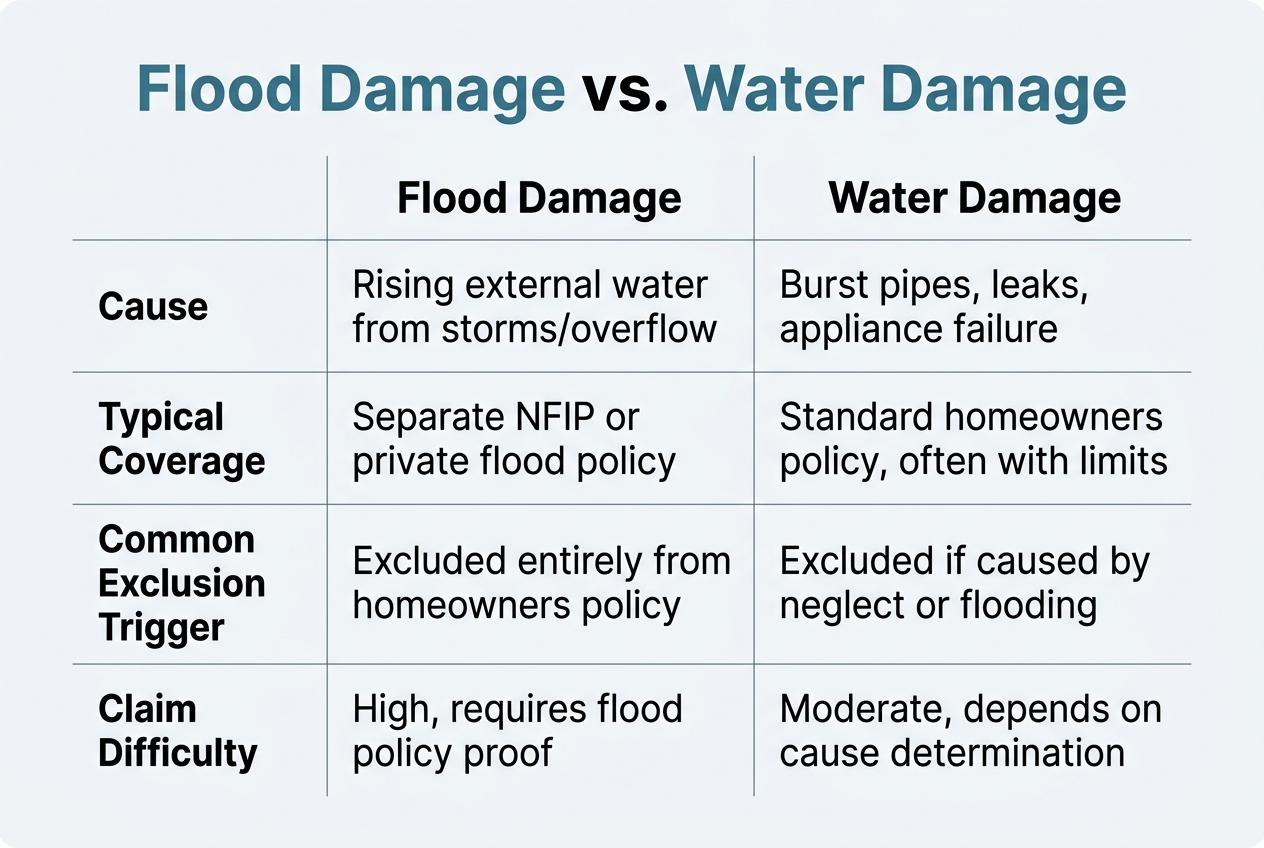
What Counts as Flood Damage Under Florida Law
Flood damage comes from outside water sources overwhelming the land. Think rising rivers, storm surge, or heavy rain that pools across a neighborhood. Florida law treats this as a distinct peril, separate from other property damage. That’s why understanding florida hurricane claims understanding coverage limitatio… matters before disaster strikes.
Standard homeowners policies almost never cover flooding. Homeowners typically need a separate National Flood Insurance Program policy, or a private flood policy, to get paid. Without one, even a foot of surge water in your living room may leave you with zero coverage, no matter how strong your standard policy looks.
What Counts as Standard Water Damage
Water damage usually starts inside your home. A burst pipe, a failed water heater, or an overflowing washing machine are classic examples. These sudden, internal events are often covered under a standard homeowners policy, assuming the loss was accidental and not caused by neglect.
Slow leaks behind walls can also qualify, though insurers scrutinize these closely. A pipe leaking for months, causing hidden rot, raises questions about maintenance. Documentation of when the leak started often decides whether the claim gets approved or denied outright.
Why This Distinction Determines Your Payout
Misclassification is a common denial tactic. Adjusters sometimes label internal water damage as flood-related to avoid payment, especially after storms. This happened repeatedly during floridas hurricane ian recovery six months later, where overlapping causes complicated thousands of claims.
Getting the classification right can mean the difference between full payment and nothing. It’s worth challenging any denial that seems inconsistent with the actual cause of loss.
What Your Homeowners Policy Actually Covers
Every homeowners policy is different. Coverage varies widely by carrier, state form, and the endorsements you bought or skipped. Two neighbors with the same brand of policy can have very different claim outcomes. Reading your declarations page and endorsements matters more than most homeowners realize.
Sudden Pipe Bursts and Appliance Failures
Most policies cover sudden and accidental discharge of water. A pipe that bursts overnight, or a washing machine hose that fails without warning, usually qualifies. The key word is sudden. Insurers look closely at how fast the damage happened.
Sewer Backup and Drain Coverage Add-Ons
Standard policies often exclude sewer and drain backups. Many carriers sell this protection as a separate endorsement. Skipping it can leave a homeowner paying out of pocket after a backed-up line floods a basement or laundry room.
Frozen Pipe Damage Requirements
Frozen pipe claims often carry strict conditions, like keeping heat on or draining systems before leaving home. Failing to meet these requirements can lead to a denial, even when the pipe truly froze.
| Cause of Loss | Typically Covered? | Common Condition |
|---|---|---|
| Burst supply line | Yes | Must be sudden, not slow leak |
| Washing machine hose failure | Yes | No prior visible wear |
| Sewer backup | Only with add-on | Separate endorsement required |
| Frozen pipe burst | Often, with conditions | Heat maintained or water shut off |
| Slow, hidden leak | Usually excluded | Treated as neglect |
Gradual damage and neglect are commonly excluded. Insurers deny many Water Damage Claims tied to long-term leaks, arguing the homeowner should have caught the problem sooner. Long-term moisture also raises mold concerns, and does my insurance policy cover mold damage understanding… your limits becomes an important follow-up question.
Common Policy Traps: Exclusions and Anti-Concurrent Causation Clauses
How Water Exclusion Clauses Are Worded
Most Florida policies contain a water exclusion clause buried deep in the fine print. It often lists things like surface water, groundwater, sewer backup, and “seepage over time” as excluded events. The wording sounds simple, but it can gut an otherwise valid claim in seconds.
These clauses often use vague timeframes, like “continuous or repeated seepage over a period of weeks.” Insurers use that ambiguity to argue a sudden pipe burst was actually a slow leak. A homeowner reporting a burst water heater might get denied because the adjuster claims the damage built up over 90 days.
Reading these clauses carefully, and getting advice on water damage claims in florida, helps homeowners spot exclusions before they sign off on a denial letter.
Anti-Concurrent Causation Explained in Plain English
Anti-concurrent causation clauses deny claims when two causes combine to create damage, even if only one is excluded. Say wind damages your roof, and rain then floods your attic. If flood is excluded, the insurer may deny the entire claim, blaming the “excluded” flood portion, even though wind started it.
This tactic shows up often in hurricane claims, where wind and water arrive together. It also matters for homeowners researching Flood and Water Damage Claims for Ohio Homeowners, since similar clauses appear nationwide, not just in Florida.
Challenging These Clauses With Legal Help
Insurers rely on ambiguous language to justify denials. Florida courts often side with homeowners when policy wording is unclear, since ambiguity typically favors the insured. A skilled reviewer can spot contradictions between the declarations page and exclusion sections.
Legal help can also uncover bad faith claims handling, where insurers stretch clause language beyond its intended meaning to avoid paying valid losses.
Is Damage From Rain, Snow, or Storms Covered?
Wind-Driven Rain and Roof Leak Disputes
Wind-driven rain coverage depends heavily on policy specifics. Some Florida policies cover rain that enters through a wind-created opening, like a missing shingle or broken window. Others exclude wind-driven rain entirely unless the roof damage happened during the same storm event.
This distinction fuels many disputes. Insurers often argue the leak existed before the storm, or that poor maintenance caused the damage rather than wind. Reading the exact wind-driven rain clause in your policy matters more than most homeowners realize before filing a claim.
Snowmelt and Ice Dam Damage
Snow and ice damage rarely affects Florida homes, but transplants from northern states sometimes assume old rules apply. Florida properties face different risks, mainly heavy rainfall and tropical humidity, which create their own version of slow, hidden water intrusion.
Roof damage timing affects claim outcomes significantly. A leak that developed gradually over months looks very different to an adjuster than sudden storm damage. Insurers frequently deny claims by labeling gradual leaks as maintenance issues rather than covered events, even when a storm triggered the initial damage.
Documenting Storm Damage Immediately
Storm-related claims often face heightened scrutiny, especially after major hurricanes when insurers process thousands of claims at once. Photograph roof damage, water stains, and debris before cleanup begins. Save weather reports showing wind speeds and rainfall totals for that date.
Many homeowners don’t realize why insurance companies underpay wind damage property claims so often, and thorough documentation is the strongest defense against it. Resources like Water Damage Lawyers | Ben Crump Law: Your Advocates also explain what evidence carries the most weight during review.
Steps to Take Immediately After Water Damage Strikes
Mitigating Further Damage
Fast action protects your home and your claim. Insurers expect homeowners to stop damage from spreading, so act right away. Shut off the water source, move valuables to dry ground, and set up fans or dehumidifiers if it’s safe to do so. Save every receipt for supplies or emergency repairs. This is standard practice, similar to steps taken in hail damage claims or after a burst pipe.
Photographing and Recording Everything
Documentation is critical from day one. Photos and videos build the foundation of your claim before cleanup begins.
- Photograph every affected room from multiple angles before you move or discard anything.
- Record the water level on walls, floors, and furniture using a tape measure in the frame.
- Keep damaged materials like flooring or drywall until your adjuster inspects them.
- Write down the date, time, and suspected cause of the water intrusion.
- Log every phone call with your insurer, noting names and what was said.
Notifying Your Insurer the Right Way
Report the loss promptly, but choose your words carefully. Avoid common mistakes that give insurers an excuse to deny your claim, such as guessing at a cause or downplaying damage. Reading 10 common mistakes to avoid when hiring a property damage… before you sign anything can save real money later. Homeowners outside Florida facing similar disputes can review resources like the Los Angeles Water Property Damage Claims Lawyer page for comparison on handling practices.
Filing a Property Insurance Claim: What to Expect
Understanding how the property damage insurance claim process works reduces surprises later. Florida law sets clear deadlines for insurers, and knowing them helps you spot delays early.
Insurance Company Response Time Requirements
Florida statutes require insurers to acknowledge and act on claims within set windows. Missing these deadlines can support a bad faith claim down the road. The table below outlines the key timeframes.
| Claim Stage | Statutory Deadline | What It Means for You |
|---|---|---|
| Acknowledge claim receipt | 14 days | Insurer must confirm they got your claim |
| Begin investigation | 14 days from acknowledgment | Adjuster inspection should be scheduled |
| Pay or deny claim | 60 days from filing | You should receive a decision in writing |
| Respond to supplemental info | 7 days | Insurer must confirm additional documents received |
What an Adjuster Is Really Looking For
Adjuster inspections can feel routine, but they are not neutral. The adjuster works for the insurance company, not for you. Their notes often shape whether your payout is fair or reduced. Many local businesses and homeowners assume the inspection is a formality, then get surprised by a lowball offer.
Proof of Loss Deadlines and Requirements
Florida generally requires a sworn proof of loss within 60 days of the insurer’s request. Missing this deadline can jeopardize your claim entirely. Firms handling cases like San Antonio Water Damage Lawyers often see claims denied simply for late paperwork.
What to Do When Your Claim Is Denied or Underpaid
Reviewing Your Denial Letter Line by Line
A denial letter is not the final word on your claim. Insurers must cite a specific policy provision for denying or underpaying a loss. Read that provision carefully. Sometimes the cited exclusion doesn’t actually match the facts of your damage. Learn what to do if your property insurance claim is wrongfully denied or underpaid before you sign anything or accept a partial check.
Requesting Your Full Claim File
Understanding the stated reason for denial matters more than most homeowners realize. Florida law lets policyholders request their complete claim file. That file often reveals problems worth challenging:
- Adjuster notes that contradict photos taken during the inspection.
- Engineering reports that were edited or summarized after the original findings.
- Estimates missing entire rooms, cabinetry, or flooring that clearly show damage.
- Timestamps showing a rushed inspection lasting only minutes.
- Correspondence showing the insurer never requested missing documents before denying.
When to Escalate to Litigation
Appeals and legal action are both viable paths, and each fits different situations. A written appeal with new documentation sometimes reverses a denial quickly. When the insurer stalls, lowballs, or ignores evidence, a Miami Water Damage Lawyer can file suit and pursue bad faith remedies if warranted.
Additional Living Expenses You May Be Owed
What ALE Typically Covers
Additional Living Expenses (ALE) reimburse costs from being forced out of your home. If water damage makes your house unlivable, your policy may pay for a hotel, a short-term rental, or an extended-stay apartment. It can also cover extra costs like pet boarding, storage units, and higher grocery bills from eating out.
Many policyholders don’t realize they qualify for this benefit. They pay out of pocket for weeks, assuming displacement costs are their problem alone. In reality, most Florida homeowner policies include ALE as a built-in coverage, separate from the dwelling and contents limits.
How to Track and Submit ALE Expenses
Insurers require proof before reimbursing displacement costs. Keep every receipt: hotel folios, gas mileage to a temporary rental, restaurant bills, and pet-boarding invoices. Compare these against your normal monthly costs, since insurers only reimburse the difference above your usual expenses.
Create a simple log with dates, amounts, and reasons for each expense. Submit updates regularly instead of waiting until the claim closes. This steady documentation strengthens your position and speeds up payment.
Common ALE Disputes With Insurers
Insurers sometimes argue a home was still livable, cutting off ALE early. Others dispute rental rates as excessive or question whether an expense was truly extra. These disagreements often overlap with broader claim underpayment issues.
Understanding how a property damage attorney can make a difference can help homeowners push back. A Water Damage Attorney can also review denied ALE claims for bad faith handling.
Common Problems That Complicate Water Damage Claims
Mold Exclusions and Sub-Limits
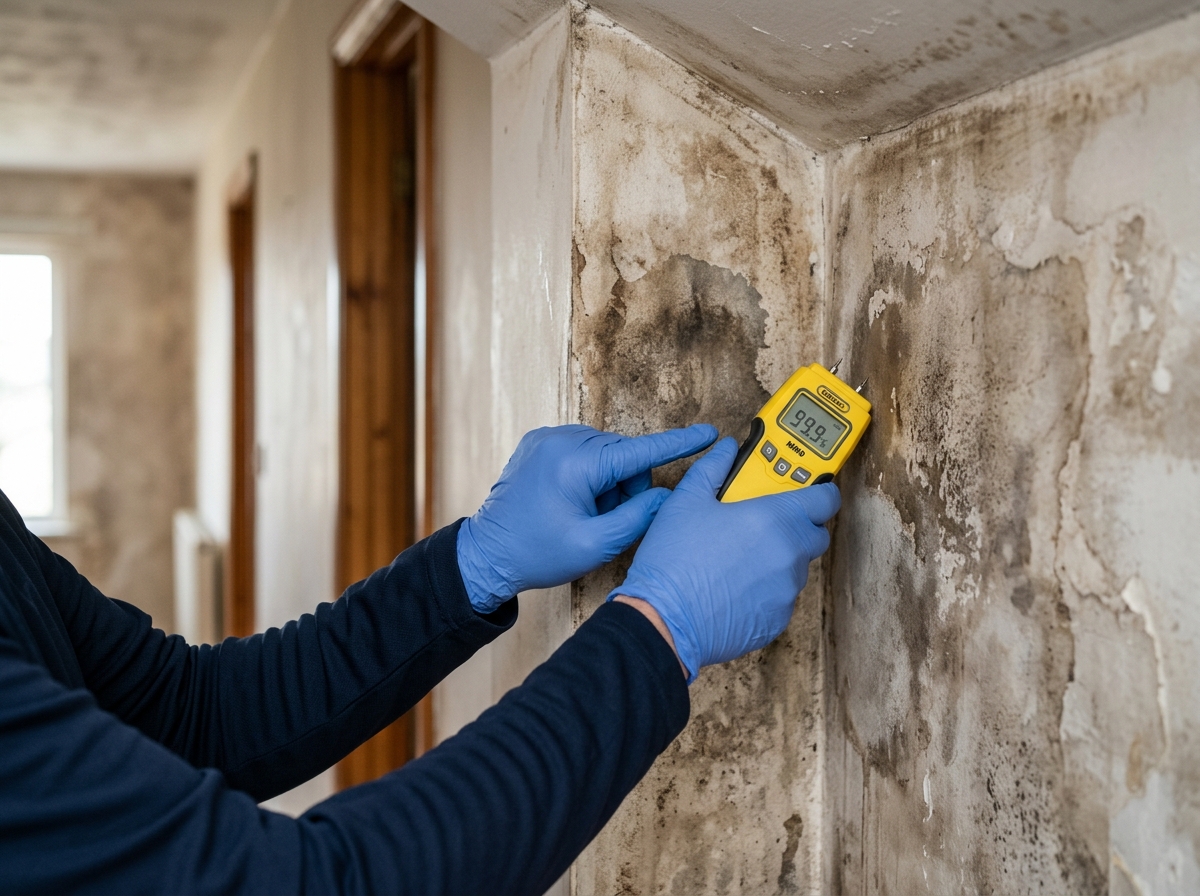
Most Florida policies cap mold coverage at $10,000 or less, even when the underlying water damage is fully covered. Insurers often argue mold grew because you waited too long to dry the property, then deny the claim outright. Understanding mold damage claims signs risks and insurance coverage helps homeowners spot these disputes early.
Adjusters sometimes classify visible mold as “maintenance related” rather than storm related. That single label can slash a payout by thousands. Photographic evidence and timely remediation records matter here.
Disputes Over Cause and Origin
Insurers frequently claim damage existed before the policy period began. They point to old stains or warped flooring as proof, even when a recent pipe burst caused the real harm. This pre-existing damage argument is one of the most common denial tactics used statewide.
Determining true cause and origin often requires a plumber’s report, moisture readings, and sometimes an independent engineer. Without this documentation, homeowners struggle to counter the insurer’s narrative.
Lowball Repair Estimates From Insurer-Hired Contractors
Insurance companies often delay inspections for weeks, allowing damage to worsen before anyone assesses it. Then their contractor submits a lowball estimate that ignores hidden damage behind walls or under flooring.
These estimates rarely account for drywall replacement, cabinetry, or code-required upgrades. Comparing multiple contractor bids against the insurer’s number often reveals gaps of thousands of dollars.
Choosing the Right Lawyer for Water Damage Claims
Questions to Ask Before Hiring an Attorney
Not every attorney handles property insurance disputes the same way. Ask how many Florida water damage claims they have resolved, and whether they focus on insurance law specifically. A general practice lawyer may lack the deep familiarity with Florida statutes, policy language, and appraisal deadlines that these cases demand.
Ask about experience with related claim types too, including mold insurance claims, roof damage claims, and hurricane damage attorney work. Overlapping expertise often signals a firm that understands how insurers evaluate complex, multi-cause losses. It also helps to ask directly about past results and typical case timelines.
Why Contingency Fee Representation Matters
Many homeowners delay hiring help because they worry about upfront costs. A no-fee-unless-you-win arrangement removes that barrier. The attorney advances the time, expert fees, and investigation costs, only collecting payment if the claim results in a settlement or judgment.
This structure aligns incentives. The lawyer succeeds only when the homeowner does, which encourages thorough case-building rather than a quick, low settlement. It also opens the door to pursuing bad faith claims when an insurer unreasonably delays or denies payment, without adding financial risk for the family already dealing with damage repairs.
What to Expect During a Free Case Review
A free case review typically starts with a review of the policy, denial letter, and any adjuster reports. The attorney will ask about the timeline of damage, prior repairs, and communication with the insurer. Bring photos, receipts, and correspondence if available.
Expect honest feedback on the claim’s strength, not just encouragement to sign paperwork. Track record and communication style matter here; a good attorney explains next steps clearly. Reviewing steps to safeguard your home and insurance claims in florida beforehand can also help you prepare stronger documentation for that first conversation.
Hurricane and Storm-Related Water Claims in Florida
How Hurricane Deductibles Work
Hurricane season brings unique claim challenges that ordinary water damage doesn’t. Florida homeowners policies often carry a separate hurricane deductible, calculated as a percentage of the home’s insured value rather than a flat dollar amount. A policy with a 2% hurricane deductible on a $400,000 home means $8,000 comes out of pocket before coverage kicks in.
This separate deductible only applies once a storm is officially named. Insurers sometimes misapply it to unrelated water intrusion, inflating what homeowners owe. Reviewing the declarations page closely, and comparing it against the actual storm timeline, can reveal costly errors in how the deductible was calculated.
Filing Deadlines After a Named Storm
Florida law sets strict statutes of limitations for storm-related claims. Homeowners generally have one year from the date of loss to file a claim tied to a named storm, and additional time limits apply to supplemental claims and lawsuits. Missing these windows can permanently bar recovery, no matter how strong the evidence.
Documenting damage immediately after a hurricane passes protects these deadlines. Photos, contractor estimates, and dated repair receipts all strengthen a claim and reduce disputes over when damage actually occurred.
Coordinating Wind vs. Water Damage Disputes
Hurricanes rarely cause damage from a single source. Wind may tear off roofing while rain floods the interior minutes later, creating overlapping causes that insurers use to shift blame between coverages. This guide on when disasters collide hurricane and water damage insuran… explains how these disputes typically unfold.
Sorting out which policy, or which portion of a policy, applies often requires engineering reports and careful timeline reconstruction. Getting this wrong can mean thousands in denied coverage.
If your water damage claim has been denied, delayed, or lowballed, the team at Krapf Legal focuses specifically on helping home and business owners fight back against insurers—advancing the time and money needed to prove you’re owed more, with no fees unless they win. Reach out to Krapf Legal today to discuss your situation and find out what your claim might really be worth.